
Developing a Pilot Community Garden to Empower and Transform Communities (in the Commonwealth of PA)
Harrisburg, Pennsylvania, United States
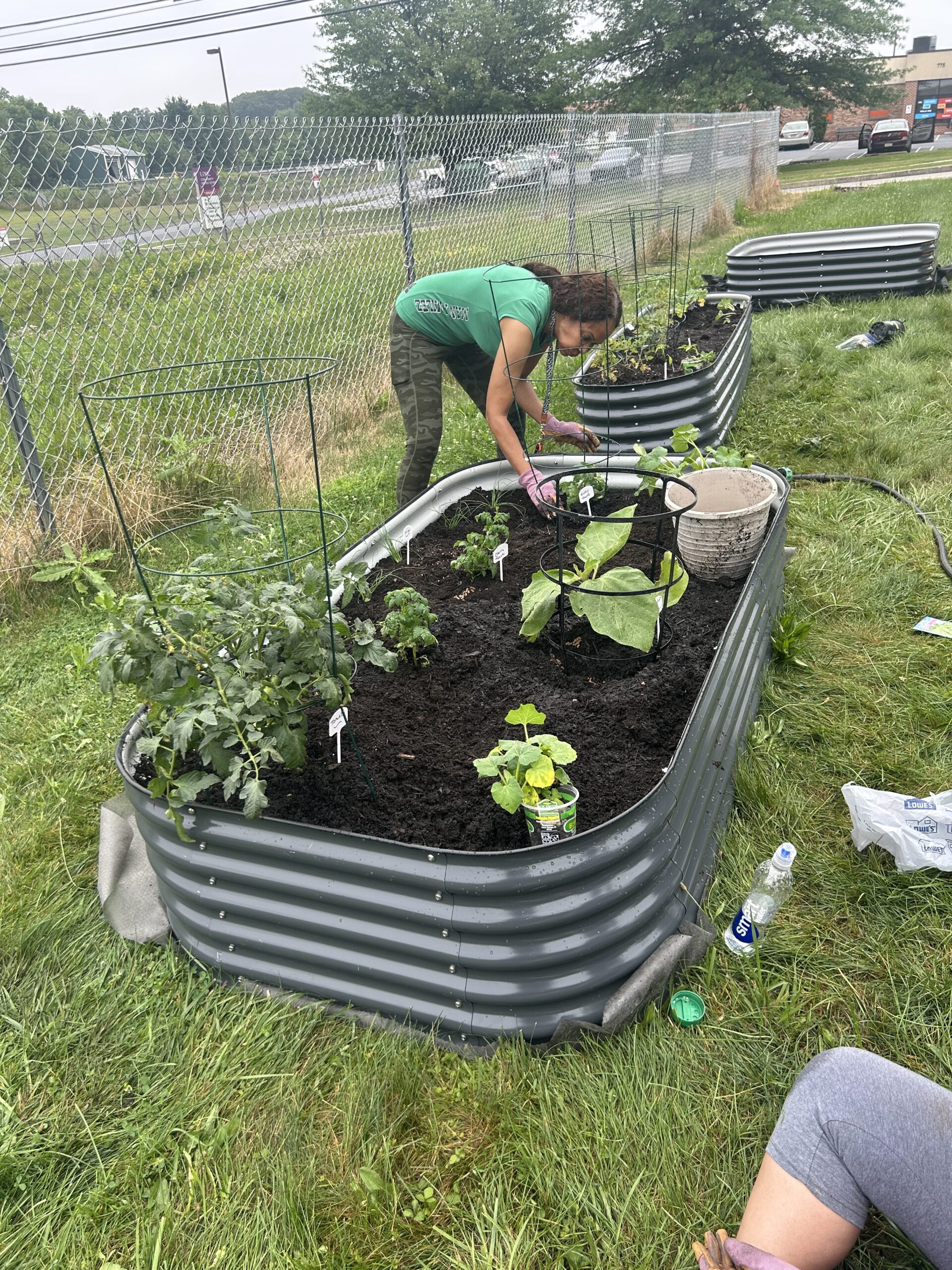
Members of the Pennsylvania Council of Churches (PACC) are developing a space to teach and enable community members to cultivate, grow, and harvest organic vegetables and fruits, allowing them to learn local farming techniques and develop healthy eating habits.
The project team will develop relationships with local faith communities, schools, hospitals, community organizations, and residents to grow food and teach people about healthy diets. This project will benefit the community by providing people with space and skills to grow their own food, and offering opportunities and confidence to develop healthy lifestyles for individuals and communities.
PACC strives to fulfill the church’s mandate of feeding the hungry and addressing the physical needs of challenged communities. This is achieved through a holistic approach that meets the community’s needs by providing training and resources to produce organic and healthy food products. As a result, the community will live healthier and happier lives. PACC believes that having access to healthy food will enable families to build healthy communities, which in turn will contribute to a healthier society. The garden will demonstrate and educate community members across the Commonwealth to eat and live healthily by growing organic and sustainable food products locally.
Resultados
Resumen del proyecto
The Pennsylvania Council of Churches is a non-profit religious organization dedicated to promoting Christian unity, advocating for social justice, and fostering compassion within communities within the Commonwealth of Pennsylvania. TheUnited Church Center is located in the Lower Paxton Township within Harrisburg, Pennsylvania; this is the setting of the community garden established this year. The project team consulted with township representatives to assure that the garden was in compliance with zoning requirements.
The team attended community hearings to gain a zoning variance that allowed the construction of a fence for the garden area. The team also consulted with Robin Perry-Smith, an expert from the Penn State Extension. Ms. Perry-Smith coordinates Strategic Initiatives and Urban Engagement. She met with the project team and provided guidance. The team is also blessed to have the support of Ms. Katherine Scott who is a Master Gardener. The team also meets on a weekly basis with the project’s community science fellow, Abraham Adhanom. The Pennsylvania Council of Churches serves as an umbrella organization, representing a diverse range of mainline and Orthodox Christian denominations across the Commonwealth of Pennsylvania, facilitating collaboration and dialogue among them. The organization values active community engagement and aims to foster a just and compassionate society. The Pennsylvania Council of Churches is located at 900 S Arlington Ave, Harrisburg, PA 17109.
Resultados del proyecto
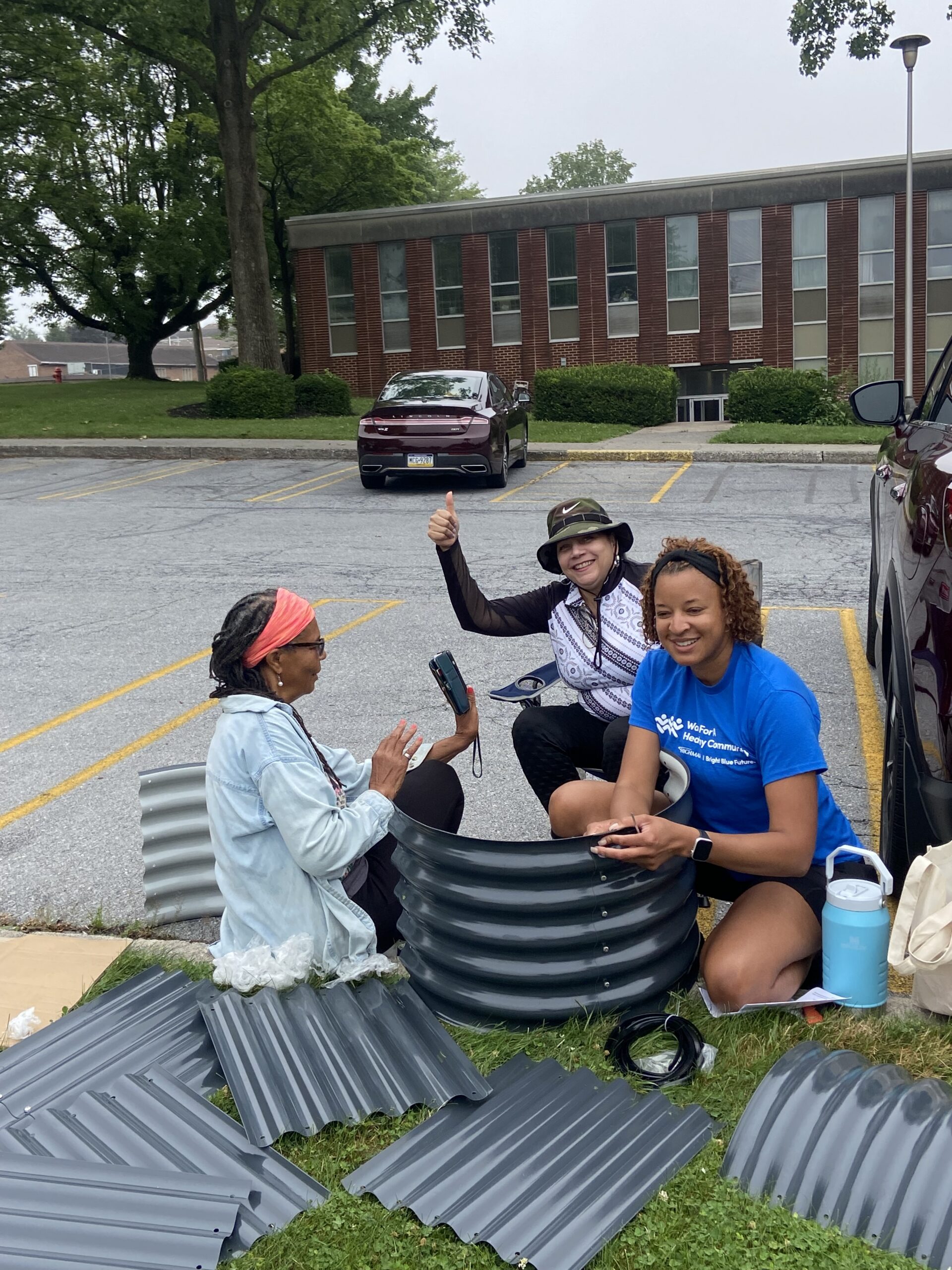
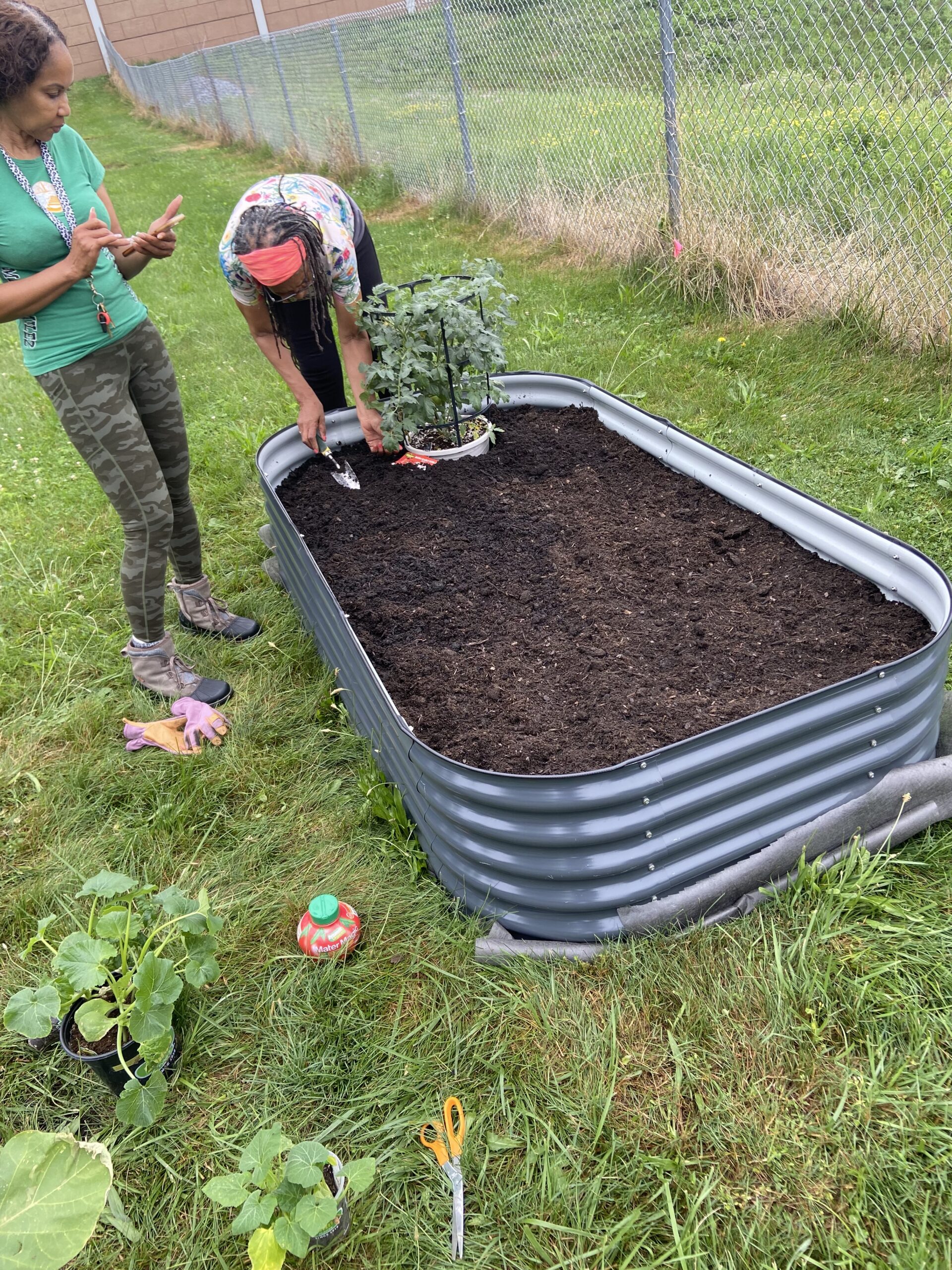
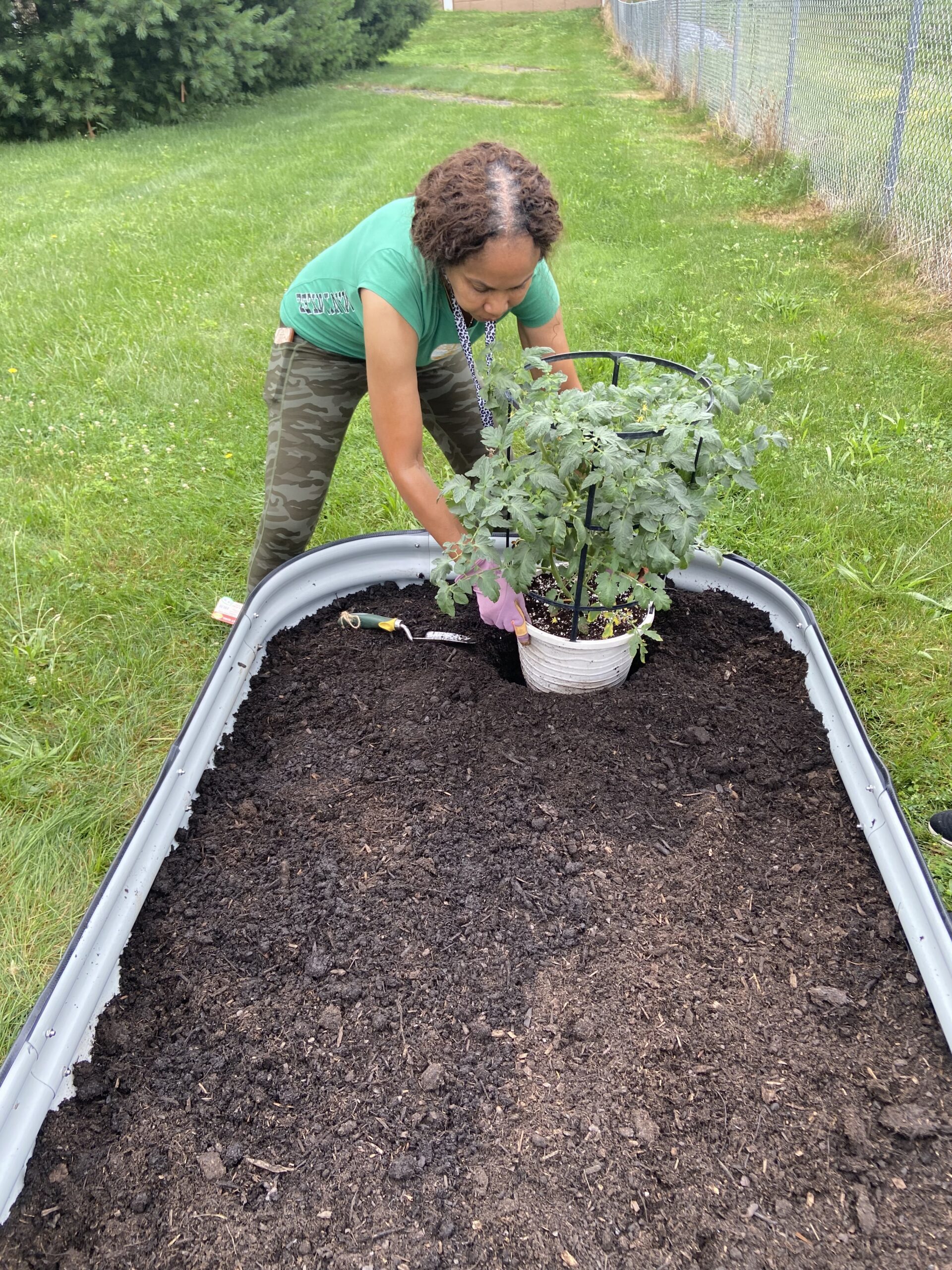
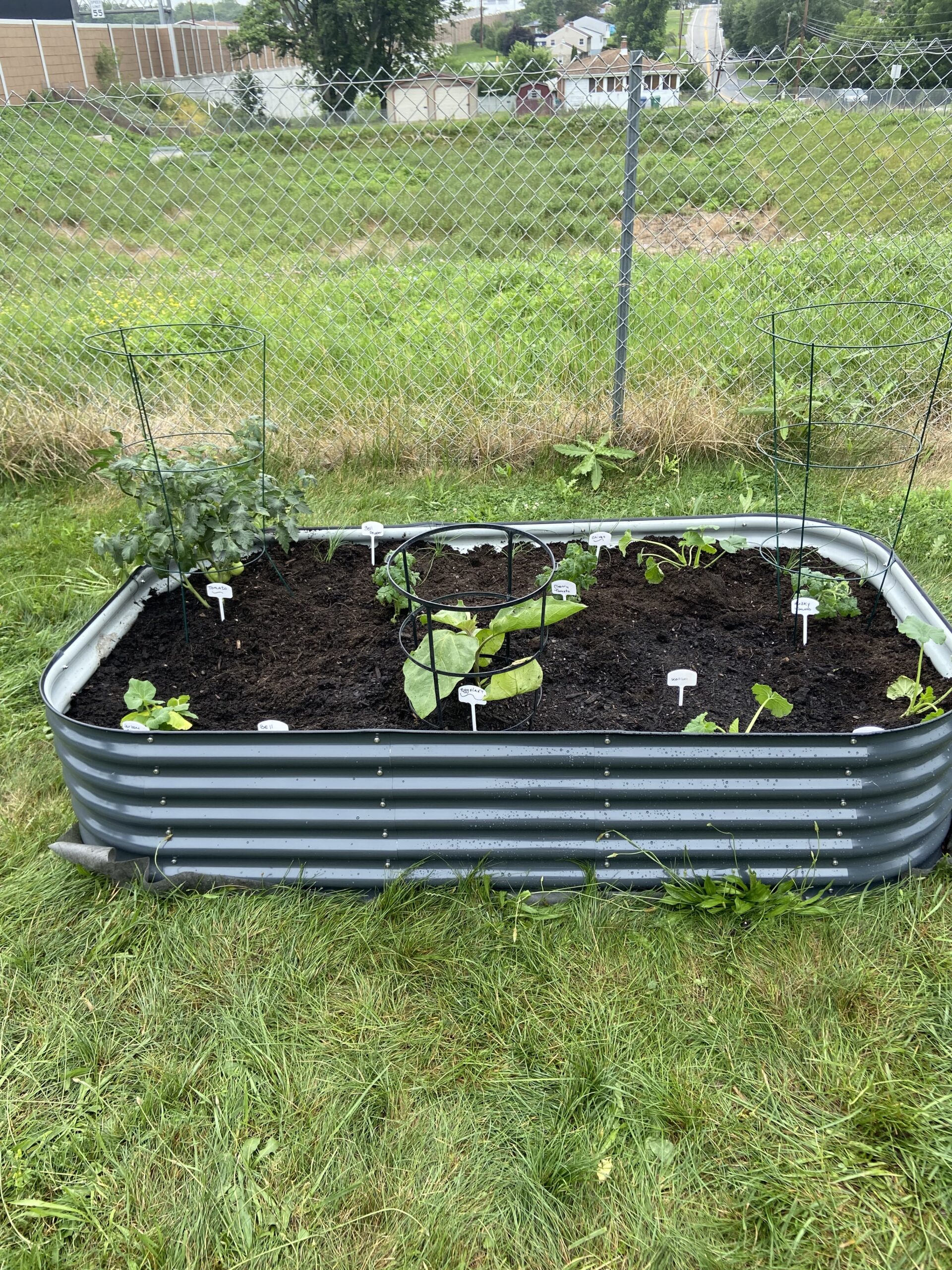
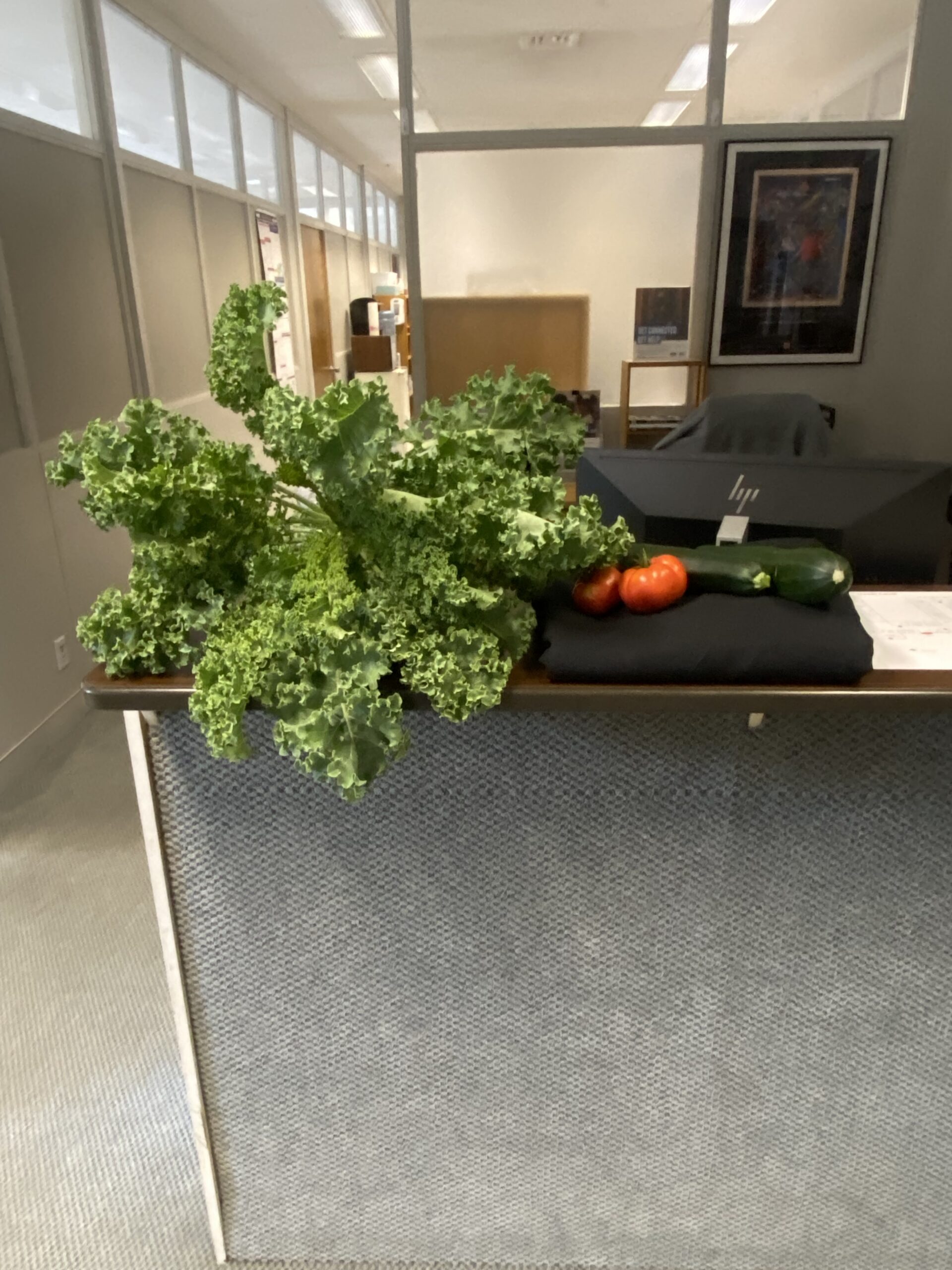
The project established and built a community garden site at the United Church Center. The Council of Churches sees this as a model to be replicated throughout faith communities within the Commonwealth of Pennsylvania. This initiative is anchored by an initial project established in the Pennsylvania Council of Churches headquarters, at 900 S Arlington Ave, Harrisburg, PA 17109. The Community Garden Project is one component of the outreach designed to engage communities for people to grow their own food; The Pennsylvania Council of Churches aims to educate and encourage the consumption of fresh and healthy foods. One social consideration in the Council of Church’s faith commitment is that the team seeks to address the need for access to affordable and nutritious food, providing people with opportunities to participate, as they collaborate with communities to address issues of hunger and promote healthy eating.
The Pennsylvania Council of Churches is enabling people to create spaces where they can grow food in an intergenerational context; where healthy food choices are encouraged and where areas can be reclaimed for conservation. The Council of Churches has engaged people, churches, and community organizations by enhancing physical and economic health in the community. Our role is to provide a free space for growing food, educating to prepare food, and ultimately creating entrepreneurial enterprises for people in the community. They are committed to working with faith communities, schools, businesses, hospitals, medical facilities (University of Pittsburgh Medical Center), and government entities (Dauphin County and Lower Paxton Township) to create opportunities for community health education and food production. The Council’s mission is to teach people to cultivate their own food and develop their skills for healthy living. This effort will include interfaith and ecumenical partners, people from rural, suburban, and urban settings, intergenerational constituents and people who share non-sectarian allegiance. The only requirement is a love for creation and a commitment to growing food.
- Community Networking
- Recruited Community and Building Tenants
- Gardening Techniques Developed
- Church Support Established
- Expanded Grant Opportunities
- Created Gardening Support Opportunities
- Fall Community Garden Event
Community Impact
The target audience for the initial community garden is Dauphin County, Pennsylvania, and residents of Lower Paxton Township facing food insecurity. In 2023, 37,370 people in Dauphin County were food insecure (Source: Feeding America). The community garden aims to combat hunger in the Harrisburg area by providing residents with a space to grow healthy, affordable food. Furthermore, according to the most recent US Census, 12.9% of Dauphin County residents are living in poverty. This statistic further emphasizes the need and urgency to provide affordable, healthy food options in the region. It is estimated that more than 32,000 residents in Dauphin County face food insecurity. Black households are two and a half to three times more likely than white, non-Hispanic households to face food insecurity.
Child food insecurity is also a pervasive reality. In Dauphin County alone, more than 12,000 children are uncertain about where their next meal will come from. Children make up nearly 40% of the food-insecure population in Dauphin County. The Council of Churches will also seek to partner with local schools, including grades K-8, to create a student herb garden; that will encourage children and youth to learn to grow their own food. They will also work with judicatories and churches within the Keystone Conference of the United Church of Christ, The Lower Susquehanna Synod of the Evangelical Lutheran Church of America, the Episcopal Diocese of Central Pennsylvania, and the Synod of the Trinity, The Presbyterian Church of America.
There is a greater need for nonprofits like the Pennsylvania Council of Churches to partner with civic and community organizations to enhance their ability to rebuild communities and social networks. Through direct learning and community engagement, the Pennsylvania Council of Churches Community Garden will educate participants in growing their own food, equipping them with skills in food cultivation, healthy living, and economic well-being. Regardless of background or religious affiliation, the community garden will be a space where the community can come together to grow affordable, fresh food by improving access to healthy food, enabling participants to gain a sense of ownership, sufficiency, and empowerment.
Organizational Acknowledgements
- AGU
- The University of Pittsburgh Medical Center
- The Keystone Conference of the United Church of Christ
- Seed Money
- Penn Northeast Conference of the United Church of Christ
- Dauphin County Commissioners
- Cultivating Roots
- Penn State Extension
- United States Department of Agriculture
Future Plans
The Pennsylvania Council of Churches plans to:
- Work with the LOGOS Academy of Harrisburg, which will begin an herb garden for kindergarten to 3rd-grade students.
- Work with the Ziegel Union Church and the St John’s United Church of Christ in Breinigsville, Fogelsville, PA
- Create a network of church-sponsored community gardens in the Commonwealth of Pennsylvania.
- Continue their relationship with AGU and Thriving Earth Exchange. This relationship enables the Council of Churches’ plan for sustainability and growth.
- Maintain gardens with volunteers.
- Secure a part-time project manager to enable the garden management.
- Recruit a diverse team of residents, local leaders, and gardeners. The Council will include members of the community garden team as well as community advisors who will provide expertise and guidance. Include those who will be gardening, nearby residents, and potential partners.
- Identify and invite community leaders and other interested people to an annual organizational meeting and social gathering. Develop a well-organized leadership team with committees assigned to specific tasks (for example: recruitment, partnership development, special events, garden organization).
- Incorporate under the auspices of the Pennsylvania Council of Churches; this will include the development of bylaws that clarify the purpose and objectives of the garden, determine how decisions will be made, and what process will be used to select leaders. The bylaws will also clarify how work will be shared, who will be responsible for what, and how decisions will be made on the scope of garden projects. It will also clarify management decisions, including any restrictions on the use of pesticides and fertilizers.
- Assign roles: coordinator, treasurer, outreach lead, maintenance lead.
- Identify an accessible, sunny land with water access.
- Secure permissions from landowners, the city parks department, or local organizations.
- Budget for soil, tools, seeds, fencing, signage, and insurance.
- Seek grants, local business sponsorships, and in-kind donations.
- Plan plots, pathways, compost area, and communal spaces.
- Ensure accessibility for all ages and abilities.
- Include sustainable features like rain barrels or pollinator plants,
- Organize a community build day for raised beds, irrigation, and signage.
- Schedule regular workdays and social events.
- Offer workshops on gardening, composting, and cooking.
- Encourage members to share surplus with local food banks or neighbors.
- Celebrate milestones with harvest festivals or potlucks.
- Review successes and challenges annually.
- Plan for long-term funding, leadership succession, and expansion.
Descripción
Acerca de la Comunidad
The PACC’s board of directors identified hunger and poverty as top priorities across Pennsylvania, making this Urban Garden project a crucial pilot for statewide expansion. The organization leverages its conservation advocacy experience and interfaith network to create lasting change.
The Council launched this groundbreaking interfaith initiative in Harrisburg, Pennsylvania’s capital city of 50,000 residents. Strategically positioned near Lower Paxton Township’s low-income housing projects, this project creates an unprecedented faith-based partnership model for the entire Commonwealth.
This community-driven initiative brings together local churches, synagogues, temples, and nonprofit organizations to tackle hunger and poverty through sustainable food cultivation. The project transforms vacant land into productive gardens where residents learn to grow, prepare, and distribute fresh produce—directly addressing food insecurity while building economic opportunity.
The initiative delivers comprehensive training in food cultivation, preparation, and business development, empowering participants to break cycles of poverty through practical skills and entrepreneurship. By combining technical expertise with academic partnerships, the project creates pathways to personal growth and economic autonomy.
This project represents more than community gardening—it’s a replicable model that addresses health disparities, economic challenges, and food justice simultaneously. Through hands-on training and business development opportunities, participants gain tools to transform their communities while creating sustainable solutions to poverty.
The initiative positions PACC as a policy leader, demonstrating how faith-based organizations can drive meaningful social change through collaborative, evidence-based approaches to hunger and poverty elimination.
Sobre el proyecto
The PACC Community Garden Project aims to establish a pilot program for growing vegetables and fruits that can be replicated throughout the Commonwealth of Pennsylvania. The project will serve as a model for people to learn and take responsibility for their health choices through the cultivation, harvesting, and preparation of healthy foods. This will result in a healthier community, increased life spans, and greater economic stability.
The project team will host community gatherings on food cultivation and preparation in collaboration with local partners. Engaging with local faith-based communities, including Christians, Muslims, Jews, Baha’is, and others, the project will serve as a model for community building. The project will also create a space for people to come together and discuss the critical issues facing their communities by enabling them to learn about one another through food conversations, which is essential for all community members.
The project will:
- Create a community space for growing vegetables and fruits
- Provide an environment where people of all faiths can gather, engage in conversation, share experiences, and foster a sense of community.
- Enable families to learn how to grow, prepare, and serve healthy food
- Offer an opportunity for people to share their produce with unsheltered individuals who rely on food banks.
Ultimately, the project’s goal is to empower the community through the cultivation, harvesting, and preparation of healthy food. This will enable the people to learn and experience the importance of organic food choices by engaging educators and healthcare practitioners. This will, in turn, lead to socioeconomic improvement for the community. Additionally, community building is a crucial component of this project. In an urban setting like Harrisburg, green space is a healthy and affirming opportunity for a healthy lifestyle. The PACC allocated the space for the project with the intention of serving as a catalyst for uniting people around a common cause. There are also ways in which partner faith communities will promote ministry by addressing the needs of the poor, underserved, and unsheltered members of society. This may be achieved by providing options for healthy food, enabling people to advance by creating opportunities for family and economic stability, and promoting educational opportunities.
The garden project will bring communities together to learn sustainable gardening and organic food production through outreach, education, and collaboration with local academic institutions, community organizations, businesses, and civic associations. Through piloting and training, the community will be empowered to emulate horticulture and sustainable farming for healthy living.
Calendario e hitos
- Planning: January – April 2025
- Develop community and expert partnerships to plan and implement the project.
- Meet with the Lower Paxton Community Garden Project for guidance and input on developing the project.
- Establish relationships with Cultivating Roots, an organization that helps with the design and construction of the garden.
- Reach out to the community to promote the project.
- Host an orientation meeting to introduce the project to the community.
- Design: April – May 2025
-
- Design the layout and plots for the community garden
- Raise / secure funding for the construction phase
- Analyze soil conditions with the assistance of the Dauphin County Conservation organization, which will lead the soil sampling effort.
- Engage constituent congregations and local businesses.
- Preparation for construction and planting.
- Plan an additional community meeting to check in with participants.
- Onboard experts/scientists for the project
- Production: May – July 2025
-
- Planting and garden maintenance.
- Develop a specialized Salsa garden area that will include tomatoes, onions, cilantro, and peppers, allowing people to make salsa for a Community Garden Salsa Party.
- Consult experts and scientists on the production phase.
- August – November 2025
-
- Prepare for Harvest and plan for Winter months.
- Perform a project evaluation.
Equipo del proyecto
Líderes comunitarios

The Rev. Dr. Larry D. Pickens, Esq., serves as the executive director of the Pennsylvania Council of Churches. He has served as a church executive and congregational pastor. His ecumenical experience includes representation of The United Methodist Church on the Executive, Personnel, and Central Committees of The World Council of Churches, and leadership in the National Council of Churches of Christ in the USA. He is presently a participant in and contributor to the United Nations Permanent Forum on People of African Descent, which addresses issues of reparatory justice. Larry is a graduate of North Park University, where he majored in Political Science. He completed theological studies at Garrett-Evangelical Theological Seminary, Chicago, and the Ecumenical Institute Graduate School at Bossey, Switzerland. He also has a law degree from DePaul University College of Law.

Katherine Marshall Scott. As a Master Gardener who grows herbs, flowers, veggies, and young hearts, Katherine Marshall Scott has a mission to teach gardening.
She founded a garden consulting business, “Got Veggies Too,” that helps individuals, families, and communities discover the joy of gardening, whether it’s native plants, pollinator habitats, or edible container gardens. Rooted in a faith-based vision to transform the community one child at a time, Katherine has created and taught gardening where youth can gain hands-on skills, confidence, and a connection to the creation. She offers workshops and consultations blending practical tips with spiritual insight, inspiring gardeners of all ages to grow with purpose. In her own garden, people find cheerful blooms, fragrant herbs, and fresh vegetables all tended with love and care for God’s creation.
Científico comunitario

Robin Perry-Smith serves as an Extension Educator with Penn State Extension Dauphin County serving the Harrisburg Area.
Her focus is to bridge the gap between Penn State Extension and marginalized communities by engaging with neighborhoods, building stakeholder partnerships, mobilizing resources and facilitating impact-driven solutions. Prior to joining Extension, Robin designed and implemented multi-year collaborative public health programs for academic, government and healthcare sectors. She has a strong desire for and commitment to improve overall health and well-being by incorporating the social determinants of health when executing culturally relevant initiatives.
She is an active member of the National Association of Community Development Extension Professionals; the National Urban Extension Leaders, Northeast Region Steering Committee; Penn State Extension Beyond Civil Rights Committee, the Pennsylvania Rural-Urban Leadership Program, RULE XIX, The Ohio State University Extension Leadership in the City Program and various local community groups. Also, she is an alum of Leadership Harrisburg Area.
Robin holds a Master of Health Administration specializing in health education, a Bachelor of Science from The Pennsylvania State University, and an Associates of Science from Harrisburg Area Community College.
Becario científico comunitario

Abraham Adhanom is an Associate Professor of Management at Azusa Pacific University in Southern California. He is also a faculty member at the UCLA International Institute. He teaches and develops graduate and undergraduate courses, including Project Management, Operations Management, Business Process Management, Organizational Performance Improvement, International Project Management, and related courses. Abraham also teaches courses in African Languages and Linguistics. He is a Certified Project Management Professional (PMP), Certified Business Process Management Professional (BPMP), and Certified Master Coach (CMC). He also leads corporate, public, and non-profit consulting initiatives in
his area of expertise. Abraham holds a Bachelor’s degree in Computer Science/Management Information Systems, a Master’s in International Business/Intercultural Studies, and a PhD in Management/Information Systems Management.
Collaborating Organizations
The City of Harrisburg is the Capital of the Commonwealth of Pennsylvania, located along the Susquehanna River in south-central Pennsylvania. It has a population of approximately 50,000 residents and serves as the state’s political center, housing the Pennsylvania State Capitol building. The city features historic architecture, government institutions, and cultural attractions while serving as a regional economic hub.
Penn State Extension is a modern educational organization dedicated to delivering broad-based education to individuals, businesses, and communities within the Commonwealth of Pennsylvania.
Lower Paxton Township is Dauphin County’s most populous municipality of about 54,000 residents. Located near Harrisburg, it offers sparse suburban living with parks and outstanding schools.
Harrisburg Urban Growers is a network of growers and community stakeholders working to inspire, educate, and equip people to grow their own food through urban agriculture, operating community gardens that provide local families access to tools, space, and mentorship to cultivate, prepare, and serve organic foods.
Status:
Complete,
Location:
Harrisburg,
Managing Organizations:
Creation Justice Ministries,
Thriving Earth Exchange,
Project Categories:
Community Engagement,
Health Impacts,
Project Tags:
No tags