
Developing water sampling procedures to investigate exposure to pollution in Portsmouth, Virginia
Portsmouth, Virginia, United States

The Portsmouth community has a long history of industry and military activity, including designation of numerous Superfund sites in the area. The Environmental Protection Agency (EPA) is currently working on remediation of a Superfund site (Peck Iron and Metal Superfund Site that lines the water ways. While the community knows that you “don’t eat the fish”, there is concern about potential impacts the numerous Superfund sites and infrastructure issues are having on water quality in the community.
The project team will work with a scientist to do baseline water quality sampling and develop a standard operating procedure for ongoing water quality monitoring and potential water pollutant mitigation pathways, in addition to training/educating community members on water sampling. The community is committed to improving public health and securing affordable, safe drinking water for residents. This project will empower residents with a clearer understanding of potential water contaminants, ultimately supporting a healthier community and safer access to clean drinking water.
For more information on the issues surrounding this region:
VPM News article on current EPA clean up
Peck Iron and Metal Superfund Site Profile
Resultados
Resumen del proyecto
This project began in response to Portsmouth residents’ concerns about multiple environmental pollutants coming from surrounding industries, past land uses, and nearby Superfund sites. Community members wanted clear, trustworthy information about the contaminants they may be exposed to, and they also wanted tools to understand their own risk. Early conversations showed that while many pollutants were of concern, lead—especially in drinking water, soil, paint, and dust—was a priority issue the community wanted to address first.
To meet this need, we developed a comprehensive Lead Education Toolkit written at an accessible reading level and tailored to Portsmouth’s housing, history, and infrastructure. The toolkit focuses on drinking water but also addresses soil, paint, dust, consumer products, jobs, and hobbies as additional exposure pathways. We incorporated federal and state guidance, peer-reviewed research, and findings from environmental health experts.
A major outreach effort involved distributing 1,000 magnets with QR codes linking directly to the toolkit. To support community-led monitoring, we acquired 166 at-home lead test kits for residents to use and voluntarily report results for analysis. Project engagement occurred through town halls, partner meetings, and conversations with local organizations, reaching an estimated 150–200 residents directly. These efforts strengthen the community’s ability not only to understand lead exposure but also to prepare for future assessments of other contaminants of concern.
Resultados del proyecto:
- Lead Education Toolkit (full digital package)

- Single-page handouts on water, paint/dust, soil, and non-water exposures
- Tiered action sheets for reducing lead exposure (water-focused)
- 166 at-home lead test kits distributed for community monitoring
- Voluntary data submission system for resident water test results
- 1,000 QR-coded magnets for public access to the toolkit
- Town hall presentations and community outreach (~150–200 people)
- Scientific consultation and integration of exposure science, environmental health, and regulatory research
Community Impact
This project provided Portsmouth residents with practical, accurate tools to better understand and reduce their lead exposure. The toolkit gives residents long-term, on-demand access to environmental health information and supports informed decision-making in the home. Test kit distribution allowed families to begin collecting their own exposure data while contributing to a growing community dataset.
Importantly, this work strengthens the community’s capacity to address not only lead, but also other industrial and legacy pollutants that residents may be exposed to due to nearby industries, older housing stock, and regional Superfund sites. This project represents a first step in building environmental health literacy and supporting community-driven monitoring.
Acknowledgements
The project team thanks the Young People’s Guild Foundation, local Portsmouth partners, participating residents, community advocates, and the Thriving Earth Exchange program for their support. We also acknowledge our collaborating scientists and environmental health experts whose guidance strengthened the accuracy and clarity of the toolkit. Appreciation is extended to donors who supported the acquisition of 166 at-home lead test kits and the printing of 1,000 outreach magnets.
Future Plans
This work will continue as the community expands its focus beyond lead to include other environmental and legacy pollutants associated with nearby Superfund sites, industrial activity, and historical land use. Future phases may involve:
- Assessing additional contaminants in soil, air, or water
- Mapping exposure risks and collecting more community data
- Pursuing funding for expanded testing programs
- Creating additional toolkits or educational materials for pollutants beyond lead
- Building long-term partnerships with environmental health researchers and agencies
Submitted water test results will be analyzed to guide next steps, support advocacy, and identify areas where further testing or remediation could benefit Portsmouth residents.
Descripción
The Young People’s Guild Foundation, founded by Joyce Tasby, is a grassroots organization in coastal southeastern Virginia, serving communities facing environmental, economic, and social challenges. This area includes Portsmouth, a small city of approximately 100,000 people with a history of industrial and military activity along its waterways. The region has been burdened by toxic pollutants like lead, mercury, asbestos, and polychlorinated biphenyls (PCBs). These pollutants pose serious health and environmental risks, particularly for residents in vulnerable neighborhoods. Portsmouth is considered a Justice40 town, facing well-documented issues such as legacy pollution, historic underinvestment, proximity to hazardous waste facilities, and low literacy levels.

Joyce Tasby and The Young People’s Guild represent a coalition of local leaders, pastors, educators, and city councilors advocating for historically underserved communities. A key priority for them is addressing the health risks associated with legacy pollution and potential infrastructure issues, such as aging pipes that may introduce contaminants like lead into the water supply. In partnership with Thriving Earth Exchange, the community is exploring innovative, cost-effective approaches to better understand water quality issues and raise awareness about potential contaminants. Through education and resource sharing, the group is working to empower residents to improve water safety awareness in their homes, ultimately aiming to foster a healthier and more resilient community.
The community would like to establish a reliable local water quality monitoring system and share the findings of water quality sampling with Portsmouth residents, empowering them to understand and address local water safety issues. This effort will enable the community to take proactive steps toward clean drinking water, resulting in improved public health, reduced exposure to potential pollutants, and heightened awareness of environmental justice issues.
To advance this priority, we will work with a scientist to conduct baseline water quality sampling across key sites within Portsmouth. Using this data, we’ll develop a standard operating procedure for ongoing community-led water quality monitoring, focusing on identifying contaminants like lead, mercury, and PCBs. Community members will receive training on water sampling and understanding test results, building local capacity for environmental stewardship.
This project involves Portsmouth residents, the Young People’s Guild Foundation, local leaders, and environmental scientists, with support from the Thriving Earth Exchange. Key stakeholders include educators, pastors, city councilors, and other advocates dedicated to addressing legacy pollution and ensuring equitable access to clean water. We will produce a comprehensive baseline water quality report, a community-friendly summary of findings, and an accessible, easy-to-follow water testing guide. These resources will be shared with residents and local leaders, equipping them with actionable knowledge about water contaminants and mitigation options.
The community will benefit from a better understanding of local water quality, empowering them to make informed choices to protect their health. Additionally, by raising awareness and sharing resources, the project will support a safer and healthier living environment. This initiative will create lasting change by fostering community-led environmental awareness, resilience, and advocacy in Portsmouth. It will also serve as a model for other Justice40 communities facing similar challenges, contributing to broader environmental justice efforts and scientific engagement with vulnerable populations.
Calendario e hitos
- Scientist recruitment and onboarding
- Establish testing procedures and sampling design
- Conduct baseline water quality sampling across key sites within Portsmouth
- Interpretation of baseline water quality sampling
- Develop a SOP for community members to survey and test water quality at home
Community training on water sampling and result interpretation
Equipo del proyecto
Community Leader

Joyce Tasby, has spent decades advocating for environmental justice in her community. Growing up in the Portsmouth area of Virginia near industrial sites that would later be designated Superfund sites, she witnessed firsthand the harmful effects of pollution on her community. In 1977, Joyce founded The Young People’s Guild School of Performing Arts, which later expanded its mission through The Young People’s Guild Foundation to address environmental and social justice issues in underserved neighborhoods. Through her leadership, the Foundation educates residents on the impacts of industrial contamination and advocates for change, while continuing to provide scholarships and opportunities in the performing arts. Joyce has been a vital force in engaging the community through town halls, civic meetings, and cultural events like the annual Black History Trailblazer’s Sidewalk Parade. Her work reflects her deep commitment to both the arts and the well-being of the Hampton Roads region.
Científicos comunitarios
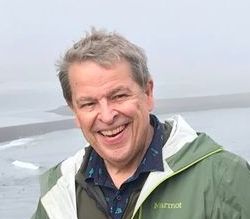
Dr. Alan Kolok is a professor of Ecotoxicology in the College of Natural Resources at the University of Idaho, and Director Emeritus of the Idaho Water Resources Research Institute. His research interests focus on the interplay between pollution and public health. He is currently writing his second non-fiction book, Generally Regarded as Safe, and is active as a Community Scientist in conjunction with AGU’s, Thriving Earth Exchange.

Tchelet Segev got her Bachelor and Master degrees from MIT in Civil and Environmental Engineering. She later moved to California, Alaska, Oregon, Arizona, and the Washington D.C. area working in natural resource management. While at MIT, she worked on various community science and water quality projects. Tchelet now works in environmental and social risk management on projects globally.
Becario científico comunitario

Ashley Knoch is a dedicated conservation scientist with a Ph.D. in Integrative Biology from Oklahoma State University. She’s passionate about using research to explore how people interact with the environment and applying that knowledge to foster positive conservation behaviors. Ashley has an extensive background in developing E-STEM curricula and leading outreach programs that connect diverse audiences to environmental issues. She has a particular love of bugs and invertebrate conservation. With a love for both research and education, she is committed to making a meaningful impact in conservation and inspiring others along the way.
Collaborating Organizations
Young People’s Guild Foundation
This project is supported by an entire community of people within Portsmouth, including the Young People’s Guild Foundation. You can learn more about the group and the work they do at the links below:
https://youngpeoplesguild.weebly.com
https://anthropocenealliance.org/the-young-peoples-guild-foundation/
Alianza Antropoceno
Anthropocene Alliance is the nation’s largest coalition of frontline communities fighting for climate and environmental justice composed of 70 communities in 22 states and Puerto Rico. They assist communities in understanding and addressing the impacts of flooding, water contamination, air pollution, and wildfires. The Anthropocene Alliance’s goal is to bring frontline communities together and amplify their voices so they can have safe, healthy, and equitable communities.
Status:
In-Progress,
Location:
Portsmouth,
Managing Organizations:
Anthropocene Alliance,
Thriving Earth Exchange,
Project Categories:
Flooding,
Health Impacts,
Water Pollutants,
Water Quality,
Project Tags:
No tags