
Healthy Land, Healthy Lives: Safeguarding Community from Environmental Harm
Desha County, Arkansas, United States
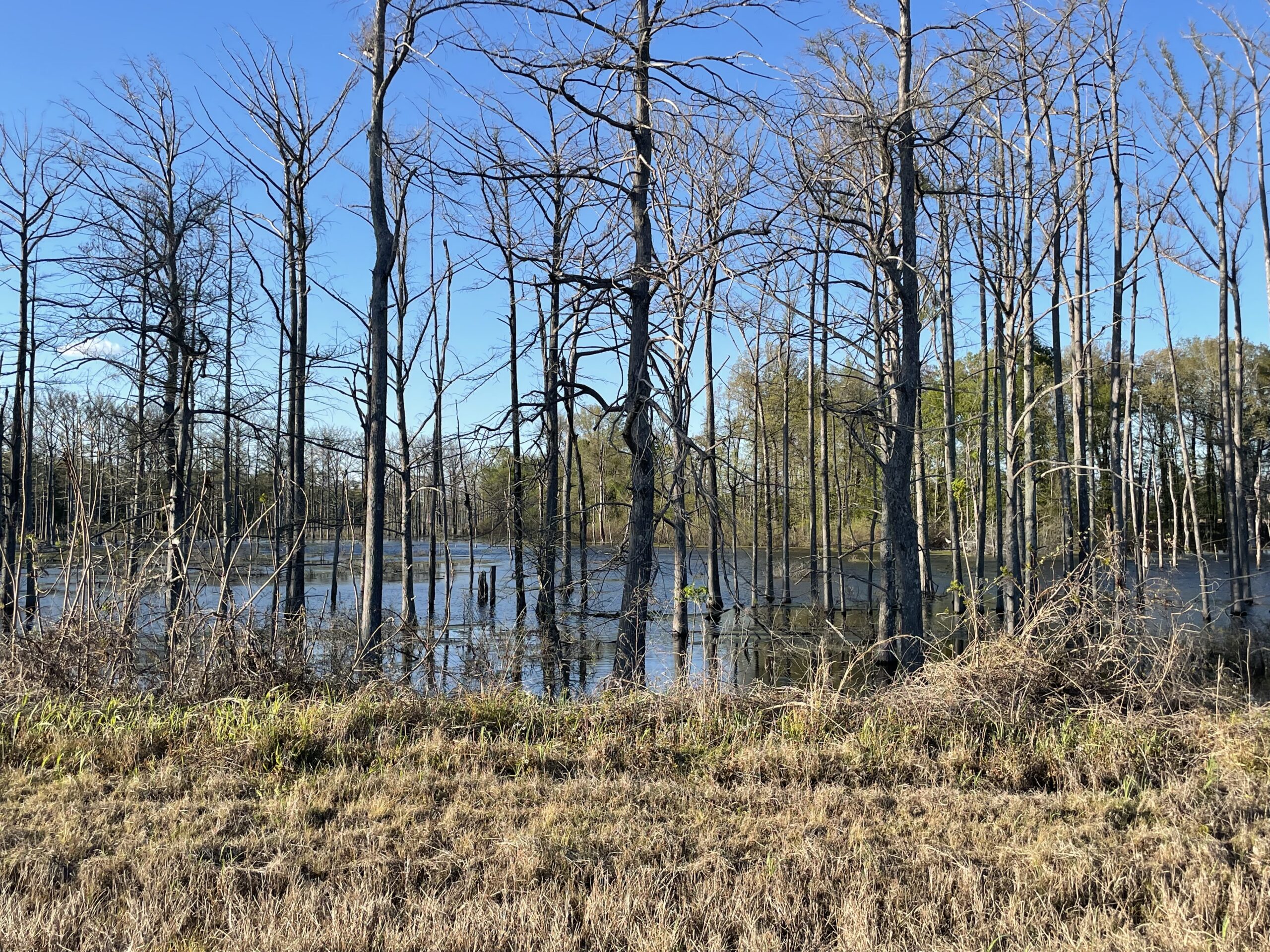
This project aims to understand how agricultural pesticide and herbicide use has affected environmental health in Desha County, Arkansas, and how changes in agricultural practices may contribute to increased flood risk. The project will integrate local community knowledge, historical research, environmental sampling of soil and surface water, and landscape change analysis to better understand links between land use, contaminants, and flood risks. Work on this project will be conducted in collaboration with community scientist(s), one with a background in ecology and agricultural contaminants and one with expertise in flood risk and landscape change. The project will produce accessible summaries, maps, and recommendations that support community awareness, healthier land management practices, and locally informed decision-making to improve environmental and public health resilience.
Description
About the Community
Desha County is in southeastern Arkansas and is a resilient, historically culturally rich community. The county’s landscape is characterized by flat Delta farmland, with agricultural production dominated by cotton and rice since the 1850s, and more recently soybeans beginning in the 1950s. Desha County lies at the convergence of three of North America’s largest rivers — the White, Arkansas, and Mississippi Rivers — and its natural vegetation historically consisted of swamp and forested alluvial plains, which contributed to highly fertile soils and abundant water resources for agricultural production. Agriculture practices have shaped the county’s landscape. It is estimated between 1940 to 1978, about 2.5 million acres of the Delta’s natural landscapes were cleared for farming productions. In the twenty-first century, advances in agricultural technology have resulted in consolidation toward predominantly large-scale operations; across Arkansas, approximately 11,000 farms were lost between 1997 to 2022. Today, Desha County serves as a hub for agricultural and shipping industries, with agriculture accounting for approximately 9% of local employment and remaining a central component of the county’s economy and land use.
Due to the county’s proximity to the three large rivers, this region is prone to large flood events. In 2019, Desha County was declared a federal disaster area after the Arkansas River crested approximately 6.6 feet above flood stage before emptying into the Mississippi River. Two years later, in 2021, the community experienced a historic flash flood event that exceeded the design capacity of local drainage systems by more than fourfold.
The local non-profit, Destination Transformation, has worked in southeastern Arkansas since the 1990s. The organization was initially founded to support individuals living with HIV and has since expanded its mission to address four interconnected focus areas: health, education/youth empowerment, energy/climate, and workforce development. Through this integrated approach, Destination Transformation works to support community resilience, address systemic inequities, and promote long-term economic and environmental sustainability across Desha County.
About the Project
This project aims to investigate the environmental health impacts of agricultural pesticide and herbicide use in Desha County, Arkansas, and to assess how changes in agricultural practices and associated contaminants may contribute to increased community flood risk.
Project activities will include qualitative and quantitative components. A community-informed literature review will focus on the past 15-25 years, documenting changes in agricultural practices, pesticide application methods, regulatory frameworks, and flood events. This review will integrate local historical sources, publicly available datasets, and community experiences to contextualize shifts in farming systems, landscape modification, and flood events. In parallel, scientist/s, who understand biogeochemistry and pesticide and herbicide toxicology, will collect soil and surface water samples at selected locations to assess the presence and relative concentrations of agricultural contaminants. Such analysis will help determine whether applied contaminants are influencing the die-off or regrowth of natural vegetation and whether concentrations meet applicable regulatory thresholds. Furthermore, landscape change detection using available geospatial data will be used to evaluate trends in agricultural land use, natural vegetation loss, and drainage modifications to support the assessment of increased flood risk as a potential byproduct of cumulative landscape change.
This project aims to deliver a community-accessible summary of findings with visual maps and data products, and a set of recommendations focused on improving natural vegetation buffers, land management practices related to pesticide and herbicide uses, and regulatory awareness. A community outreach session will be held to raise awareness about the research project and to elicit feedback from the community. Results will be shared through a community town hall meeting at the conclusion of the project. The Desha County community will benefit from increased awareness of potential connections between land management practices and flood risk, as well as actionable information to support local advocacy, restoration efforts, and policy discussions.
Timeline and Milestones:
Phase 1: November 2025 – January 2026:
- Complete scoping phase and publish project description on TEX Website
- Complete community agreement
Phase 2: January – March 2026:
- Identify Community Scientist(s)
- Develop a list of outreach events to plan for the upcoming year
- Conduct first few community outreach events to engage community members with project’s initiative
Phase 3: March 2026 – January 2027:
- Complete project’s literature review
- Conduct data collection and analysis
- Continue to conduct and engage with community members and provide quarterly updates when possible
Phase 4: February – April 2027:
- Share final project findings with the community
Project Team
Community Leaders

Dr. Dorotha Love Hall, a proud native of Dumas in Desha County, Arkansas, is the founding Executive Director of Destination Transformation. She has over 34 years of distinguished federal service with the Centers for Disease Control and Prevention (CDC—where she served as a Senior Program Manager. Dr. Hall returned to her roots to revive a nonprofit she originally launched during the HIV/AIDS epidemic in the 1990s. She now leads Destination Transformation across five of Arkansas’s most underserved counties: Arkansas, Desha, Drew, Jefferson, and Lincoln. We are committed to transforming lives by utilizing tools that address physical, mental, psychosocial, and economic needs. Our goal is to engage, educate, encourage, and enlighten people and communities about the possibilities that can transform their lives. Because our rural communities face persistent challenges due to limited resources and systemic disparities. DT proposes a strategic focus on climate and health equity, youth development, education, and workforce readiness, and strives to uplift every generation. DT envisions a future where small communities become vibrant economic ecosystems—engaged, empowered, and inclusive of every member.

Dr. Caroline May is a native of the Wolfe Project Community in Tillar, AR, located in Southeast Arkansas. She is a graduate of Delta Special High School in Rohwer, AR. Dr. May left the U.S. Fish & Wildlife Service to pursue her dream of becoming an Obstetrician Gynecologist. She subsequently obtained her Medical Doctorate at the University of Illinois Chicago, College of Medicine in Chicago, IL. She completed a residency in Obstetrics Gynecology at the Brookdale Hospital Medical Center in Brooklyn, New York. Dr. May returned to Arkansas, where she was in private practice for 18 years in the May Women’s Health Clinic in Little Rock, Arkansas. After the closure of the Clinic, Dr. May began employment with DePaul Community Health Center in Gould, Arkansas, where she is currently providing gynecological care. She is an outstanding Destination Transformation Board member leading health and youth initiatives.
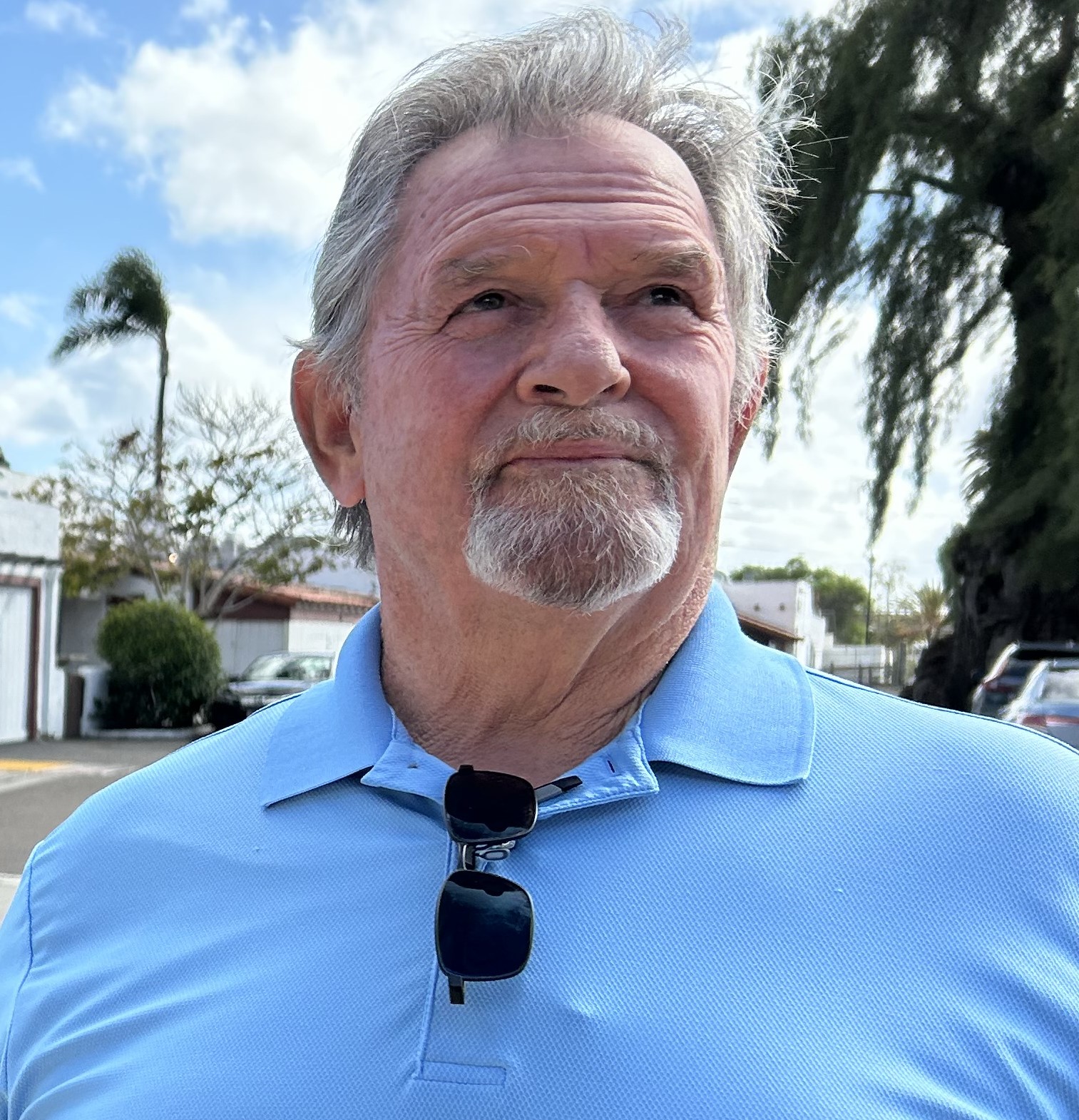
Thomas Wayne Hall has over five decades of experience in construction and public service. As a licensed general contractor in Florida, Georgia, and Arkansas, Mr. Hall has built and renovated hundreds of residential and commercial properties, earning a reputation for precision, problem-solving, and mentorship. His distinguished career includes facility management at U.S. Embassies in Kenya, Hati, and Angola, where he led safety compliance, and property management. Mr. Hall has led community-focused training in energy efficiency, solar power education, and home safety with the installation of smoke alarms, in partnership with the American Red Cross. Currently serving on the board Destination Transformation, Mr. Hall supports innovative energy and youth development initiatives His hands-on leadership and deep technical knowledge strengthen DT mission to create resilient, inclusive communities through education, service, and sustainable infrastructure.
Community Science Fellow
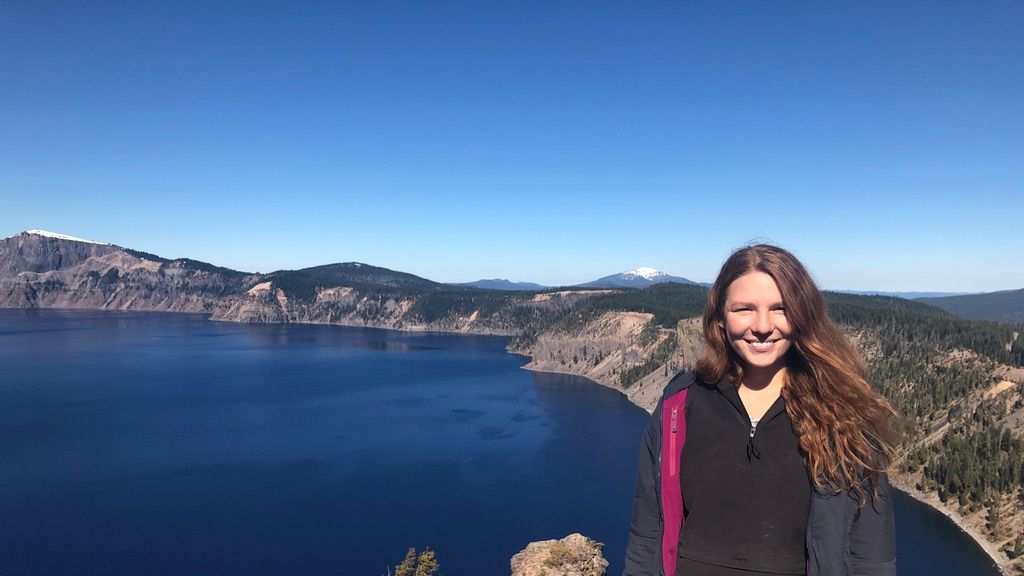
Caroline Cooper is a restoration scientist with a background in coastal and riverine morphology. Her professional and academic experiences range from participating in Arctic expeditions that investigated sediment transport regime shifts under warming climates to assessing bioaccumulation of contaminants at Superfund sites with the USGS. She earned her M.S. in Marine Science from the University of North Carolina at Chapel Hill and her B.S. in Marine Biology from the College of Charleston. As an interdisciplinary environmental scientist, she aims to advance applied science in support of communities and their environments.
Scientist Wanted
Scientist Role
The project team is seeking two community scientists to join the project:
1. The project team is looking for a scientist with expertise in agricultural contaminants, environmental chemistry, ecology, or a related field to collaborate on this community-driven research project. The ideal collaborator will bring experience with field-based sampling and analysis, and an interest in working closely with community leads. Local or regional knowledge of agricultural practices, land-use history, and environmental conditions in the Arkansas Delta is preferred.
Desired Skills and Qualifications:
- Experience assessing agricultural pesticides and herbicides in soil and/or water
- Familiarity with field sampling methods and contaminant analysis
- Knowledge of regional agricultural practices and ecological thresholds related to agricultural pesticides and herbicides.
- Familiarly with geospatial platforms like ArcGIS or QGIS
- Interest in community-engaged or applied environmental research
- Ability to collaborate with local residents and nonprofit partners
- Excited about the project!
2. The project is also seeking a scientist with a background in assessing landscape change related to flood mapping, flood risk, flood mitigation practices, or related fields. The ideal collaborator will have experience with, or strong interest in, participating in community-driven research. Local or regional knowledge and knowledge of flooding in the Arkansas Delta is preferred.
Desired Skills and Qualifications:
- Experience assessing flood risk or flood-related landscape change
- Proficiency with geospatial platforms like ArcGIS or QGIS
- Knowledge of regional flood conditions, landscape dynamics, and nature-based flood mitigation practices
- Interest in community-engaged or applied environmental research
- Ability to collaborate with local residents and nonprofit partners
- Excited about the project!
Thriving Earth Exchange asks all scientific partners to work with the community to help define a project with concrete local impact to which they can contribute as pro-bono volunteers and collaborators. This work can also position the scientists and communities to seek additional funding, together, for the next stage. Unsure if you’re the right fit for this project? Reach out to us via email at [email protected] to learn more.
Scientist Role
The project team is seeking two community scientists to join the project:
1. The project team is looking for a scientist with expertise in agricultural contaminants, environmental chemistry, ecology, or a related field to collaborate on this community-driven research project. The ideal collaborator will bring experience with field-based sampling and analysis, and an interest in working closely with community leads. Local or regional knowledge of agricultural practices, land-use history, and environmental conditions in the Arkansas Delta is preferred.
Desired Skills and Qualifications:
- Experience assessing agricultural pesticides and herbicides in soil and/or water
- Familiarity with field sampling methods and contaminant analysis
- Knowledge of regional agricultural practices and ecological thresholds related to agricultural pesticides and herbicides.
- Familiarly with geospatial platforms like ArcGIS or QGIS
- Interest in community-engaged or applied environmental research
- Ability to collaborate with local residents and nonprofit partners
- Excited about the project!
2. The project is also seeking a scientist with a background in assessing landscape change related to flood mapping, flood risk, flood mitigation practices, or related fields. The ideal collaborator will have experience with, or strong interest in, participating in community-driven research. Local or regional knowledge and knowledge of flooding in the Arkansas Delta is preferred.
Desired Skills and Qualifications:
- Experience assessing flood risk or flood-related landscape change
- Proficiency with geospatial platforms like ArcGIS or QGIS
- Knowledge of regional flood conditions, landscape dynamics, and nature-based flood mitigation practices
- Interest in community-engaged or applied environmental research
- Ability to collaborate with local residents and nonprofit partners
- Excited about the project!
Thriving Earth Exchange asks all scientific partners to work with the community to help define a project with concrete local impact to which they can contribute as pro-bono volunteers and collaborators. This work can also position the scientists and communities to seek additional funding, together, for the next stage. Unsure if you’re the right fit for this project? Reach out to us via email at [email protected] to learn more.
Status:
Scientist Wanted,
Location:
Arkansas,
Desha County,
Managing Organizations:
Thriving Earth Exchange,
Project Categories:
Project Tags:
No tags