
Tratamiento del efecto sobre la salud pública de la contaminación del agua de pozo por uranio natural
Glastonbury, Connecticut, United States
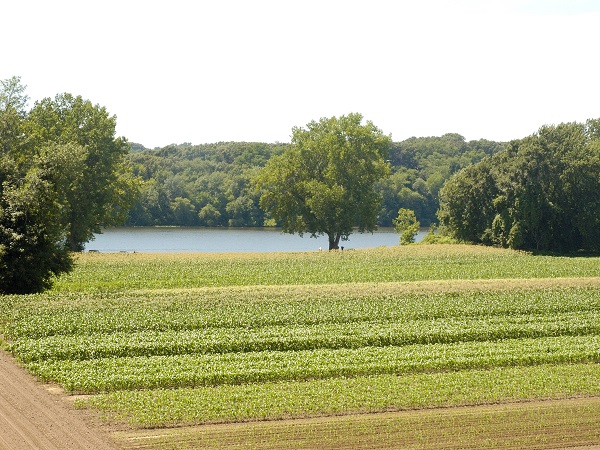
Uranium occurs naturally and can be found in certain types of rock. In Glastonbury, Connecticut, high uranium levels in private drinking water wells are associated with gneiss granite, which underlies a significant part of this historic, riverfront town. Thriving Earth Exchange worked with community leaders to understand how uranium is affecting the town’s water supply, what potential solutions could look like and how best to communicate with Glastonbury residents about the issue.
Descripción
Project Timeline
This project launched on December 9, 2019. As of summer 2021, the project is concluding and Glastonbury’s leadership is now looking into potential strategies and solutions to address uranium contamination.
Resumen del proyecto
Located in central Connecticut and stretching along nearly nine miles of the Connecticut River, Glastonbury is one of the state’s largest and oldest municipalities. Because of its extensive riverfront property, water has been integral to the town’s history and development. Glastonbury prides itself in its thriving agriculture, land preservation, expansive recreational opportunities, and nationally recognized Riverfront Park, all of which are supported by the town’s river access.
Unfortunately, Glastonbury residents that rely on private wells have recently faced the challenge of naturally occurring uranium contamination in their drinking water. As of September 2019, thirty four percent of the tested private drinking water wells exceed the Environmental Protection Agency’s maximum contaminant level of 30 ppb, exceptional cases by several orders of magnitude. Glastonbury’s vulnerability to uranium contamination may be greatly influenced by the presence of Glastonbury Gneiss granite, which underlies a significant section of town. Glastonbury Gneiss has been associated with elevated levels of naturally occurring uranium.
Glastonbury’s dedication to its residents is clear, having won multiple awards for being one of the safest, most sustainable and environmentally responsible, and community-driven municipalities in the state of Connecticut. Glastonbury is continuing this commitment to a high quality of life for residents by working to ensure all community members have access to clean drinking water.
Before the Thriving Earth project began, the town had already started efforts to understand the scope of contamination in Glastonbury and surrounding areas. Through town-wide testing of private wells, uranium in two separate neighborhoods has been identified at higher rates and elevations than other areas of town. Test results from nearly 750 well samples throughout town provided some understanding of the extent of the contamination. Residents were given information at a public forum when the first neighborhood identified high uranium in their well water, and multiple articles have since appeared in local press and through town notification systems.
Glastonbury is wants to work with experts to better understand the effects of uranium contamination, the factors that contribute to water contaminants, and the potential impact from well water treatment backwash systems, and will use this research to develop a strategy to best address this challenge facing town residents. Town leadership has determined that the most pressing priority is to encourage residents to transition from well water to public utilities. This, however, is expected to come at a cost to the public. Therefore, Glastonbury is seeking grant funding opportunities that would offset the financial investment required to extend public water. Addressing the cost implications will be particularly challenging as resident interest and support varies largely based on homeowners’ individual well results and/or their property’s proximity to the neighborhoods of interest. Throughout this process, the town’s objective is to foster stronger buy-in from all community members, and to communicate that remediation and associated expenses will benefit the public health of all residents.
El proyecto
The Glastonbury Thriving Earth Exchange project team identified four primary objectives:
- Gain a stronger understanding of the impacts of naturally occurring uranium contamination on human health;
- Understand the factors (e.g. bedrock, well depth/location) that change or contribute to well water contaminants (e.g. uranium) in groundwater;
- Understand how other U.S. communities have been affected by naturally occurring uranium contamination and how they addressed it, including use and impact of water treatment wastewater disposal systems;
- Develop a public communication campaign on the dangers of uranium contamination to share with residents along with recommendations on how to proceed in the best interest of the community.
Resultados del proyecto
Outputs included:
- Two reports outlining the effects of naturally occurring uranium contamination and how other communities have persevered. One report should be prepared for public consumption and the second should be tailored towards policy-makers.
- Public meeting with a scientific expert that invites community members to better understand the gravity of naturally occurring uranium groundwater contamination on their and the community’s health. The public meeting should include the summary of findings and recommendations.
Equipo del proyecto
Líderes comunitarios

Richard J. Johnson is the Town Manager for Glastonbury and will serve as the main point of contact for the project. Mr. Johnson has served as the Glastonbury Town Manager since 1993. Prior to assuming his current position, he served as Assistant Town Manager for approximately 7 years and has held a variety of municipal management positions throughout his career. Over the past 3 decades, his leadership has helped Glastonbury maintain its standing as a highly desirable place to work, live, play, and do business. Many of the projects he has helped manage have been recognized on a national and local level and have served to benefit the community and all facets of Town operations. He continues to identify ways to further improve the high quality of life in Glastonbury while maintaining the delicate balance of progress and preservation.

The second point of contact for this project is Wendy S. Mis, Glastonbury Director of Health. Wendy has worked in the local public health sector for over 33 years in both environmental and community health and has served as the Glastonbury Director of Health since 2014. Wendy has a background in health education and community partnerships and has collaborated with numerous agencies and organizations to provide public health programs at the local level. Since joining the Glastonbury management team, Wendy has played a lead role in several successful projects and assisted the town in earning formal recognition for its public health initiatives.
Science Liaisons
Hari Kandel is an Assistant Professor at Lake Superior State University in the School of Natural Resources and Environment. Bio coming soon!
Rachel Coyte is a Ph.D. Candidate at Duke University in North Carolina in the Nicholas School of the Environment. Bio coming soon!
Becario científico comunitario

Caitlyn Hall es estudiante de doctorado en la Universidad Estatal de Arizona. Su investigación se centra actualmente en el fomento de la sostenibilidad y la resistencia a los peligros naturales mediante el uso de microbios para reducir los daños causados por la licuefacción provocada por terremotos. Trabaja con líderes de la industria, la comunidad y el gobierno para desarrollar las soluciones técnicas y políticas más adecuadas a los retos y valores de una comunidad. Otras de sus líneas de investigación son la agricultura en entornos controlados, el uso sostenible de recursos para la agricultura urbana y la utilización de métodos bioquímicos para remediar suelos contaminados por petróleo. Para divertirse, Caitlyn practica escalada y trail running.
Status:
Complete,
Location:
Connecticut,
Glastonbury,
Managing Organizations:
Thriving Earth Exchange,
Project Categories:
Natural Hazards,
Project Tags:
No tags