
Beavers, wetlands, and flooding in rural Vermont: Investigating how coexistence strengthens ecological resilience
Orange, Vermont, United States
Breve descripción
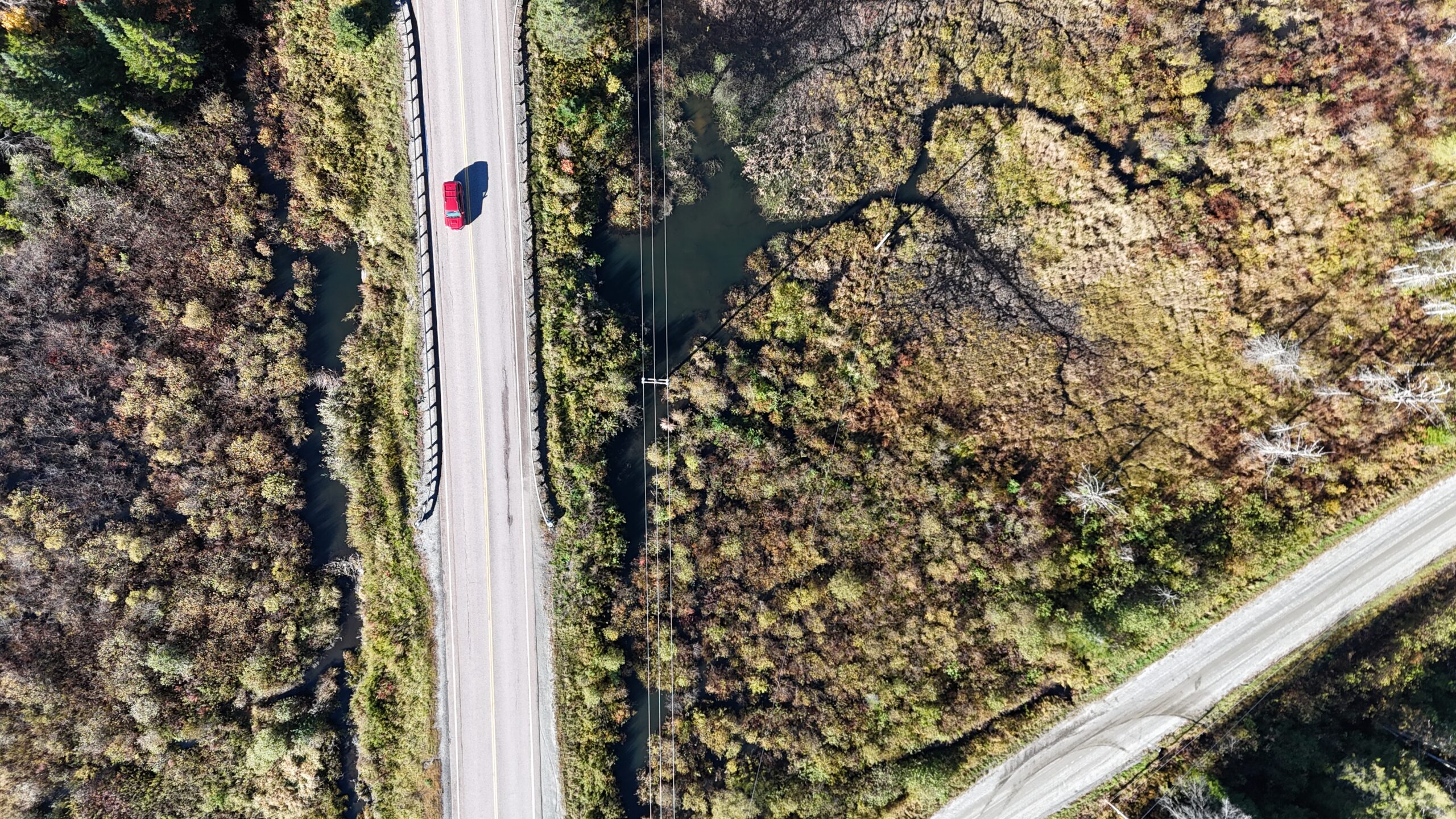
Sage Mountain Botanical Sanctuary and their neighbors in Orange, Vermont have been impacted by increasingly catastrophic flooding in recent years, leaving the rural community stranded while infrastructure is slowly repaired. The surrounding area is forested and full of incredible wildlife, and beavers have recently returned to inhabit a wetland on property managed by SMBS, after SMBS worked with state agencies to end lethal trapping on their land. The community would like to better understand their ecology and flood risk, striving to create a future where they are able to coexist with beavers and other wildlife, maintain infrastructure, and increase their resilience to flooding. They are looking for expertise in wetland science and hydrology, as well as wildlife ecology, to help establish ecological monitoring protocols that will inform future land management, education, and advocacy work.
Descripción
Acerca de la Comunidad
Orange, Vermont is a small, rural community of about 1000 people in central Vermont. The community is tight-knit and independent. Like many small Vermont towns, the Town of Orange is predominantly white, working-class, and aging, with a median household income below state averages and limited access to professional technical resources — making partnerships like this one with Thriving Earth Exchange especially meaningful.
In disadvantaged rural towns, disaster recovery is slower and harder; limited tax bases, aging infrastructure, and fewer professional resources compound the impacts. The neighbors are farmers, loggers, teachers, parents, and elders—many living in the same place for generations—alongside newer residents seeking a life rooted in Vermont’s natural beauty. The community shares an ethic of self-reliance and mutual aid, yet many lack access to the scientific tools, policy pathways, and funding opportunities needed to address escalating climate threats.
The surrounding landscape is forested, with farms and wetlands speckled throughout, serving as an important wildlife corridor for bears, moose, and other wildlife. Sage Mountain Botanical Sanctuary (SMBS) manages 800 acres of land in the area, and runs educational and outreach programs for visitors of all ages and backgrounds. With the support of the community, SMBS would like to better understand the ecosystem and hydrology to inform long-term ecological and flood planning, both for SMBS and for the town of Orange.
Sage Mountain’s engagement with this issue has deep roots in the community. After working with state agencies to end lethal trapping on their land, beavers returned to the wetlands near Route 302, setting the stage for a landmark 2025 partnership with the Vermont Agency of Transportation — Vermont’s first formal public-private coexistence collaboration — to install a flow device at Culvert #17 on Route 302. The success of that installation, which ended years of costly dredging and restored wetland health, has made the site a focal point for education and advocacy. With support from the Lintilhac Foundation and the Vermont Community Foundation’s Environmental Justice Program, SMBS has hosted community education events including “Leave it to Beavers” workshops bringing together wildlife professionals, landowners, and municipal stakeholders. These programs have drawn in neighbors — farmers, loggers, and newer residents alike — many of whom have gone on to testify at selectboard meetings and state agency hearings alongside this project’s Community Leads, Rod and Emily.
Sobre el proyecto
Over the course of this project, the community hopes to develop ongoing monitoring protocols related to hydrology and flooding, ecological assessments related to wetland health, water quality, and wildlife habitat to help understand the impacts of a nearby highway, restoration activities, and beaver activity.
In the long term, this data will help support and inform the following goals of Sage Mountain Botanical Sanctuary and their community:
- To create a toolkit and educational programming for agencies and other landowners relating to human-beaver coexistence and infrastructure maintenance.
- To develop long-term management plans relating to wetland restoration, water quality, invasive species management, and wildlife.
- To create educational materials and opportunities for visiting K-12 students and community members.
- To increase flood resilience: understanding the flood mitigation capacity of their wetland, and developing nature-based solutions to increase the community’s flood resilience.
The community expects that these scientists will come from a background in wetland science, hydrology, ecological engineering, hazard mitigation, or wildlife ecology, but welcome anyone who feels they have knowledge to contribute!
Calendario e hitos
This project will unfold over a 12–18 month period, beginning with scientist recruitment and baseline assessment and moving through ecological monitoring, data analysis, and community-facing knowledge sharing. Timing is designed to align with Vermont’s field seasons and Sage Mountain’s existing educational calendar.
Spring/Summer 2025 (completed prior to TEX engagement)
- Installation of Vermont’s first VTrans public-private beaver coexistence flow device on Route 302 culvert (July 10, 2025), establishing a documented proof-of-concept for the project’s core goals
- Year 1 ecological and infrastructure monitoring begins informally
Winter–Spring 2026
- Project description finalized and published on TEX website
- Scientists/experts recruited and onboarded to project team
- Site visit(s) conducted; baseline wetland, hydrological, and wildlife habitat conditions assessed
- Monitoring protocols co-developed with scientific partner(s)
Summer-Fall 2026
- Field season: baseline data collection begins (hydrology, wetland health indicators, water quality, wildlife habitat connectivity)
- Coordination with STEAD/STRIVE student program and Sage Mountain’s youth programming for engagement opportunities
- Community site walk or education event hosted
- Data analysis and synthesis in partnership with scientist(s)
- Draft landowner/agency coexistence toolkit development begins
Winter 2026–Spring 2027
- Final data synthesis and reporting
- Coexistence toolkit and educational materials completed
- Results presented to Vermont legislative committees and agency partners (VTrans, ANR, DEC)
- Project outcomes shared via TEX blog, press release, and/or community event
- Roadmap developed for long-term monitoring continuation and potential next-phase funding
Equipo del proyecto
Líderes comunitarios
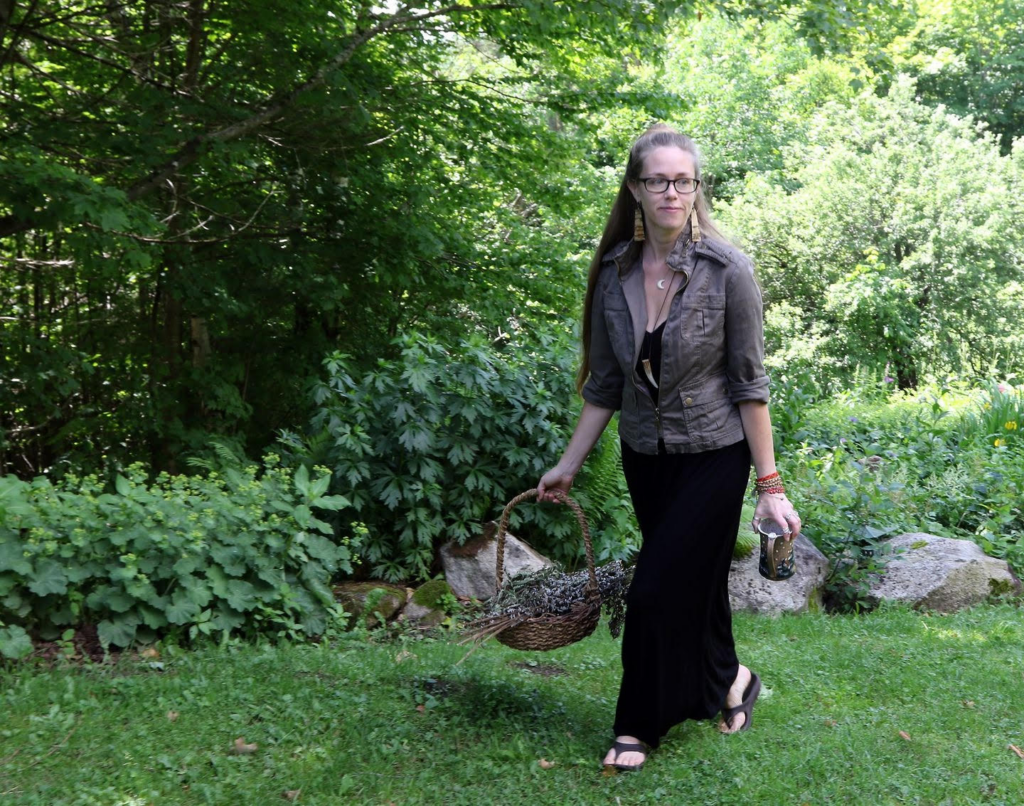
Emily Ruff is an ethnobotanist and community herbalist who has practiced the art and science of plant healing for twenty five years. Emily is founder of the Florida School of Holistic Living and the Florida Herbal Conference, and serves as Executive Director of Sage Mountain Botanical Sanctuary, where she teaches trauma-informed herbalism through a lens of collective liberation, provides training in mental health first aid, and is active in conservation advocacy. Emily is a recipient of the American Botanical Council’s Mark Blumenthal Community Builder Award and serves on the Central Vermont Clean Water Advisory Council.
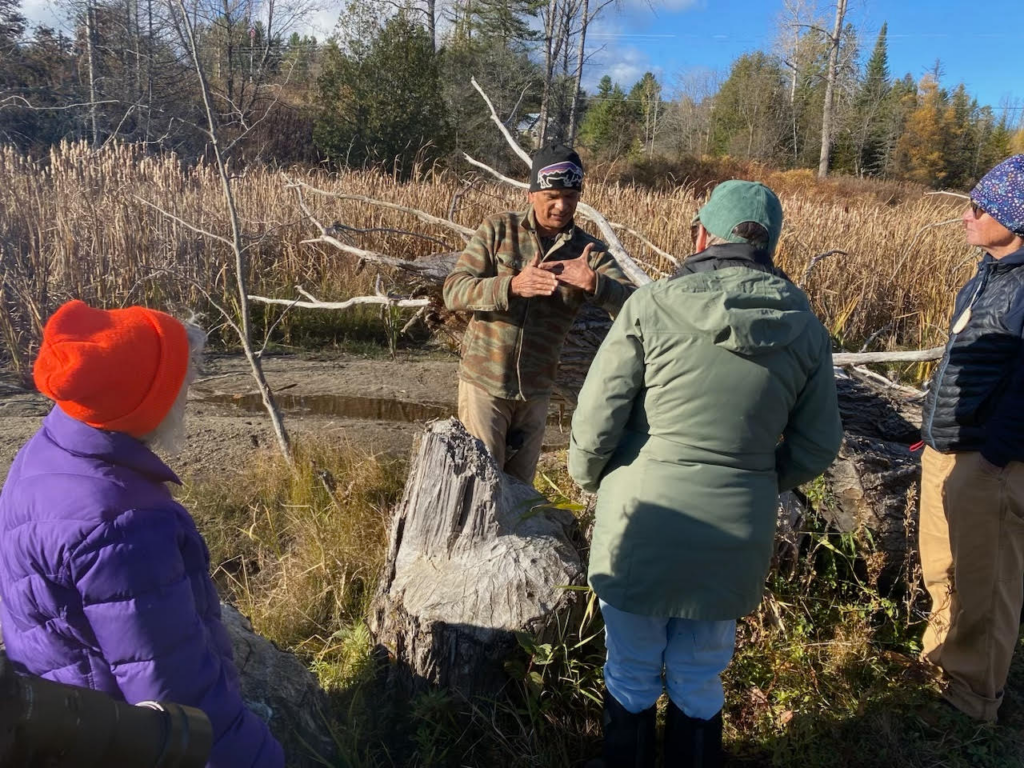
Rod Coronado hails from the Yaqui Nation of southern Arizona and northern Mexico, but was raised in the San Francisco Bay Area where his father introduced him to trout and salmon fishing. He has spent his life advocating for the preservation of threatened and endangered wildlife and in Vermont can be found regularly at Fish & Wildlife board meetings or the Capitol where he continues to speak on indigenous and wildlife issues. Rod is the founder of Vermont Wildlife Patrol and serves as Director of Wildlife Programs for Sage Mountain Botanical Sanctuary.
Científico comunitario
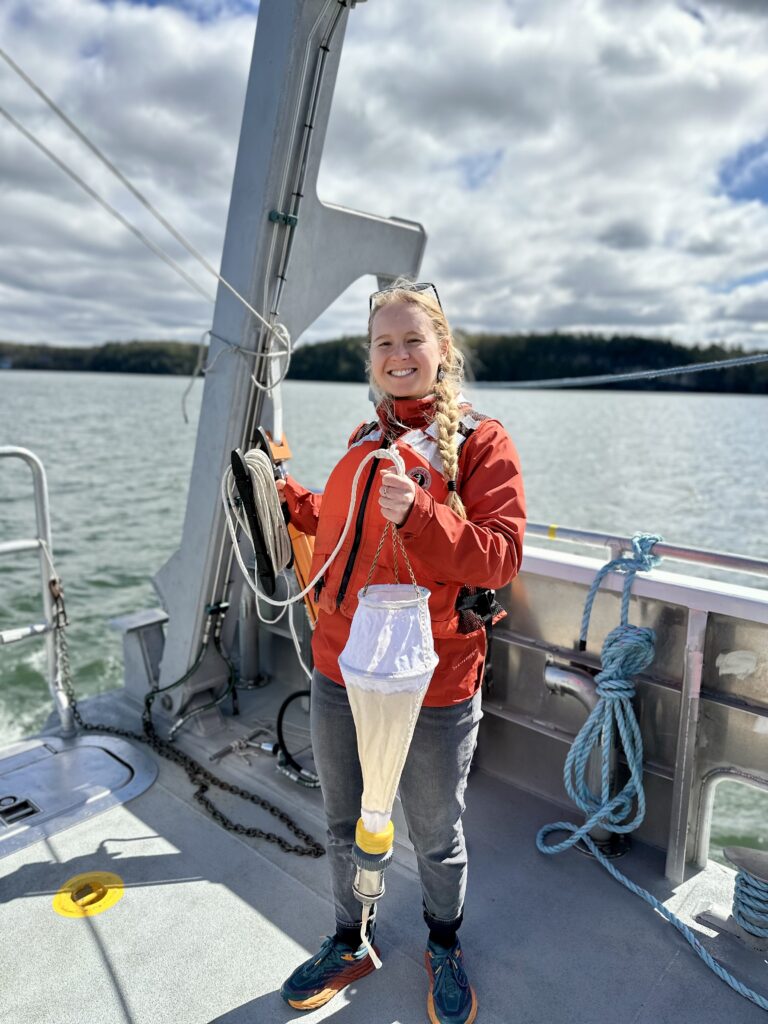
Alison Spasyk is the Flood Resilience Educator with Lake Champlain Sea Grant. In this role, Alisonhelps promote community flood resilience by providing outreach and education on the topics of science-based watershed management and strategies supporting flood resilience. She recently received her master’s degree in Natural Resources from the University of Vermont, where she researched the outcomes of the Lake Champlain Sea Grant’s K-12 watershed education programs.
Becario científico comunitario
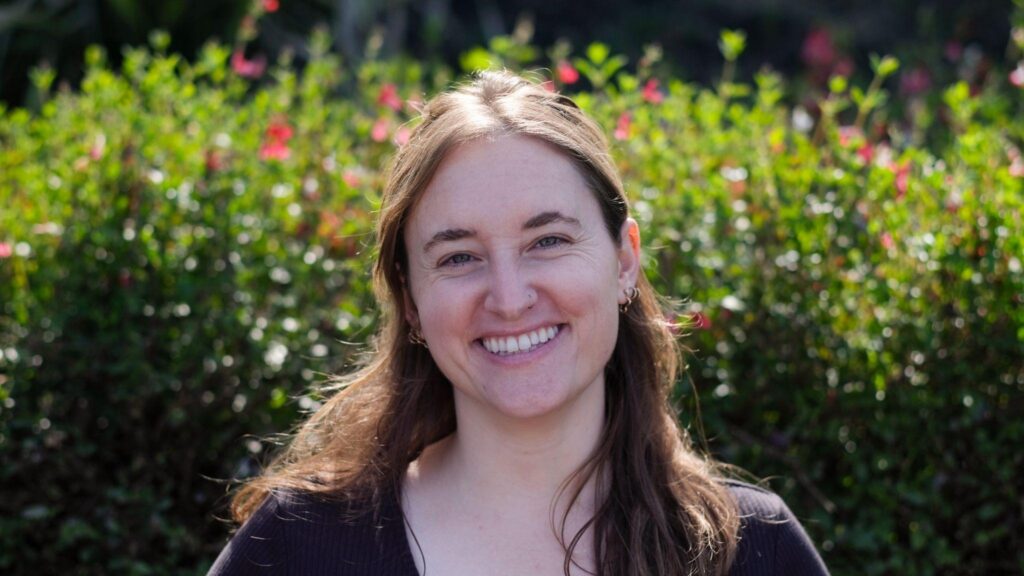
Tara Harmon is an interdisciplinary ecologist from California with a background in ecological restoration, environmental education, forest and fire ecology, and collaborative management. She supports the team from Orange, Vermont through project facilitation and coordination of scientific expertise.
Se busca científico
The community is seeking help from a scientist(s) who can help better understand their ecosystem and its interacting parts as they pertain to ecosystem health, wildlife habitat, and flood mitigation. The community seeks to establish ecological monitoring plans, understand local flood risk, and the broader area’s hydrology and wildlife habitat connectivity. The community hopes this data can inform long-term management plans, nature-based solutions, educational material, and future advocacy work.
The community expects that these scientists will come from a background in wetland science, ecological engineering, hazard mitigation, or wildlife ecology, but welcome anyone who feels they have the knowledge to contribute!
Desired Skills and Qualifications :
- Expertise in some (you don’t need all!) of the focus areas: hydrology, wetland science, wildlife ecology, and/or flood mitigation. Ability to help establish monitoring protocols in these areas.
- If participating in a field component, scientists will need to be based in Vermont or the northeast, with the ability to travel to Orange, Vermont. However, some components of the project may not require fieldwork, and it may be possible to engage remotely using existing data.
- Working knowledge of relevant ecology
- Working knowledge of regulatory landscape preferred, but not required (Vermont Conservation Design, Biofinder, etc.)
- Experience and/or desire to participate in community and youth education, outreach, and engagement.
- Strong ethic of conservation, collaboration, and inclusivity.
Thriving Earth Exchange asks all scientific partners to work with the community to help define a project with concrete local impact to which they can contribute as pro-bono volunteers and collaborators. This work can also position the scientists and communities to seek additional funding, together, for the next stage. Unsure if you’re the right fit for this project? Reach out to us via email at [email protected] to learn more.
¿Le interesa trabajar como científico voluntario? ¡Inscríbete ya!
Status:
Scientist Wanted,
Location:
Orange,
Managing Organizations:
Thriving Earth Exchange,
Project Categories:
Flooding,
Natural Disasters,
Natural Hazards,
Wetlands,
Project Tags:
No tags