
Solving Climate Risk: Detangling the factors behind flooding in Warrenton, Warren County, North Carolina
Warrenton,
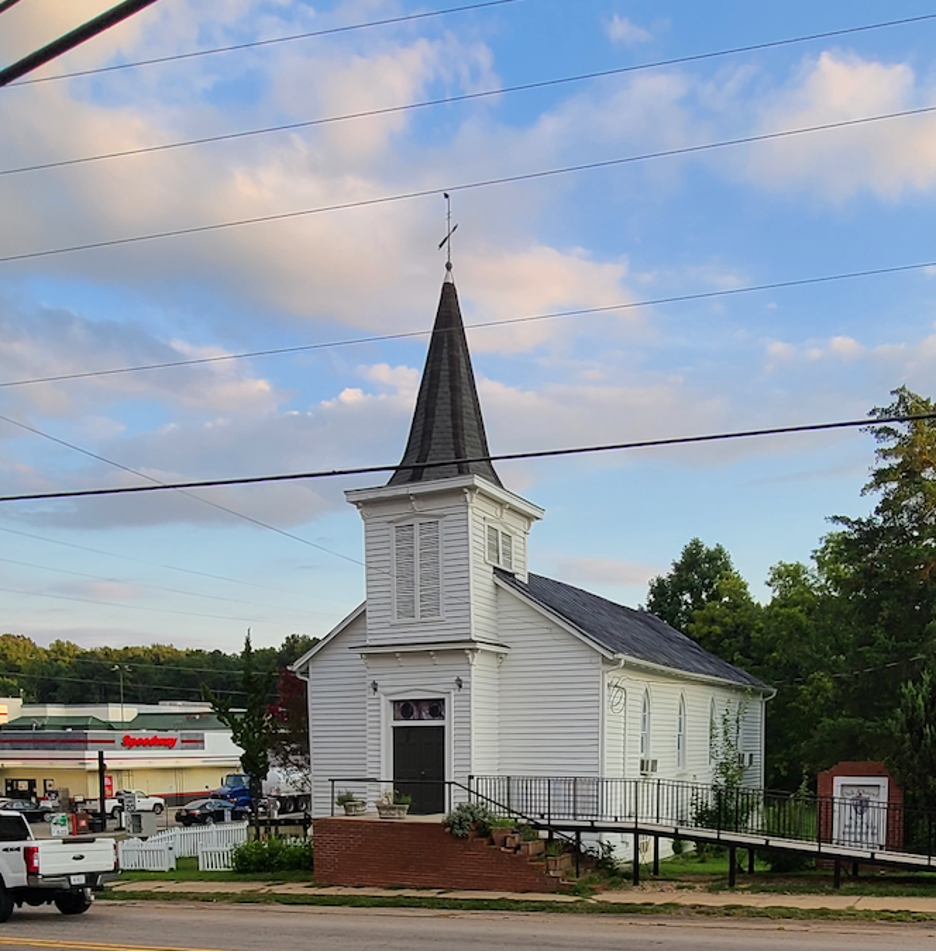
Flooding has become a major risk threatening historic properties in Warrenton, North Carolina, particularly during intense storm events triggered recently by climate change. Despite awareness of these flooding issues, the factors causing overflowing waters and its consequences remain understudied, posing challenges for effective flood management and protection of historic properties during storms. Poor commercial drainage management has been identified as a potential driver contributing to extreme flooding in downtown areas, which may be the dominant factor in Warrenton. This project aims to investigate the major factors causing flooding in the Oak Chapel AME Church community located in Warrenton, North Carolina, with commercial drainage problems into consideration. The findings from this project will inform the development of flood management policies for the Oak Chapel AME community and its surroundings. The community envisions that the outcomes will educate communities about the underlying mechanisms of flooding and provide valuable insights for mitigating flood risk in communities facing similar threats.
Description
About the Community
Oak Chapel AME Church community is a group of concerned local residents (grassroots) dedicated to protecting their historical church properties from flooding-related problems. With over 150 years’ history, the church as one of African-American-historic icons in Warren County, is a cultural and spiritual home that nurtured and empowered thousands of local citizens. The majority of the church community is African American, ranging in age from teenagers to retired elders. Surrounding Oak Chapel AME church are commercial properties (i.e., drug stores, Dollar Trees, and gas stations) and residential houses, predominantly located in the upper hills. These commercial and residential areas potentially contain impaired drainage and septic systems, leading to overflowing waters in and around the church. During rainy seasons such as spring and early summer, large amounts of water and associated runoff accumulate within the church areas, threatening the integrity of the historic church properties. The potential loss of over 150 years of history and cultural heritage is a significant concern. It is very urgent to study the factors (i.e., natural reasons or commercial poor drainage maintenance) contributing to these overflowing water problems in the church community and develop a plan to effectively manage the flooding to protect the church property.
About the Project
The priority goal of this project is to identify factors contributing to the flooding in church areas and surrounding neighborhoods, specifically investigating whether poor commercial drainage maintenance is the primary cause of the overflowing waters. The project team will collaborate with the community scientists to collect data and determine the dominant drivers of the flooding in church communities. The outcome of the project will directly benefit the church communities, support entire Warreton communities prone to flooding, and promote the development of water management plans that protect the historical properties. The project is open to working with local teenagers, providing educational opportunities to understand hydrology and nurturing future scientific leaders. Throughout the project, data collection processes and major outcomes will be reported in local online media (i.e., Warrenist TV Channel, Radio Station WARR, Warren Record, Henderson Dispatch, etc.) to raise citizen awareness of the flooding problems, support communities beyond the church to resolve overflowing waters, and educate local citizens in scientific aspects. The data evidence will also be shared with potential government agencies or officials to develop an effective flood management plan that benefits not only the Warrenton communities but also areas facing similar challenges.
Timeline and Milestones:
Phase 1: Set up scopes and connect with the community scientist (duration 3 months)
Milestone A: accomplish the project description
Milestone B: recruiting a qualified community scientist
Phase 2: Design the project (duration 1-2 months)
Milestone C: communicate with the community scientist and solidify the timeline/ goals of the project
Milestone D: develop actionable research plans and estimate study budgets
Phase 3: Launch the project plans (duration 10-12 months)
Milestone E: coordinate with all team members to ensure all goals are met
Phase 4: Post-launch reports (duration 2 months)
Milestone F: social media and necessary research papers/ publications
The project team aims to finish the project within 12-18 months.
Project Team
Community Leader
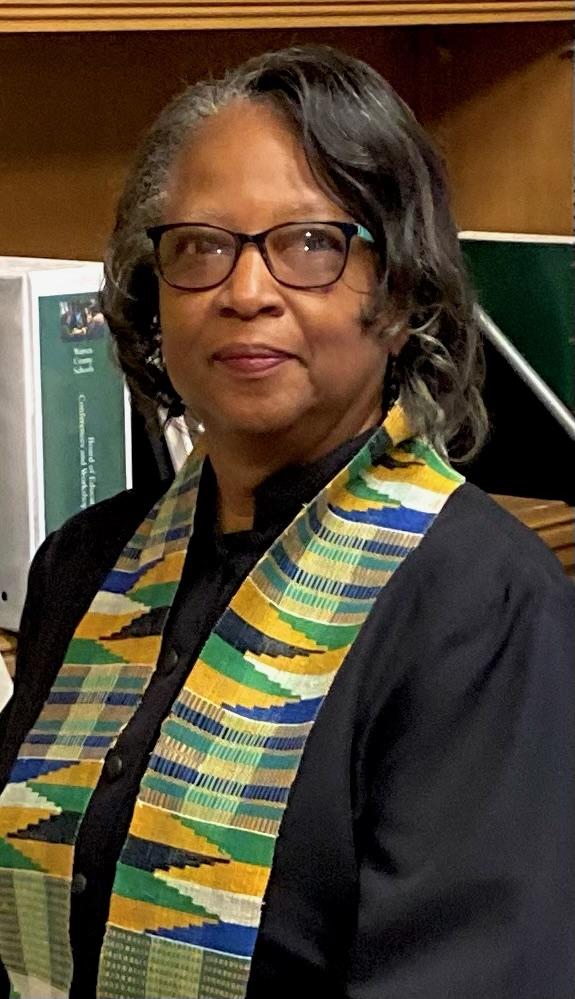
Cathy Alston-Kearney is committed to helping families thrive. As founding executive director of Warren Family Institute, a family centered community development corporation, she worked for 20 plus years to help rural families navigate the challenges of chronically low wealth communities. All of Cathy’s professional and personal endeavors are grounded in her faith. She pastors Oak Chapel AME Church, a 154-year-old activist congregation with a mission to restore, empower, affirm and love people into living their best selves through a maturing relationship with Jesus Christ. She is also congregation coordinator for Living the Word Justice and Equity Ministry’s Warren Cohort. And she is the founder of Hope for Healing Ministries. Cathy and her late husband George have four adult children and “three glorious grandsons.”
Community Scientists
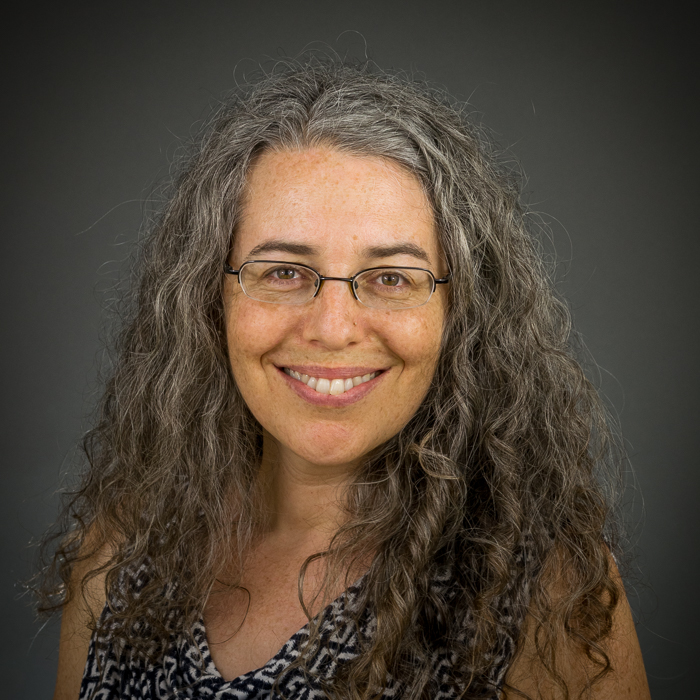
Caren Cooper, PhD is a professor of public science in the College of Natural Resources at North Carolina State University. She is author of Citizen Science: How Ordinary People Are Changing the Face of Discovery and co-author of The Field Guide to Citizen Science: How You Can Contribute to Scientific Research and Make a Difference. She contributes to field-building through her scholarship and supporting practitioners through leading co-creation efforts, such as the Data Ethics Toolkit and the Inclusive, Diverse, Equitable, Accessible, Large-scale (IDEAL) program. She created the Citizen Science Campus program at NC State, including a graduate Certificate in Participatory Sciences, a Citizen Science Project Incubator, and annual campus engagement events. Cooper led the committee to create the journal Citizen Science: Theory and Practice and serves as special collections editor (2020+) and associate editor-in-chief (2023+). She served on the Board of Directors of the Association for Advancing Participatory Sciences (formers the Citizen Science Association; 2017-2020) and currently on the Board of EarthWatch (2022+).

Manmeet Singh is Distinguished Postdoctoral Fellow at the Jackson School of Geosciences, The University of Texas at Austin, Austin, USA. He served as a Staff Scientist at the nodal national lab on weather and climate in India, Indian Institute of Tropical Meteorology, Ministry of Earth Sciences, Govt of India for 11 years from 2013-2024. He was also a Fulbright-Kalam fellow at the Jackson School of Geosciences, The University of Texas at Austin in 2021. His research interests include climate solutions to the problems on land, ocean and atmosphere using mathematical models, particularly numerical weather prediction systems. He is especially interested in AI/ML techniques, causal approaches, recurrence plots, complex networks and non-linear time series analysis for solving grand challenges in Earth System Science. He is an experienced climate modeller having contributed to the IITM Earth System Model simulations towards the IPCC AR6 report. Together with his PhD co-advisor, he developed and coupled the aerosol module of the IITM Earth System Model. He is active in teaching and has given invited talks at venues such as the NASA/UAH Seminar series, Microsoft India podcast among others. His PhD focussed on the impacts of the proposals suggesting volcanic eruptions as an analogue of solar geoengineering to halt climate change. Recently, his work has shown substantial improvements in high-impact short-range numerical weather predictions using deep learning and he has also developed novel physics inspired deep learning algorithms for high-resolution downscaling.
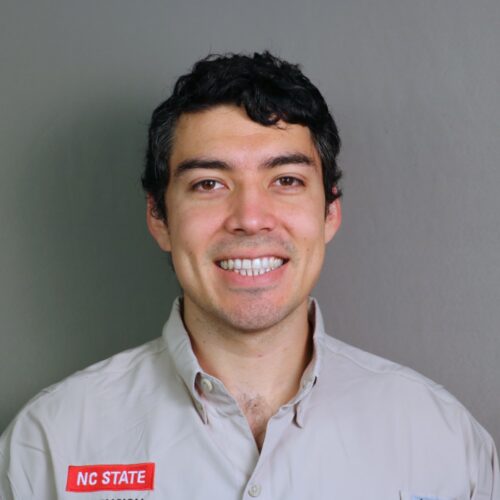
Vinicius Taguchi is a Stormwater Extension Associate at North Carolina State University, where his work focuses broadly on urban green stormwater infrastructure projects and helping communities become resilient to climate change. He is most passionate about implementing solutions together with communities in ways that empower them and prevent displacement through green gentrification. Vinicius also serves as the current president of the Twin Cities chapter of the Japanese American Citizens League, a civil rights organization committed to fighting for social justice for all those who are victimized by injustice and bigotry.
Seana Finn is a graduate research assistant at North Carolina State University in the Parks, Recreation, and Tourism Management department. Her research focuses on the use of participatory science as a tool for both environmental conservation and public education, with an emphasis on water quality issues and watershed management. She is particularly interested in community-driven data collection and using that data to help inform decision-making. Seana is eager to bridge the gap between research and practice by creating meaningful, collaborative partnerships with local communities.
Community Science Fellow

Tianyin (Tia) Ouyang is a doctoral student majoring in chemical oceanography at the University of Delaware. Her research primarily focuses on identifying the sources and controlling factors of chemicals (including nutrients, organic carbon, and potential pollutants) present in Delaware’s water bodies and aims to develop a conceptual model to predict chemical variations in estuarine and coastal water systems. Tia actively engages in outreach activities and serves as a co-leader of Citizen Advisory Committee outreach working groups at the Center for the Inland Bays to facilitate communication of research findings with diverse audiences on the benefits of achieving water quality goals, resolving community concerns, and improving natural resource health. She is very excited to extend her interests to becoming a fellow in a thriving exchange program and supporting community science research to make positive impacts. To find out more about Tia, see her personal website:https://tianyinouyang.weebly.com!
Collaborating Organizations

The Nurture Nature Center is a non-profit located in Easton, PA, that supports building community resiliency to environmental risk by leveraging the power of informal science education, art-centered approaches to learning, and community dialogue and networking. Started in response to flooding in Easton, NNC has over a decade of work related to flood outreach, education, and social science research. NNC is currently an AGU TEX Community Science Hub.
Status:
In-Progress,
Location:
Warrenton,
Managing Organizations:
Nurture Nature Center,
Thriving Earth Exchange,
Project Categories:
Climate Change,
Flooding,
Project Tags:
No tags