
Promoting Environmental Health in Leimert Park through Improved Solid Waste Management and Air Quality Education
Los Angeles, California, United States

The project led by the Ezrach Brain Trust Association in Leimert Park, Los Angeles, CA was designed as a community-centered effort to address environmental and public health concerns stemming from improper waste disposal and limited waste management infrastructure. Through collaboration with scientists, local stakeholders, and residents, the initiative aimed to both generate actionable data and lay the groundwork for long-term systems change.
Specifically, the project focused on:
- Conducting a “Keep Leimert Park Clean” campaign, including a Trash Action Day to collect baseline data on waste patterns and engage residents
- Identifying gaps in recycling, composting, and general waste infrastructure in public spaces
- Developing community-informed recommendations to improve environmental health, reduce landfill waste, and enhance air quality
- Building partnerships necessary to secure funding, approvals, and long-term maintenance strategies for sustainable waste solutions
This initiative represents a critical step toward transitioning from short-term cleanup efforts to a sustained, systems-level approach to environmental stewardship, positioning Ezrach and Leimert Park as a model for community-led sustainability.
Results
The community Trash Action Day brought the neighborhood together to pick up and assess the waste found in Leimert Park.
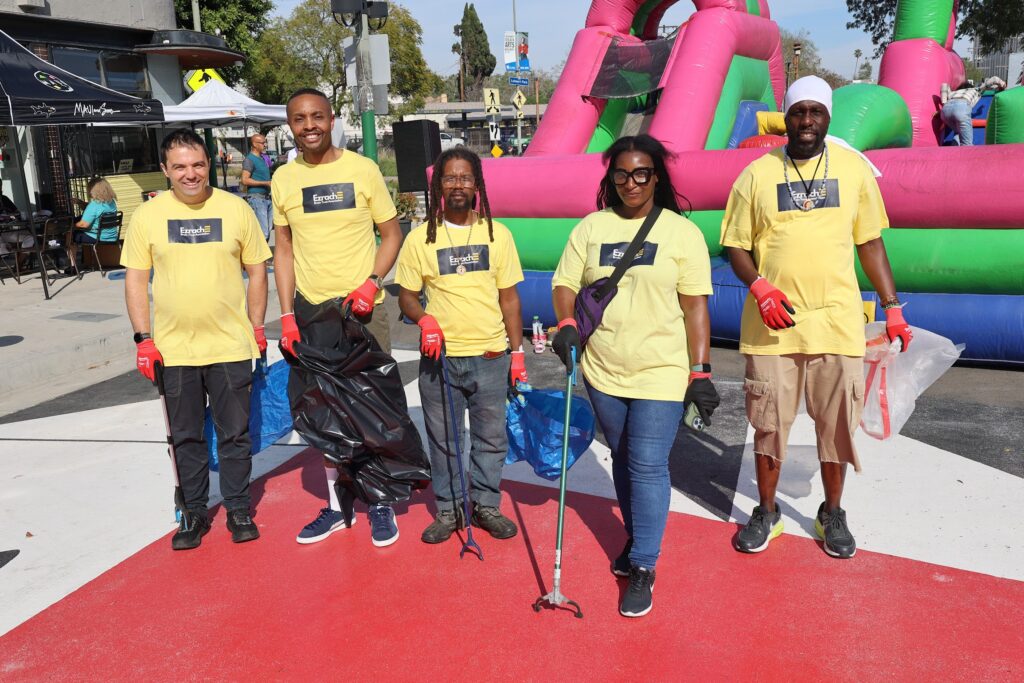
Photo by Arnold Turner/Eclipse Content
The data reveals several important trends:
- Plastic and paper waste dominate the waste stream, indicating that a significant portion of litter is recyclable but currently not being diverted due to insufficient infrastructure or access. This suggests an immediate opportunity to increase recycling capture rates.
- The presence of tobacco waste and other litter highlights behavioral patterns and the need for targeted public education, as well as more strategically placed disposal options in high-traffic areas.
- Low recorded food waste does not necessarily indicate low generation, but rather a lack of composting systems, meaning organic waste is likely entering general waste streams and contributing to landfill burden.
- Minimal glass and cloth waste suggests that certain materials are either less prevalent or already being managed through informal reuse systems.
Key Challenges
At the outset and throughout the project, several structural and operational barriers became clear:
- Infrastructure Gaps: There is a lack of accessible, recycling and compost bins in key public spaces in Leimert Park. Without these, environmentally conscious behaviors are difficult to sustain.
- Inconsistent Waste Collection: Variability in trash pickup around businesses, and in Leimert Park, leads to overflow conditions, which contribute to littering and discourage proper disposal.
- Community Awareness and Engagement: While there is strong community pride, there is limited access to consistent education and engagement around proper waste sorting and environmental practices.
- Resource Constraints: Sustaining clean environments requires ongoing investment, both financial and human capital, which is currently limited.
These challenges reinforce that lasting impact requires coordinated systems, not isolated interventions.
Strategic Recommendations
Overall, the findings point to a systemic gap in waste sorting, infrastructure accessibility, and consistent servicing, rather than a lack of community willingness. The project team developed strategic recommendations for the City of Los Angeles to consider. The main opportunities identified were community infrastructure and systems, workforce development, policy recommendations, and alignment with the LA 2028 Olympics. These changes will support long-term sustainability, advance economic empowerment, and reduce costs for the City. While this work will require additional funding and Ezrach Brain Trust has identified multiple opportunities to pursue.
Conclusion
This initiative demonstrates the power of community-led data to drive systemic change.
Next Steps
- Launch partnerships with more community aligned organizations
- Formalize partnerships with city agencies
- Launch pilot recycling and composting infrastructure
- Secure funding for workforce and program expansion
- Continue longitudinal data collection to measure progress
The Leimert Park Clean Campaign represents more than a cleanup effort. It is a blueprint for equitable, community-driven environmental transformation.
Through strategic partnerships, targeted investment, and sustained leadership, Ezrach Brain Trust Association is positioned to advance a model of sustainability that is not only effective, but also inclusive, replicable, and rooted in community priorities.
The full report can be found at: Ezrach and Thriving Earth Exchange Full Report
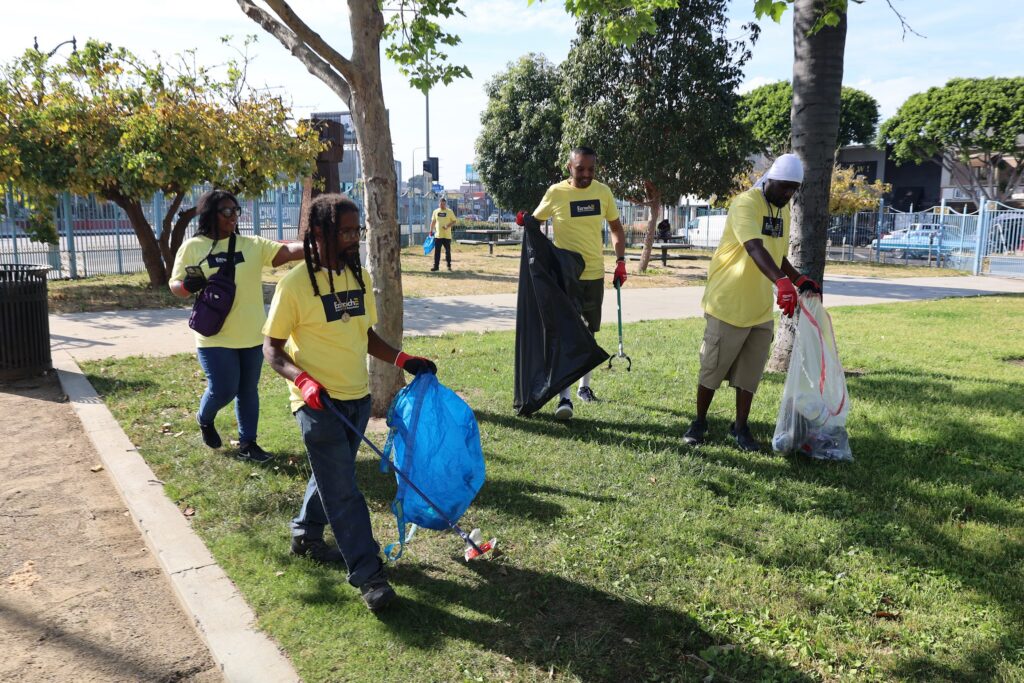
Photo by Arnold Turner/Eclipse Content
Description
About the Community
Leimert Park, located in South Los Angeles, is known for its vibrant culture of Black art and creativity. Nevertheless, residents are disproportionately exposed to unjust and unhealthy high levels of air pollution and solid waste. Ezrach is a nonprofit organization dedicated to tackling inequalities. Our mission is to pave the way for economic opportunity, promote environmental sustainability, and advocate for equity to positively impact the community and its residents. Our priority for Leimert Park is to improve environmental health and foster a healthier and more sustainable community.
To address issues of toxic air quality, Ezrach collaborated with the University of California Los Angeles on community-based research, resulting in the publication of an air monitoring report. This report was shared with community residents and offered community-driven solutions to improve air quality. Recommendations for policymakers and change agents to contribute to the community’s growth in areas of air quality were also provided.
In line with these recommendations, Ezrach is partnering with the Thriving Earth Exchange (TEE) due to its expertise and resources in community-driven environmental projects. We rely on TEE’s support in designing and implementing nature-based community science initiatives focused on waste management and air pollution.
About the Project
Public spaces, including the Park, lack recycling and composting facilities and have insufficient general waste disposal facilities. This project will focus on improving waste management infrastructure within the community to reduce community exposure to solid waste and reduce the volume of waste unnecessarily sent to landfill (recyclable and compostable materials). The primary aim is to enhance residents’ understanding of air quality and waste disposal, install recycling and composting facilities in community spaces, and secure the necessary funding and logistical support to ensure their continued maintenance past the conclusion of the Thriving Earth project. To help inform these broader efforts, the project will host a Trash Action Day as “Keep Leimert Park Clean” campaign. The event will engage residents through a community cleanup and discussion workshop, gathering baseline insights into local waste patterns and community priorities. Findings from the event will inform receptacle placement, strengthen outreach strategies, and support collaboration with local stakeholders. Future studies will aim to understand the impact of improper waste disposal on air quality in Leimert Park.
Deliverables:
- Trash Action Day & Community Insight
- Conduct a trash cleanup to engage residents and encourage them to contribute household waste to a central collection point.
- Characterize collected waste (e.g., morphology, material types, brands) to inform insights into local waste trends.
- Develop partnership with the council office and local community organizations
Timeline and Milestones
- Fall 2025: Finalize recruitment of Scientist and begin collaboration
- November – December 2025: Connect with local elected officials and plan Trash Action Day.
- January 2026: community cleanup and workshop to collect baseline waste data and community feedback.
- Identify champions and community experts to support the project.
- February – March 2026: Analyze findings from the Trash Action Day and compile insights.
- Share findings publicly (newsletter/summary flyer/social media) to maintain engagement.
Project Team
Community Leads
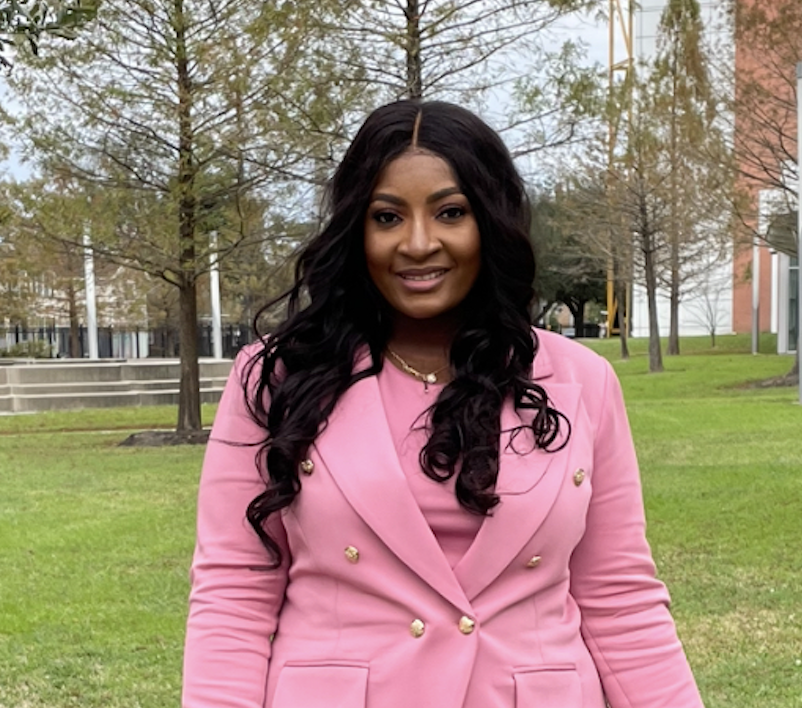
Dr. Edidiong Mendie is the Executive Director of Ezrach Brain Trust Association. A leader in the field of Environmental Justice, she brings extensive experience working with marginalized communities, policymakers, and clean energy stakeholders.
She is also an Adjunct Professor/Lecturer of criminal justice at California State University Sacramento and Texas Southern University, and began her career as a licensed attorney in Nigeria specializing in Environmental, Social, and Corporate Governance (ESG) initiatives. Dr. Mendie is a published author and has presented at 20+ international and local conferences.
Dr. Mendie holds a Ph.D. in Administration of Justice from Texas Southern University, an LL.M. in Energy, Environment, and Natural Resources Law from the University of Houston, Texas, a B.L. from The Nigerian Law School, and a LL.B. from the University of Benin, Nigeria.
Mr. Shaahid Ali El is the Co-Founder and Chief Thought Officer of Ezrach. He possesses over 35 years of community and stakeholder engagement skills. Mr. Ali El will be in charge of developing and implementing strategies to engage community members, collaborating with residents, facilitating outreach initiatives, and ensuring that the project aligns with community needs.
Community Scientist
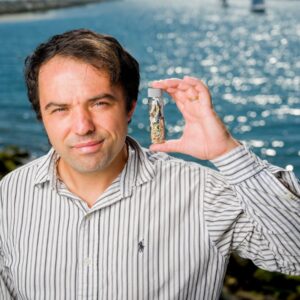
Dr. Win Cowger (AKA Dr. Trash) is the Research Director at the Moore Institute for Plastic Pollution Research and a Visiting Scholar of the Gray Lab at UCR. He studies the sources, transport, and fate of plastic pollution. His science focuses on identifying solutions to plastic pollution and assessing their effectiveness. As an applied scientist, Win collaborates with nonprofit organizations such as Let’s Do It World and Algalita, Government agencies like the Ocean Protection Council, and academics to apply science in practice. Win has been fortunate to be part of two other Thriving Earth Exchange projects that help communities address trash issues, and is very excited to work with the Leimert Park community as a scientist and their neighbor in Long Beach, CA.
Community Science Fellow
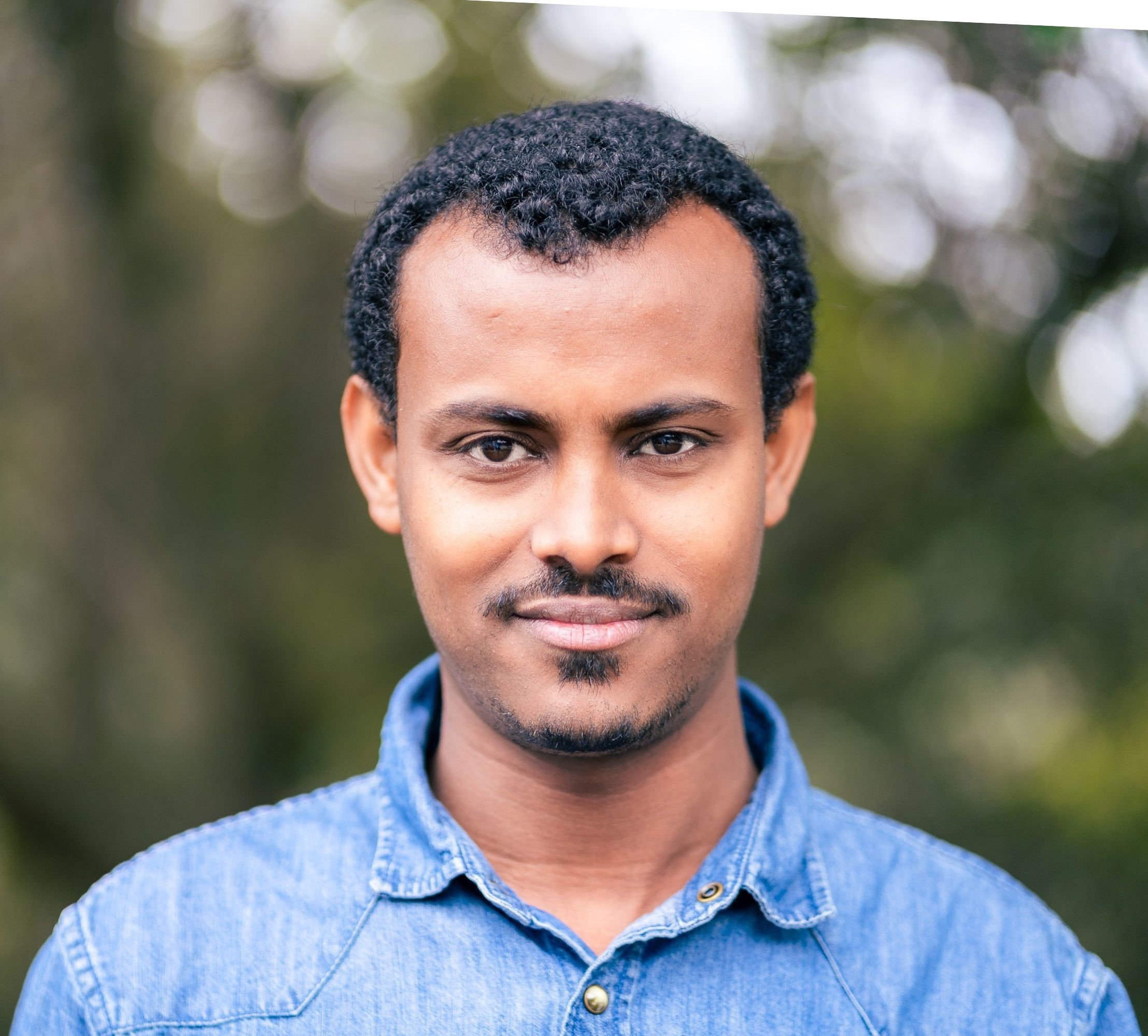
Melese Getenet Dessie is a Postdoctoral Researcher in the Energy Geosciences Division at Lawrence Berkeley National Laboratory. He earned his PhD in Earth Sciences from the University of Granada, Spain, in 2023. During his doctoral research, he focused on the intricate processes of mineral self-assembly and pattern formation in alkaline soda lakes, employing advanced techniques like X-ray diffraction, scanning electron microscopy, vibrational spectroscopy, and geochemical modeling. At Berkeley Lab, his research is centered on understanding the roles of mineral-water interfaces in chemical-mechanical processes involved in rock formation, deformation, and their implications for energy and climate applications. Specifically, he investigates carbonate minerals’ interfacial energy, thermodynamics, and the stress-driven dissolution-precipitation processes that could occur in natural and engineered geochemical systems.
Collaborating Organizations
Ezrach is a faith-based organization based in Leimert Park, Los Angeles. Ezrach seeks to advance its work in several areas: 1) air quality monitoring; 2) education and awareness; 3) advancing sustainability.
Status:
Complete,
Location:
Los Angeles,
Managing Organizations:
Thriving Earth Exchange,
Project Categories:
Air quality,
Contamination/pollution,
public health,
Sustainability,
Project Tags:
No tags