
Assessing Biosolid Compost Land Application Processes, Benefits, and Community Perceptions
Mayetta, Kansas, United States
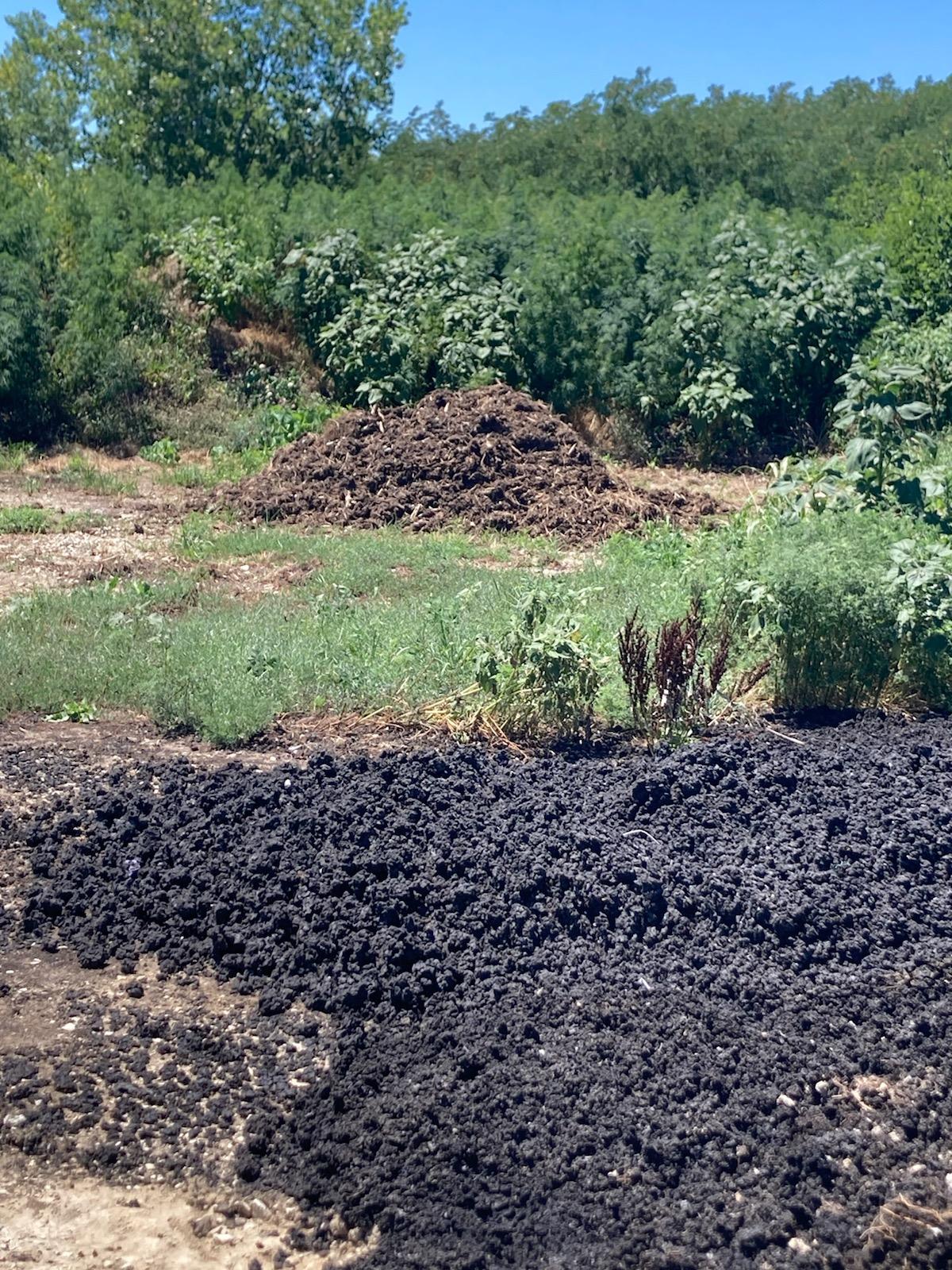
The Prairie Band Potawatomi Nation (PBPN) biosolids compost operation is seeking technical assistance with the development of best management practices (BMPs) for land application to ensure potential contaminants are not harming the environment or land production. Collection and analysis of existing biosolid data, consideration of regulatory requirements, and implementation planning will be essential components of the BMPs and overall project. Additionally, community capacity and action will be critical to guaranteeing that the biosolids composting operation enhances soil health and environmental sustainability and ultimately remains beneficial to the Tribal community.
Results
Project Summary
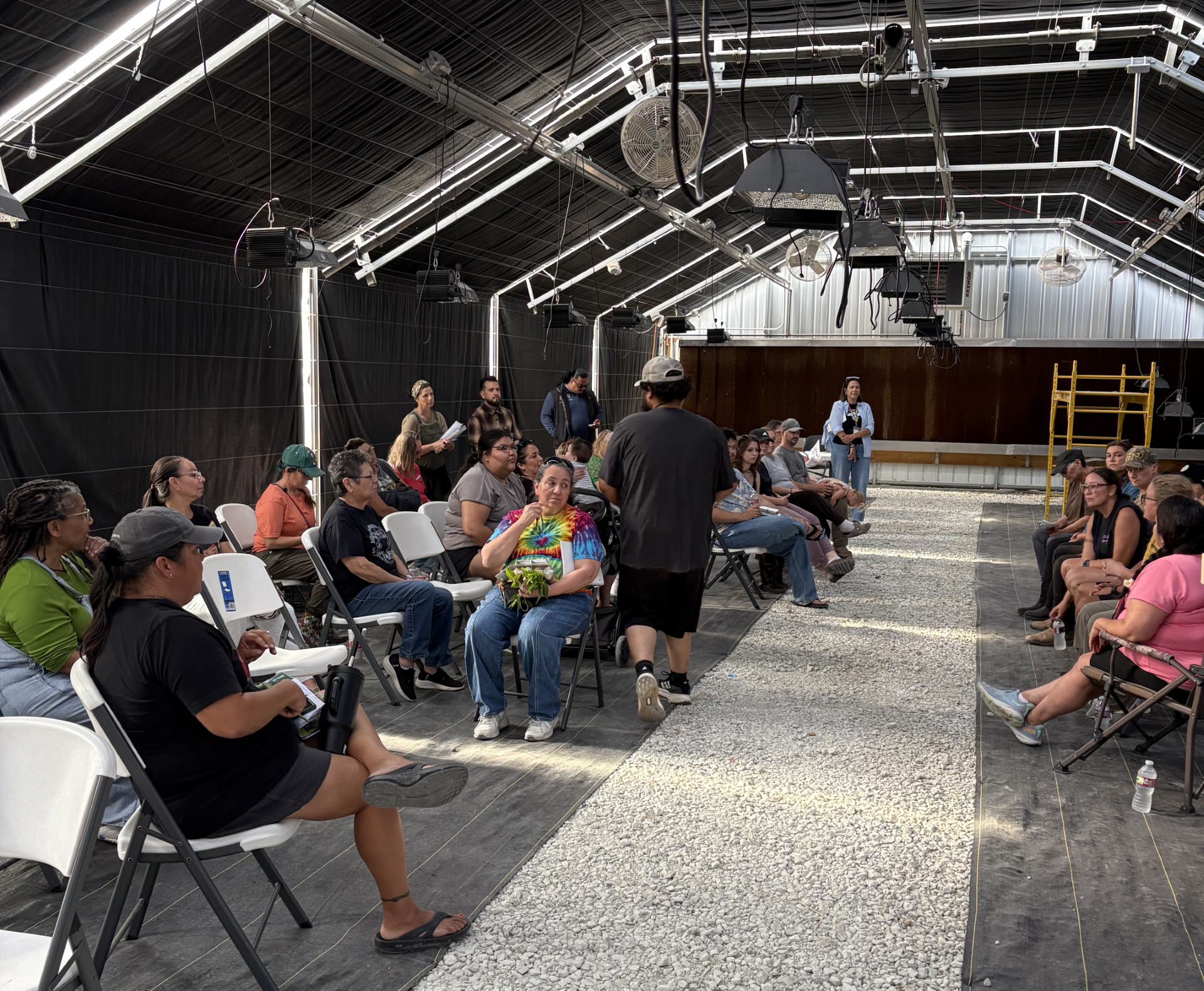
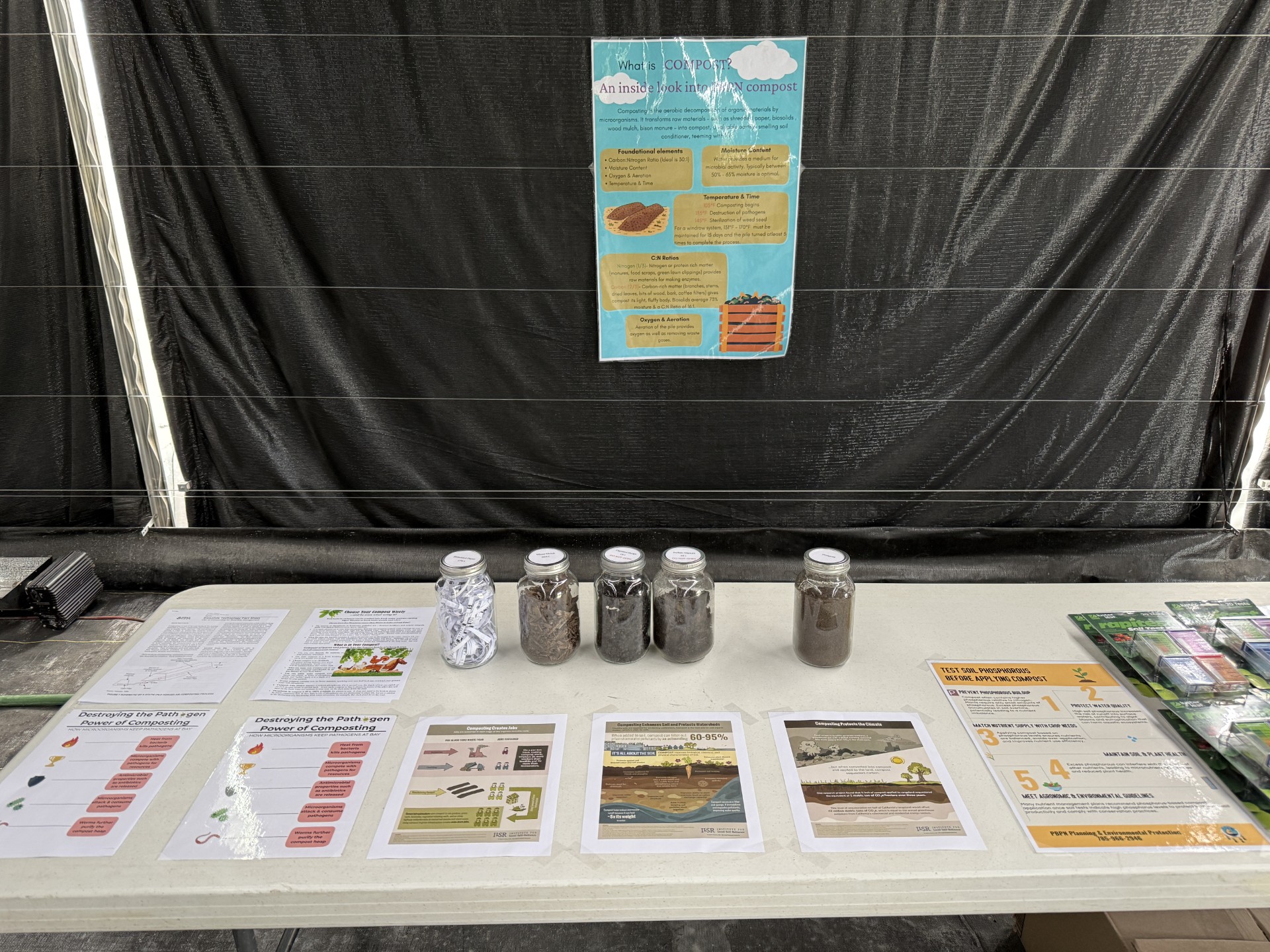
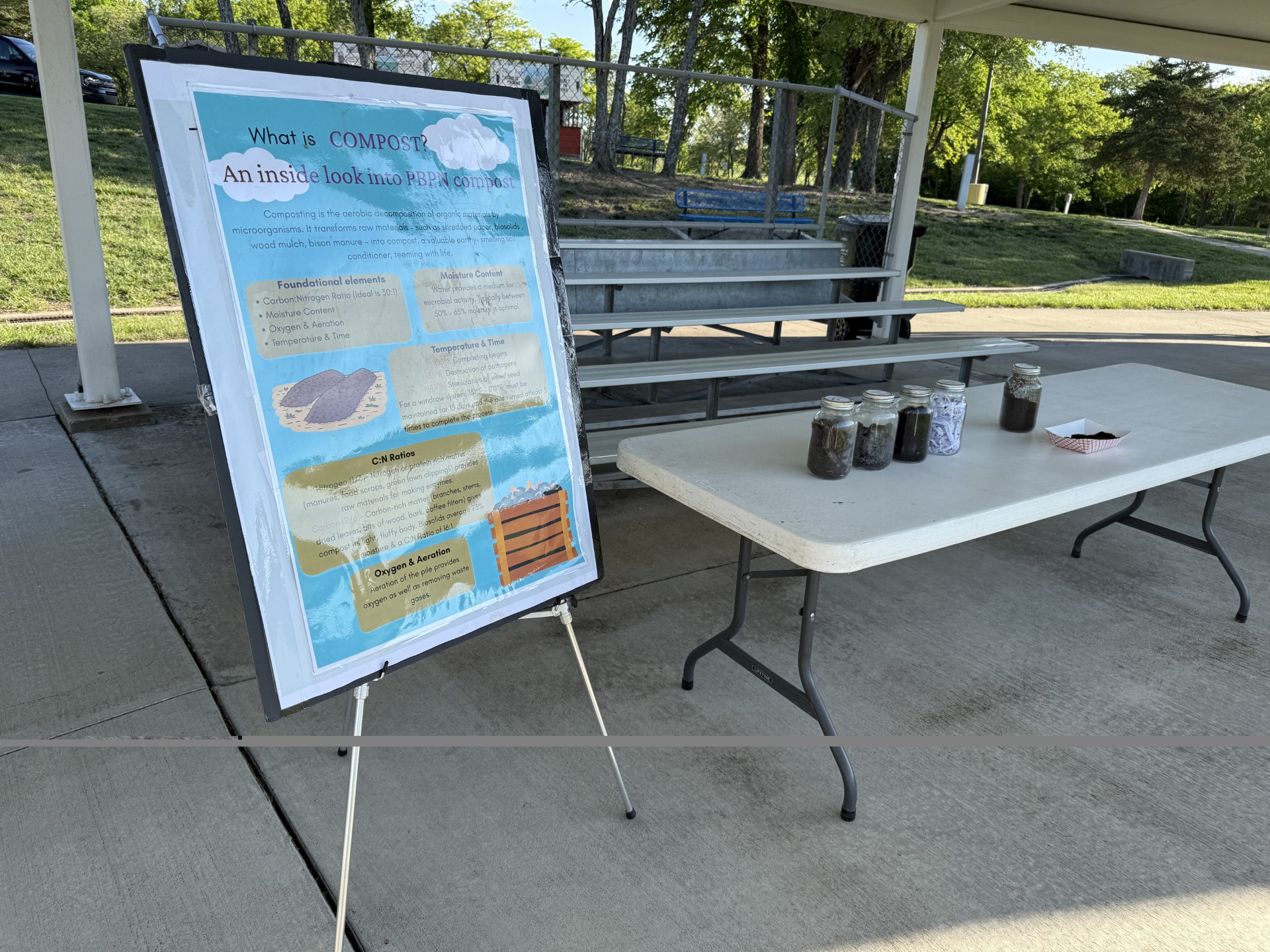
The Prairie Band Potawatomi Nation (PBPN or Nation) is a federally recognized Tribe located in northeast Kansas on the 576,000-acre PBPN Reservation as established by the Treaty with the Potawatomi Nation (9 Stat. 853), dated June 17, 1846. The Nation has a total membership of approximately 4,500, and over 800 of these tribal members reside on the Common Lands. Within the Common Lands, the tribe continues to operate their own windrow compost system composed of hardwood mulch, biosolids, buffalo manure, and shredded paper. Ultimately the goal is to further integrate the use of safe compost into the crop rotation cycle and better our soil health. To achieve this, regular testing and monitoring of pathogens, heavy metals, PFAS and other common contaminants should be conducted to ensure the safety of land application. Throughout this project, multiple samples of buffalo manure, biosolids, and compost were sent to various labs to be analyzed for the contaminants of concern. Regular monthly communication with soil scientists, researching, and networking led to the development of a list of preferred labs to use and the knowledge of the contamination concerns. Upon receiving the results of the compost analyses, it will be clear to see the power of composting for destroying pathogens and contaminants. This information was shared across workshops and multi-media booths such as a compost booth at the earth day celebration, the food sovereignty garden workshop, and at a summer youth compost workshop. Roughly 25-30 people attended each booth or workshop where there were various outreach supplies available such as at-home soil test kits, compost stickers, and in-home composting bins.
Project Outputs
- Summer Youth Compost Workshop
- At-Home soil test kits for the community
- Compost Informational booths at Earth Day and the Garden Workshop
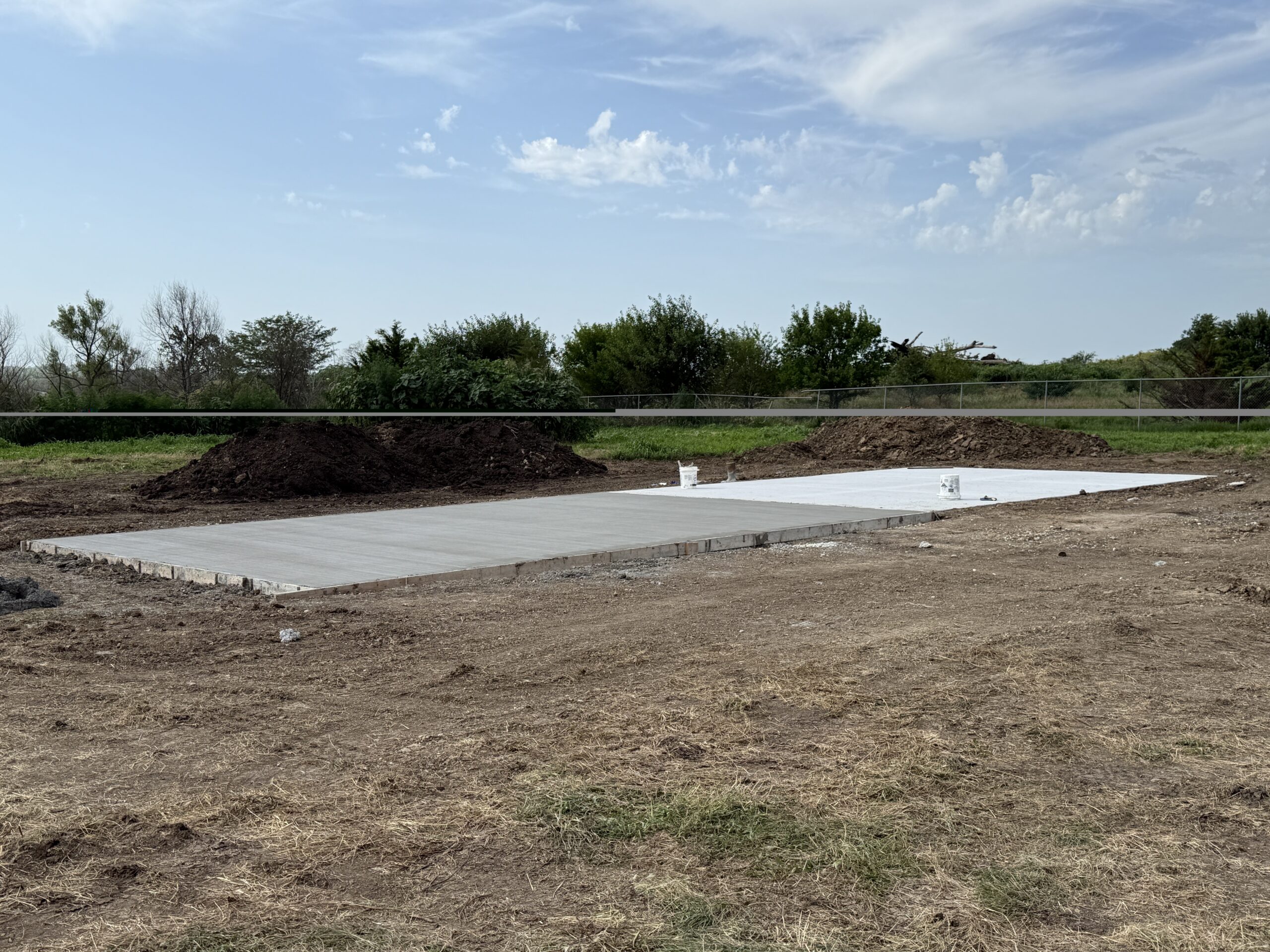
- 20’ x 60’ Concrete Pad at the compost site for ease to turn the windrows and mix
- UTV Water Sprayer to water the compost windrows easily without using large vehicle
- In-Home countertop compost bins for the community
- Basic compost sampling supplies: packaging materials, trowels, nitrile gloves
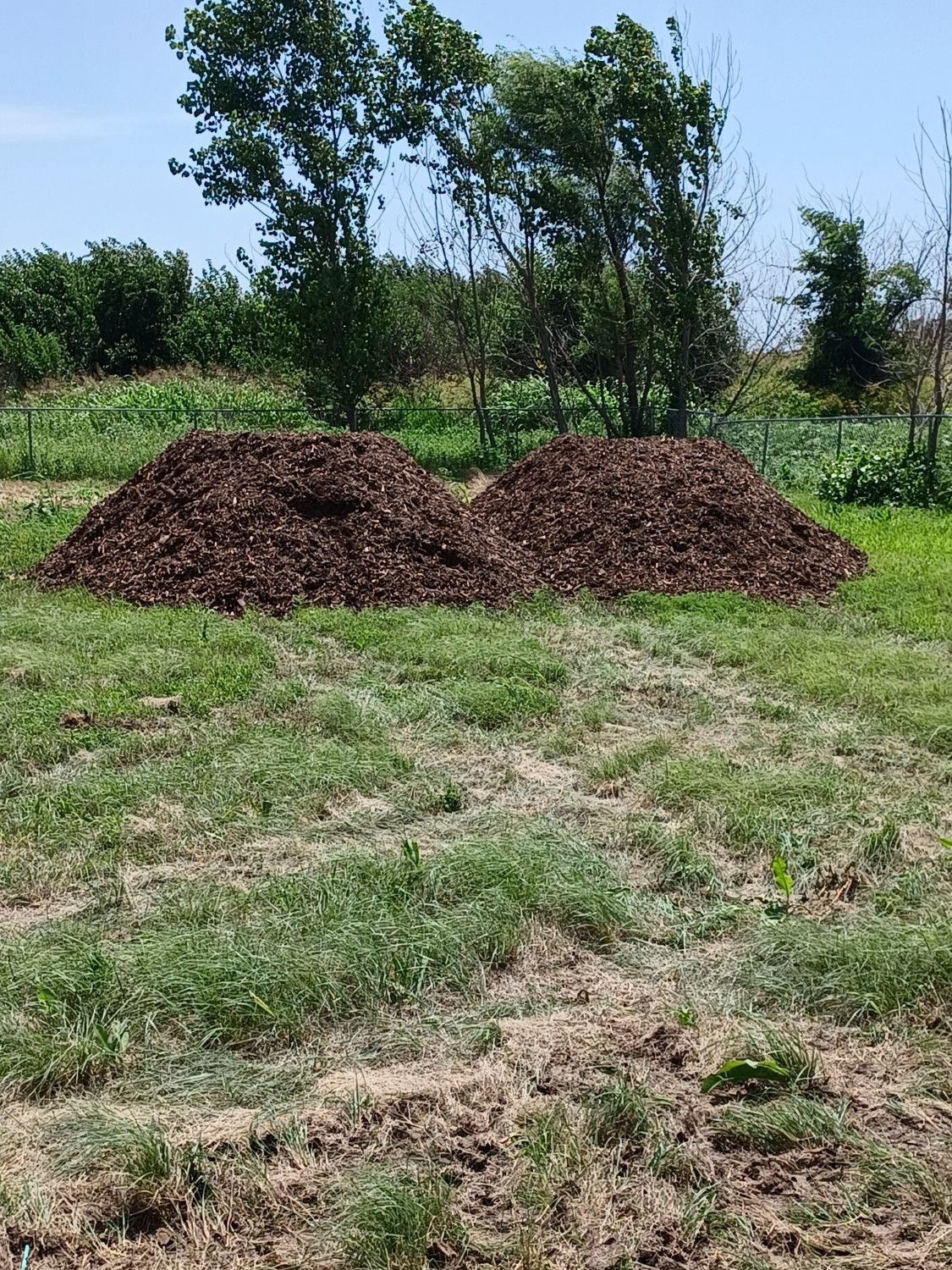
- Hardwood mulch to resupply our compost carbon source
- Traditional Knowledge Sharing
- Public Awareness Materials — posters
Community Impact
This project allowed the community to find comfort in the fact that the compost that will be land applied is safe from contaminants and beneficial to the land. The community was able to see that the tribe strives to continue to develop a more robust compost system and to transform waste into a valuable resource. At-home compost is greatly encouraged and supported to introduce this concept to every household. Long term impacts include integrating compost into a normal household function, breaking the stigma of a “gross” unsafe compost, and recycling the benefits of waste as compost rather than using fertilizers in large scale gardening or farming.
Acknowledgements
Kansas State University- Dr. Ganga Hettiarchchi (Lead Soil Scientist)
Kansas State University Extension Office Meadowlark District- Laura Phillips
Tribal Technical Assistance to Brownfields (TAB)- Oral Saulters, Cuauhtemoc Landeros, Michaela Shirley, Gad Levy
Future Plans
The PBPN biosolid compost facility will continue to function regularly as a windrow system with buffalo manure, biosolids, wood mulch, and paper shreddings. The Planning and Environmental Protection Department will continue to lead this project as well as maintain it and continue searching for additional funding opportunities. A regular schedule should be developed and followed for pathogen testing to ensure the safety of land application for food production as well as any future market certification requirements. Partnerships between TTAB and KSU will continue to grow, while also networking for more connections.
Description
About the Community
The Prairie Band Potawatomi Nation (PBPN or The Nation) is a federally recognized Tribe located in rural northeast Kansas on its reservation established by the Treaty with the Potawatomi Nation, dated June 17, 1846, 9 Stat. 853. The project will impact the 121.5 square mile portion of the reservation, now identified as the Commons Lands, which is home to 1,760 residents. PBPN has an established constitutional government with all adult members serving as the General Council. The Tribal Council is the governing body of the Nation and is elected by the General Council. Tribal Council’s primary duties are to author the Nation’s laws and policies, to serve as the decision-making authority on budgets and investments, and to protect the overall welfare of the Nation and its Members.
The PBPN elected Tribal Council authors the Nation’s laws and policies and serves as the decision-making authority on budgets and investments and protects the health, peace, morals, education and welfare of the tribe. For carrying out laws and policies, the council created a tribal administration. Overall, the administration ensures that services, as decided by the council, are provided to Nation members. The approximate 300 employees of the PBPN tribal administration are separated into departments charged with managing programs to improve the quality of life for tribal members.
PBPN has established a Planning and Environmental Protection (PEP) Department to administer environmental programs for the Reservation community. The department is staffed with qualified individuals managing programs to address water quality, air quality, solid waste, brownfields, natural resources, wastewater and composting.
The PBPN reservation is located within a significant agricultural corridor and many environmental challenges, needs and subsequent programs are connected to the agricultural uses of land. The PBPN PEP Department operates a biosolid composting facility and practices land application as a beneficial way to manage sewage sludge. Biosolids compost has the potential to improve soil health and increase crop yields. Cost-savings can also be realized through the avoidance of landfill fees.
The PBPN is working with Thriving Earth Exchange to analyze biosolid composting factors such as soil type, compost inputs, topography, climate and existing infrastructure. Thriving Earth Exchange is also assisting PBPN with increasing community access to the scientific aspects of biosolids composting.

About the Project
The PBPN would like to improve the existing biosolids composting operation and engage the Tribal community in the composting process, so that a sense of responsibility and ownership is nurtured and an understanding of the soil science behind composting is achieved. The PBPN Planning and Environmental Protection team will work with the Tribal community and with a member from the science community to review and analyze the PBPN data and infrastructure and determine BMPs for both the composting process and the land application use.
PBPN PEP will initially work with a volunteer scientist to develop BMPs for the biosolids compost operation. Upon completion of the BMPs the PBPN PEP will seek community participation in the implementation of the improved process.
Community engagement will be bolstered through hands-on science opportunities. The PBPN PEP team will work hard to recruit volunteers in targeted populations such as the Tribal youth and elderly programs, the Master Gardener program, and the local school district’s Environmental Science class. Community scientists/experts may assist with soil sampling, temperature monitoring, composting processes, application, and data collection and recording.
The volunteer scientist will also assist with the presentation and accessibility of scientific information derived throughout the project duration. Biological decomposition, aerobic process, microbial respiration, and chemical reactions involved in the composting process will be presented and explained to community members in a way that is easily understood.
Timeline and Milestones
Month 1-4: PBPN PEP will coordinate with a volunteer scientist to analyze all input materials of the current composting process for potential contamination. The community would like to know if substances like PFAS or other potentially harmful contaminants are present in biosolids or existing compost land-applied areas. The PBPN team and scientist will divide the land into zones based on the length of time composted biosolids have been applied and assess the land applied areas for residual contamination. This process will give a historical assessment of potential contaminants and nutrients onsite, how they have changed over time, and where they have migrated. The team will review current SOPs, data logs of the composting process, volumes processed, and materials used. A community scientist will help create a sampling plan for contaminant testing with mapping of zones. Efforts will be made to help maximize the efficiency of the current composting process with the support of PBPN, community scientist, and the KSU team.
Month 5: PBPN PEP, volunteer scientist, and KSU team will coordinate to develop recommendations for future community/citizen science activities and educational opportunities intended to engage community members in the biosolid composting operation and processes, implementing the new BMPs and fostering ownership of the operation
Month 5-6: PBPN PEP, volunteer scientist, and KSU team will coordinate regularly to draft, set up a review, and finalize BMPs
Project Team
Community Leaders
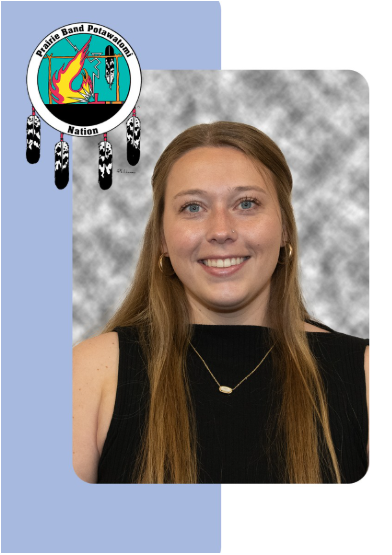
Emma O’Neill is the TRP Environmental Technician for the Prairie Band Potawatomi Nation in Kansas and Illinois. She has been in this position for only a year but is excited to build new partnerships and continue to grow in her career. She is a proud alumnus of the University of Kansas as well as a veteran of the Kansas Army National Guard.

Virginia ‘Osh’ LeClere is the Environmental Manager for the Prairie Band Potawatomi Nation in Kansas and Illinois. She has served the Tribe’s Division of Planning and Environmental Protection in several capacities over the past 25 years, working in the land use, air quality, and solid waste programs prior to taking on a management role. She is a proud graduate/alumnus of Haskell Indian Nations University and Baker University. Virginia is currently a delegate to the Region 7 Joint USEPA/Tribal Operations Committee, an alternate delegate to the National Tribal Caucus, and a member of the Tribal Waste and Response Steering Committee.
Community Scientist

Dr. Ganga Hettiarachchi is a Professor of Soil and Environmental Chemistry at Kansas State University, U.S.A. After completing her Ph.D. in Soil Chemistry in 2000 at Kansas State University, she held research positions at the U.S. Environmental Protection Agency (USA) and the Commonwealth Scientific and Industrial Research Organization (CSIRO) at the University of Adelaide in Australia, as well as a faculty position at the University of Peradeniya in Sri Lanka. She joined the Department of Agronomy faculty at Kansas State University in 2008. Dr. Hettiarachchi’s extensive research in soil chemistry has yielded numerous significant findings. Her current research studies, which focus on the reuse potential and nutrient recovery of waste and wastewater, the environmental sustainability of urban and peri-urban food systems, and reducing the bioavailability of legacy and emerging soil contaminants, are particularly noteworthy. These studies aim to minimize human health risks and promote safe agricultural production. She is a fellow of both the Soil Science Society of America (SSSA) and the American Society of Agronomy. She was also the 2021 recipient of the Jackson Soil Chemistry and Mineralogy Award by SSSA.
Community Science Fellow

Gad Levy. A Specialist in climate science, oceanography, & Remote Sensing to observe & monitor the environment, I’ve led Interdisciplinary Capacity Building (CB) programs around the world (China, Taiwan, India, Indonesia, Brazil, Korea, Morocco, Malaysia, Madagascar, US). The programs, organized collaboratively with universities, professional societies, governments & NGO’s in the host country, aim at providing opportunities for professionals to learn & apply state-of-the-art techniques of environmental monitoring, associated resource & data management technology. During the Pandemic, they were taken online as a Massive Open Online Course on Remote Sensing for Climate Resilience that won an international silver award for E-learning. Following the pandemic, I’ve conducted CB on site in Morocco & Malaysia (2022) as a Fulbright Specialist in Marine Spatial Planning in Madagascar (2023) & in Taiwan (2025). Domestically, I’ve been involved in CB/ outreach at different levels for American Geophysical Union Media outreach & ThrivingEarth projects, Association for the Sciences of Limnology and Oceanography, & as speaker on environmental issues locally & nationally, including: speaking to general audiences (elementary through community college & university students, adults, retirees); advising & involving students w/ marine resources, climate and climate change research through summer internship program @Pacific Science Center (PSC); organizing mentoring & CB courses for interdisciplinary students and early career professionals; lecturing & mentoring [through NSF REU; Partnership for Observations of the Global Oceans (POGO); Scientific Committee on Oceanic Research (SCOR), & PSC programs]; advocating for ocean, climate & climate resilience resource management related issues [as panelist & member of the Climate Variability and Predictability (CLIVAR) Steering Committee, 2012-2016]; & more. I’ve also advocated for non-scientific, civic issues, & have an extensive record of professional service. These have resulted in long term collaboratIons [e.g co-hosting/advising POGO & Fulbright fellows].
Collaborating Organizations

Kansas State University, Center for Hazardous Substance Research conducts research, education, and service pertaining to environmental topics, where a reputable, neutral organization is needed to develop technically sound, consensus-based solutions for diverse groups of stakeholders.
The Prairie Band Potawatomi Nation is a federally-recognized division of Potawatomi people originating from the Great Lakes area and presently headquartered near Mayetta, Kansas.
Status:
Complete,
Location:
Mayetta,
Managing Organizations:
Center for Hazardous Substance Research,
KSU,
Thriving Earth Exchange,
Project Categories:
Indigenous Knowledge,
Soil Contamination,
Sustainability,
Waste Disposal,
Project Tags:
No tags