
Understanding the Impact of the Urban Heat Island Effect in the Hollygrove Dixon Neighborhood
New Orleans, Louisiana, United States
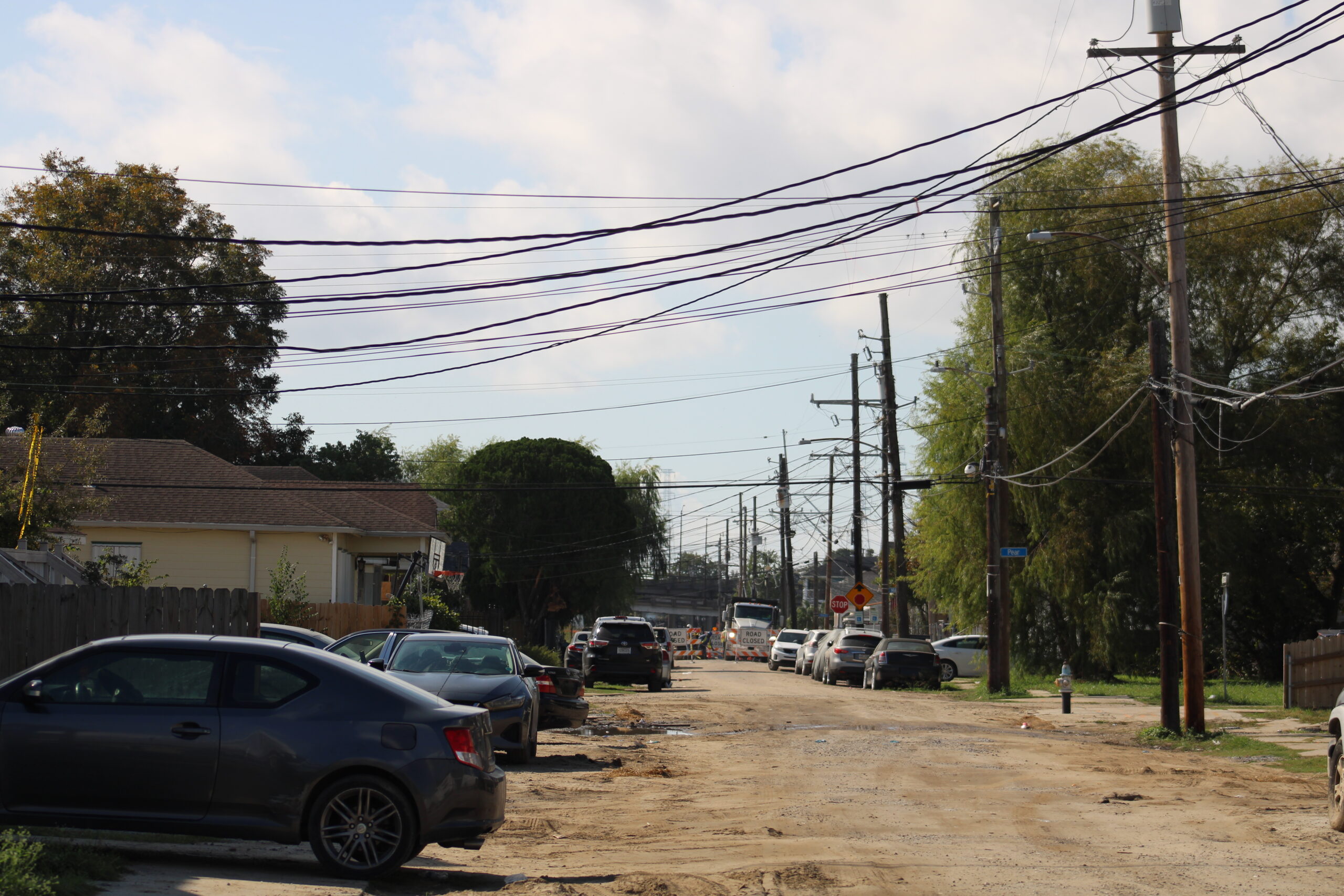
Image c/o Raymond D. Sweet
The Hollygrove Dixon Neighborhood, situated in New Orleans, encompasses 350 households with approximately 2,500 residents, primarily composed of BIPOC and Latinx individuals. The overarching goal of this project was to gather specific data on the impact of the Urban Heat Island Effect on the neighborhood.
The project team successfully completed a heat study in collaboration with CAPA Strategies. This work entailed driving around the city of New Orleans to collect temperature readings three times per day with the help of 34 participants. Seed money from the National Academy of Medicine’s Climate Communities Network allowed the team to build mobile generators for residents. In addition, community surveys were created to assess how heat impacts the community’s health and lifestyle. The surveys are being distributed to all households by volunteers from the neighborhood, students from Xavier University, and those who attend functions hosted by the Hollygrove Dixon Neighborhood Association. Survey efforts were supported with funding from an appropriation bill from the State of Louisiana through the office of State Senator Royce Duplessis.
Results
Tulane students working with Jocelyne Ponce created this StoryMap outlining the key factors contributing to the urban heat island (UHI) effect in the Hollygrove-Dixon neighborhood and actionable solutions.
Community members conducted a heat mapping campaign in the summer of 2025, showing the considerable heat residents experience on this map. While the Hollygrove-Dixon neighborhood is not the hottest of all New Orleans, the map shows the role that vegetation plays in mitigating high temperatures. Community Lead Raymond Sweet and other community groups continue to work to increase the tree canopy in New Orleans.
The community benefited from this work because as they are able to use empirical data to understand why reducing the lived temperature is important. New connections were formed with others interested in combating the Urban Heat Island effect and they have been able to present their work to the community. In the short-term, some of the grants received have allowed the project team to pay community members for catering for meetings or stipends for volunteering. It was an eye-opening experience for residents who may have never been able to meet some of the experts without AGU. In the long-term, the project team was able to broaden relationships with academics who can provide subject matter expertise in understanding what the community can do to reduce the impact of climate change in the community. The connections with scientists have opened many new doors for more involvement and future projects that can lead to increasing the health and wellbeing of Hollygrove-Dixon community members
This work will continue as the project team presents the findings of the heat monitoring study to the community. Surveys from residents about extreme heat continue to be collected. The Hollygrove Dixon Neighborhood Association received a sub-award from Water Wise Gulf South through the City of New Orleans’ Urban Forestry grant to plant 66 trees in the next three years and may also receive funding to build mobile solar generators. Water Wise also provided funds to start a Tree Board to help determine where to plant trees. While this project focused on reducing the effects of the Urban Heat Island, the trees are anticipated to help mitigate future flooding in the community as well.
In addition to reducing the temperature of the lived environment through tree planting, the project also considered the energy burden of neighborhood residents. During the summer months, some residents reported electric bills as high as $300.00. Funding from National Academy of Medicine’s Climate Communities Network and the Deep South Center for Environmental Justice allowed the project team to teach residents how to build mobile solar generators. The generators will have the capacity to meet the energy need of one large appliance in the home. This will reduce residents’ anxiety around paying rent, buying food, or keeping cool by reducing a hefty electric bill. Current funding will support 21 residents. Hollygrove Dixon Neighborhood Association is committed to continuing the work to reduce the temperature of the lived environment and the energy burden associated with it.
Acknowledgements
The project team would like to extend gratitude to Jackie Baham, Dr. Jocelyne Ponce, Lelia Marie Hampton, Dr. Jordan Dowell, Max Cawley, Ashton Merck, and the Center for Collaborative Heat Monitoring. Eliza Amstutz, Joey Williams, Bradley Wilson, and Zachary Boyce from CAPA Strategies.
Description
About the Community
The Hollygrove Dixon Neighborhood, situated in New Orleans, encompasses 350 households with approximately 2,500 residents, primarily composed of BIPOC and Latinx individuals. The driving force behind this project is the Hollygrove Dixon Neighborhood Association, a community-led organization with predominantly BIPOC female leadership. The overarching goal is to gather specific data on the impact of the Urban Heat Island Effect in our neighborhood. This data will serve a dual purpose: applying for funding to address local challenges and collaborating with local, state, and federal entities to address controllable issues. The neighborhood association has a history of proactively addressing the Urban Heat Island Effect, employing Nature-Based Solutions for stormwater management, and actively seeking funding for a community lighthouse to aid residents during extreme weather events.
About the Project
The project aims to comprehensively understand the impact of the Urban Heat Island Effect on the daily routines of Hollygrove Dixon residents. This will be achieved through a survey that collects data on resident activities and the temperatures around their residences. The project involves active engagement with the community throughout the survey process, ensuring that residents are not only participants but also informed stakeholders. The key actors include the Hollygrove Dixon Neighborhood Association, community members, and potential funders and lawmakers.
The project’s outputs will include a detailed dataset from the survey, which will be analyzed and shared with the community through accessible mediums like community meetings and online platforms. Additionally, the results will be compiled into a compelling case that can be presented to funders and lawmakers, demonstrating the urgent need for resources to address the Urban Heat Island Effect in Hollygrove Dixon.
Upon completion, the community will benefit from an enhanced understanding of how the Urban Heat Island Effect influences their daily lives, enabling them to make informed decisions. The anticipated impact is securing funding to implement targeted solutions, reducing the Urban Heat Island Effect in the community. Beyond Hollygrove Dixon, the project’s success could serve as a model for other communities facing similar challenges, contributing to a broader understanding of the intersection between urban planning, climate resilience, and community well-being. The engagement with lawmakers and funders also has the potential to influence policy changes and resource allocation at higher levels, creating a positive ripple effect within science, policy, and community development.
Project Team
Community Lead
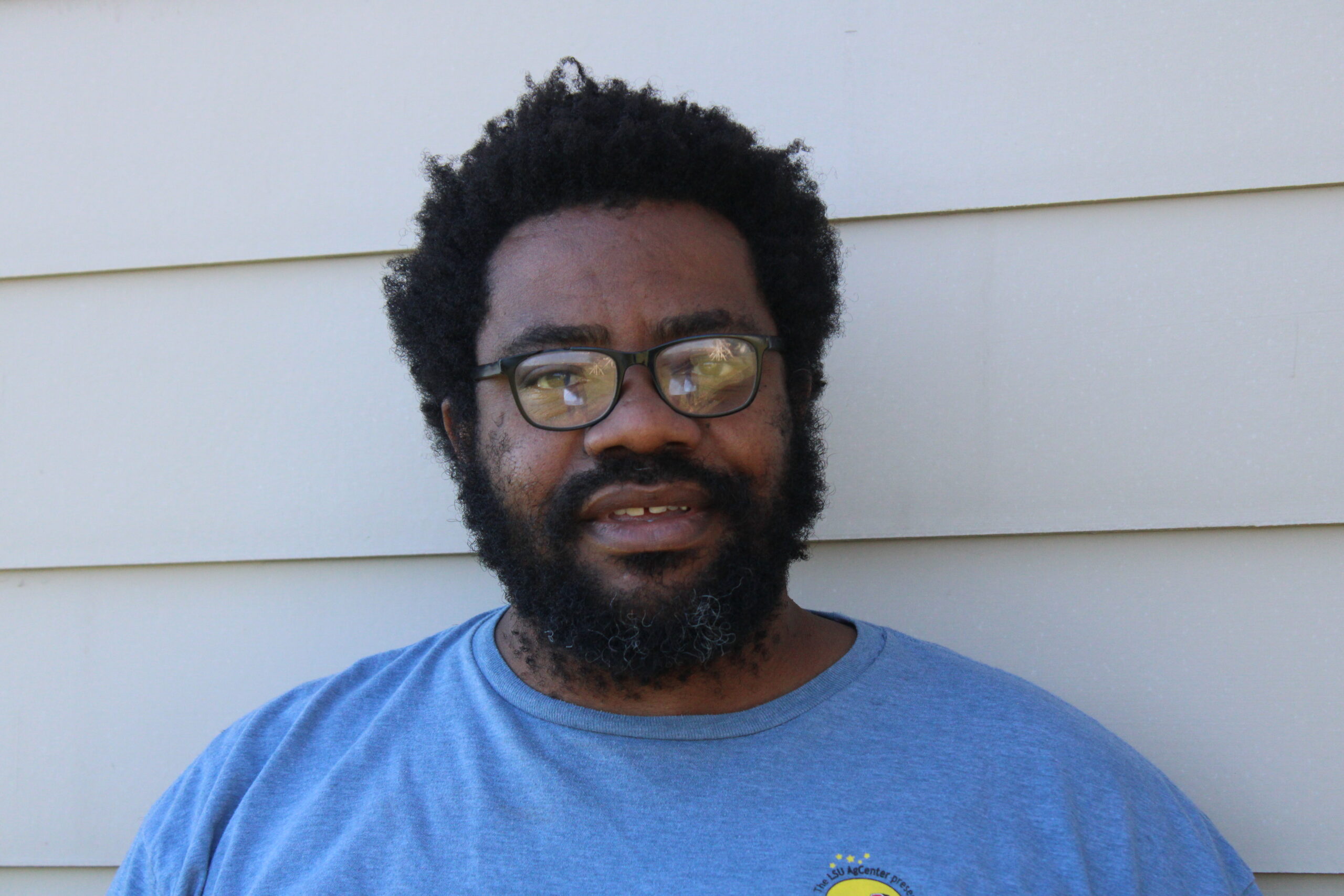
Raymond D. Sweet serves as the Climate Coordinator for the Hollygrove Dixon Neighborhood Association. With a unique perspective at the intersection of foster care and climate change, Raymond focuses on addressing community concerns through the lens of the most vulnerable children. Hailing from Florida, he brings over 25 years of experience in organizing residents and workers. Currently, Raymond is dedicated to organizing residents and actively seeking and bringing resources to the Hollygrove Dixon Neighborhood Association. Read more about Raymond’s efforts to fund flood mitigation measures in the Hollygrove Dixon neighborhood.
Community Scientists

Jocelyne Ponce holds a Ph.D. in anthropological archaeology and currently serves as a Visiting Assistant Professor in Environmental Studies at Tulane University. She has a strong interest in community-based participatory research and utilizes GIS and anthropological methods to collaboratively address research questions and local challenges.

Lelia Marie Hampton is a Ph.D. candidate in computer science. Her research leverages machine learning to advance climate justice and health equity. She aims to serve communities with her computing and data science skill set.

Dr. Jordan Dowell is an assistant professor in the department of biological sciences at Louisiana State University. His lab studies the evolutionary ecology of plant-plant chemical communication and the impacts of multifunctional traits on biotic interactions from single-cells to landscapes using various techniques, from metabolomic and genomic approaches to remote sensing and field-based studies
Max Cawley is Director of Climate Research and Engagement at the Museum of Life and Science in Durham, North Carolina. He believes that more robust and equitable engagement on climate change is necessary for sustaining democracy on a warming world.

Ashton Merck is a Program Manager of Climate Research and Engagement at the Museum of Life and Science in Durham, NC, where she supports community science projects including the Center for Collaborative Heat Monitoring. A historian by training, Ashton is an advocate for the importance of historical perspective, narrative, and storytelling to understand contemporary challenges.
Community Science Fellow

Imeña Valdes earned her B.S in Biology and a Certificate in Agroecology from Florida International University and an M.S in Plant Biology and Conservation from Northwestern University and the Chicago Botanic Garden. Her graduate research focused on pollinator preference between native and cultivated native plants. Imeña has an interest in the creation of urban green spaces to help connect fragmented habitats so animals, like pollinators, can be supported and protected. She is currently the Illinois Project Wingspan Agriculture and Outreach Coordinator for Pollinator Partnership and an adjunct instructor at both DePaul and Roosevelt Universities in Chicago.
Collaborating Organizations

The Center for Collaborative Heat Monitoring is a national collaboration among science centers and technical experts to develop community science heat monitoring projects. The Center for Collaborative Heat Monitoring builds on eight years of work supported by the National Integrated Heat Health Information System (NIHHIS) to map urban heat islands in over 80 U.S. and international communities.

CAPA Strategies (‘CAPA’) is a consulting firm based out of Portland, Oregon (US) that generates data, develops tools, and designs actionable strategies to accelerate societal adaptation to climate change. CAPA’s staff of social and environmental scientists are deeply committed to creating more sustainable, equitable, and resilient places to live. CAPA’s flagship heat monitoring services consist of step-by-step processes for conducting community-based data collection campaigns, which have been implemented in over 125 cities and communities across the US and internationally. Supporting New Orleans’ heat mapping project are CAPA program managers Eliza Amstutz and Joey Williams, Lead Analyst Bradley Wilson, and Data Visualization Specialist Zachary Boyce.
Status:
Complete,
Location:
Louisiana,
New Orleans,
United States,
Managing Organizations:
Capacity Collaborative,
Project Categories:
Natural Hazards,
public health,
Sustainability,
Project Tags:
No tags