
A River’s Way: Remove Barriers & Create New Paths to Urban Community Health and Resilience / El camino del río: Eliminar obstáculos y crear nuevas vías para la salud y la resiliencia de la comunidad urbana
Waukegan, Illinois, United States
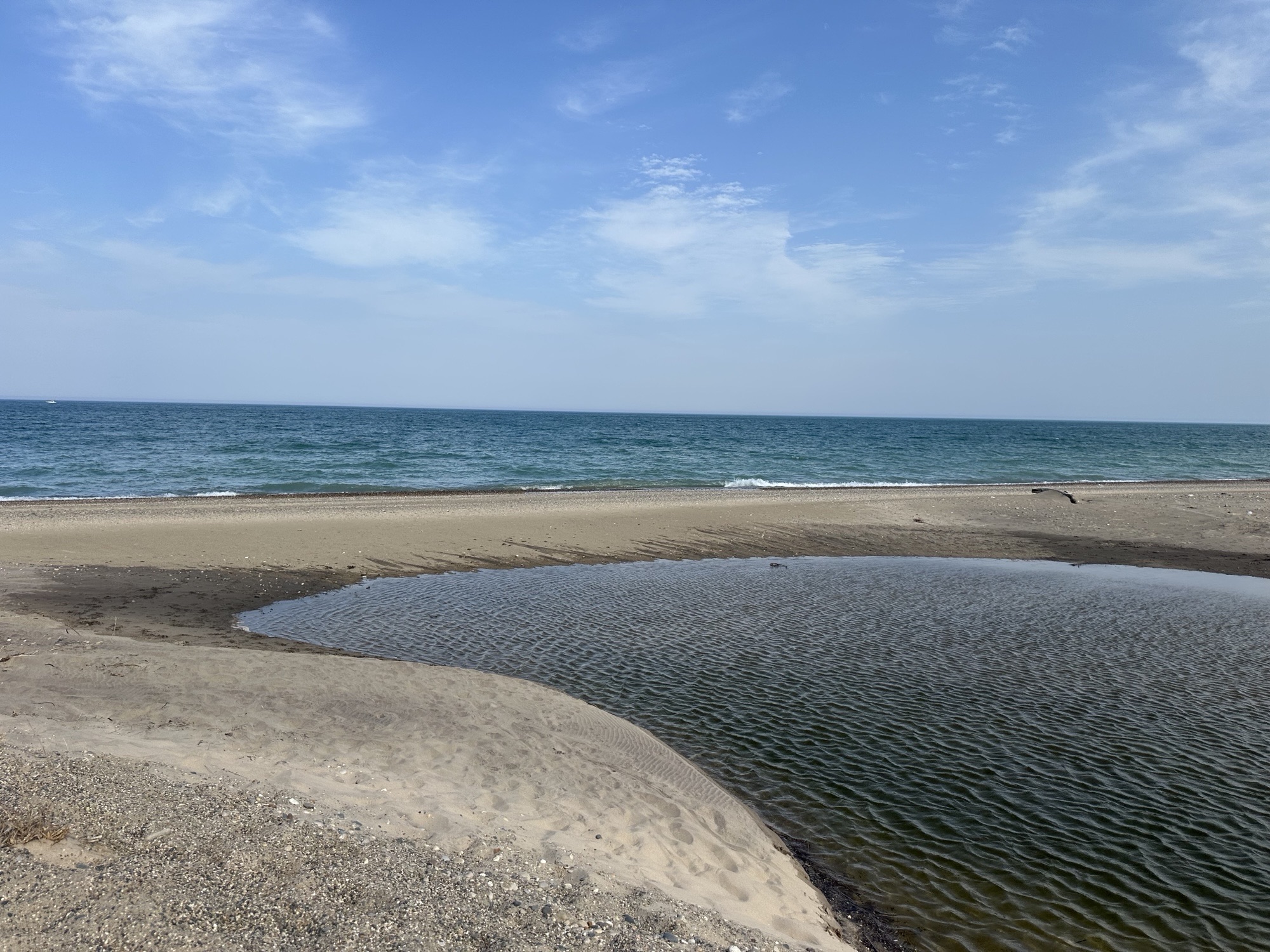
Courtesy of Muriel Adams Photography
This project is a collaboration between members of the Waukegan, Zion, and North Chicago communities, One World Shared Future Community Lab, and Thriving Earth Exchange. The project aims to promote and support education, co-creation, and the strengthening of connections to local ecosystems within the local community, while addressing challenges related to river watershed management, flooding, water quality, ecosystems, and erosion. The project will involve a series of community-centered, education, and engagement events and culminate in a river shoreline resilience project using native plants or other nature-based solutions.
Este proyecto es una colaboración entre miembros de las comunidades de Waukegan, Zion y North Chicago, One World Shared Future Community Lab y Thriving Earth Exchange. El proyecto tiene como objetivo promover y apoyar la educación, la co-creación y el fortalecimiento de las conexiones con los ecosistemas locales dentro de la comunidad, y abordar los desafíos relacionados con la gestión de cuencas hidrográficas, las inundaciones, la calidad del agua, los ecosistemas y la erosión. El proyecto incluirá una serie de eventos centrados en la comunidad, la educación y la participación, y se culminará en un proyecto de resiliencia de la ribera del río utilizando plantas nativas u otras soluciones basadas en la naturaleza.
Description
About the Community
Waukegan, Zion, and North Chicago, Illinois, are located on the shores of Lake Michigan and are part of the Lake Michigan watershed. These historically marginalized communities are impacted by the legacy of industrial pollution, power plants, and underinvestment. This area has a 15-year lower life expectancy compared to wealthier neighborhoods within Lake County. These three communities face challenges related to watershed management, flooding, degraded water quality, erosion, and insufficient greenspace along riverbeds and other shoreline spaces. Meanwhile, members of the community face barriers to accessing the natural water and riverine resources that are available. While some of the needs of these communities have been identified by country- and city-level entities, many of the proposed projects are expensive and remain un- or under-funded. There is therefore a need to empower, inspire, and excite community members to take action through low-barrier, grassroots efforts that leverage nature-based solutions.
Acerca de la comunidad
Waukegan, Zion y North Chicago, Illinois, están ubicadas en las orillas del lago Michigan y forman parte de la cuenca hidrográfica del lago Michigan. Estas comunidades, históricamente marginadas, se ven afectadas por la contaminación industrial, la contaminación de las plantas de energía y la falta de inversión. La esperanza de vida en esta área es 15 años menor que en otras comunidades del condado de Lake. Estas tres comunidades enfrentan desafíos relacionados con la gestión de cuencas hidrográficas, las inundaciones, la degradación de la calidad del agua, la erosión y la falta de espacios verdes a lo largo de los cauces de los ríos y otras áreas ribereñas. Mientras tanto, los miembros de la comunidad enfrentan barreras para acceder a los recursos naturales hídricos y fluviales disponibles. Aunque algunas de las necesidades de estas comunidades han sido identificadas por entidades a nivel estatal y municipal, muchos de los proyectos propuestos son costosos y permanecen sin financiamiento o con financiamiento insuficiente. Por lo tanto, es necesario fomentar la participación comunitaria a través de iniciativas accesibles que aprovechen soluciones basadas en la naturaleza.
About the Project
This project aims to empower community members to address challenges related to river watershed management, flooding, water quality, ecosystems, and erosion. The project will involve a series of community-centered, education, and engagement events and culminate in a river shoreline resilience project using native plants or other nature-based solutions.
Community events will focus on education, co-creation, and strengthening connections within the local community. These events will leverage storytelling, hands-on activities, and indigenous ways of knowing to expand our common understanding of the local watershed and its importance in our daily lives. We hope to engage in conversations surrounding ways nature-based solutions can be applied to enhance area shorelines and make connections between community resilience and health and the health of area rivers, ecosystems, and habitats.
The river shoreline resilience component of this project will bring together community members, scientists, and local non-profits and community organizations to explore opportunities to enhance a shoreline in the local community. We will collaborate to identify nature-based approaches, such as native-plants, suitable for the local geography and for improving resistance to flooding or erosion, water quality, or ecosystem health. Once a suitable project site has been identified, we will work together to implement a river shoreline transformation effort.
Acerca del proyecto
Este proyecto busca empoderar a los miembros de la comunidad para enfrentar desafíos relacionados con la gestión de cuencas fluviales, las inundaciones, la calidad del agua, los ecosistemas y la erosión. Por eso, se organizará una serie de eventos comunitarios centrados en la educación, la participación y la colaboración, que culminará en un proyecto de resiliencia de la ribera del río mediante plantas nativas u otras soluciones basadas en la naturaleza.
Los eventos comunitarios estarán diseñados para fomentar el aprendizaje, la co-creación y el fortalecimiento de los lazos dentro de la comunidad local. Utilizaremos la narración de historias, actividades y los conocimientos indígenas para profundizar nuestra comprensión de la cuenca local y su importancia en nuestra vida cotidiana. Además, promoveremos conversaciones sobre cómo las soluciones basadas en la naturaleza pueden mejorar las riberas, y cómo la resiliencia y la salud de la comunidad están conectadas con la salud de los ríos, los ecosistemas y los hábitats de la zona.
La fase de resiliencia de la ribera reunirá a miembros de la comunidad, científicos y organizaciones locales sin fines de lucro para explorar oportunidades de mejorar una ribera en la zona. Juntos identificaremos enfoques basados en la naturaleza, como el uso de plantas nativas, que sean adecuados para la geografía local y contribuyan a reducir inundaciones y erosión, además de mejorar la calidad del agua y la salud de los ecosistemas. Una vez seleccionado el sitio, trabajaremos de manera colaborativa para implementar el proyecto de transformación de la ribera del río.
Timeline and Milestones
Summer/Fall 2026:
- Recruit scientific collaborators and community partners.
- Explore funding sources and establish a budget.
- Collaborate with scientists and community organizations to determine opportunities and constraints for a nature-based project on a local river shoreline.
- Identify a shoreline restoration site and plan an initial community education and engagement event.
Winter 2026/2027:
- Collaborate with local community organizations, scientists, and community members to navigate any permissions necessary for implementing a shoreline, nature-based project.
- Apply for additional funding and recruit local businesses to support a shoreline, nature-based project.
Spring/Summer 2027:
- Hold the initial community education and engagement events.
- Collaborate with community members at community-focused events/workdays to implement a shoreline, nature-based project.
Late summer 2027:
- Identify next steps for continued and sustained implementation
Cronología e hitos
Verano/Otoño de 2026
- Incorporar colaboradores científicos y organizaciones comunitarias al proyecto.
- Explorar fuentes de financiamiento y establecer un presupuesto.
- Colaborar con científicos y organizaciones comunitarias para identificar las oportunidades y limitaciones para desarrollar un proyecto basado en la naturaleza en la ribera de un río local.
- Identificar un sitio para la restauración de la ribera y planificar una primera actividad de educación y participación comunitaria.
Invierno de 2026/2027
- Colaborar con organizaciones comunitarias locales, científicos y miembros de la comunidad para gestionar los permisos necesarios para implementar el proyecto de restauración de la ribera mediante soluciones basadas en la naturaleza.
- Solicitar financiamiento adicional e involucrar a empresas locales para apoyar la implementación del proyecto.
Primavera/Verano de 2027
- Realizar las primeras actividades de educación y participación comunitaria.
- Colaborar con miembros de la comunidad en actividades y jornadas de trabajo comunitarias para implementar el proyecto de restauración de la ribera mediante soluciones basadas en la naturaleza.
Finales del verano de 2027
- Definir los próximos pasos para dar continuidad al proyecto y asegurar su implementación a largo plazo.
Project Team
Community Leads / Líderes comunitarios
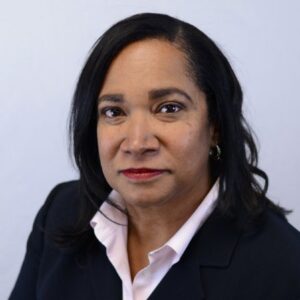
Dr. Muriel Adams is an environmental advocate and founder of One World Shared Future Community Labs (OWSFCL). She works alongside under-resourced and underserved, frontline communities to advance community-based environmental stewardship, strengthen public health, economic empowerment, and resilience. A River Runs Through It!, her flagship initiative, serves as the cornerstone of OWSFCL’s Urban Freshwater Stewardship Program. Dr. Adams has a PhD in Sustainability, which focuses on the environment, equity, and the economy, and she works with a variety of community groups to prioritize community wisdom, urban environmental education, collective learning, collaboration, workforce development, and action. As a community justice and restorative practices facilitator, she empowers others by honoring the perspectives and voices of all community members, building trust, fostering inclusion, and a stronger sense of shared well-being.
Dra. Muriel Adams es defensora del medio ambiente y fundadora de One World Shared Future Community Labs (OWSFCL). Trabaja junto a comunidades de primera línea con recursos limitados y subatendidas para promover la gestión ambiental comunitaria, fortalecer la salud pública, el empoderamiento económico y la resiliencia. A River Runs Through It!, su iniciativa emblemática, es la piedra angular del Programa de Gestión de Aguas Urbanas de OWSFCL. La Dra. Adams posee un doctorado en Sostenibilidad, con enfoque en medio ambiente, equidad y economía, y colabora con distintos grupos comunitarios para priorizar la sabiduría local, la educación ambiental urbana, el aprendizaje colectivo, la colaboración, el desarrollo laboral y la acción comunitaria. Como facilitadora de justicia comunitaria y prácticas restaurativas, empodera a otros al valorar las perspectivas y voces de todos los miembros de la comunidad, construir confianza, fomentar la inclusión y fortalecer el bienestar compartido.
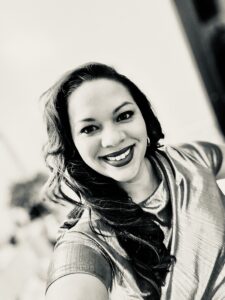
Deanna Cruz’s work is rooted in creativity, strategy, and a deep commitment to community resilience and environmental stewardship. As Co-Founder and President of Dandelion Art Gallery & Studios, NFP, Inc., and Owner of DC.CreativeConcepts, LLC, Deanna brings a community-centered, interdisciplinary approach to addressing complex social and environmental challenges. She believes that lasting change emerges when education, creativity, and local knowledge come together in accessible and inclusive ways.
With a professional background in strategic communications, Deanna specializes in translating complex issues—such as watershed health, flooding, ecosystem protection, and environmental equity—into meaningful, engaging experiences for diverse audiences. Her work emphasizes storytelling, hands-on learning, and co-creation as tools for deepening community understanding and participation. By integrating indigenous ways of knowing, cultural expression, and experiential education, she helps communities strengthen their relationship to local waterways and recognize the vital role rivers play in public health, ecological balance, and everyday life.
Based in Lake County, Illinois, Deanna Cruz leads initiatives that bring together community members, scientists, artists, and local organizations to explore nature-based solutions such as native plantings and shoreline restoration. Through collaborative education events and on-the-ground environmental action, she supports projects that enhance river shoreline resilience while fostering stronger community connections. Guided by purpose and inclusivity, Deanna continues to bridge creativity, communication, and environmental action—cultivating healthier ecosystems and more resilient communities for generations to come.
El trabajo de Deanna Cruz se centra en la creatividad, la estrategia y compromiso con la resiliencia comunitaria y la gestión ambiental. Como cofundadora y presidenta de Dandelion Art Gallery & Studios, NFP, Inc., y propietaria de DC.CreativeConcepts, LLC, aporta un enfoque interdisciplinario y comunitario para abordar desafíos sociales y ambientales complejos. Cree que el cambio efectivo surge cuando la educación, la creatividad y el conocimiento local se combinan de manera accesible e inclusiva.
Con experiencia en comunicaciones estratégicas, Deanna traduce temas complejos —como la salud de las cuencas, las inundaciones, la protección de ecosistemas y la equidad ambiental— en experiencias significativas y atractivas para audiencias diversas. Su trabajo enfatiza la narración de historias, el aprendizaje práctico y la co-creación, integrando conocimientos indígenas y expresión cultural, para fortalecer la relación de las comunidades con los cuerpos de agua locales y reconocer el papel vital de los ríos en la salud pública, el equilibrio ecológico y la vida cotidiana.
Ella vive en el condado de Lake, Illinois y lidera iniciativas que reúnen a miembros de la comunidad, científicos, artistas y organizaciones locales para explorar soluciones basadas en la naturaleza, como la plantación de especies nativas y la restauración de riberas. A través de eventos educativos colaborativos y acciones ambientales, apoya proyectos que aumentan la resiliencia de las riberas y fomentan vínculos comunitarios más fuertes.
Collaborator / Colaboradora
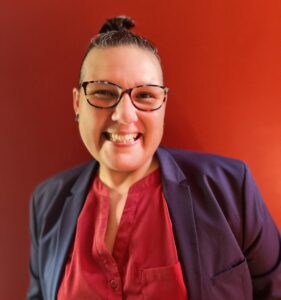
Maritza Rocha’s journey through life has been defined by resilience, dedication, and a deep commitment to her community and the environment. As the Former Executive Director at Cool Learning Experience, she inspires youth, families, and BIPOC communities to appreciate and preserve natural spaces, emphasizing advocacy and STEAM education. Growing up as a first-generation American in Chicago, influenced by her hard-working immigrant mother from Michoacán, Mexico, Maritza developed a strong sense of connection and commitment. Her passion for tangible impact and community service grew as she pursued a bachelor’s degree in Sociology of Law & Society and a Master’s in Sustainable Urban Development at DePaul University, focusing on cultural and land preservation, health disparities, and the importance of green spaces in communities of color. Residing in the North Lawndale neighborhood of Chicago, Maritza Rocha embodies the power of connection, education, and inclusivity, making her a remarkable force for positive change both locally and beyond.
La vida de Maritza Rocha se ha definido por su resiliencia, dedicación y un profundo compromiso con su comunidad y el medio ambiente. Como ex directora ejecutiva de Cool Learning Experience, inspira a jóvenes, familias y comunidades BIPOC a apreciar y preservar los espacios naturales, con un enfoque en la defensa ambiental y la educación STEAM. Cómo estadounidense de primera generación que creció en Chicago, influida por su madre inmigrante trabajadora de Michoacán, México, Maritza desarrolló un fuerte sentido de conexión y compromiso. Su pasión por generar un impacto tangible y servir a la comunidad creció mientras obtenía una licenciatura en Sociología del Derecho y la Sociedad y una maestría en Desarrollo Urbano Sostenible en la Universidad DePaul, enfocándose en la preservación cultural y del territorio, las desigualdades en salud y la importancia de los espacios verdes en comunidades de color. Maritza Rocha vive en la comunidad de North Lawndale en Chicago dónde continúa compartiendo su pasión por la conexión, la educación y la inclusión, convirtiéndose en una fuerza destacada para el cambio positivo tanto a nivel local como más allá.
Community Scientist
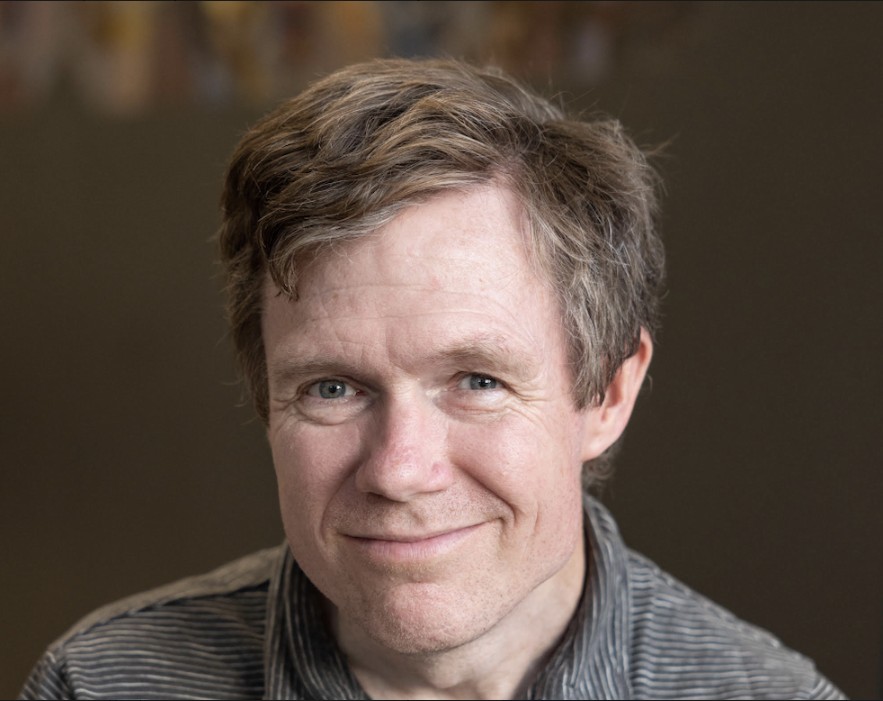
Patrick Marchman, AICP, CEP, SCR Patrick is a certified planner and climate resilience advisor with over 15 years of experience in hazard mitigation, nature-based solutions, and community-led adaptation
Patrick Marchman, AICP, CEP, SCR, es especialista certificado en planificación y asesor en resiliencia climática, con más de 15 años de experiencia en la reducción de riesgos ante desastres, el desarrollo de soluciones basadas en la naturaleza y el fortalecimiento de la capacidad de las comunidades para adaptarse a los impactos del cambio climático.
Community Science Fellow
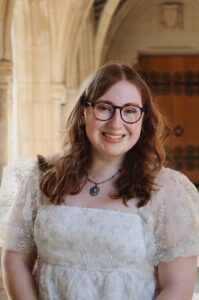
Emily Sandberg (she/her) is a PhD student in Fisheries, Wildlife, and Conservation Biology at North Carolina State University. An interdisciplinary applied ecologist by training, she has worked with a broad range of species and research projects—everything from fruit flies to lemurs! Prior to beginning her PhD, she earned a BS in Psychology and a BA in Evolutionary Anthropology from Duke University, as well as an MA in Higher Education from Columbia University. Her current research focuses on how identity supports participation in citizen science projects, and whether identifying as a citizen scientist contributes to one’s engagement in pro- environmental behaviors. Emily is fascinated by questions that bridge ecology and the people that make ecological research possible—like citizen scientists! She is deeply committed to teaching and mentoring the next generation of ecologists and is informed by both her background in higher education and her current work as an academic advisor at NC State. Emily is also driven by an appreciation for science communication, which shapes how she approaches every step of the research process and has led her to participate in informal science education and outreach initiatives at both Duke and NCSU. She is excited to engage communities in accessible, meaningful science as a Community Science Fellow!
Emily Sandberg (ella) es estudiante de doctorado en Pesca, Vida Silvestre y Biología de la Conservación en la Universidad Estatal de Carolina del Norte (NC State). Su formación se centra en la ecología aplicada desde una perspectiva interdisciplinaria, y a lo largo de su trayectoria ha trabajado con una gran variedad de especies y proyectos de investigación, ¡desde moscas de la fruta hasta lémures! Antes de comenzar su doctorado, obtuvo una licenciatura en Psicología y otra en Antropología Evolutiva en la Universidad de Duke, además de una maestría en Educación Superior en la Universidad de Columbia. Actualmente, su investigación analiza el papel que desempeña la identidad en la participación en proyectos de ciencia ciudadana y si identificarse como participante en este tipo de iniciativas puede fomentar una mayor adopción de comportamientos favorables al medio ambiente. A Emily le interesa especialmente explorar las conexiones entre la ecología y las personas que hacen posible la investigación científica, entre ellas quienes participan en proyectos de ciencia ciudadana. También tiene un fuerte compromiso con la enseñanza y la formación de futuras generaciones de profesionales de la ecología, una vocación que combina su experiencia en educación superior con su trabajo actual como asesora académica en NC State. La comunicación científica es otro de los pilares de su trabajo y está presente en todas las etapas de su proceso de investigación. Este interés también la ha llevado a participar en iniciativas de divulgación y educación científica tanto en Duke como en NC State. Como Fellow de Ciencia Comunitaria, Emily está entusiasmada por colaborar con comunidades y contribuir a que la ciencia sea más accesible, participativa y relevante para sus necesidades.
Collaborating Organizations
Status:
In-Progress,
Location:
Waukegan,
Managing Organizations:
No organizations
Project Categories:
Living Shorelines,
Natural Resources,
Water Quality,
Project Tags:
No tags