
Assessing environmental vulnerabilities in the town of Cicero, IL: an environmental justice map
Cicero, Illinois, United States
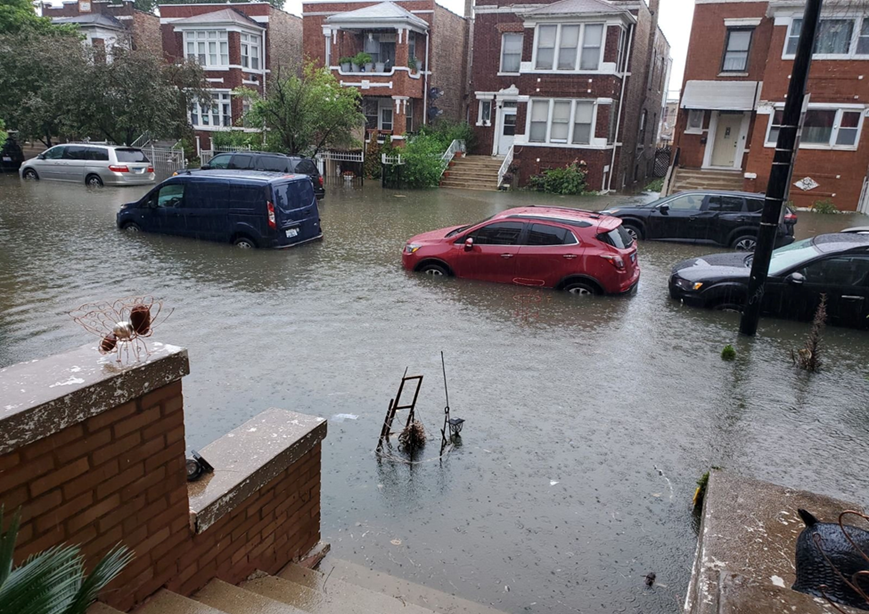
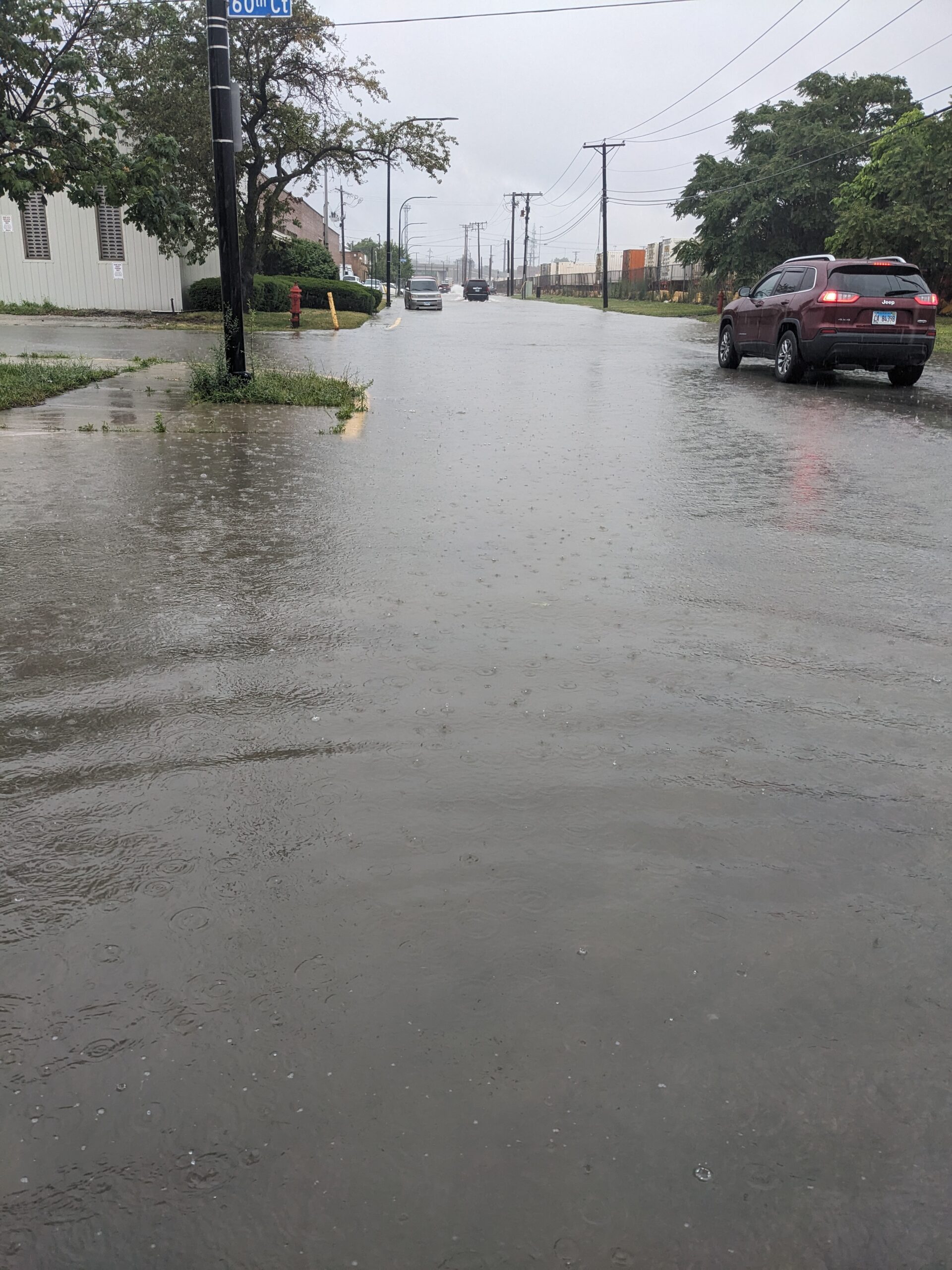
Cicero, IL has been dealing with major floods and water quality issues, causing physical, economic and environmental distress to the population. Community leaders are in need of a hydrological map that can be presented to potential funders of projects aimed at flood mitigation and mitigation of the spread of stormwater-borne contaminants. With the threat of climate change and extreme precipitation, they are worried that the flood that happened in July 2023 will happen more and more, putting a stress on the livelihood of the population.
Results
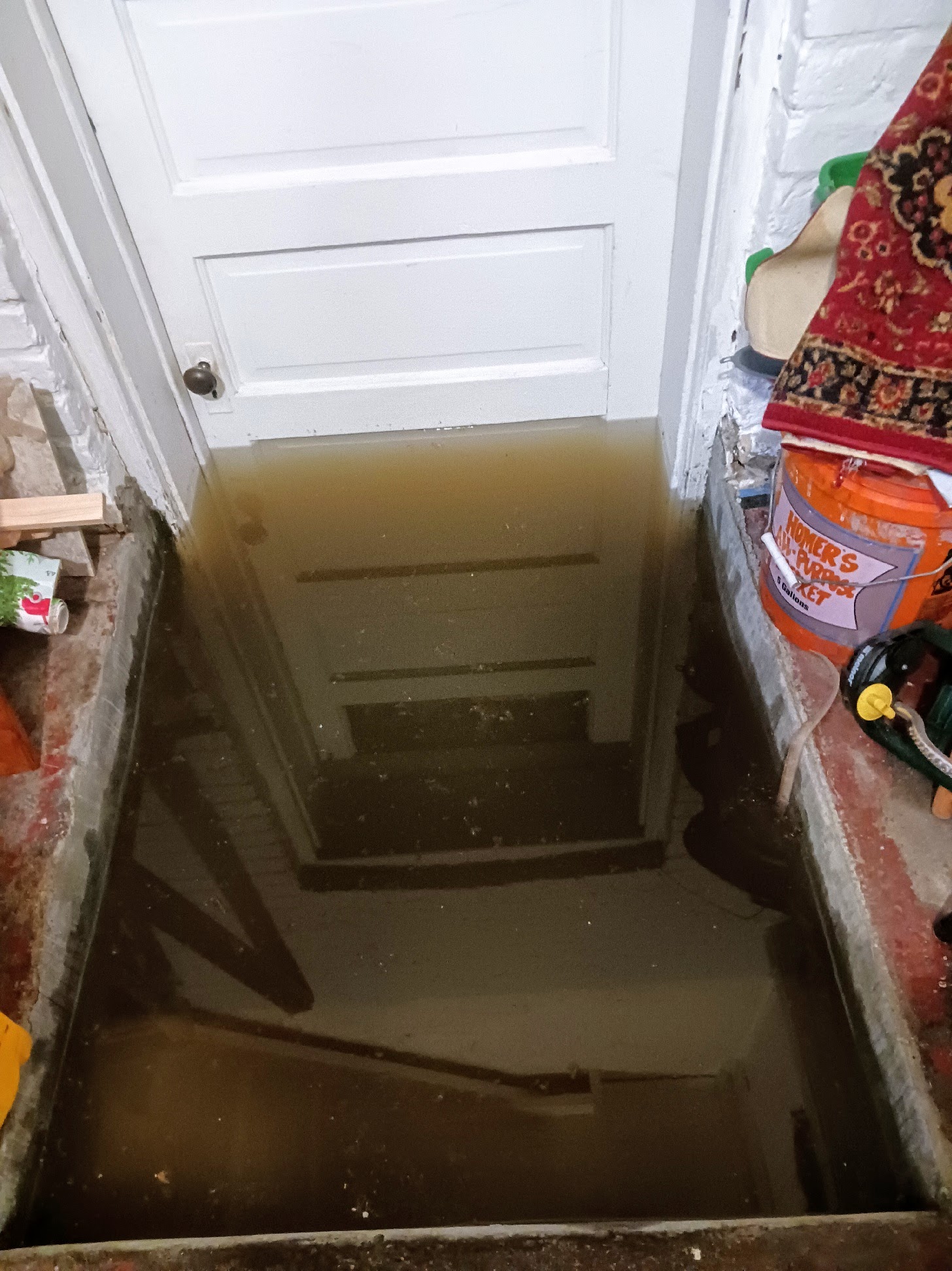
This project emerged in response to severe flooding in Cicero, IL, following an extreme rainfall event in July 2023 that left many homes and basements inundated with contaminated stormwater. Cicero, a historically marginalized and predominantly Latino community, is grappling with aging infrastructure, inadequate stormwater management, and a lack of support from local authorities. Recognizing the urgency of addressing recurring floods, and their public health implications, we developed a hydrological risk map.
The project began with bi-weekly meetings to build trust and understand community priorities. There has been a lot of frustration over longstanding inaction, systemic neglect, and a deep mistrust of outside institutions. They wanted the project to address everything from sewer overflow mapping to long-term water quality monitoring. Due to limited resources and time, we had to narrow the scope to a single actionable deliverable: a story map that visualizes flood vulnerability, tells the story of Cicero and provides compelling scientific data for investment in mitigation infrastructure.
The final product reflects both scientific insight and community voice. It highlights areas most impacted by flooding and illustrates the physical and economic toll on residents, and provides a tool for pursuing funding and policy change.
Outputs
- Story map showcasing flood data and visuals to raise awareness and support funding: Coming Soon!
- Analysis of historical flood exposure and future flood risk under climate change conditions.
- Recommendations for areas needing urgent improvements.
What major project changes did you have to make in order to succeed?
- We narrowed the project’s scope from multiple desired outputs (sewer mapping, risk education, policy advocacy, etc…) to focus on a single, high-impact deliverable: the story map.
Outcomes
- Community leaders have now a clear, visually compelling tool to advocate for funding and policy attention.
- The project helped validate community concerns and gave leaders and avenues to amplify their voices.
Future Work
- Community leaders are exploring new partnerships and grant opportunities to continue their work.
Anything else you would like to share?
- The passion and persistence of Cicero’s leaders were the heart of this project. Their lived experience made the data come alive.
Reflections
- What are 2-3 things that contributed to your success?
-
- Trust-building through consistent communication and presence.
-
- Clear, community guided prioritization of goals.
-
- Support from TEX in every step of the way.
- What would you do differently if you were to do it again?
-
- Set clearer scope expectations earlier in the process.
- What lessons can you share that would be helpful for others who may be embarking on a similar project journey?
-
- Trust is non-negotiable in community science.
-
- Listening is more important than rushing to a solution. Communities know what they need, we have to present the resources available.
Description
About the Community
The community leaders involved in the project are part of a community group and academia and represent the predominantly Latino community of the urban town of Cicero. Their main goal is to inform the community through a map showing the different vulnerabilities that they are facing. They have been working for many years on advocating for the well-being of their communities while encountering very low response from local government.
- Virginia tech conducted a water quality analysis in Cicero: https://www.youtube.com/watch?v=x1mrZ1zHb9o&t=2s
- News report on the flooding that happened on July 2023: https://www.youtube.com/watch?v=YefEgLXPvxA&t=22s
- Local government response after floods: https://www.nbcchicago.com/news/local/cicero-residents-sound-off-at-board-meeting-more-than-1-week-after-devastating-floods/3184323/
- Read more about how Cook County is working to address environmental burdens here: https://www.cookcountyil.gov/news/cook-county-invites-public-participation-environmental-justice-policy-planning-process
-
Ixchel (past EJ efforts in Cicero): https://vimeo.com/268502123
- Video of local flooding in Cicero: https://photos.google.com/direct/AF1QipON5QbdzI5-9dac3TiB8oDD-3BvytTSTi1g0iGrWISYhGRaO9TAS6xhTcl77_wwXw/photo/AF1QipOp4x8BVtGE-kNAPlFr9r7uum18XnssPfbJQXZb
About the Project
In Cicero, IL, community leaders are deeply concerned about the escalating risks posed by extreme rainfall, especially in light of recent climate change patterns. The community experienced a flash flood with 9 inches of rain in July 2023, following intense rainstorms, which resulted in widespread flooding of homes and basements. The floodwaters, contaminated with various pollutants, have raised serious public health concerns, prompting local community leaders to take proactive measures to safeguard their community.
Recognizing the need for public emergency preparedness for all community members and response, the community is spearheading an initiative to develop an updated flood risk map. This map will serve as a crucial tool for educating residents about their vulnerability to flooding and the sources of their exposure to flood-borne contaminants, both biological and chemical,. By clearly identifying high-risk areas, the map will empower residents to take preventive actions and bolster community efforts to advocate for stronger flood mitigation measures from local government authorities.
This project aims not only to enhance the community’s resilience against future floods but also to drive policy changes that will lead to long-term solutions for flood management and public health protection in Cicero.
Project Team
Community Leaders
Delia Barajas is a strong woman of faith, profoundly inspired by Pope Francis’s encyclical “Laudato si: On Care for Our Common Home.” Witnessing the degradation of her homeland caused by resource extraction by wealthy corporations, she is deeply concerned about global issues such as scarcity of clean water, heat waves, droughts, and food insecurity. As a mother, grandmother, and committed community member, she feels a profound responsibility to take action, striving to ensure a better quality of life for future generations.
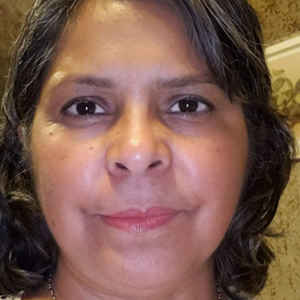
Carmen Jimenez has been a dedicated resident of Cicero for the past 25 years, actively contributing to various organizations aimed at enhancing the community. Guided by the principles outlined in Pope Francis’s encyclical, “Laudato si: On Care for Our Common Home,” she is committed to fostering an environment where communal care and green spaces are prioritized. Her efforts focus on ensuring that these areas are both enjoyable and safe for residents of all ages. Carmen believes that achieving these goals requires collaborative effort and unity, driven by a profound love for the collective well-being.
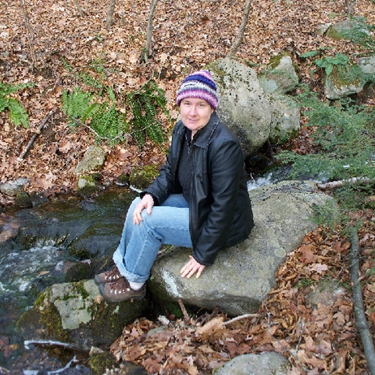
Sasha Adkins, PhD, MPH teaches environmental health at the University of Massachusetts Amherst and works with communities facing environmental injustice. Sasha is also a fellow with GreenFaith and a Laudato Si animator.
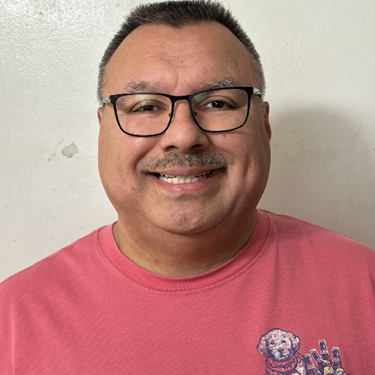
Johnny Reyes is a Berwyn resident with two children, both having graduated from Pershing Elementary School and Freedom Middle School. His son graduated from St. Joesph High School; his daughter attended two years at St. Joesph High School before the school closed their doors. Johnny’s daughter attended her last two years at Morton High School graduated in 2023 and today both my son and daughter are attending Morton College. He was the Morton West PTO President for two years, one of the founders of the 3500 Highland Block Organization, ran for District 201 school board, coached and sponsored Berwyn T-Ball and Little League for five years and coached soccer for 5 years at the Berwyn Park District and is still active Berwyn Community member.
Community Science Fellow
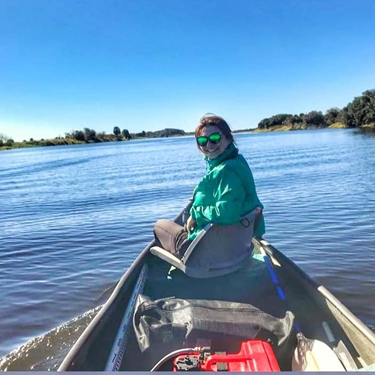
Caroline Huguenin is a PhD candidate at the University of Florida. Her research is focused on extreme events and their drivers. Her areas of interest are hydrology, remote Sensing, climate change scenarios, and working with youth on water issues.
Community Scientist

Abhinav Wadhwa is dedicated to empowering different regions in Chicago through innovative flood resilience and climate adaptation strategies, while also advancing flood modeling research in the Quad Cities. His work centers on developing an accessible, data-driven platform that combines flood mitigation with sustainable urban planning to protect infrastructure and populations affected by large scale processes and the impacts of extreme events in urban cities. Recognizing that these communities often lack resources for resilient infrastructure, Abhinav’s platform will allow individuals, city planners, and local governments to make informed decisions about flood risks, climate-adaptive housing, and sustainable neighborhood development. By incorporating real-time data, community engagement, and educational resources, the platform is designed not only to mitigate flood risks but also to empower societies to actively participate in resilience planning. Through partnerships with local governments, environmental scientists, and civil engineers, Abhinav aims to bridge the gap between technology and equity, ensuring that even the local citizens have access to tools for a safer, climate-resilient future.
Collaborating Organizations
Corazon Community Services
Cook County Environmental Sustainability
Franciscan Action Network
American Rivers

Anthropocene Alliance: National Fish and Wildlife Service
Status:
Complete,
Location:
Cicero,
Managing Organizations:
Anthropocene Alliance,
Thriving Earth Exchange,
Project Categories:
Air Pollution,
Environmental Justice,
Flooding,
Water Pollutants,
Project Tags:
No tags