
Healthy Watershed, Healthy Martinez: Evaluating Solutions for Watershed Climate Resilience in the Alhambra Creek Watershed
Martinez, California, United States

Brief Description
Martinez, California lies within the Alhambra Creek watershed, a waterway in the East Bay region of the San Francisco Bay Area. The watershed is historically affected by urban stream syndrome causing significant incision of stream banks, leading to property damages and downstream sedimentation and flooding. With climate change, these issues become a larger threat to residents, wildlife, and the overall watershed. The Alhambra Watershed Council (AWC), Friends of Alhambra Creek (FOAC), and Contra Costa Resource Conservation District (CCRCD) are looking for an expert in hydrology or fluvial geomorphology with experience in nature-based solutions to help identify and prioritize nature based solutions using existing and collected data on runoff, erosion, and sediment. This analysis and mapping will provide scientific basis for implementation of these nature based solutions and assist the community organizations in prioritizing their restoration efforts.
Description
About the Community
The Alhambra Creek watershed in Martinez, California, a waterway in the East Bay region of the San Francisco Bay Area, has gone through significant geomorphic and hydrologic alteration associated with urban stream syndrome, including increased runoff and sediment transport which result in further channel incision. This has resulted in stream bank instability and downstream sedimentation with projected climate change expected to intensify precipitation extremes and compound these dynamics.
Martinez is a city of 37,287 situated on the Carquinez Strait at the mouth of the Sacramento and San Joaquin Rivers in the San Francisco Bay Area of California. It serves as the county seat of Contra Costa County and possesses a densely built historic downtown in the northern part of the city, with more recent suburban development characterizing the city moving south. To the west of the city sit scenic hills of preserved wildlands. Much of the city lies in the watershed of Alhambra Creek, at the top of which is home to the John Muir National Historic Site. John Muir, a major source of local pride, is known as the “Father of National Parks” and celebrated for his contributions to the protection of wilderness and natural resources. At the bottom of the watershed is a center of petroleum refining and related industries. This industry is of great importance to the local economy but its effects have raised watershed and marine health concerns.
About the Project
The watershed has historically experienced urban stream syndrome causing flashier storm water flows that have caused extensive erosion and incision. Erosion of stream banks causes damage to streamside properties and infrastructure which increases sedimentation of its lower reaches and heightens storm flows. Increased flood risk to residents and wildlife continues to remain a threat. With climate change, these issues will be compounded by more frequent downpours and increased storm water runoff.
In response, the Alhambra Watershed Council (AWC), Friends of Alhambra Creek (FOAC), and Contra Costa Resource Conservation District (CCRCD) initiated a watershed assessment in Fall 2025 to identify dominant sediment sources and hydrologic drivers, to prioritize infrastructure projects, Nature-based Solutions (NbS), or a combination of both to provide multiple benefits to people and the environment. This study, with the help of Environmental Policy Lab at the Indo Specific Studies Center in Sydney, Australia, adopts a process-based geomorphic and hydrologic framework focusing on identifying dominant sediment sources and transport mechanisms to distinguish shallow land-sliding and channel erosion in entrenched reaches to inform stabilization efforts and prioritize Nature-based Solutions wherever feasible. Using a combination of geospatial analysis, targeted field observations and community science data, the project hopes to produce a spatial decision-support framework to guide solution implementation for watershed-scale climate resilience and risk reduction.
Timeline and Milestones
November 2025 to early January 2026: Scope finalization and publication of project webpage on TEX website.
January to March 2026: Recruit, Interview, and Select scientist or expert and onboarding expert to project team.
April to July 2026: Compile and collect data related to runoff, erosion, and sediment in the watershed region through existing data and field observations. Create a spatial analysis of the watershed, identifying key factors for site for Nature-based solutions.
August to October 2026: Identify and prioritize sites for potential NBS or infrastructure projects.
End of project: Share project artifacts and results on TEX’s blog and with local officials to help inform planning efforts and potential grant opportunities.
Project Team
Community Leads
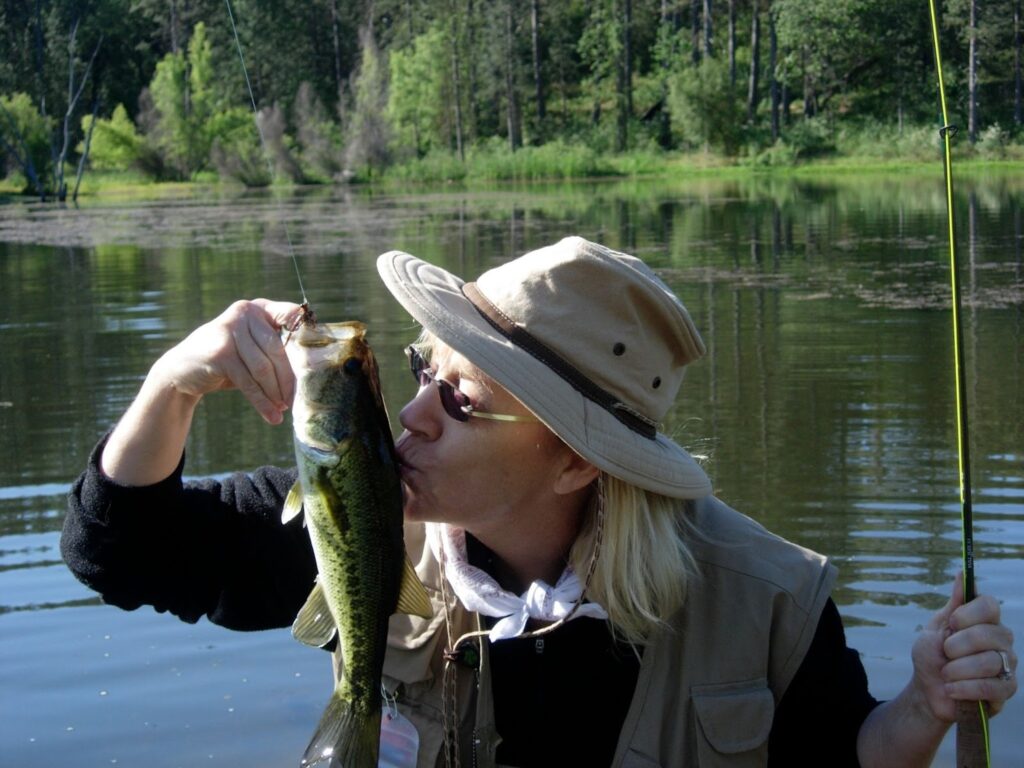
Suzy Hall-Whitney is a retired public school teacher and a long-time resident of Martinez, California. Since retiring, she has become a member of the Alhambra Creek Watershed Council, Friends of Alhambra Creek, and the California Native Plant Society. Once a week, she works as a volunteer and helps maintain native plant gardens throughout the city of Martinez. She also volunteers at the International Bird Rescue where injured aquatic birds are rescued and brought to IBR for a second chance. Suzy cares deeply about the environment, wildlife, and the interconnectedness of nature.
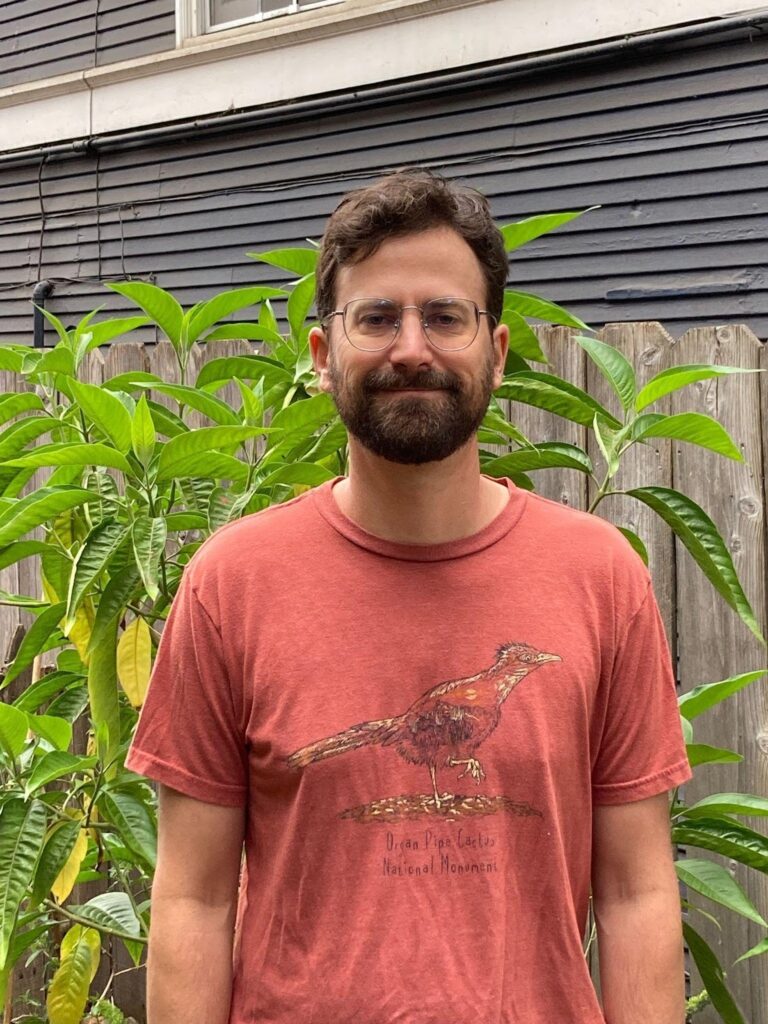
Evan Green is a Watershed Conservation Coordinator with the Contra Costa Resource Conservation District (CCRCD). One of his current roles is supporting the Alhambra Watershed Council and Friends of Alhambra Creek in their work aimed at improving the health of the Alhambra Creek Watershed. He has professional experience in environmental education, ecological restoration, and California native plant horticulture. He is passionate about connecting communities with Nature and empowering them to develop and implement solutions to our most pressing environmental problems.
Collaborator
Igor Skaredoff is a long-time member of Friends of Alhambra Creek and the Alhambra Creek Watershed Council and co-author of User’s Guide to the Alhambra Creek Watershed Management Plan. He is also a retired Contra Costa County Hazmat Commissioner, Military Ocean Terminal (formerly Port Chicago Naval Weapons Station) Restoration Advisory Board member, East Bay Regional Park District Community Advisory Panel member, and Board President of the Contra Costa Resource Conservation District. He has a BS in Chemistry and a BA in Russian from San Jose State University. As a long-time participant in watershed stewardship and Nature-based Solutions work, he is happy to bring a historical perspective and a network of contacts to this endeavor, and to facilitate cooperation with others engaged in this effort.
Community Scientists

Pradeep Nair is a Senior Professor and Director Research at Central University of HimachalPradesh, India. His work on marginalized communities and his collaborations with European researchers aim to bridge the gap between high-level climate policy and the lived realities of vulnerable populations. Nair is a Senior Research Fellow in Earth System Governance Project at Uppsala University, Sweden and is a Senior Fellow and Project Lead in Environmental Policy Lab at Indo Specific Studies Center, Sydney, Australia. He is an expert with Sabin Center for Climate Change Law, Columbia Climate School of Columbia University in New York and IPL Expert in UNESCO Policy Lab. He is interested in improving the wildlife habitat and ecology of the Alhambra Creek Watershed through watershed protection and restoration policies.

Pamela Eyre Victoria Lira is the first Filipina Erasmus Mundus scholar of the Copernicus Masters in Digital Earth with a specialization in Geovisualization and Geocommunication at University of Salzburg. As a licensed Professional Geologist, researcher and writer her areas of expertise are geoinformatics and youth engagement. With her advocacy for mobilizing climate action, Pamela serves as the Storytelling Lead of Youth Strike 4 Climate Philippines and Project Director for the Sponge City for SEA, and previously worked with the Climate Change Commission of the Philippines.
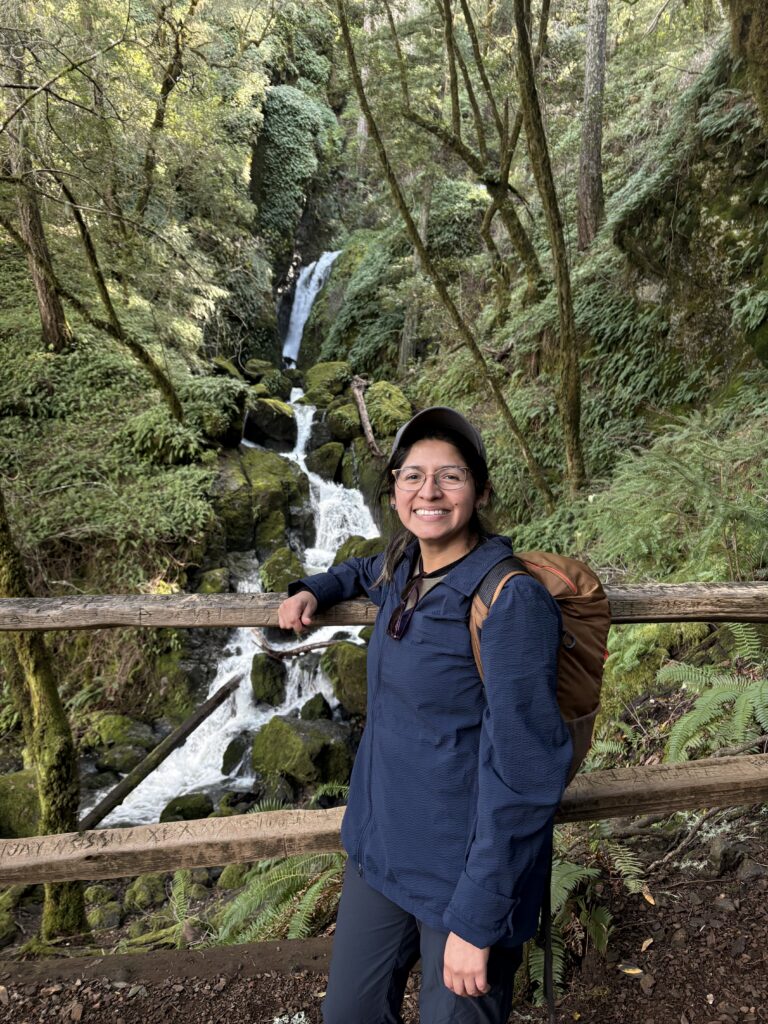
Mishel Melendez-Bernardo is a fluvial geomorphologist and civil engineer specializing in water resources and river processes. She earned her PhD in the Rivers, Watersheds & Landscape Dynamics program at the University of Illinois at Urbana-Champaign and has conducted research on sediment transport, river hydrodynamics, and remote sensing of large rivers in Peru and Canada. Mishel currently works at WRA, Inc., contributing to stream restoration and watershed projects across the San Francisco Bay Area and beyond. She is passionate about advancing river science and applying nature-based solutions to support resilient watersheds and communities.
Community Science Fellow

Waverly Lau is an environmental science professional with experience in program coordination, community engagement, and science communication. Their recent work includes developing and managing mentoring and career development programs serving a virtual community of earth and space scientists. She is interested in supporting adapting communities and creating accessible and sustainable spaces involving the interconnectedness of people and the environment.
Collaborating Organizations
The Indo-Pacific Studies Center Environmental Policy Lab is a regional platform for collaborative, interdisciplinary work on the environmental challenges shaping the future of the Indo-Pacific located in Sydney, Australia. From rising sea levels and climate migration to decarbonisation and environmental security, the Lab brings together researchers, practitioners, and policy actors to generate solutions that are innovative, inclusive, and actionable.
Friends of Alhambra Creek is a volunteer group that brings people and Alhambra Creek together to protect the health of the creek and its surrounding community. Its primary goals are to:
- Preserve and enhance the creek’s natural habitat and processes.
- Provide resources and assistance to protect property from erosion and flooding.
- Provide education about the creek, its processes, services, and its natural role in the ecosystem.
- Highlight the creek’s role in enhancing the quality of life.
The Friends of Alhambra Creek emphasizes forming partnerships to accomplish our goals. Some of our partners are: Alhambra Valley Creek Coalition, Alhambra Watershed Council, California Department of Fish and Wildlife, California Native Plant Society, East Bay Chapter, City of Martinez, Contra Costa Flood Control, Contra Costa Resource Conservation District, Creekside property owners, East Bay Regional Park District, John Muir Land Trust, Mt. View Sanitary District, National Park Service.
The Alhambra Watershed Council (AWC) is a stakeholder group that was established in 1997 to produce the Alhambra Creek Watershed Management Plan (2001). The group’s mission is to protect and enhance the health of the Alhambra Creek Watershed by educating the public about the watershed, providing a forum for new ideas and projects, and acting as a community resource. By representing diverse stakeholder interests and promoting healthy natural systems, the aims to support the health and vitality of the entire watershed community. Contra Costa Resources Resource Conservation District, Friends of Alhambra Creek, National Park Service, New Leaf Collaborative, Mt. View Sanitary District and residents are among the active participants.

The Contra Costa Resource Conservation District (CCRCD) facilitates the conservation and stewardship of natural resources in Contra Costa County, in the San Francisco Bay Area of California. Their programs and work include watershed conservation, wildfire conservation and resilience, agriculture, monarch conservation, habitat restoration, and environmental education.
Status:
In-Progress,
Location:
Martinez,
Managing Organizations:
Thriving Earth Exchange,
Project Categories:
Climate Resilience,
Coastal Water,
Flooding,
Storm Management,
Water Management,
Project Tags:
No tags