
Community-Led Sulfur Pollution Assessment: Monitoring Blueprint and Policy Strategy
Port Townsend, Washington, United States
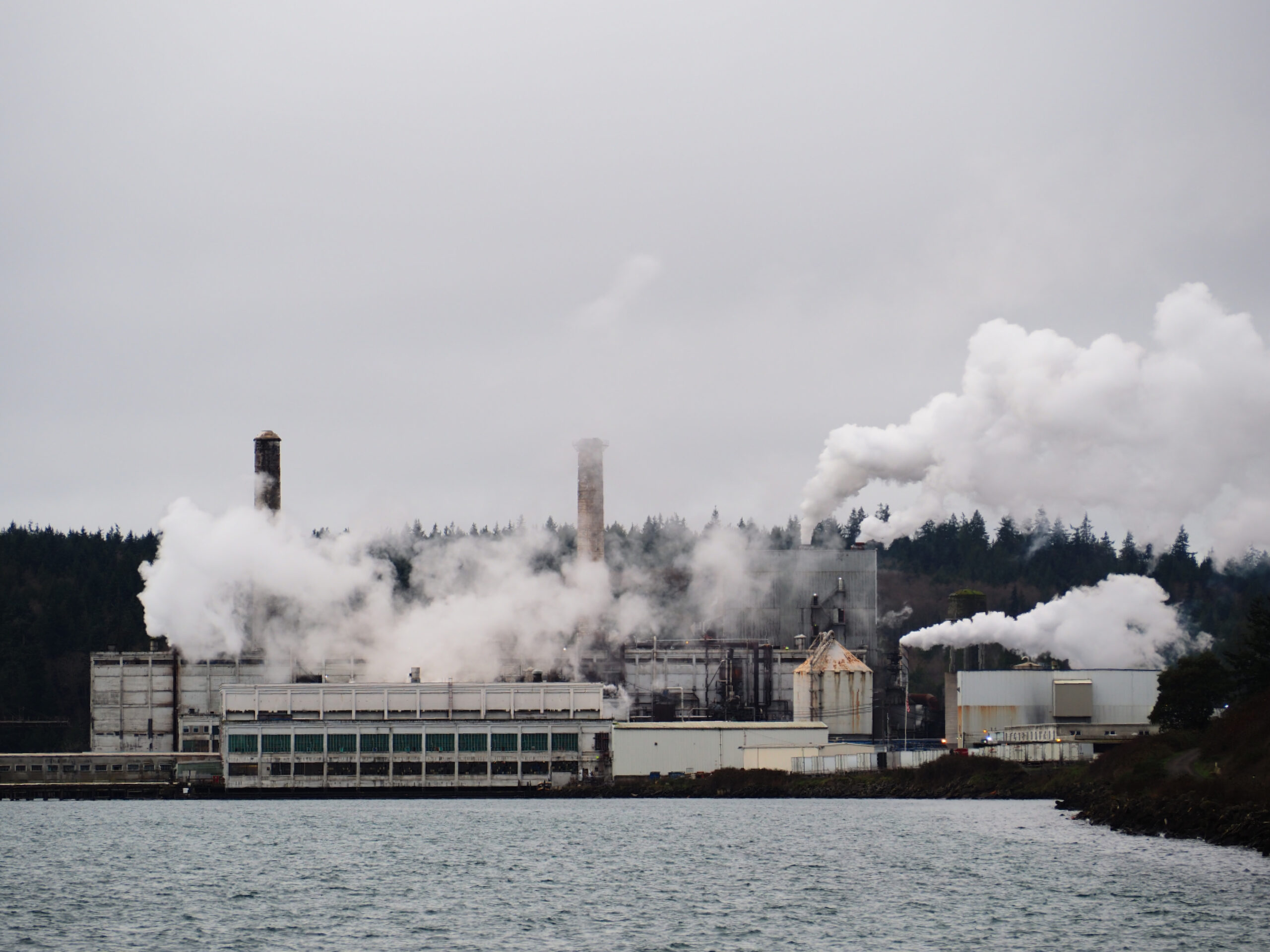
This project addresses community concerns about sulfur air pollution from the Port Townsend Paper Corporation mill by analyzing existing data and developing a plan for future monitoring. The team will combine a regulatory proposal with the design of a low-cost sulfur monitoring network. An atmospheric scientist or air quality expert with expertise in sulfur emissions, air-quality regulation, and community monitoring will interpret existing studies, advise on sensor selection and placement, and support policy-ready communication. The project will provide residents and local leaders with evidence, tools, and a clear roadmap to improve air quality and protect community health.
Description
About the Community
Port Townsend is a small coastal community on Washington’s Olympic Peninsula, known for its maritime history, rural character, and strong environmental values. Residents have long lived alongside the Port Townsend Paper Corporation mill, a kraft and paper-recycling facility that is one of the area’s largest employers and also its primary industrial air-pollution source. Community members, including local journalists and advocates, have raised concerns about sulfur emissions for years, especially after a scientific study detected fourteen sulfur compounds —far more than the four that Washington’s Department of Ecology currently regulates. Although the study documented acute respiratory effects, its recommendations for broader monitoring have not been acted upon, and the area around the mill is now seeing rapid development targeted toward vulnerable populations, including an emergency shelter for the unhoused and up to 300 units of workforce housing.
The community group is seeking clearer answers they can share with neighbors, officials, and future residents. Their goal is to better understand existing scientific data, evaluate options for local monitoring, and explore regulatory proposals for state legislators. They are working with the Thriving Earth Exchange to gain scientific guidance, assess different monitoring and policy pathways, and make informed decisions about how to protect community health as the town grows and changes.
About the Project
This project will support the Port Townsend community to evaluate options for addressing sulfur air-pollution concerns from the Port Townsend Paper Corporation by interpreting existing scientific studies and developing a clear plan for future monitoring and policy engagement. Because new data collection is not feasible within the project timeline, the work will focus on understanding the existing data from the Agency for Toxic Substances and Disease Registry (ATSDR) 14-compound sulfur study, identifying gaps in current regulation, and translating this information into a proposal that the community can take to local and state decision-makers. At the same time, the proposal will include a technical blueprint for a future community air-monitoring network, including recommended low-cost sulfur sensors and ideal locations for monitors that could eventually link to a public notification app.
By the end of the 12–18 months, the community will have a regulatory proposal and a monitoring-network design all grounded in existing science and tailored to local needs. These deliverables will support residents to communicate more effectively with the Washington Department of Ecology, city and county leaders, and future funders. Completing this project will give the community clearer guidance, stronger technical footing, and a practical roadmap for protecting air quality as new housing and vulnerable populations move closer to the mill. The outcomes may also serve as a model for other small towns facing similar industrial-emission challenges and seeking science-based, community-driven solutions.
Timeline and Milestones
November–January 2025:
- Finalize project scope and publish the project webpage on the Thriving Earth Exchange site.
February–March 2026:
- Recruit and interview a volunteer scientist with expertise in sulfur emissions, air-quality regulation, and community monitoring.
April 2026:
- Onboard the scientist and review existing materials, including the ATSDR 14-compound sulfur study, and regulatory documents.
- Hold an initial community meeting to confirm priorities and refine regulatory and monitoring objectives.
May–August 2026:
- Develop the regulatory proposal for the Washington Department of Ecology based on existing studies.
- Draft a companion policy brief for local and state decision-makers.
September–December 2026:
- Design the community air-monitoring network blueprint, including recommended low-cost sulfur sensors, plume-mapping, and potential monitoring locations.
- Begin outlining pathways for integration with the community air-quality app.
January-February 2027:
- Host a community meeting to share findings, proposed actions, and next steps.
- Revise materials based on community feedback.
March–April 2027:
- Finalize and publish project outputs through the TEX page and local partners.
- Transition next-phase planning to community leaders and collaborators.
Project Team
Community Leaders
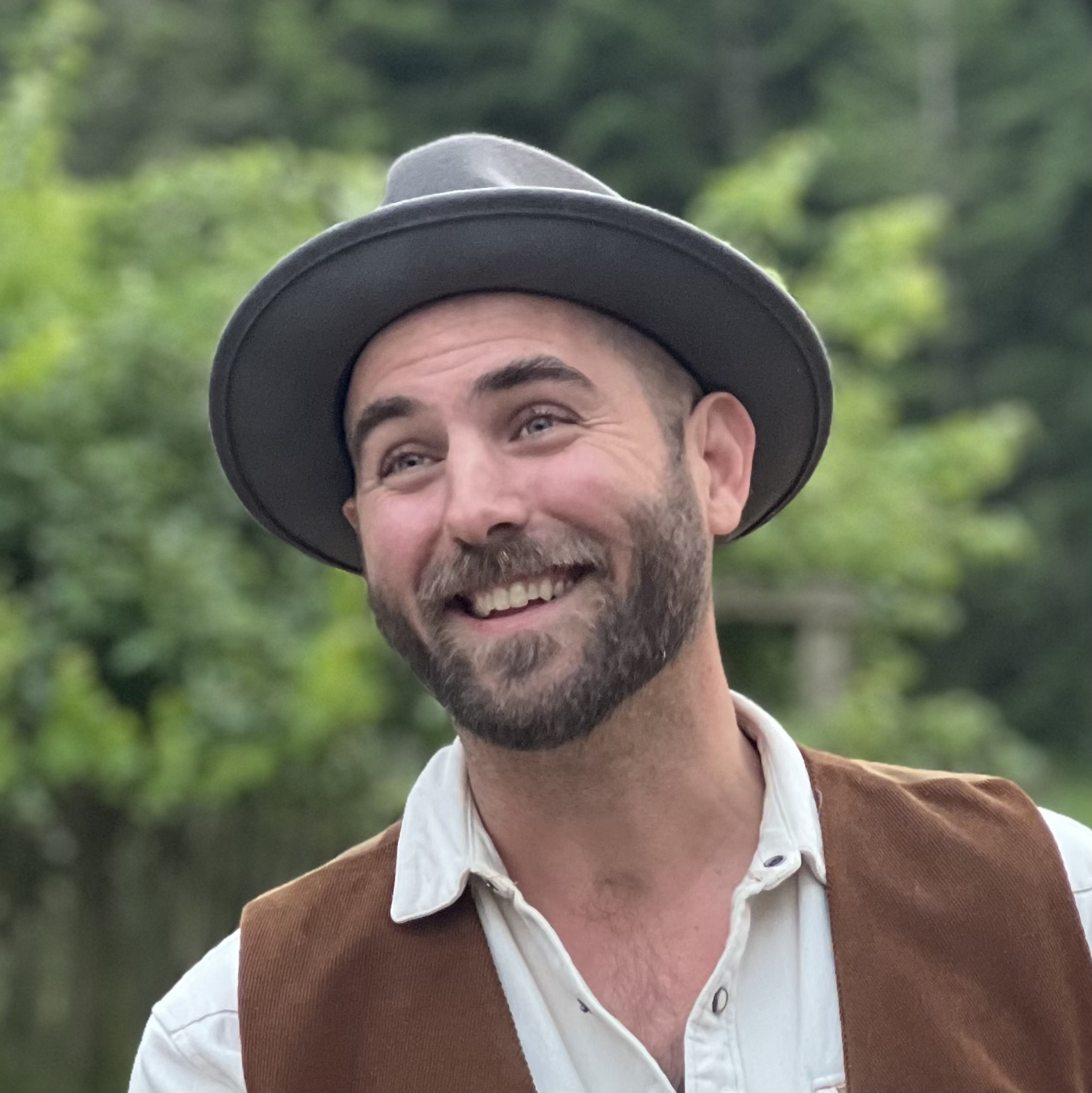
Derek Firenze is an activist, poet, and community facilitator living on unceded S’Klallam territory on the Olympic Peninsula. Drawing from experience in journalism, housing, and social services in Port Townsend, WA, he works to amplify the voices of those most affected by environmental and social inequities. Derek approaches community-based projects through storytelling and collaboration, guided by the belief that the systems that created harm cannot repair it — but that through community imagination and solidarity, we can build something entirely new.
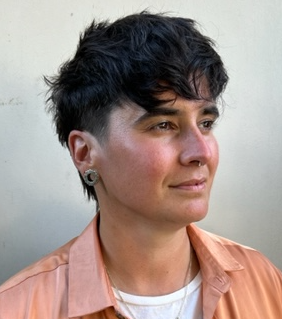
Jaime Duyck (She/They) is a climate advocate and commercial energy leader with over a decade of experience driving electrification and reducing carbon emissions in the transportation sector. Jaime actively serves on the Climate Action Committee for the City of Port Townsend and Jefferson County, where she collaborates on policies and programs that strengthen community resilience. Passionate about equity and sustainability, Jaime combines business expertise with grassroots engagement. Jaime’s mission is to combine innovation with community action to help build a world where people and the planet thrive together.
Community Scientists
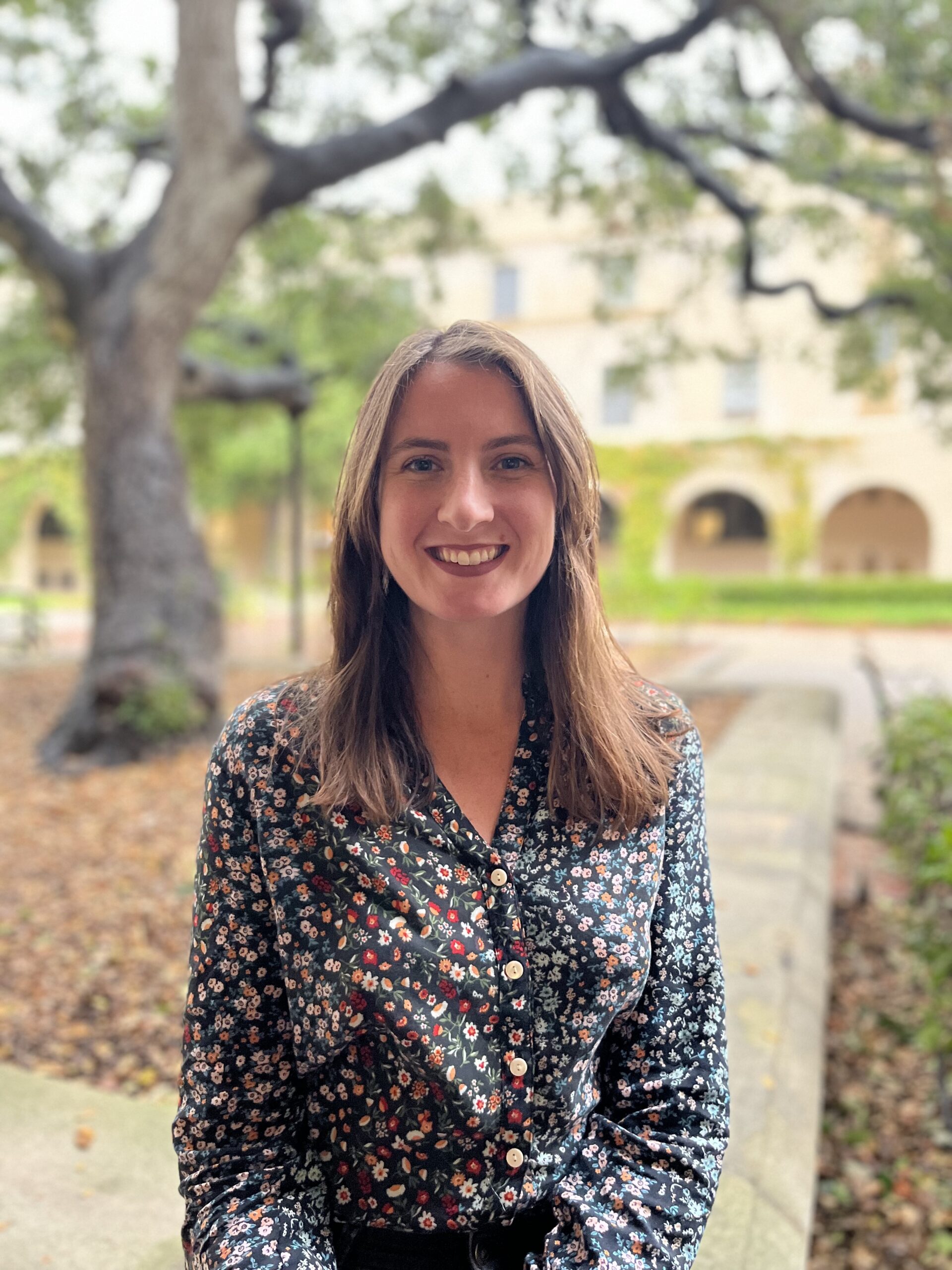
Haroula Baliaka is an atmospheric scientist and Ph.D. candidate at Caltech working at the intersection of air quality, climate change, and environmental exposure. During the 2025 Los Angeles fires, she led rapid, community-focused air quality monitoring efforts, including PHOENIX, a sensor network deployed in Altadena to track post-fire air quality. Haroula is passionate about science communication and policy, working towards translating complex environmental data into actionable insights for communities and decision-makers. She holds a Diploma in Chemical Engineering from the University of Patras, Greece.
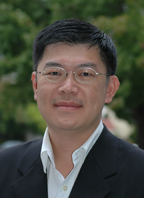
Dr. Edmund Seto is a Professor of Environmental & Occupational Health at the University of Washington School of Public Health. He serves as Director of the UW Center for Environmental Health Equity, a technical assistance center that supports tribal and community-based organizations on environmental health projects in overburdened communities. Additionally, he is the Deputy Director of the UW Interdisciplinary Center for Exposures, Diseases, Genomics, and Environment (EDGE), a National Institute of Environmental Health Sciences (NIEHS) P30 Core Center. His research focuses on measuring environmental pollution and assessing its impact through community collaborations.
Community Science Fellow
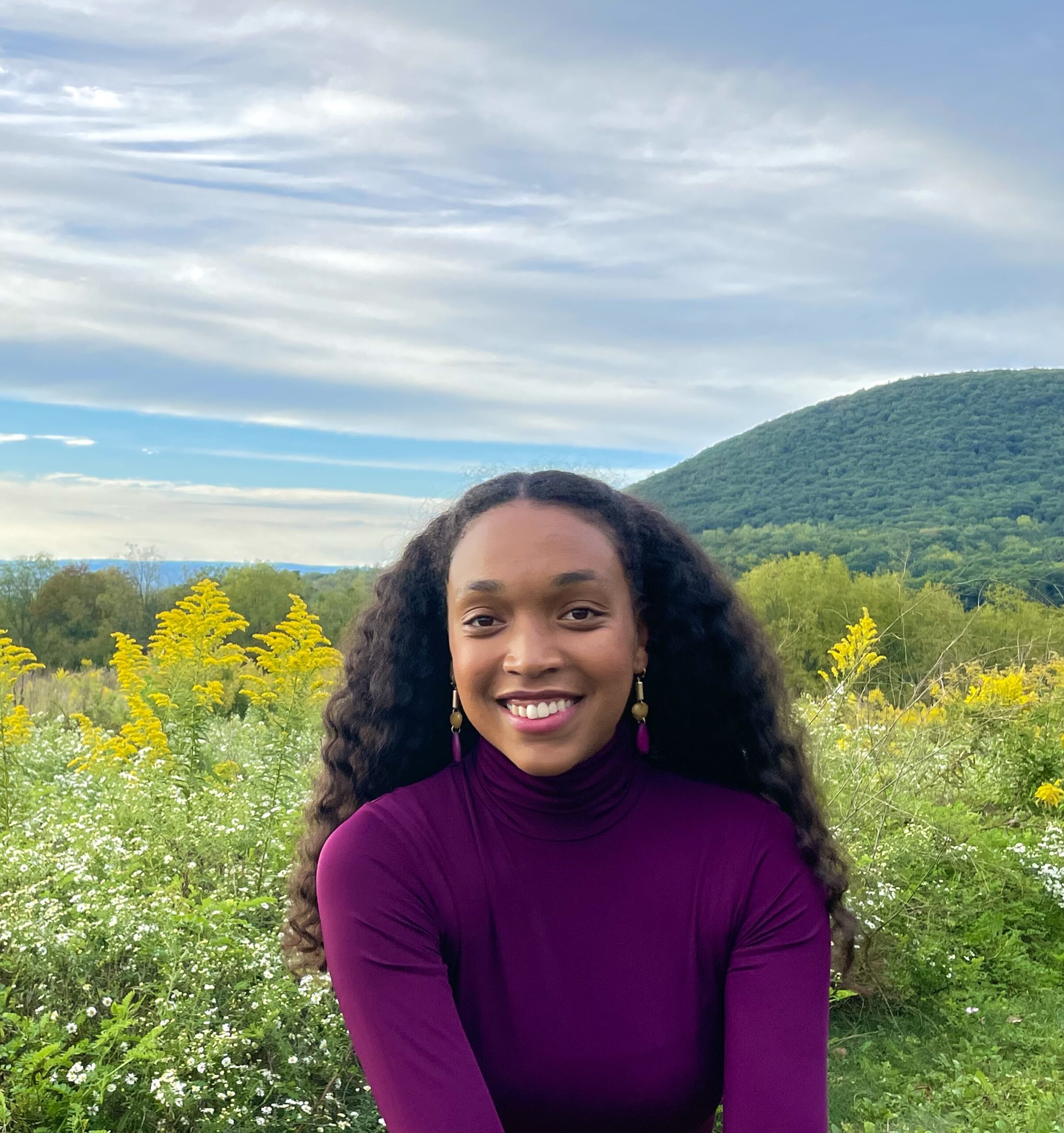
Aara’L Yarber is an atmospheric scientist and science communicator passionate about using research to serve communities. She is currently an Assistant Research Scientist at Howard University, working on air quality modeling across the United States, and has also researched air pollution and public health impacts in West Africa. She is also a part-time Science Communication Specialist for NCAS-M. Aara’L enjoys blending science and storytelling to make complex topics more accessible, with writing published in The Washington Post, Eos, Capital B Atlanta, the American Geophysical Union Newsroom, and The American Physical Society News.
Scientist Wanted
Scientist Role
The project team is seeking a scientist who can support the Port Townsend community in understanding existing sulfur air-pollution studies and evaluate options for future monitoring and policy engagement. The scientist will work with residents to interpret the ATSDR 14-compound sulfur study, clarify what these findings mean for local regulation, and help shape a proposal for the Washington Department of Ecology. They will also advise on the design of a future community air-monitoring network by providing input on low-cost sulfur sensors and suitable monitoring locations. All engagement can be remote, with optional in-person visits if feasible. The role involves collaboration, clear communication, and helping the community translate science into accessible, actionable guidance, not collecting new data.
Desired Skills and Qualifications:
- Atmospheric scientist or air quality expert with knowledge in sulfur emissions, air-quality regulation, and community monitoring
- Knowledge of industrial emission sources and plume mapping
- Experience communicating science to non-technical audiences
- Interest in community-engaged or environmental justice–focused work
Thriving Earth Exchange asks all scientific partners to work with the community to help define a project with concrete local impact to which they can contribute as pro-bono volunteers and collaborators. This work can also position the scientists and communities to seek additional funding, together, for the next stage. Unsure if you’re the right fit for this project? Reach out to us via email at [email protected] to learn more.
Scientist Role
The project team is seeking a scientist who can support the Port Townsend community in understanding existing sulfur air-pollution studies and evaluate options for future monitoring and policy engagement. The scientist will work with residents to interpret the ATSDR 14-compound sulfur study, clarify what these findings mean for local regulation, and help shape a proposal for the Washington Department of Ecology. They will also advise on the design of a future community air-monitoring network by providing input on low-cost sulfur sensors and suitable monitoring locations. All engagement can be remote, with optional in-person visits if feasible. The role involves collaboration, clear communication, and helping the community translate science into accessible, actionable guidance, not collecting new data.
Desired Skills and Qualifications:
- Atmospheric scientist or air quality expert with knowledge in sulfur emissions, air-quality regulation, and community monitoring
- Knowledge of industrial emission sources and plume mapping
- Experience communicating science to non-technical audiences
- Interest in community-engaged or environmental justice–focused work
Thriving Earth Exchange asks all scientific partners to work with the community to help define a project with concrete local impact to which they can contribute as pro-bono volunteers and collaborators. This work can also position the scientists and communities to seek additional funding, together, for the next stage. Unsure if you’re the right fit for this project? Reach out to us via email at [email protected] to learn more.
Status:
In-Progress,
Location:
Port Townsend,
Washington,
Managing Organizations:
Thriving Earth Exchange,
Project Categories:
Air Pollution,
Air quality,
Data Analysis,
Environmental Justice,
public health,
Project Tags:
No tags