
Proving Grounds: Monitoring Soil for Environmental Health in Calcasieu Parish
Portie Town, Louisiana, United States

Brief Description
This project aims to better understand environmental health risks associated with historical and ongoing industrial activities by collecting and analyzing soil samples and by experimenting with soil remediation techniques. Community leaders from Micah 6:8 Mission will recruit volunteers to participate in soil sampling, environmental education, and data interpretation. A scientist with expertise in soil contamination and remediation will help design, implement, and communicate the findings. The project will enable residents and community leaders to engage in local food-growing practices, such as community gardens, with more understanding of environmental health risks and possible roadmaps for addressing them.
Description
About the Community
Portie Town is a community in the town of Sulphur, located in Calcasieu Parish in southwest Louisiana. The region has a long history of several industrial mines and plants, which continue to serve as key employers in the area. The large presence of the industrial factories has also led to a legacy of pollution and environmental health risks, which community groups, such as project lead Micah 6:8 Mission, have worked to monitor and raise awareness of. In the past, these efforts have focused on both air and water quality.
The community group is now working on developing community gardens and raising local residents’ capacity to grow their own food. This has motivated the group to build on their tests of air and water by investigating potential environmental health concerns in the soil. While many residents are already aware of the possibility of these challenges, there is a desire within the community for more accessible and locally relevant scientific information that can help people better understand potential risks and ways of dealing with them.
The community is partnering with Thriving Earth Exchange to strengthen its ability to collect environmental data, build on its local history of monitoring pollution, and engage residents in the scientific process to foster more awareness and action on environmental health issues.
About the Project
This project will develop a community-led soil health monitoring effort focused on identifying potential contamination risks and identifying ways that these risks may be addressed through soil remediation. Community members will work alongside a volunteer scientist to design a soil sampling strategy, collect samples, analyze results, and communicate findings to residents.
The project will focus on several sites of community interest, including green spaces, community gardens, and areas associated with historical industrial activity. Part of the goal of the overall project is to help residents gain an understanding of how they could take their own soil samples to add to the knowledge of local conditions. This builds on the community science approach which enables participants with the know-how to continue monitoring and sharing knowledge beyond the duration of the project.
The project will produce a community soil health dataset, education materials tied to soil health and soil remediation techniques, and a publicly accessible soil health map. Findings will be shared with residents throughout the process in community meetings as well as at the Health and Environment Summit in September 2027.
Timeline and Milestones
Fall 2026
- Finalize scope of project, project description
- Recruit and onboard volunteer scientist
- Develop operating procedures for sampling and data collection
- Perform initial soil sampling using Incremental Sampling Methodology (ISM)
Winter 2026/Spring 2027
- Develop educational and outreach materials
- Recruit community volunteers
- Conduct community presentations and training sessions
April/May 2027
- Conduct soil sampling using initial data to refine testing sites
June/July 2027
- Analyze results
- Create community soil health map
- Experiment with remediation techniques
August/September 2027
- Develop education materials explaining results
- Share findings with residents and community partners
- Present results at Health and Environment Summit
Project Team
Community Leads
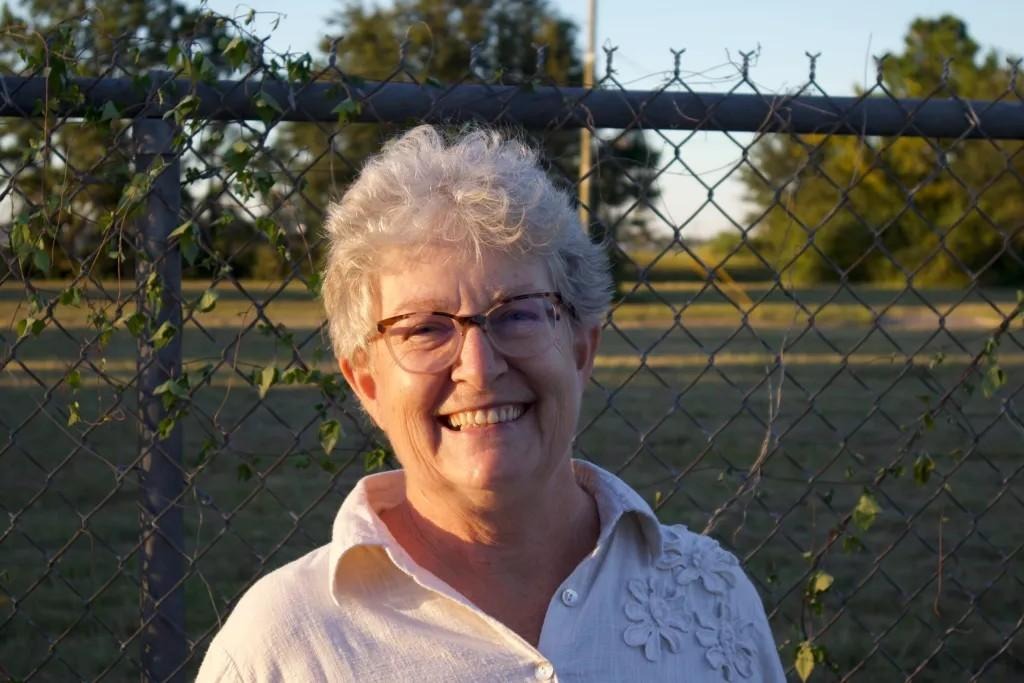
Cynthia P. Robertson, MSW, has 30 years of business experience as an administrator of both for-profit and non-profit organizations. She returned to school in 2000 and received an undergraduate degree in social work from Prairie View A&M, an HBCU in Texas, and a Master’s degree and postgraduate work in social work from the University of Houston. Her business experience includes administration of a nonprofit focusing on organic gardening, sustainable agriculture and sustainable lifestyles, as well as several for profit businesses. She has experience in all facets of administration, including human resource development, program planning and implementation, and she is a full-charge bookkeeper and has established audited accounting systems. She received the Texas Governor’s 25th Annual Governor’s Volunteer Award for her work as a Community Capacity Builder in 2008 for her activities in the Brazos Valley, Texas region with the Lena Mae Farris Foundation, which she founded. She has worked with a variety of populations, from the elderly and adults with emotional and mental health disabilities in Texas to her work in Sulphur, LA with the unhoused and adults with mental health and addictions issues. She attended three years of bi-vocational seminary and is an ordained elder in the Presbyterian Church. She is the founder and Executive Director of Micah Six Eight Mission, a nonprofit focused on supporting her community and region in Louisiana. She was appointed to the National Academy of Medicines Climate Community Network and sits on their steering committee, has spoken at several national meetings about the work of Micah Six Eight Mission.
Mark Landry is a U.S. Marine veteran, community builder, and environmental stewardship advocate in Southwest Louisiana. He works with Micah 6:8 Mission on community-based projects connecting environmental health, food security, resilience, and practical education. His background spans industrial maintenance, mechanical systems, construction, regenerative growing, and hands-on problem solving. Mark is developing Tenacity Grove as a working demonstration site for practical sustainability, ecological stewardship, and community learning. Through Proving Grounds, he hopes to help everyday residents participate in meaningful science and better understand the land, water, and environment around them.
Community Science Fellow

Mitch Kiefer is a sociologist and facilitator with a background in environmental sociology, citizen science, and community engagement. His work has focused on connecting scientific institutions with communities and other stakeholders to collaboratively address environmental and social challenges. He also brings experience designing and facilitating workshops that foster dialogue, participation, and collaborative problem-solving. He is particularly interested in using facilitation and citizen science to create more meaningful connections between communities, researchers, and the knowledge they produce.
Scientist Wanted
Scientist Role
The project team seeks a volunteer scientist with expertise in soil science, environmental contamination, environmental health, and/or soil remediation. The scientist will collaborate with community members to develop a soil sampling strategy and protocol, identify contaminants of concern, and assist in interpreting and communicating findings in ways that are accessible to the public. The team will be using Incremental Sampling Methodology (ISM). This could include a soil health map or other educational materials for the community. The scientist will also support the development of remediation techniques based on the findings.
Desired Skills and Qualifications:
- Expertise in soil science and soil remediation
- Experience with environmental sampling and laboratory analysis
- Strong collaboration skills
- Interest in environmental justice and community health issues
- Willingness to support community-led decision making
- No experience with community or citizen science needed
Thriving Earth Exchange asks all scientific partners to work with the community to help define a project with concrete local impact to which they can contribute as pro-bono volunteers and collaborators. This work can also position the scientists and communities to seek additional funding, together, for the next stage. Unsure if you’re the right fit for this project? Reach out to us via email at [email protected] to learn more.
Status:
Scientist Wanted,
Location:
Louisiana,
Portie Town,
Managing Organizations:
Anthropocene Alliance,
Thriving Earth Exchange,
Project Categories:
Project Tags:
No tags