
Flood Mapping for Fulton and McNab, Arkansas
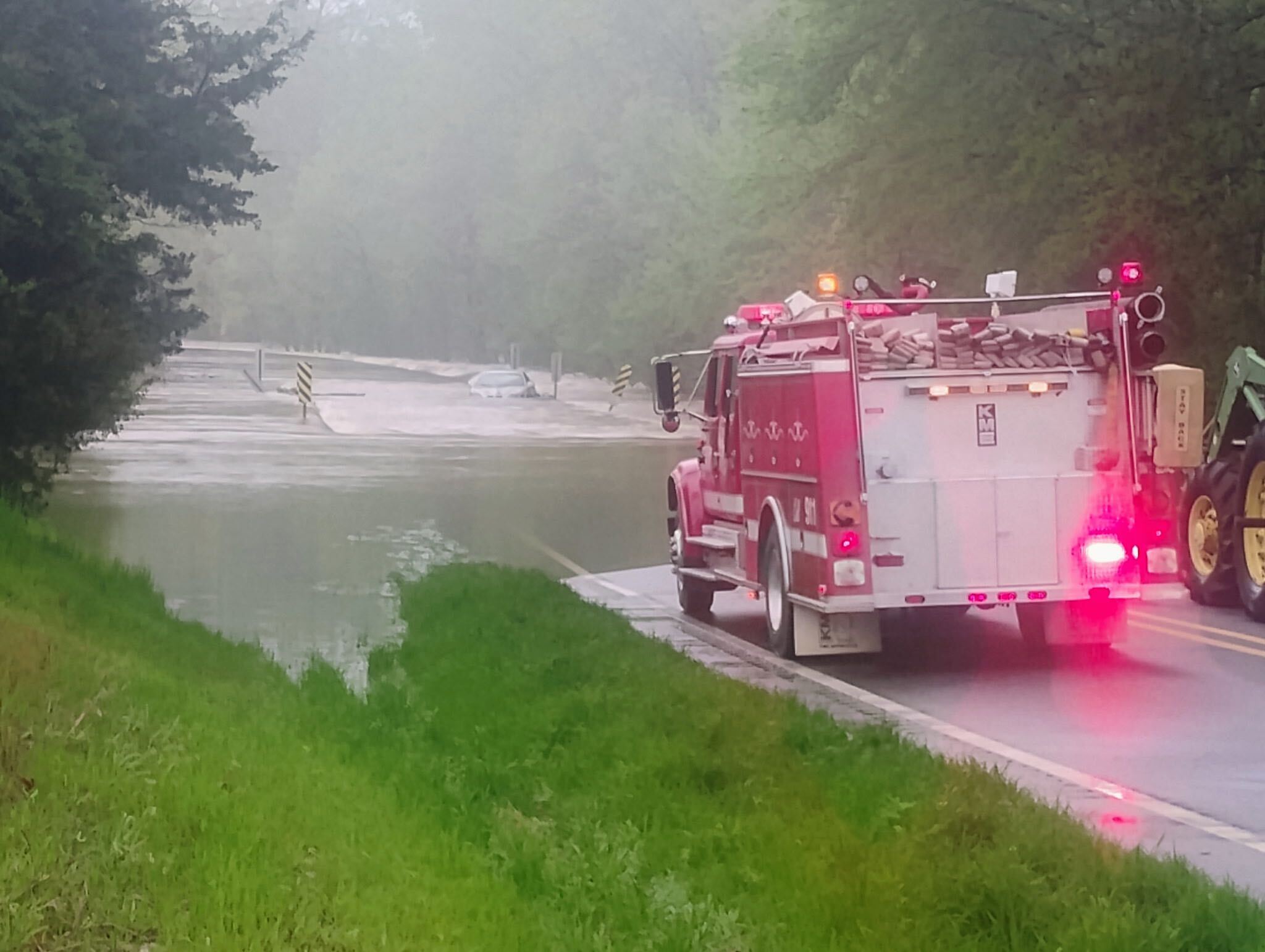
The residents of Fulton and McNab, Arkansas are interested in a comprehensive flood mapping assessment that informs residents and local businesses of flood risk and potential flood zones. As well as a recurring community town hall to empower residents with flood management education and preparedness strategy recommendations based on the result of the mapping assessment. The aim of which is to provide community members with vital knowledge and practical tools to enhance their resilience against flooding, ultimately creating a more informed and better-prepared community.
Description
About the Community
Hempstead County, Arkansas is a rural community rich in history and culture with around 19,343 residents (U.S. Census Bureau, 2023). The county has long been a cultural, travel, commerce, and settlement crossroads. In the Fulton area, Native American Caddoan cultures lived in villages along the Red River. Post-European settlement, travel and tensions were significant due to its shared border with the Spanish territory (later Mexico) and imperialistic westward expansion. In 1836, when Arkansas became a state, Hempstead was one of the original counties. In the post-Civil War South the Freedmen’s Bureau Southwest District field office was established near Fulton.
In the present day, key demographic constituencies include Black or African American residents (30%), Hispanic or Latino residents (15.6%), seniors are 21% of the population and 24% of the population is under the age of 18. These communities are concentrated across various municipalities, creating localized pockets of vulnerability within the Project Area.
The natural environment in Hempstead County challenges the area’s residents, businesses and agricultural pursuits. The Red River valley and its tributaries have long been prone to flooding, with the McKinney-Posten Bayous Watershed and Bridge Creek Watershed being particularly impacted. Additionally, Fulton’s and McNab’s proximity to high-traffic roadways and industrial activity increases pollution, further threatening the watershed and groundwater supply.
Hempstead County faces significant environmental challenges. The County includes 19 census blocks, 18 of which were designated as EPA Disadvantaged Communities by the Inflation Reduction Act (PL 117-169). Four of the seven census tracts in the county were classified as “disadvantaged” by the White House Council on Environmental Quality’s Climate & Economic Justice Screening Tool due to climate change impacts.
In addition to these features, the area ranks in the 95th percentile nationally for drinking water non-compliance, the 85th percentile for wastewater discharge, and the 83rd percentile for exposure to Particulate Matter 2.5, according to EJScreen’s Supplemental Indexes. Many communities within the county experience even higher levels of these environmental stressors, compounding existing vulnerabilities. By focusing on areas directly affected by these challenges, such as ours, this series can amplify local voices, raise awareness, and inspire action toward equitable and sustainable solutions.
About the Project
The residents of Fulton and McNab, Arkansas are interested in a comprehensive flood mapping assessment that informs residents and local businesses of flood risk and potential flood zones. As well as a quarterly community town hall to empower residents with flood management education and preparedness strategy recommendations based on the result of the mapping assessment. The aim of which is to provide community members with vital knowledge and practical tools to enhance their resilience against flooding, ultimately creating a more informed and better-prepared community.
Timeline and Milestones
Phase 1: Planning ( July 2025 – August 2025)
- Finalize the publication of the project webpage on the Thriving Earth Exchange website.
- Craft a community engagement contact list and schedule to include presenting to government bodies, faith institutions and media outlets.
Phase 2: Scientist (September 2025 – November 2025)
- Recruit and onboard collaborating scientist(s)
Phase 3: Flood Mapping (December 2025 – May 2026)
- Gather historical and existing flood data in order to create a comprehensive understanding of Fulton and McNab watershed.
- Create a detailed flood risk map using geographic data (above flood information, land use, soil, elevation, etc), making sure to identify vulnerable zones.
- Provide research backed recommendations for next steps in terms of nature-based solutions for flooding to residents.
- Conduct quarterly town halls to inform and engage the local community about the ongoing project and timeline.
Phase 4: Share (June 2026 -August 2026)
-
Host a final community townhall to share project findings with the community as well as discuss flood management education and preparedness strategy recommendations based on the result of the mapping assessment.
- Share project finds on Thriving Earth Exchange’s blog and other platforms.
Project Team
Community Leader
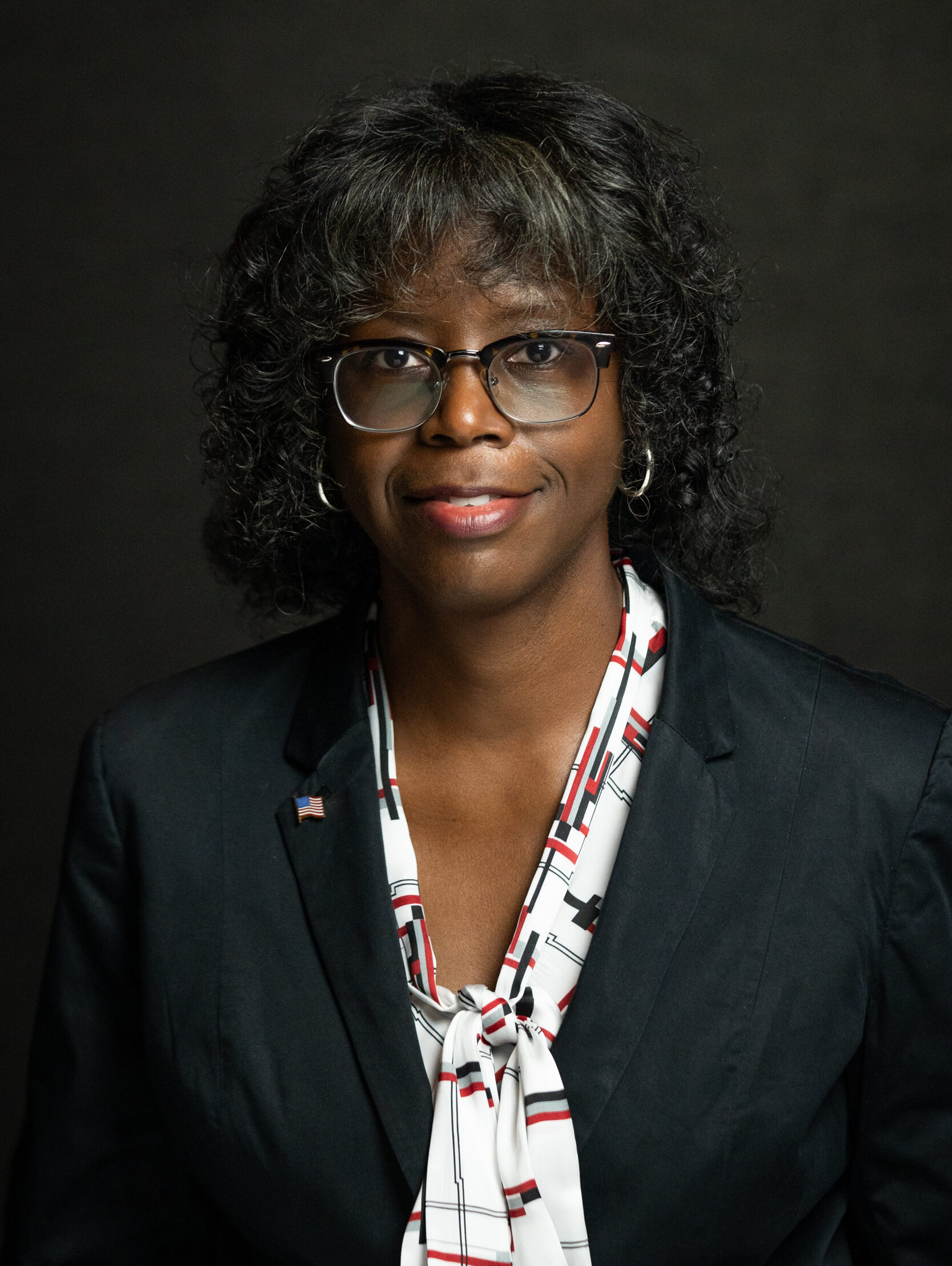
Sylvia C. Brown is a multi-faceted professional with 20-plus years of experience implementing and supporting local, state, and federal government electoral and issue campaigns and grassroots community engagement.
Sylvia founded and chairs Visibility Outreach Touch Engage South Arkansas, a nonprofit community collective finding joy in civic engagement, community building and sharing power. VOTE SoAR’s mission is to foster community-led solutions to modern challenges, with a focus on environmental justice, civic engagement, and equitable resource distribution.
VOTE SoAR Environmental Programs Project Manager

Cydnee Harris is a graduate of the #1 Historically Black College and University in the country, Spelman College. She holds a Bachelor of Arts degree in Philosophy, with a minor in Environmental Science. During her course of study, she worked directly with communities and government officials to advance equitable environmental policy. Cydnee’s commitment to environmental justice has grown since early childhood, culminating in strategic wins for underrepresented communities against climate change’s effects and access to clean energy and sustainable investments in the strategies and tactics that ensure resilience and agency. Cydnee aims to reduce global warming and climate change’s impacts on underinvested communities, domestically and internationally.
Community Science Fellow

Anushka Srivastava is a mission-driven analyst with a passion for community resilience with over 5 years of experience in the climate space. She holds a Bachelor’s degree in Geography from Rutgers University and a Master’s in Climate & Society from Columbia University. She thrives on translating complex climate information into clear, actionable insights that promote equitable change. Her expertise includes strategic planning, data communication, and community engagement. She’s excited to leverage her background to support and enhance climate resilience and community planning initiatives that make a real difference.
Scientist Wanted
Scientist Role
The science expert should have expertise in flood risk management and be able to collect data that will help the town address environmental challenges.
Key responsibilities include:
- Collecting historical and current data on flood risks, stormwater runoff and other relevant flood-based data.
- Creating a Flood Risk Story Map for Fulton and McNab, AR
- Identifying affordable and actionable flood risk mitigation strategies and nature-based solution recommendations supported by research
- Presenting findings in a Townhall Meeting in an approachable and educational manner
- Working closely with Community leaders and the community
Desired Skills and Qualifications:
- Scientist with flood data experience
- Knowledge of watershed flooding and heavy precipitation events
- Experience with large-scale data management, spatial data, and GIS (Geographic Information Systems) and mapping
- Knowledge of and respect for place-based knowledge
- Experience and/or desire to participate in citizen science, community education, outreach, and engagement
- Knowledge with green infrastructure and urban Resilience
- Public speaking skills
- Strong listening and collaboration skills
- Ideally, availability for occasional in-person visits for engagement activities in Fulton and McNab, Arkansas
- Strong independent work capabilities
- Enthusiastic about the project!
Thriving Earth Exchange asks all scientific partners to work with the community to help define a project with concrete local impact to which they can contribute as pro-bono volunteers and collaborators. This work can also position the scientists and communities to seek additional funding, together, for the next stage.
Collaborating Organizations
Anthropocene Alliance
Anthropocene Alliance is a national network of over 400 communities impacted by climate change and environmental abuse. We do that by providing scientific, technical, fundraising and community organizing assistance. We have connected several of our member communities to Thriving Earth Exchange and are now seeking to collaborate with VOTE-SoAR on their stormwater management project. We hope to be involved in connecting VOTE-SoAR to additional local partners and resources, including the South West Environmental Finance Center and WaterNow Alliance. We will also support stakeholder engagement efforts and work to raise awareness about the project.
Scientist Role
The science expert should have expertise in flood risk management and be able to collect data that will help the town address environmental challenges.
Key responsibilities include:
- Collecting historical and current data on flood risks, stormwater runoff and other relevant flood-based data.
- Creating a Flood Risk Story Map for Fulton and McNab, AR
- Identifying affordable and actionable flood risk mitigation strategies and nature-based solution recommendations supported by research
- Presenting findings in a Townhall Meeting in an approachable and educational manner
- Working closely with Community leaders and the community
Desired Skills and Qualifications:
- Scientist with flood data experience
- Knowledge of watershed flooding and heavy precipitation events
- Experience with large-scale data management, spatial data, and GIS (Geographic Information Systems) and mapping
- Knowledge of and respect for place-based knowledge
- Experience and/or desire to participate in citizen science, community education, outreach, and engagement
- Knowledge with green infrastructure and urban Resilience
- Public speaking skills
- Strong listening and collaboration skills
- Ideally, availability for occasional in-person visits for engagement activities in Fulton and McNab, Arkansas
- Strong independent work capabilities
- Enthusiastic about the project!
Thriving Earth Exchange asks all scientific partners to work with the community to help define a project with concrete local impact to which they can contribute as pro-bono volunteers and collaborators. This work can also position the scientists and communities to seek additional funding, together, for the next stage.
Anthropocene Alliance
Anthropocene Alliance is a national network of over 400 communities impacted by climate change and environmental abuse. We do that by providing scientific, technical, fundraising and community organizing assistance. We have connected several of our member communities to Thriving Earth Exchange and are now seeking to collaborate with VOTE-SoAR on their stormwater management project. We hope to be involved in connecting VOTE-SoAR to additional local partners and resources, including the South West Environmental Finance Center and WaterNow Alliance. We will also support stakeholder engagement efforts and work to raise awareness about the project.
Status:
Scientist Wanted,
Location:
Fulton,
Managing Organizations:
Anthropocene Alliance,
Thriving Earth Exchange,
Project Categories:
Flooding,
Natural Hazards,
Storm Management,
Water Management,
Project Tags:
No tags