
Hot Zones: Implementing Resilience Hubs (i.e. Cooling Centers) to Combat Extreme Heat in Boynton Beach
Boynton Beach, Florida, United States
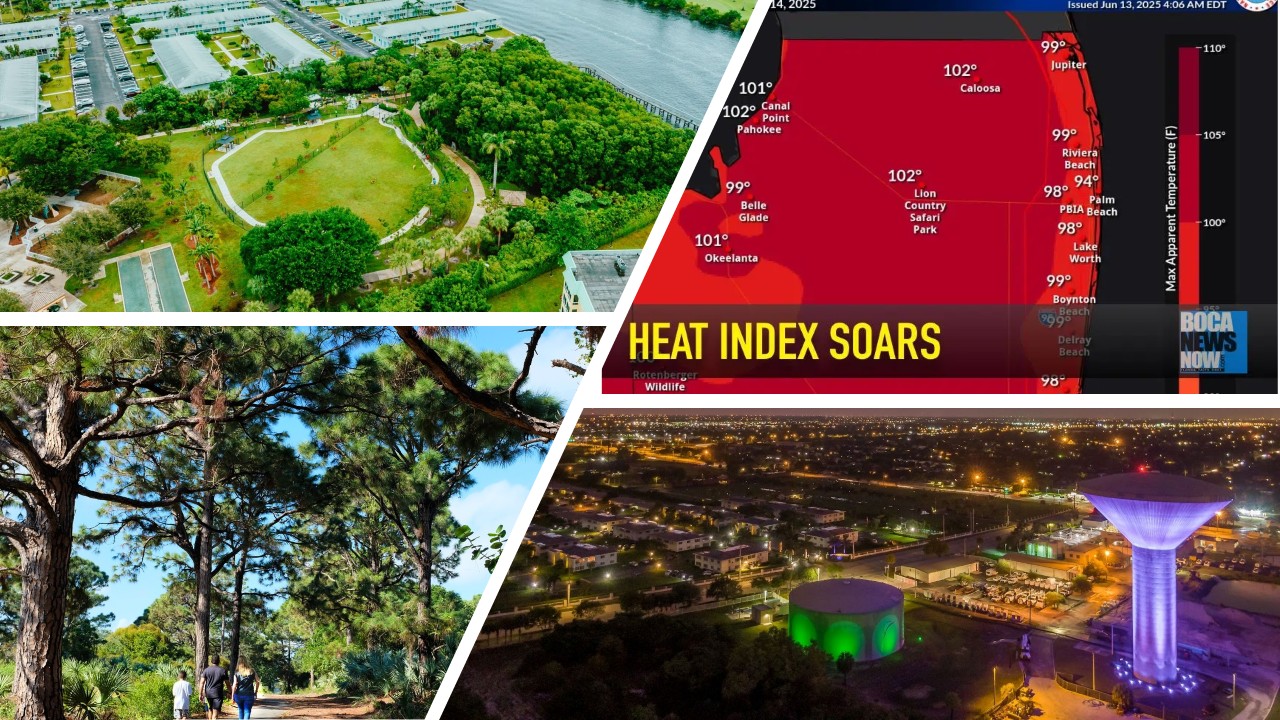
This project aims to understand the best placement and characteristics for cooling centers to serve the most critical and vulnerable populations of Boynton Beach, Florida. The city often experiences extreme heat, and does not have sufficient infrastructure to adapt to these extremes. The project team will work with the Boynton Beach’ s Sustainability Office, local NGO Healthier Boynton Beach, and national NGOs (i.e. ICLEI USA, EcoAdapt) to help develop an urban heat resilience strategy. In addition, the project will create an urban tree canopy reassessment in partnership with American Forests. The project team is seeking volunteer experts in urban planning, climate adaptation, and environmental justice to collaboratively analyze LiDAR tree canopy data, weather station data, along with infrastructure and socioeconomic data to evaluate the best cooling center strategy, balancing the population needs and the city’s constraints. This study will form the foundation of Boynton Beach’s Urban Heat Resiliency strategy.
Description
About the Community
Boynton Beach is a coastal community in Southeast Florida and the 3rd largest city in Palm Beach County. Despite the large population, they have some of the lowest average income, lowest tree canopy cover (which limits natural cooling), and a history of segregation. At the same time, rising risk of extreme events (e.g. extreme heat, flooding) has outpaced the aging infrastructure. To address these challenges, the city has launched a “Resilient Boynton” initiative to build an adaptation plan. Boynton has recently been granted a $100,000 climate smart communities initiative (CSCI) grant to specifically combat extreme heat through urban heating or cooling center initiatives. Alannah Irwin, the city’s Sustainability & Resiliency Administrator and resiliency team leader, will help integrate this project into city planning. Ricky Petty, Project Director for Healthier Boynton Beach, will provide invaluable insights into the community needs and priorities. Together both Alannah and Ricky, the project community leads will ensure that resilient plans are feasible, equitable, and community driven.
About the Project
Boynton Beach, Florida, is increasingly affected by extreme heat, yet lacks sufficient infrastructure to protect its most vulnerable residents. This project will identify the best placement, design, and implementation strategy for community cooling centers to serve populations most at risk. Working with the City of Boynton Beach’s Resilient Boynton Initiative and nonprofit Healthier Boynton Beach, the project will use LiDAR-derived tree-canopy data, weather station records, city infrastructure inventories, and socioeconomic datasets to inform a city-wide heat resilience plan.
Over approximately 12–18 months, volunteer scientists will collaborate with local partners to
- Understand where to put cooling centers. This will look at both areas of highest heat exposure and also the highest risk populations all while considering socio-economic factors. The project will also explore early warning detection systems, understanding whether heat advisories or other triggers should prompt opening.
- Understand how the city can use its existing infrastructure to create cooling centers. This will include evaluating existing city-owned buildings and recreational facilities for potential cooling-center upgrades.
- Understanding what are the best characteristics of cooling centers. This will assess key accessibility factors such as transportation, neighborhood demographics, and social vulnerability indicators.
- Understand what alternatives may exist outside of cooling centers.
The final deliverable will be a Cooling Center Siting and Implementation Assessment, including data-driven maps, recommended priority sites, and a set of infrastructure and programming guidelines for future resilience hubs. The assessment will directly feed into Boynton Beach’s forthcoming Urban Heat Resilience Strategy, supporting both mitigation (e.g., tree-canopy expansion) and adaptation (e.g., emergency cooling capacity) goals.
By centering equity and co-developing solutions with local organizations, this project will help ensure that climate resilience investments reach neighborhoods historically underserved by infrastructure improvements. The approach can also serve as a model for other coastal Florida cities facing rising temperatures and social inequities.
Timeline and Milestones
- Oct 2025 – Nov 2025: Finalize project scope, goals, and deliverables with City of Boynton Beach and Healthier Boynton Beach.
- Dec 2025 – Jan 2026 Recruit and onboard project scientists.
- Jan 2026: Conduct a survey of community needs working with community leads.
- Feb 2025 – Mar 2026: Gather and organize available datasets (LiDAR canopy, weather, socioeconomic, and building data). Develop a shared data repository and mapping framework. Share methodological framework with the city and broader communities to get feedback.
- Mar 2026 – Jun 2026: Conduct heat-vulnerability and accessibility mapping. Evaluate potential cooling-center sites based on infrastructure, transportation, and equity indicators.
- Jul 2026- Aug 2026: Share preliminary findings with city staff and community partners for feedback.
- Sep 2026 – Dec 2026: Implement any changes and additions that come out of the preliminary findings. Share the second round of findings with the city.
- Jan 2026 – Mar 2027: Create final assessment report and shareouts to the community. Potentially host an information session with the community..
- Apr 2027: Document all work and wrap up project!
Project Team
Community Leaders
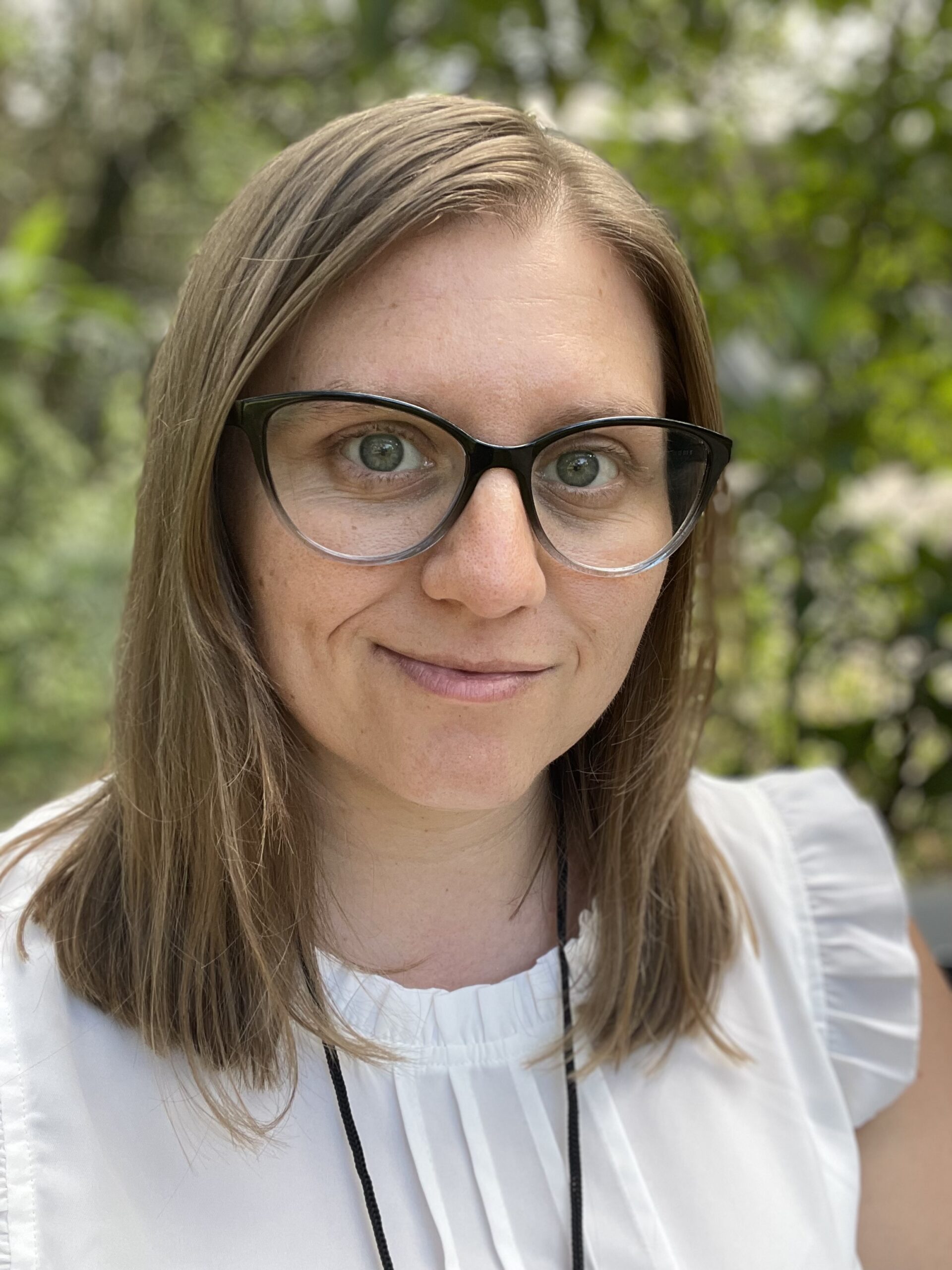
Alannah Irwin is a dedicated sustainability and climate resilience professional with over a decade of experience in environmental management, specializing in air quality, climate adaptation, and waste minimization. She has a background in public administration, working specifically in regulatory compliance, environmental policy, and atmospheric science, and is committed to advancing public health and environmental conservation. Alannah has a strong track record in managing complex environmental projects, building strategic partnerships, and leading community engagement initiatives to promote sustainability and climate resilience. She holds a Master of Science in Geosciences with a concentration in Applied Meteorology, a Bachelor of Science in Geosciences with a focus on Atmospheric Sciences, and a Graduate Certificate in Natural Resource Policy and Administration.
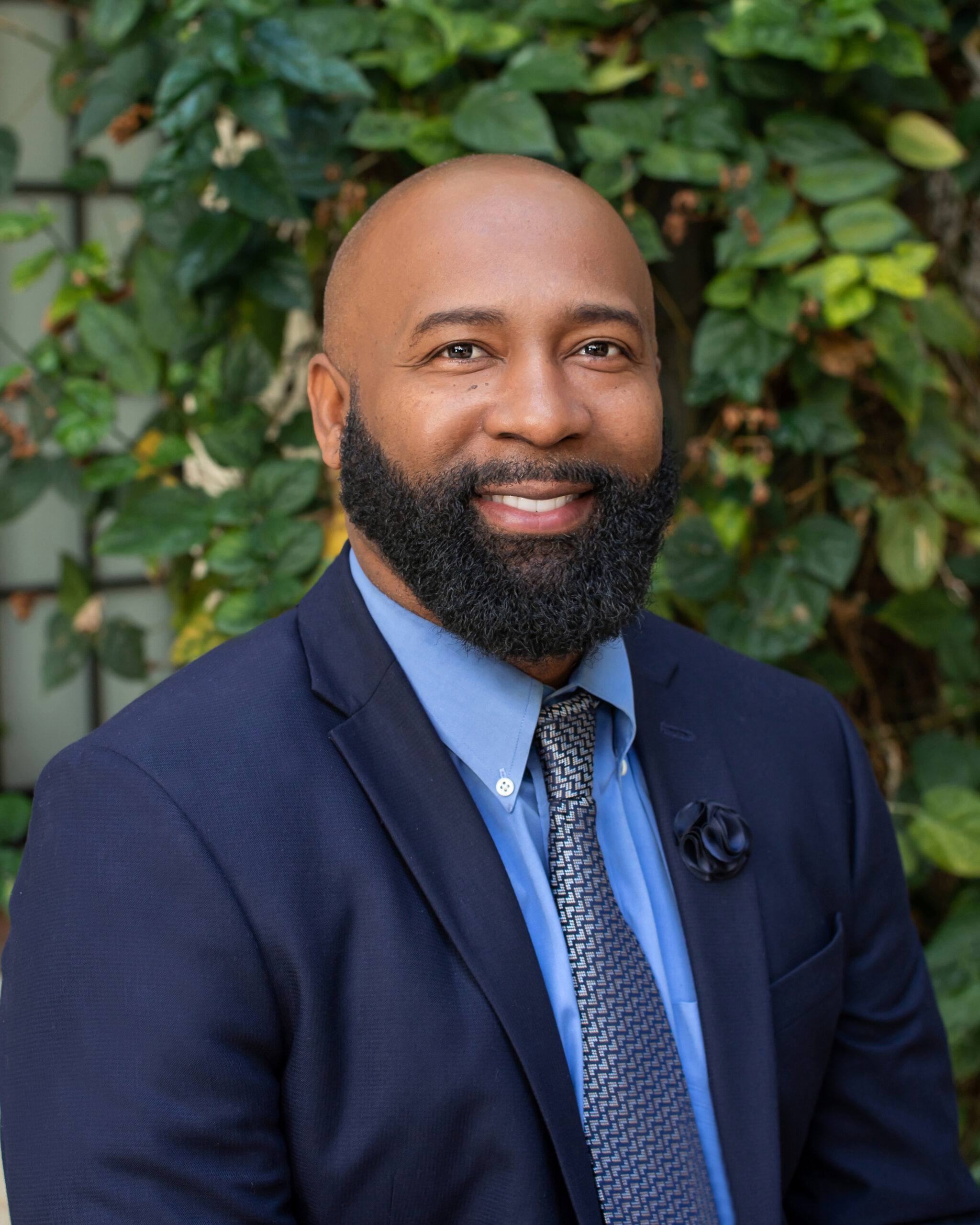
Ricky L. Petty, Sr. is a community leader, entrepreneur, and philanthropist with over 20 years of experience in nonprofit and social services. He serves as Project Director of the Palm Health Foundation’s Healthier Boynton Beach initiative under Pathways to Prosperity. He is the owner of several businesses, including Petty Capital Realty and Petty Investments Inc. Passionate about mentoring and service, Ricky is committed to empowering caregivers, youth, and families while building stronger, healthier communities.
Community Scientists

Sierra Taliaferro is a Community Outreach Associate with the Environmental Protection Network’s pro bono capacity-building technical assistance program. Sierra concentrates on creating new and deeper connections between communities of color and low-income communities in EPA Region 4, EPA alumni with decades of expertise, and other allies to provide assistance to community identified projects. She has an extensive background in strategic planning, project development, and implementation to deliver meaningful results that contribute to community-led initiatives and long-term vision planning with sustainable outcomes
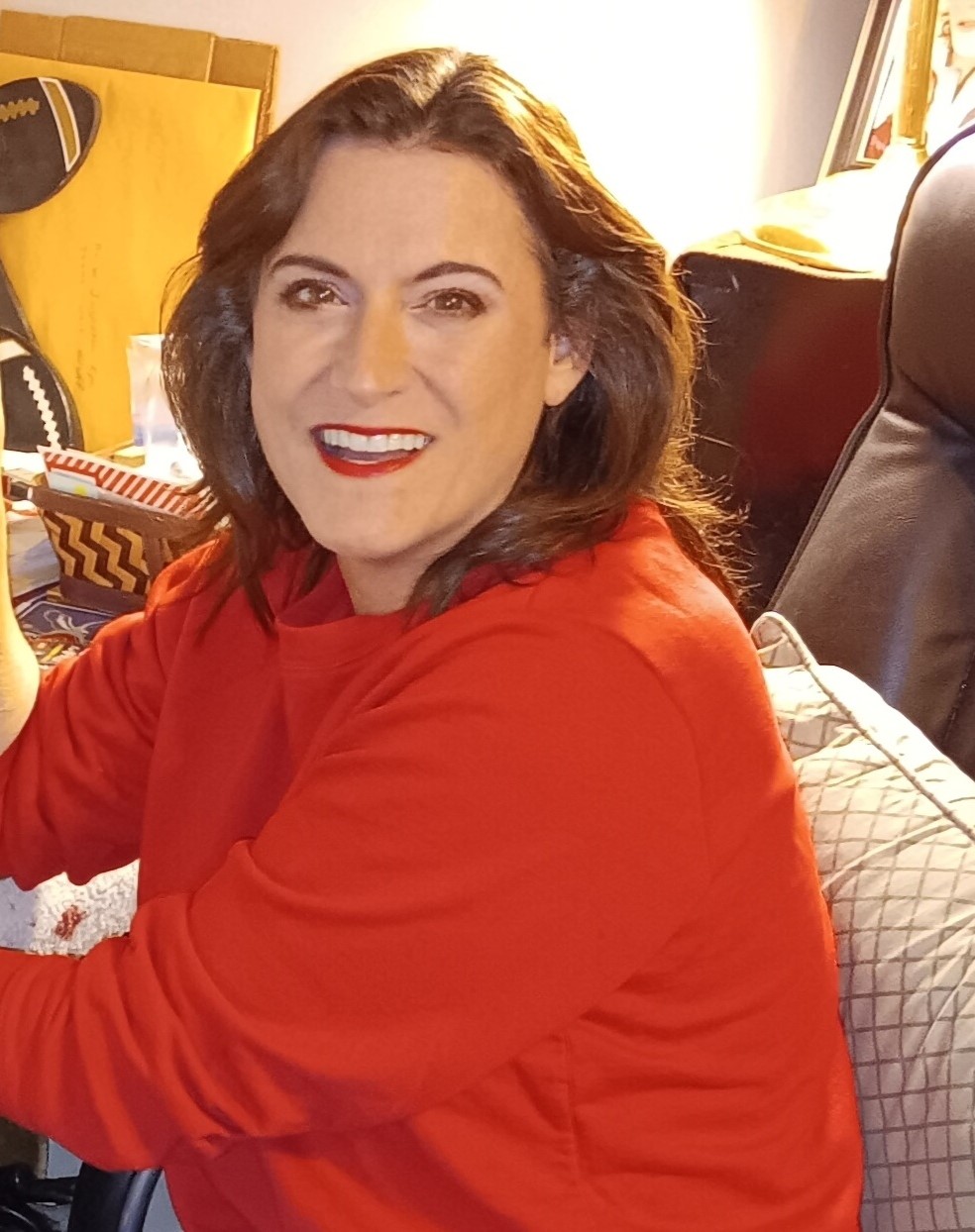
Denise Evans, Community Planner for Seymour Johnson AFB (SJAFB) since 2012, manages installation mission sustainment, climate resilience, and land use/development. In this role, Denise administers the SJAFB and Dare County Range Readiness and Environmental Protection Integration program and the Air Installations Compatible Use Zones program. She served as the Community Planner and Asset Optimization Element Chief for Columbus AFB responsible for installation Real Property and Energy programs, and Community Planner for and Barksdale AFB. Prior to her USAF career starting in 2004, Denise was an urban planner for the City of Slidell, Louisiana and served in the US Army and Alabama National Guard. Denise has a Master of Urban and Regional Planning degree from the University of New Orleans and a Bachelor of Science in Biology from the University of North Alabama.
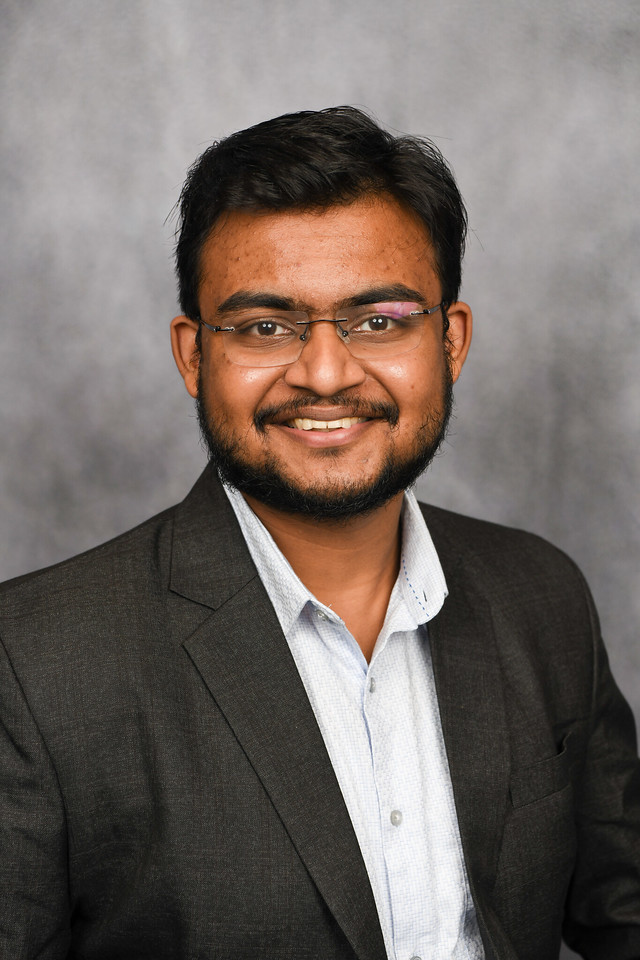
Ananyo Bhattacharya is a scientist and engineer working at the intersection of Earth Science, Space Exploration and Technology for positive impact. His research examines several themes in Planetary Systems, Earth System Modeling and Sensing Technologies, with particular focus on how emerging technologies can help better decision making and advance our understanding of Earth and outer space. He holds a Ph.D. in Climate and Space Sciences and Engineering from University of Michigan. He is currently a Postdoctoral Research Fellow at University of Michigan, and contributes to technical development of NOAA’s operational weather forecasting model, Unified Forecast System. He has represented the University of Michigan at UN Climate Change Conference COP 28 and is actively involved in community science projects as a part of AGU Thriving Earth Exchange. As a former Community Science Fellow, he co-developed a community driven data collection project for sustainable fisheries in Louisiana.
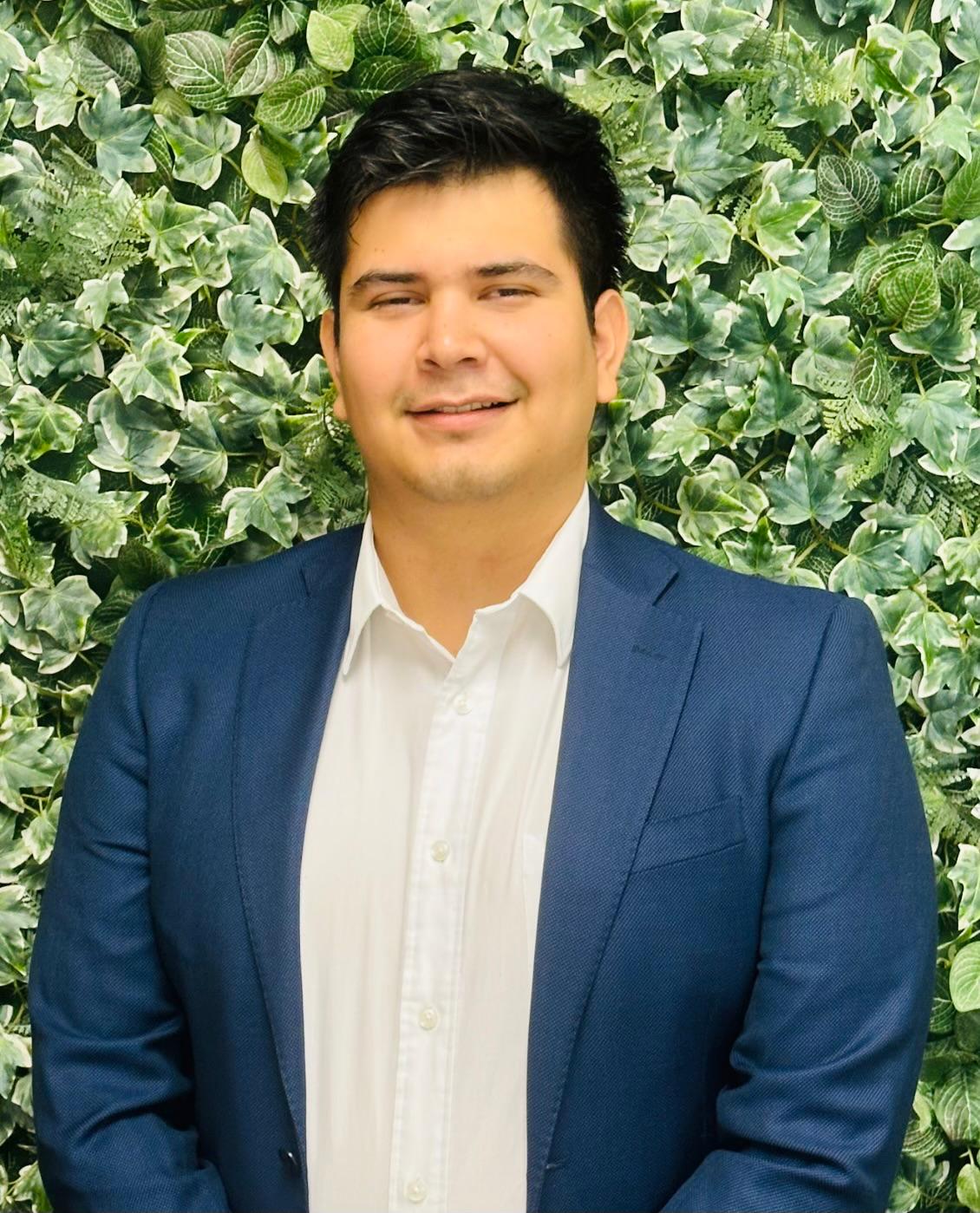
Alan Perez is a senior Urban Design student and Research Fellow in the ECOS program at Florida Atlantic University. His academic focus centers on shaping sustainable, transit- oriented communities through urban analysis and smart growth planning, with current experience in climate resilience and community-based planning initiatives.

Ogonna Eli Precious is a PhD student in Informatics and Computing at Northern Arizona University, specializing in Ecoinformatics. Her research explores plant responses to drought stress, integrating functional anatomy, ecophysiology, hyperspectral imaging, and geospatial analysis. She leverages remote sensing and spatial data to analyze climate change impacts and address public health disparities.
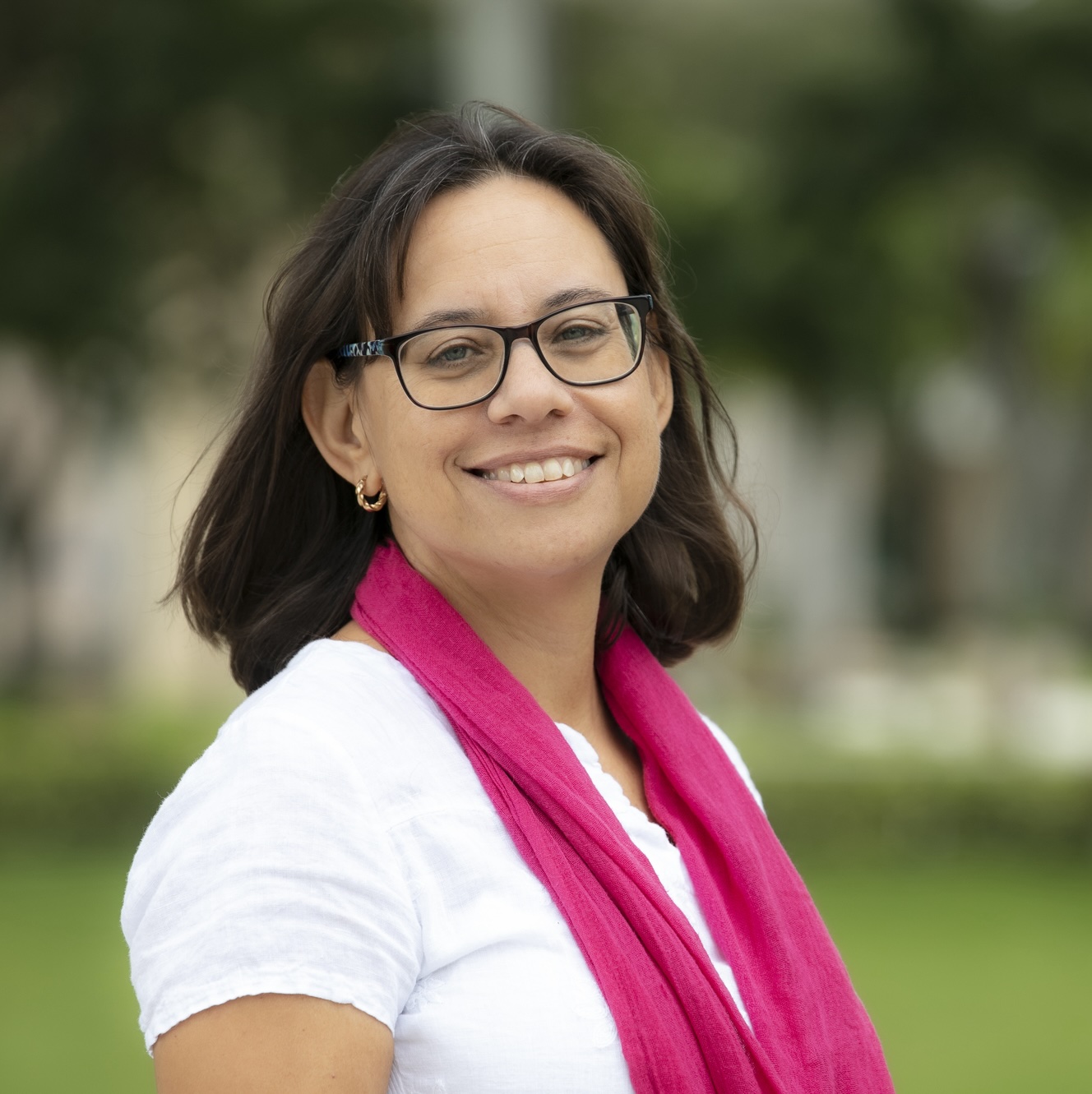
Serena Hoermann, PhD, AICP, MBA serves as Interim Director of the Center for Urban and Environmental Solutions and Assistant Research Professor in the School of Environmental, Coastal, and Ocean Sustainability at Florida Atlantic University. She is best known for leading community-engaged and policy research in the fields of climate gentrification, resilience, and sustainable transportation systems in projects leveraging virtual reality, storytelling, and the development of mobile apps. One project, the Urban Stories Festival, uses storytelling to build community.
Previously, she supported FAU’s Florida Center for Environmental Studies as coordinator for the Florida Climate Institute and to lend support to conference and outreach efforts, supporting community engagement and communications. Serena received both a Bachelor of Science Cum Laude in Systems and Information Science and an MBA in Marketing and International Business from Syracuse University. Besides her work for FAU, Serena writes short stories and children’s books.
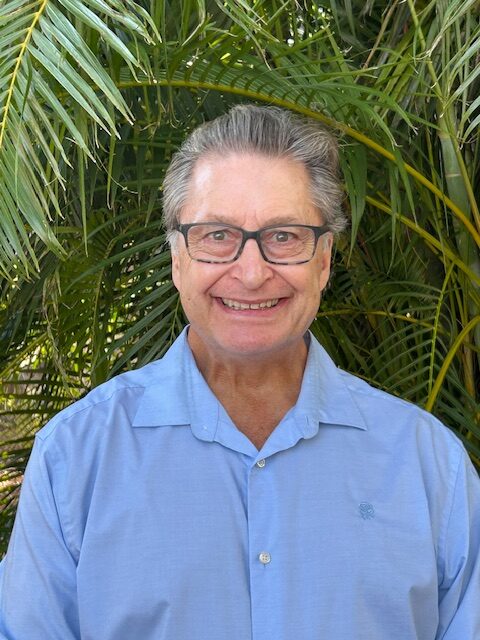
John Dombrowski is a Senior Executive Service (SES) leader with more than 30 years of experience in the U.S. Environmental Protection Agency (EPA), primarily in environmental compliance monitoring and enforcement, information technology/information management (IT/IM), and data analytics for enforcement targeting. He has detailed knowledge of the current direction of EPA’s compliance monitoring programs and has worked extensively across organizational boundaries with other governmental enforcement and compliance programs. He has advised EPA’s senior political leadership on multiple activities, such as representing EPA to international consortium of countries fostering collaboration and best practices on reporting chemical releases on a global scale. He has developed EPA’s policies and regulations, including the NPDES Electronic Reporting Rule. Deep Water Point & Associates clients benefit tremendously from Mr. Dombrowski’s experience with IT/IM, electronic reporting, data analytics (predictive, big data), contracting process within EPA, environmental compliance monitoring and enforcement, state oversight of environmental compliance monitoring/enforcement, compliance and technical assistance, and leadership.
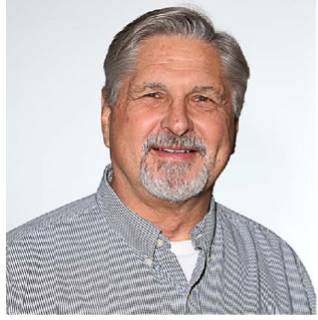
William Fisher. As a scientist with the U.S. EPA’s Office of Research and Development, I worked with communities in Puerto Rico and Virgin Islands to establish regulatory protections for coral reefs. This included reef assessments, watershed studies and stakeholder meetings using a structured decision- making process. Priorto that, my experience was primarily disease diagnostics and prevention tor marine invertebrates in the field and in aquaculture, including lobsters, crabs, shrimp, squid, and
oysters.
Community Science Fellow
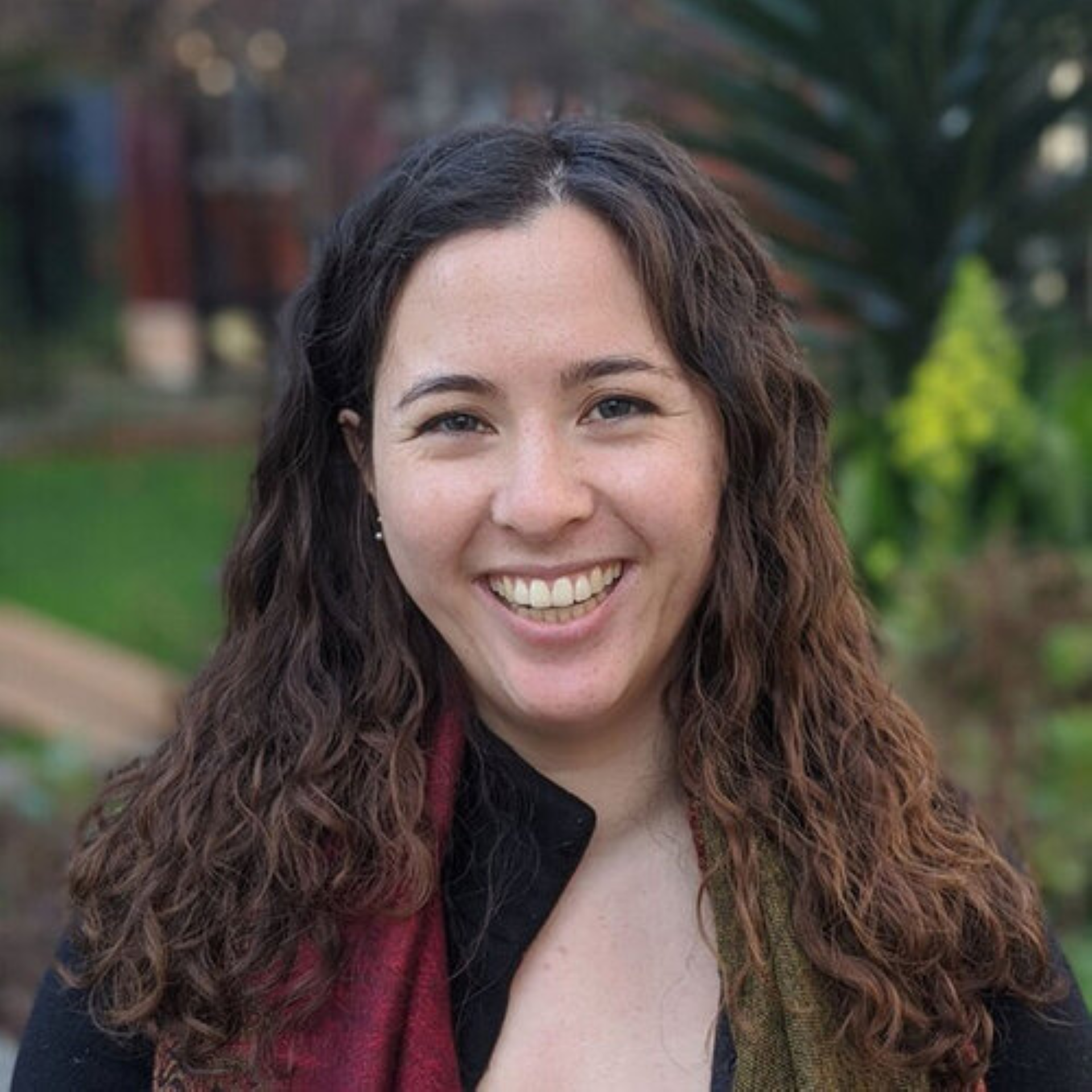
Lisa Nguyen is an Applied Physics PhD student at the University of Michigan, focusing on the impacts of global warming on drought and precipitation extremes, with a particular interest in how these changes affect crops and vulnerable communities. In addition to their research, Lisa is passionate about educational outreach, having taught students through Math Corps (a program started in Detroit’s Wayne State University) and mentored youth through the FATE Give Merit program.
Collaborating Organizations

Status:
In-Progress,
Location:
Boynton Beach,
Florida,
Managing Organizations:
Thriving Earth Exchange,
Project Categories:
Environmental Justice,
Extreme Heat,
Project Tags:
No tags