
Cheyenne and Arapaho Tribes Educational Medicine Wheel Garden Project, Concho, OK
Concho, Oklahoma, United States
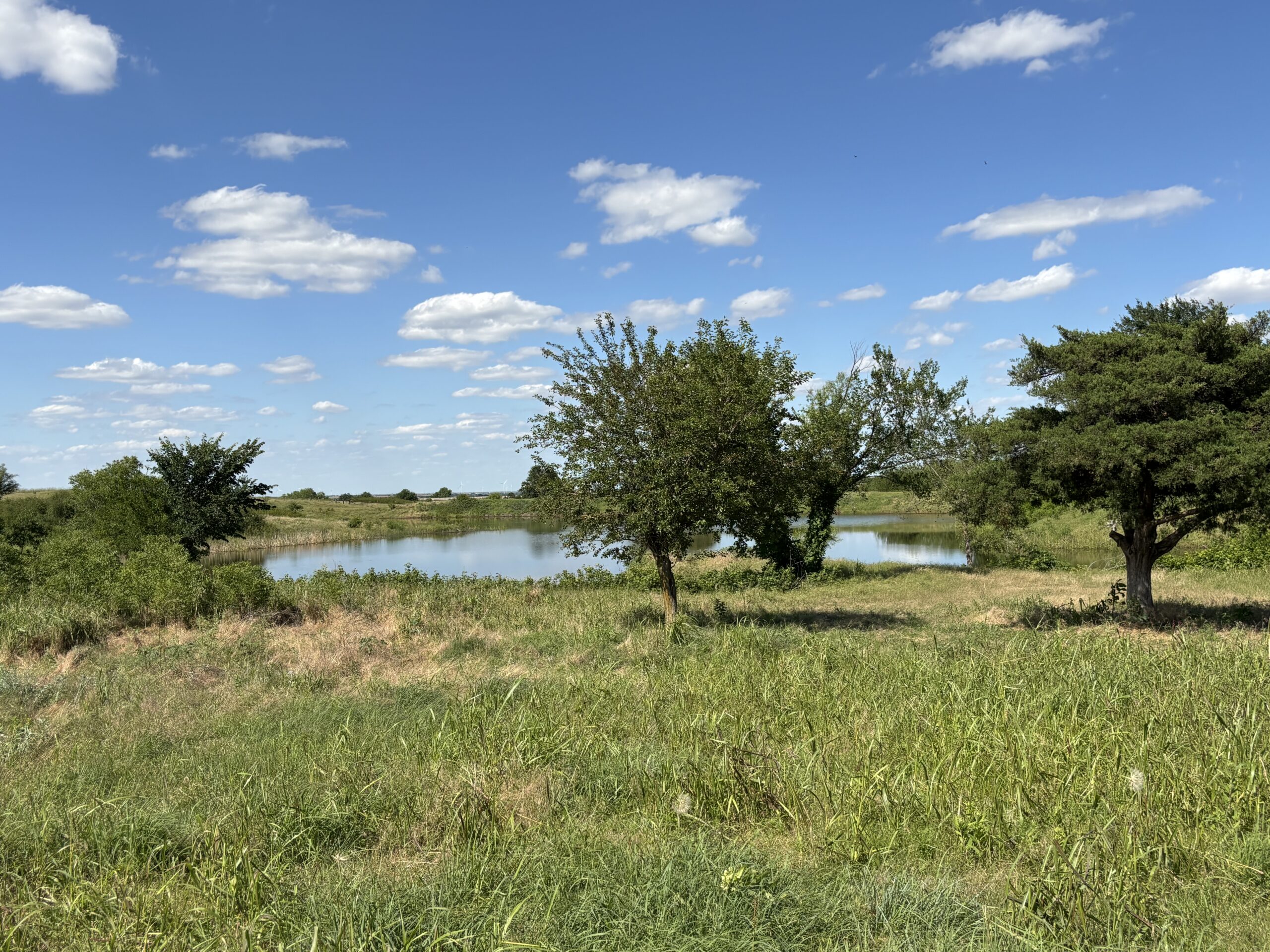
Site location for garden medicine wheel, view from center of wheel, east toward pond. Photo by Chieko Buffalo.
The Cheyenne and Arapaho tribes, partnered with the Master Gardeners, and Collaborative Earth NGO will create an immersive learning environment, in the form of a medicine wheel garden, that (re)connects tribal and non-tribal community members with sustainable agricultural practices, indigenous gardening techniques, and environmental stewardship. This garden will serve as a living classroom, providing hands-on experiences in horticulture, ecology, and cultural heritage, integrating traditional farming knowledge, local plant species, and eco-friendly practices. It will be built and maintained by collaboration with these agencies as well as volunteers in the community.
Some tribal members have a disconnection from land and nature, not knowing traditional ceremonial practices, and access to environmental education, especially sustainable gardening, is often limited in underserved communities. Building an educational garden of thriving medicinal plants with a focus on traditional education will reconnect the tribespeople to nature and ceremony, which in turn will overcome environmental degradation, loss of cultural knowledge, and social disconnection. The focus on sustainability, cultural heritage, education and community collaboration will help to create a resilient and engaged community while addressing the pressing challenges of current modern society. This garden will foster a deeper understanding of the natural world while promoting sustainable practices for future generations. This project is a fresh start in educating our tribes through gardening.
Results
Project Summary:
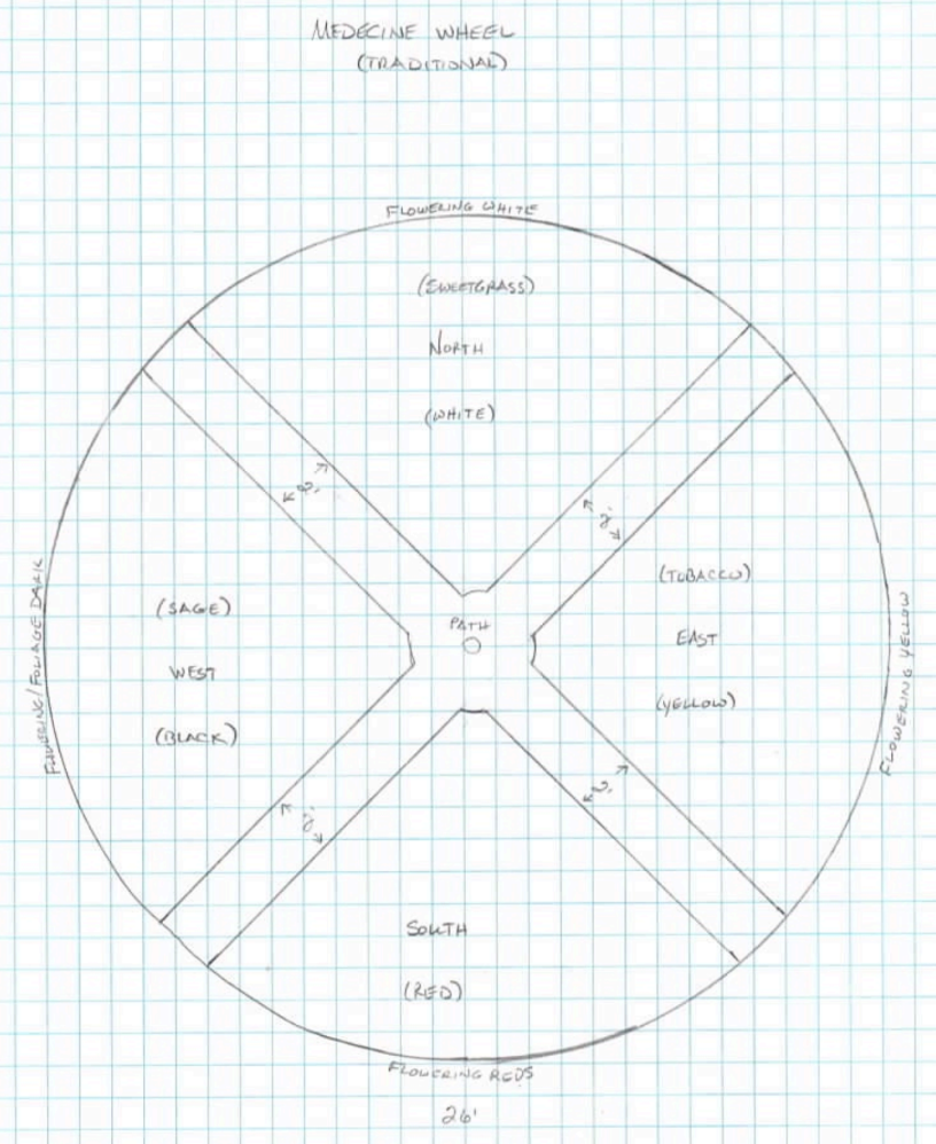
The Concho, OK project is the creation of a teaching garden using medicinal plants that are traditional to the Arapaho and Cheyenne Tribes. The Tribes own the land for the garden, have a garage to store and secure supplies, and both a pond and a well to provide water. It is adjacent to their buffalo establishment project area. This project was able to secure funding to purchase the plants, seeds and utensils needed to set up the garden. A simple four-section medicine wheel design will be used. The main goal is to get the garden set-up and planted as soon as the weather allows.
A soil test has been taken so that it can be amended properly for the medicine plants. Recent arrival of the funding has allowed the tribes to begin purchasing necessary tools and other materials. These will be organized and stored in a garage that is on the property near the garden.
The big expense will be getting the existing well functioning so that water will not have to be carried in buckets by manual labor. The Master Gardeners (MG) will help with this task also. Planting the garden will be organized by the MG and the work will be done by the tribal youth programs and elders at no cost. A protocol for care and maintenance of the garden will be established with the MG and Scientists overseeing this task. Elders will be included to make sure that all is done with their tribal traditions. They will then be offering learning opportunities to everyone in the community.These events will be advertised through tribal media resources.
Connection to the scientists was initiated by Chief Yellowman, who contacted Aaron Hirsch at the local USDA, who helped them with their buffalo project. Two scientists, Drs. Julie Tierney and Bethany Blakely, who are active in the Collaborative Earth program, and who do field work in that area, volunteered to be our consultants.
At this time, about 15 people have participated in some way during this project.The goal will be to include all tribal members and the larger community in maintenance work and education workshops.
Project Outputs:
- Established the place for the garden
- Laid out the dimensions of the garden
- Soil tested to establish necessary amendments
- Secured funding through Thriving Earth Exchange Traditional knowledge shared
- This goal is the umbrella for all other plans and actions for the garden
- Media coverage
- Reported out to tribal media on status of garden
Community Impact:
Community outreach and use of the garden will reconnect the people with the traditional uses of this land, bringing together people from youth to elders. It is intended that this garden exists and is maintained by the tribal community in perpetuity.
Acknowledgements:
Three people were the main drivers of this project: Chieko Buffalo (Community Lead & EPA Director for the tribes), Suki Smaglik (Thriving Earth Exchange Community Science Fellow), and Martha Smith (OSU Master Gardiner). The project team would also like to thank Michaela Shirley (Tribal TAB Program Manager) for her encouragement and support.
Organizations supporting this project are: the AGU Thriving Earth Exchange; Cheyenne and Arapaho Tribes of Oklahoma (Gordon Yellowman, Chief) including the Environmental Protection Agency, Diabetes Wellness Center and Healthy Lifestyle Programs; Oklahoma State University Extension Master Gardeners Program; and Collaborative Earth.
Future Plans:
Once some of the funding was secured, the tribes held a land blessing ceremony on September 19, 2025, led by their Chief, Gordon Yellowman. Representatives from the tribal programs for Diabetes Wellness and Healthy Lifestyle, AGU, OSU HUB, and OSU Master Gardeners of Canadian County (MG).
The two scientists, Drs. Julie Tierney and Bethany Blakely, will add their expertise as the garden is built and after it is established. As part of this Traditional Ceremonial Education Garden project, Julie brings expertise in plant ecology, soil health, and science education to support the garden’s design and learning programs. She will contribute to a collaborative, place-based approach that weaves together community knowledge and prairie ecology to guide the garden’s development and purpose. As one of this project’s scientific advisors, Bethany will integrate her expertise in plant physiology, rangeland ecology, and science communication to support practices that further the well-being of the garden’s plant and human partners.
The work will continue as follows, and as weather permits:
- Purchase tools and supplies
- Organize garage and set up shelving for storage
- Prepare garden plot for planting
- Layout design
- Remove grass
- Enhance soil
- Plant and seed garden plot
- Master Gardeners of Canadian County, OK will be leads on planting
- Include tribal elders for guidance or garden work
- Employ workers from Tribes youth workforce program
- Water, weed and maintain biota
- Plan for long-term care of the garden
- Determine who will coordinate, to be determined
- Establish research projects with the scientists
- Design informational labels for plants
- Secure benches for elders and others to enjoy the garden
- Invite the community to experience the garden
- Reporting out to tribal media on status of garden
- Establish rules/guidelines for using the garden
- When can certain plants be harvested, how and by whom?
- Set-up teaching sessions on native traditional medicine for the community to participate (both at the garden and in other community venues)
- Involve youth with elders to create long-term sense of ownership
- Create community events to share knowledge and encourage use of the garden by the community
- Coordination with diabetes and other health programs of the Tribes
This garden is being designed and built to be self-sustaining for the lifetime of the people. External funding was made possible through grants from Thriving Earth Exchange. Future funding for maintenance and/or enhancement will be from tribal funds.
Description
About the Community
Concho is an unincorporated community in Canadian County, west-central Oklahoma. It is the headquarters for the government of The Cheyenne and Arapaho Tribes of Oklahoma, a federally recognized tribe that was established in 1937.
The Concho community is rural and was established with the legacy of the Concho Indian Boarding School that operated from 1909-1983. Some of the old school buildings are being used for tribal offices. The population of Canadian County, OK is near 150,000 within a total area of 906 sq mi. The county seat, El Reno, is about 25 miles west of Oklahoma City. The name “Concho” means “shell” in Spanish, named for Indian Agent Charles E. Shell who opened the post office in 1915. While federally recognized as one tribe, the Cheyenne and Arapaho are two distinct agricultural tribes that migrated from the western Great Lakes to the Great Plains, forming an alliance that allowed them to dominate other plains tribes. With this migratory transition they adopted a horse culture and became buffalo hunters. Each tribe maintains their own distinct cultures, languages, traditions, and ceremonies.
The Cheyenne and Arapaho Tribes of Oklahoma’s Environmental Protection Agency and Culture Program plans to create a garden emphasizing traditional ceremonial plants used historically and ceremonially with significant ties to both tribes. The aim is to create a space that not only revives traditional farming and gardening techniques that have been passed down through generations, but also honors and educates about modern sustainability. Many tribal members have become disconnected from the traditional practices and the tribes seek to reconnect people with their traditional lands.
The tribe’s EPA program has experience in managing environmental grants funded by federal and state sources. This work has included developing and submitting successful grant proposals, managing budgets, ensuring regulatory compliance and reporting to funders. The program team has led tasks related to ecosystem restoration, climate resilience, sustainable land use, and community environmental education. The team’s responsibilities include strategic planning, contract oversight, coordinating with other tribal and non-tribal programs including other tribal governments and agencies that help achieve project goals and requirements.
The team’s scientists, Dr. Bethany Blakely and Dr. Julie Tierney, are working with the Cheyenne and Arapaho Tribes to study how bison grazing influences prairie restoration, soil health, and carbon cycling. Their research supports the Tribe’s vision of building a regenerative bison brand by combining ecological science, Traditional Ecological Knowledge, and land stewardship to restore grasslands and create a new model of sustainable bison management in the Southern Great Plains. Our proposed medicine garden project will be in close proximity to the buffalo area and will benefit from the intersectionality of these two projects.
About the Project
The community would like to create a space to grow and sustain traditional ceremonial plants where they can learn further knowledge on these plants, their ecology, uses and history. This includes establishing a medicine wheel garden with a cultural focus to revive native languages, provide a location to teach cultural practices to adults & younger generations, demonstrate protection of sacred sites, and promote traditional arts and ceremonies and medicinal practices.
This project is for the tribal community and any others who would like to learn and/or share their knowledge of traditional plants. The community also wants to make this a place for the children to learn from their elders. The project involves our tribal EPA, Cultural Program and Diabetes Wellness Program and well as the Cheyenne Chief and OSU Extension Center Master Gardeners.
This project will result in a sustainable garden filled with traditional medicine plants of the tribes, as well as a space for teaching and learning their traditional uses. The project team will share the knowledge of ceremonial plants, language associated with each plant/tree, and engage the community in their educational garden.
The project’s cultural historian can offer guidance on the cultural significance of specific plants, gardening traditions, and environmental practices. They can also lead talks or events related to the heritage of the land. This project can involve local indigenous communities to share their deep knowledge of native plants, gardening practices, and agricultural techniques. These groups may be instrumental in shaping the educational content, guiding how plants and farming methods are taught, and offering historical perspectives. Local tribal and non-tribal community members including community volunteers, tribal elders or senior citizens, who live in the rural surrounding areas can play a part in helping to volunteer, serve and bring knowledge in traditional gardening practices, can serve as mentors to younger generations.
This is the planned design for the garden:
While the Master Gardeners will be the main source of planting knowledge for this project, two scientists working with the tribes’ nearby buffalo project were connected with this project. The Cheyenne Chief, Gordon Yellowman, reconnected with a scientist from the USDA that has worked on other projects with the tribes, and put us in touch with potential scientists for this project. This project needs a plant scientist with knowledge of symbiotic relationship of local native plants; knowledge and respect for indigenous cultures and worldviews; experience and/or desire to participate in community education, outreach, and engagement; strong listening and collaboration skills; public speaking skills; willingness to connect science to local concerns; relaxed, easy-going personality with a good sense of humor; and should be able to visit the community in-person
The project scientists are postdoctoral scientists (biology/ecology) and visit the area as needed for their research and for the project. They met with the rest of the team and are enthusiastic about helping and consulting with this project and have already agreed to join our team.
Timeline and Milestones
The initial phase of this project (creating the garden) will take about 6 months depending upon weather, but will continue on in perpetuity under the care of the tribes.
Initial Tasks
- Secure location for garden (accomplished Early Spring 2025)
- Constructing the Medicine Wheel Garden (Late Summer/Early Fall 2025)
- Clear the area of weeds and debris on a marked-out circle with a tiller. Surrounding left as is; retaining much of the natural grasses and flowers that will be enhanced in next phases.
- With the ground cleared, the next task is to create the shape of the Medicine Wheel. Using sand and stones for the perimeter, with interior division of sections using metal edging that also help define the walking path. Once these are in place, dig out 2” for pathway, sand and path stone put in place.
- Determine water source (nearby pond with pump or rejuvenate old existing onsite well). Begin drip irrigation installation.
Planting, Growth and Care:
Phase 1 (Late Summer 2025) – Wheel section plantings
- White: Sweet Grass (Plants)
- Black: White Sage (Seeds), Peppermint (Plants)
- Yellow: Ceremonial Tobacco (Seeds), Curley Cup Gumweed (seed)
- Red: Flat Cedar, Skunk Bush (Plants)
- Need elders choice on plant placements
- Miscellaneous projects and soil prep ongoing
- Plant care and maintenance ongoing
Phase 2 (Fall 2025) – Trees and shrubs plantings
- Willow Tree
- Dogwood
- Flat Cedar
- Chokecherry
- Indian Tea – Yaupon Holly (dwarf)
- Plantings in area around the medicine wheel
- Miscellaneous projects and plant care and maintenance
Phase 3 (Spring 2026) – Naturally cultivate surrounding area
- Buffalo Grass (Seeds)
- Milkweed (Seeds)
- Planted in surrounding prairie area
Phase 4 (Winter 2026 and forward) – Community Education and Outreach
This garden project consists of ceremonial education, cultural engagement and environmental sustainability. Species in the garden will have permanent labels and an interpretive sign will be placed at the entrance to the space. Outreach will include hosting community workshops that focus on the cultural significance of the garden and cultural importance of our native medicinal plants and trees. Partnerships with other cultural organizations and community organizations, including other environmental groups, will improve this effort. Guidelines and rules for the garden will be developed and posted for both caretakers and visitors. Volunteers will be solicited through social media, word of mouth, the tribes’ website and with flyers at tribal community events. Progress of the project will be communicated through our tribal newspaper, social media outlets and community presentations. Attracting more resources and partnerships will ensure the ceremonial garden continues as a sustainable community-led space for years to come.
Project Team
Community Leaders
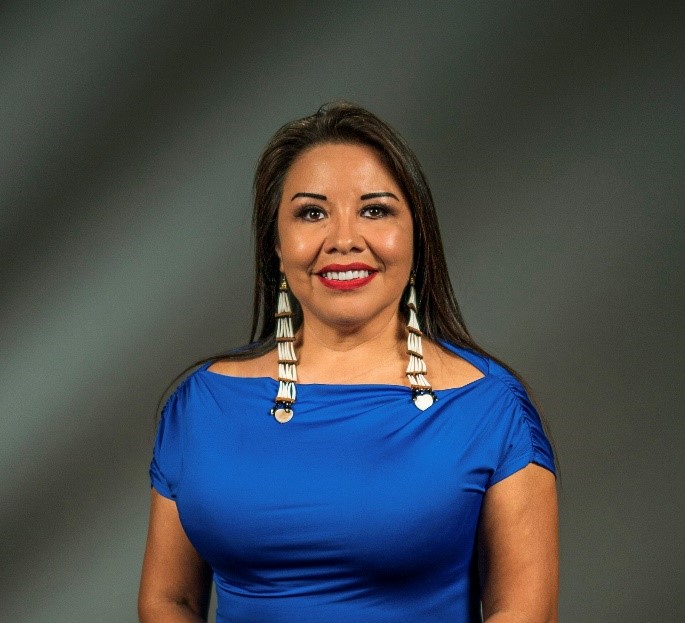
Chieko Buffalo is a dedicated environmental steward with a passion for sustainable land practices and community-centered green spaces. Currently involved in the Cheyenne and Arapaho Tribes Educational Medicine Wheel Garden Project in Concho, OK, Chieko brings a strong commitment to ecological restoration, cultural resilience, and education. With a background in Natural Resources and land stewardship, she collaborates with local partners, tribal youth, and tribal elders to cultivate gardens that nourish both people and the planet. The project focuses on native and medicinal plants, pollinator-friendly landscaping, and practices that honor traditional knowledge and environmental stewardship. Chieko Buffalo believes that reconnecting with the land through gardening is not only a way to grow food, but also a powerful tool for healing, education, and climate resilience. She continues to work toward a healthier future for both the environment and the tribal community.
Gordon Yellowman, Cheyenne and Arapaho Culture Program and Cheyenne Chief
Marcos Baros is the Diabetes Wellness Program Director for the Cheyenne and Arapaho Tribes’ Department of Health, where he leads community-based efforts to prevent and manage diabetes through culturally responsive education, wellness, and physical activity programming. With a strong foundation in health and fitness, Marcos is an ISSA Certified Personal Trainer, ISSA Health Coach, and a Precision Nutrition–certified Nutrition Coach. He also serves as a National Diabetes Prevention Program Lifestyle Coach, bringing evidence-based strategies to support long-term behavior change within tribal communities. A U.S. military veteran, Marcos proudly served in Operation Enduring Freedom and Operation Freedom’s Sentinel, experiences that continue to inform his disciplined, service-oriented approach to public health. Passionate about empowering others to take control of their wellness journey, he blends modern science with cultural strengths to support holistic, sustainable health outcomes.

Raven Bramlett serves as a Healthy Lifestyle Specialist for the Cheyenne and Arapaho Tribes’ Department of Health, where she supports community wellness through culturally centered education and coaching. A National Diabetes Prevention Program Lifestyle Coach and Precision Nutrition–certified Nutrition Coach, Raven brings both expertise and empathy to her work in chronic disease prevention and health promotion. With a Bachelor’s degree in Elementary Education and 16 years of experience as a public school educator, Raven has a deep understanding of how to engage and inspire people of all ages. Her transition from the classroom to community health reflects her ongoing commitment to helping others build sustainable, healthy lifestyles. She is especially passionate about empowering individuals and families to take ownership of their wellness through nutrition, physical activity, and education.
Master Gardeners
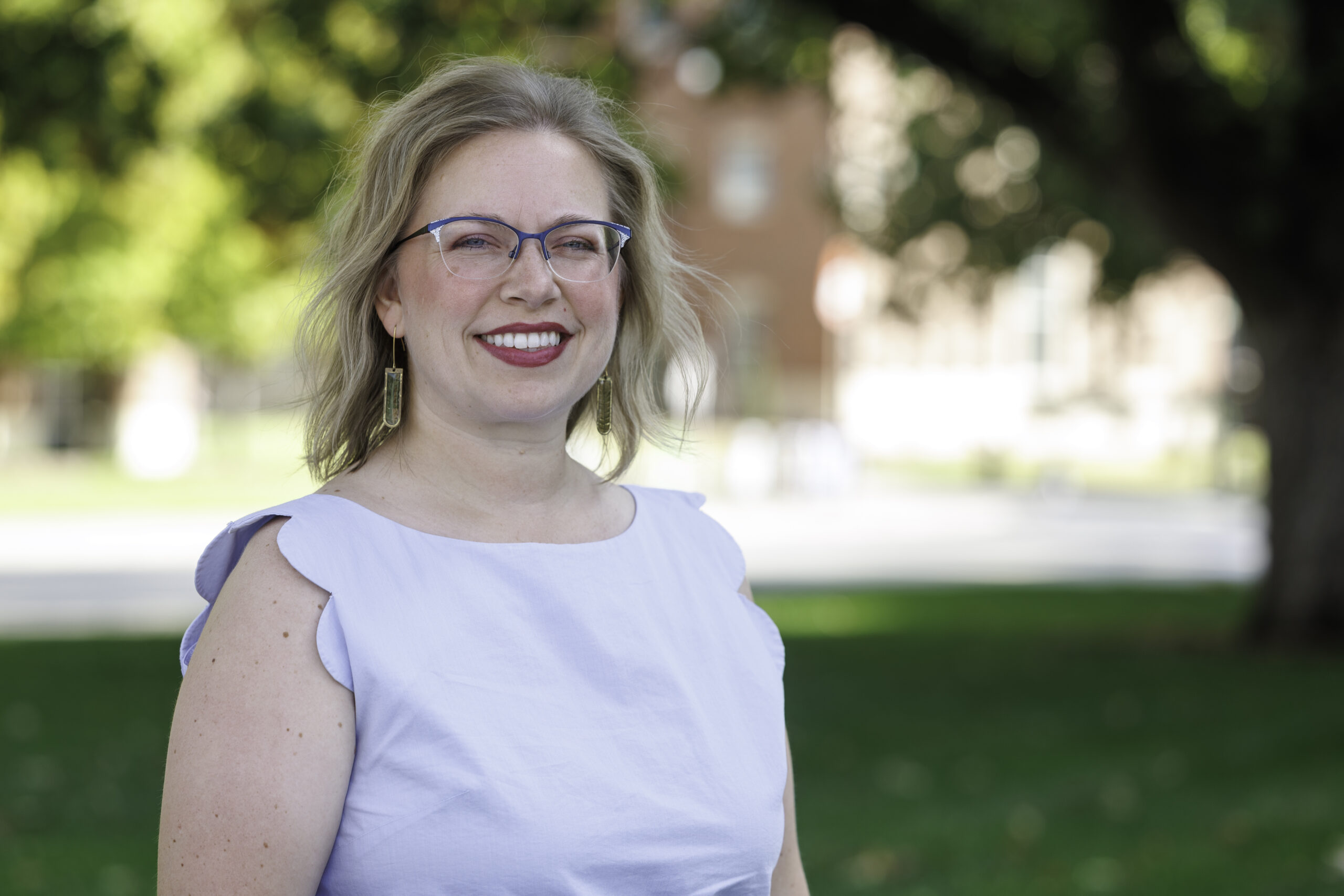
Courney Keck, Extension Educator, OSU Master Gardener
Marsha Smith, OSU Master Gardeners
Community Scientists

Dr. Julie Tierney is an ecologist whose work focuses on how grazing by American Bison influences prairie restoration, plant communities, and soil carbon dynamics. She is currently a postdoctoral fellow at Collaborative Earth working in partnership with the Cheyenne and Arapaho Tribes, where she leads ecological research on the role of bison in regenerating grassland ecosystems. As part of the Traditional Ceremonial Education Garden project, Julie brings expertise in plant ecology, soil health, and science education to support the garden’s design and learning programs. She will contribute to a collaborative, place-based approach that weaves together community knowledge and prairie ecology to guide the garden’s development and purpose. Julie is passionate about grounding science in community priorities and is committed to supporting Indigenous-led land stewardship.
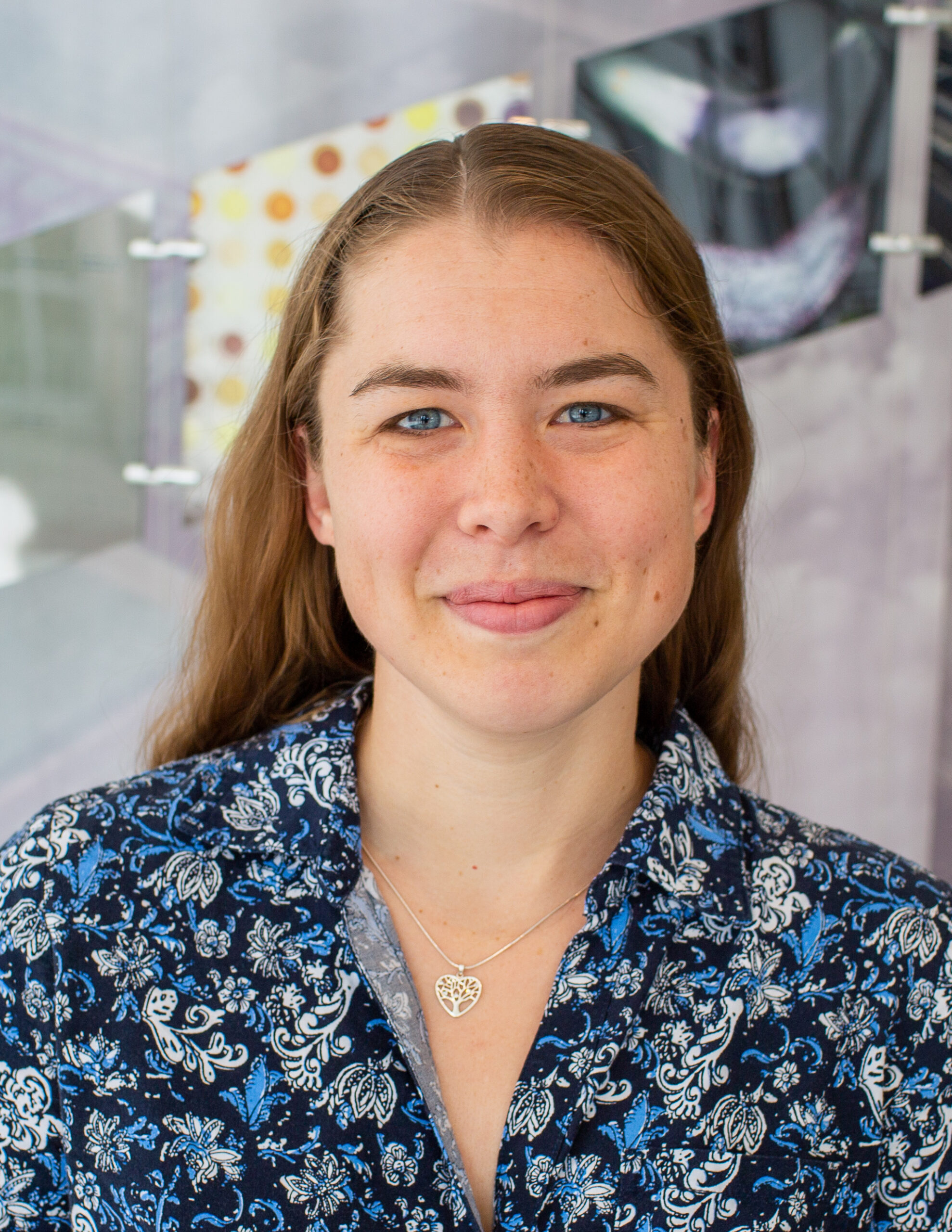
Bethany Blakely is an ecosystem ecologist who has spent over a decade studying the impact of management choices on forests, cropland, and rangeland. She is currently a postdoctoral researcher at the University of Wisconsin Madison, where she investigates the effect of bison grazing on the exchange of carbon dioxide, water, and methane between the land and atmosphere. A science communication enthusiast, Bethany has led workshops for students ranging from elementary schoolers to undergraduates, and has enthusiastically shared her work with parkgoers, farmers, and local wine lovers through community events. As one of this project’s scientific advisors, she will integrate her expertise in plant physiology, rangeland ecology, and science communication to support practices that further the well-being of the garden’s plant and human partners. When not measuring plants, fixing stubborn equipment, or talking too much about science, she enjoys distance running, kickboxing, and tending her backyard garden.
Community Science Fellow
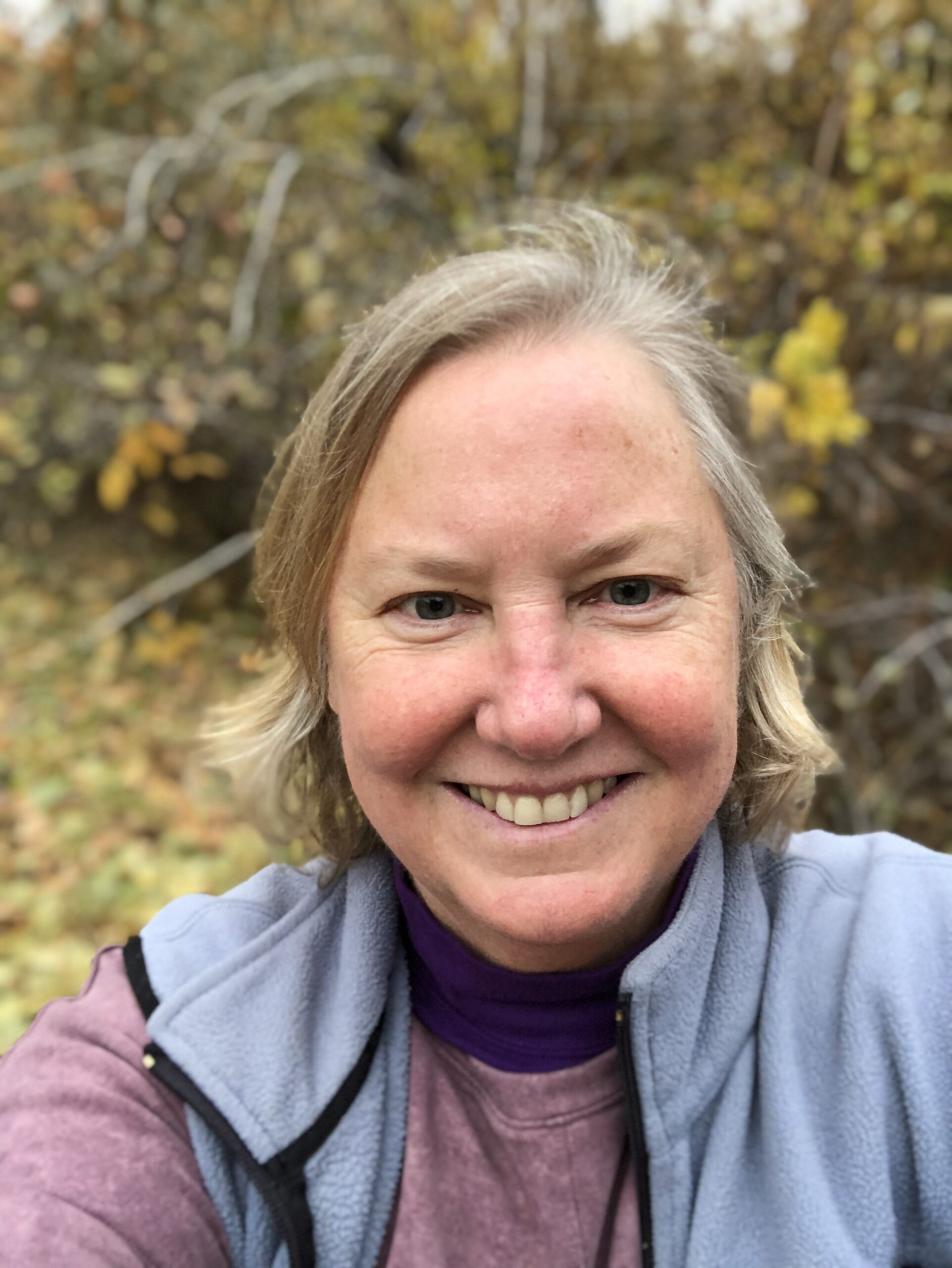
Suzanne M. (Suki) Smaglik (her/ella) is a geochemist who lives in east-central Washington state and is currently teaching chemistry and other natural sciences at Yakima Valley College (a Hispanic Serving Institution). She has a BA in Chemistry and Geology from Beloit College, a MSc in Geochemistry from the Colorado School of Mines, and is ABD at the University of
Hawai’I – Mano’a in Geology and Geophysics. Her research interests have taken her from some of the oldest volcanic rocks in the world (Minnesota & Wyoming) to recently erupted volcanic rocks on the ocean floor (near Easter Island). Having spent the last 25 years teaching at community colleges, she has become a generalist and has moved her focus to climate change, water, and human interactions with the land, and the search for life elsewhere in the Universe. She enjoys doing science education outreach and volunteers with several local organizations. She also mentors early undergraduate research projects with a variety of topics. In her free-time she likes to read, cook, camp, hike and forest bathe with her dogs, or snuggle with her kitties.
Collaborating Organizations
Cheyenne and Arapaho Tribes Programs
Three tribal programs will be involved in this project. The EPA will be the lead. (https://www.cheyenneandarapaho-nsn.gov/)
- Environmental Protection Agency (EPA): The Tribal EPA Program is to protect and conserve all tribal natural resources, and protect and improve the health of the tribal citizens. The program will strive to work hand-in-hand with tribal departments and programs, other federal agencies, local and state, to make a visible difference in communities throughout the tribal service area.
- The Culture Program is the protector and instructor for the preservation of our tribal traditional customs, arts, social institutions and achievements that make up our nation. The program goes out into the communities to instruct our Tribal Members in our traditional customs and ways. The strength of our Tribes is our people and by bringing back the language and culture, we strengthen our nation as one.
- Diabetes Wellness Program provides a variety of services and programs to help delay or prevent a diabetes diagnosis while also reducing the risk of complications. These programs are designed to educate tribal members on the risk factors of diabetes while encouraging prevention and management, physical fitness, nutrition, foot care, and vision care.
Canadian County OSU Extension Master Gardeners
The Oklahoma Master Gardeners Program is a volunteer training program designed to help county extension centers meet the demands for consumer horticulture information. Master Gardeners take classroom training coordinated by local extension staff with the assistance of state extension specialists located at Oklahoma State University. (https://extension.okstate.edu/programs/master-gardeners)
Collaborative Earth

Collaborative Earth is a non-governmental organization (NGO) that believes that different kinds of knowledge and wisdom can come together and find common cause in fostering mutually enriching ecosystems and communities. The data and knowledge generated by open-science live in the public domain. We can discover local solutions that are culturally and economically incentivized. (https://www.collaborative.earth/)
Kansas State University Center for Hazardous Substance Research

KSU’s Center for Hazardous Substance Research conducts research, education, and service pertaining to environmental topics, where a reputable, neutral organization is needed to develop technically sound, consensus-based solutions for diverse groups of stakeholders.
Status:
Complete,
Location:
Concho,
Managing Organizations:
Center for Hazardous Substance Research,
KSU,
Thriving Earth Exchange,
Project Categories:
Education,
Indigenous Knowledge,
Sustainability,
Project Tags:
No tags