
Assessing the Environmental and Health Impacts of a Proposed Aluminum Smelter
Inola, Oklahoma, United States
Brief Description
A proposed primary aluminum smelter is under review in Inola, OK. With an annual output of up to 750,000 metric tons of aluminum, it would be the largest aluminum smelter in the United States. Inola’s economy is primarily based on farming and ranching, though there is a growing industrial sector. Community members are concerned about the impacts of smelter emissions on the region, including its effects on livestock and crops since fluoride and other emissions from aluminum smelting have been documented to have negative impacts on grazing animals, up to and including herd losses. This project seeks to recruit an environmental scientist who can provide community members with data regarding the environmental impacts of the proposed smelter to assist them in advocating for the most appropriate safeguards should the smelter ultimately be constructed.
Description
About the Community
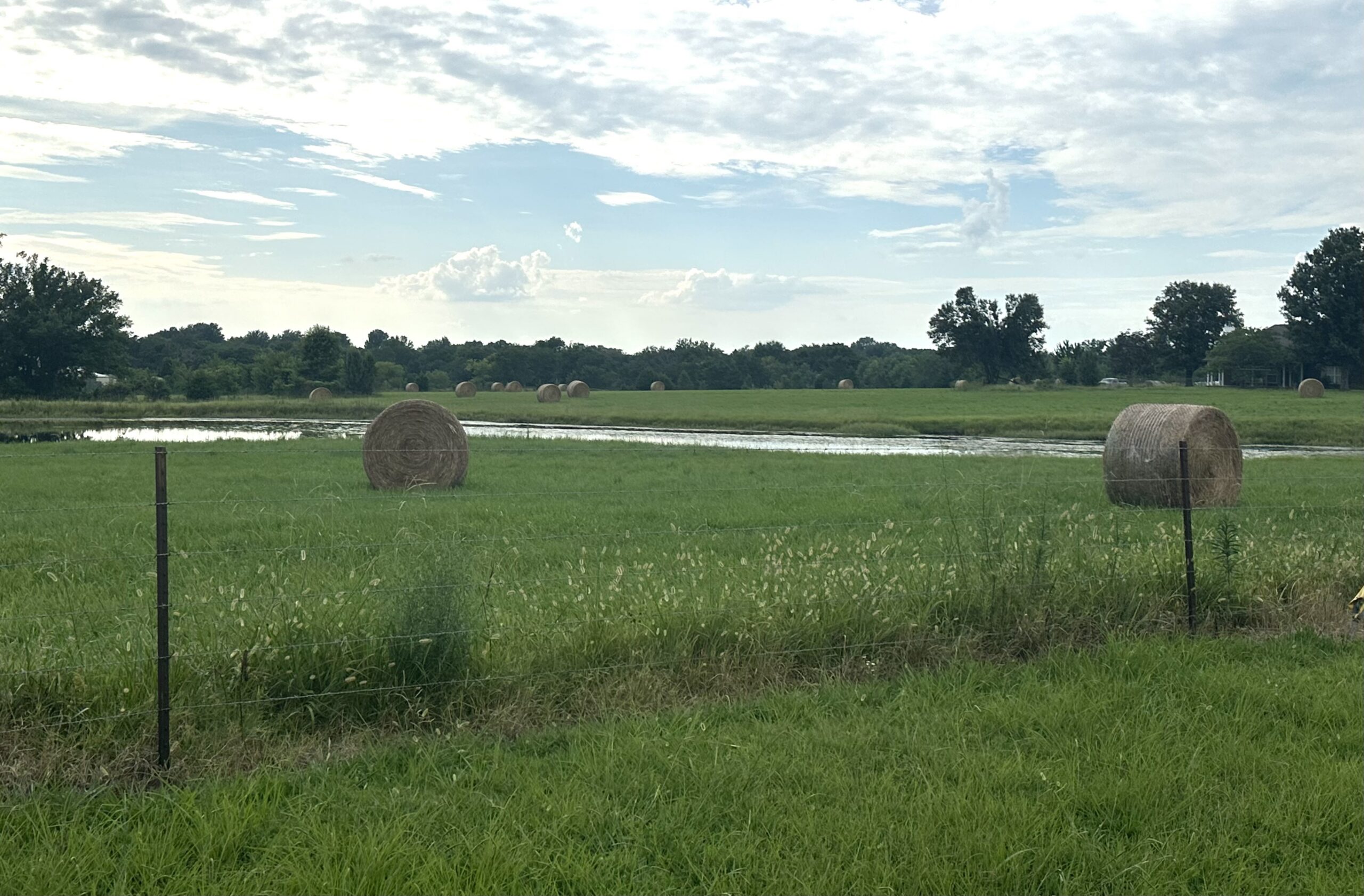
Inola, OK, is a rural community located about 25 miles east of Tulsa. While it has emerged as a bedroom community for Tulsa in recent years, its economy retains a heavily agricultural influence. Inola lies in the Central Irregular Plains ecoregion, with a landscape defined by prairies with tall native grasses and mostly flat terrain with small rolling hills. Inola has been called the “Hay Capital of the World” in recognition of its production of high quality Bluestem Prairie hay. Inola has a growing industrial sector, with a large production factory for the tissue maker Sofidel opening in Inola in 2020.
About the Project
A large aluminum smelter has been proposed to be built in Inola, OK, which, if approved by regulators, would be the largest aluminum smelter in the country. The facility is proposed for a site in the southwestern part of Inola along the navigable Verdigris River (a tributary of the Arkansas River).
The proposed smelter has attracted opposition from many Oklahoma residents. The community is concerned that the smelter would greatly increase barge traffic on the Verdigris River and pose other potential quality of life risks for Inola residents. However, the biggest points of contention amongst the facility’s opponents is the potential environmental and health impacts. Airborne pollutants such as nitrous oxide, sulfur dioxide, and PM2.5 are often emitted by aluminum smelters and can be carried by winds to affect a large area even beyond the community of Inola. Aluminum smelters similar to the design proposed for Inola also have a history of large gaseous fluoride emissions (most often in the form of hydrogen fluoride) that can settle onto soil and foliage and cause fatal fluorosis in livestock. Fluoride pollution on Cornwall Island in the 1970s led entire herds of cattle to die off. While these livestock impacts of fluoride are fairly well-documented, the literature base is scattered, and the impacts on human health are less widely studied.
The overarching goal of this project is to better understand these potential environmental impacts of the proposed Inola smelter through two main objectives. The first objective is to conduct a literature review to understand existing data on the impacts of fluoride and other smelter-generated pollution on livestock and human health. This review will aid the production of communications materials that could be used for advocacy and education in the Inola community so residents can better protect their health and livestock in the event the smelter is constructed. The second objective is to begin testing soil and plants for fluoride and heavy metals across Inola and its neighboring regions, so that residents can have a baseline measurement to compare against if the smelter is built.
The regulatory approval process for the smelter is highly dynamic, with regular hearings and a June 2026 lawsuit filed by the Oklahoma Attorney General highlighting the strong opinions surrounding the proposed smelter. This project will aid the discourse and regulatory process by providing up-to-date and usable scientific information that all stakeholders may use to understand what the potential impacts of the smelter truly are.
Timeline and Milestones
September-November 2026
- Finalize project scope and publish on Thriving Earth Exchange website.
- Recruit, interview, and onboard volunteer scientist.
November-December 2026
- Finish onboarding volunteer scientist.
- Begin review of the scientific literature on the impacts of regulated pollutants from the smelter, particularly fluoride, on livestock and human health.
- Work with community leads to begin creating associated communications materials and develop plan to communicate results back to the community.
December-January 2026
- Finalize literature review.
- Communicate findings of literature review to community members in and around Inola, OK.
- Depending on which stage of the regulatory process the smelter is in, work with community members to ensure that their public comments and other actions related to the smelter are grounded in the updated science.
January-March 2027
- Drawing on the results of the literature review, work with community leads (and other interested partners) to determine a sampling approach for baseline testing of soil near the proposed smelter.
- Identify landowners across the area who agree to allow sample collections on their property.
April-May 2027
- Identify a lab, ideally near Inola or Tulsa, that can process the samples in accordance with accepted scientific practice.
- As necessary, secure funding to support this testing.
June-July 2027
- Develop materials for community members to understand the results of the testing and what it may mean for their livestock or their own health.
- Begin collecting soil and plant samples and submitting them for testing.
Project Team
Community Leads

Christine Roam retired to Inola, Oklahoma, in 2020. Little did she know her new mission would be to protect Northeast Oklahoma’s rural identity.
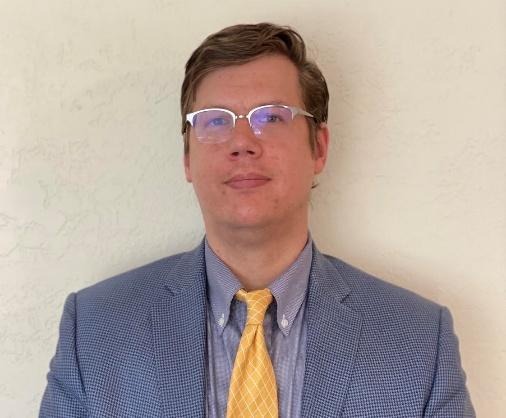
Evan Humphreys is an attorney for a nonprofit organization. He lives in Tulsa, OK.
Community Science Fellow

Austin Scheetz is a program manager at the Yale Center for Environmental Law and Policy, where he supports projects and programs that advance sustainable public and international policy. Austin is passionate about ensuring that communities and decision-makers at all levels have access to the data and information they need to inform their environmental decision-making. Austin has a background in environmental economics with degrees from Purdue and Yale Universities.
Scientist Wanted
Scientist Role
We aim to recruit an environmental scientist to work closely with the Inola community to review the scientific literature on the environmental impacts of the pollutants likely to be generated by the smelter, particularly fluoride. This expert will also assist the Inola community in collecting soil and foliage samples from throughout the area to begin baseline testing for pollutants such as fluoride and heavy metals. This latter task includes advising on a sampling approach that meets community needs and helping the community prioritize which compounds to monitor for.
The literature review component of this project should commence first and will take place during fall of 2026. While a journal-ready scientific article could take as long as the scientist needs it to, a summary document written in plain language should be created as soon as is practical so that community members can reference it throughout the permitting and regulatory process. The baseline testing is a longer-term priority but preliminary work identifying what to monitor, and how, should begin in fall 2026 and ramp up in spring 2027.
The scientist on this project does not need to be local to Oklahoma, but they should be available for remote engagement during reasonable hours of the Central US time zone. We aim to recruit one scientist who can focus on soil/plant testing and the impacts of fluoride on livestock. However, if the literature review uncovers large potential human health impacts, we may recruit a second scientist to further develop that literature review and assist with communications materials for the human health component. Thus, we do not expect our volunteer scientist to bring expertise in human health.
In addition to the volunteer scientist we are recruiting for, there is a local scientist who has agreed to assist this effort by focusing on air quality impacts of the smelter. We hope the pair of scientists can work together with the community leads to provide a holistic picture of the smelter’s environmental impact.
Desired Skills and Qualifications:
- Experience with soil sampling and identifying pollutants in soil
- Experience and/or desire to participate in community education, outreach, and engagement
- Strong listening and collaboration skills
- Willingness to connect science to local concerns
- Ideally, expertise in one or more of the following:
- Agronomy/Soil Science
- Botany/Biology
- Veterinary Medicine/Toxicology
- Environmental & Public Health
Thriving Earth Exchange asks all scientific partners to work with the community to help define a project with concrete local impact to which they can contribute as pro-bono volunteers and collaborators. This work can also position the scientists and communities to seek additional funding, together, for the next stage. Unsure if you’re the right fit for this project? Reach out to us via email at [email protected] to learn more.
Interested in volunteering as a scientist? Apply now!
Collaborating Organizations
Protect Inola
A grassroots community campaign protecting the health, heritage, and future of Inola, Rogers County, and Green Country, Oklahoma.
Status:
Scientist Wanted,
Location:
Inola,
Managing Organizations:
Thriving Earth Exchange,
Project Categories:
Agriculture,
Air Pollution,
Contamination/pollution,
Health Impacts,
Pollution,
public health,
Project Tags:
No tags