Meet the May 2026 Cohort of Community Science Fellows!
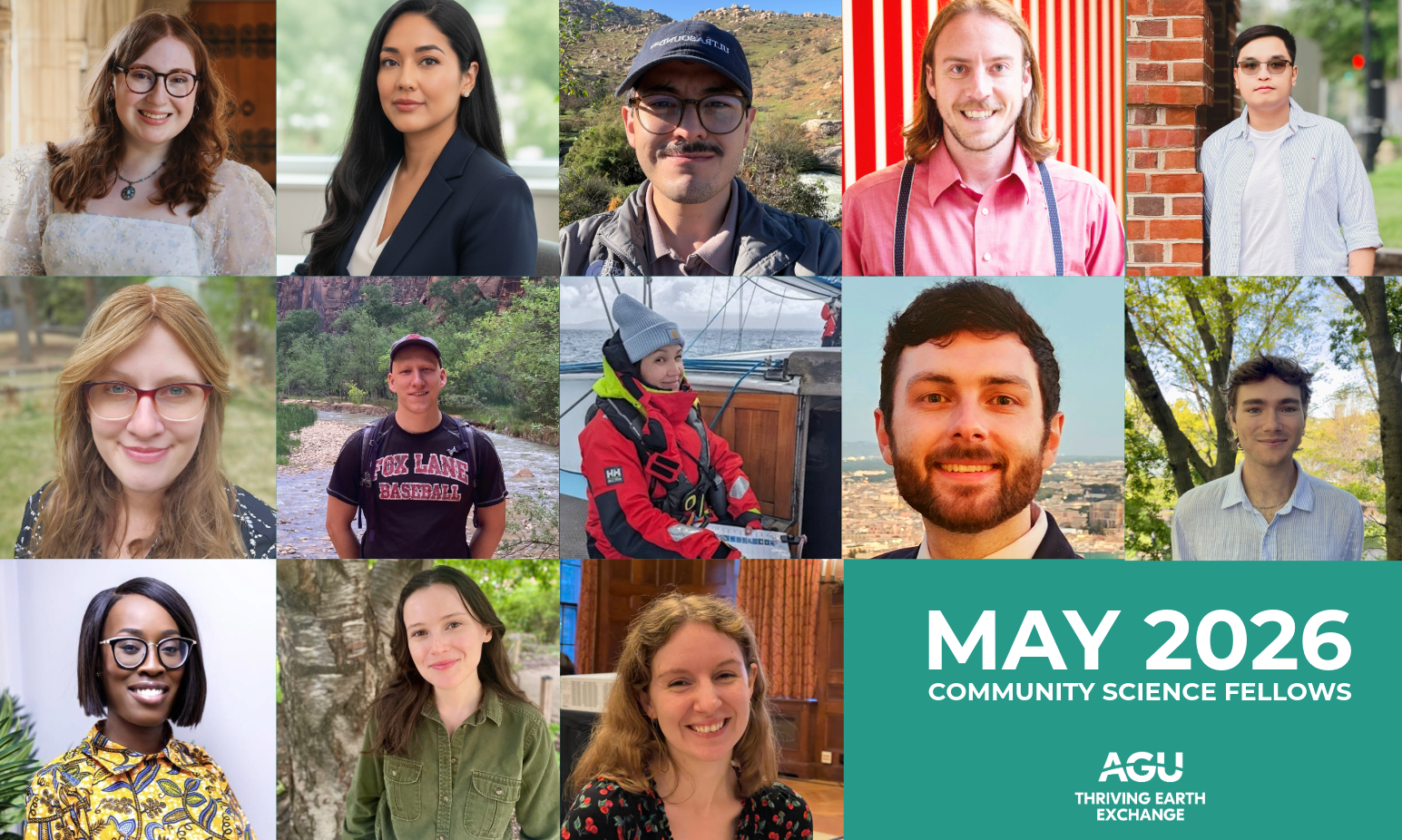
Thriving Earth Exchange is pleased to announce our May 2026 cohort of Community Science Fellows!
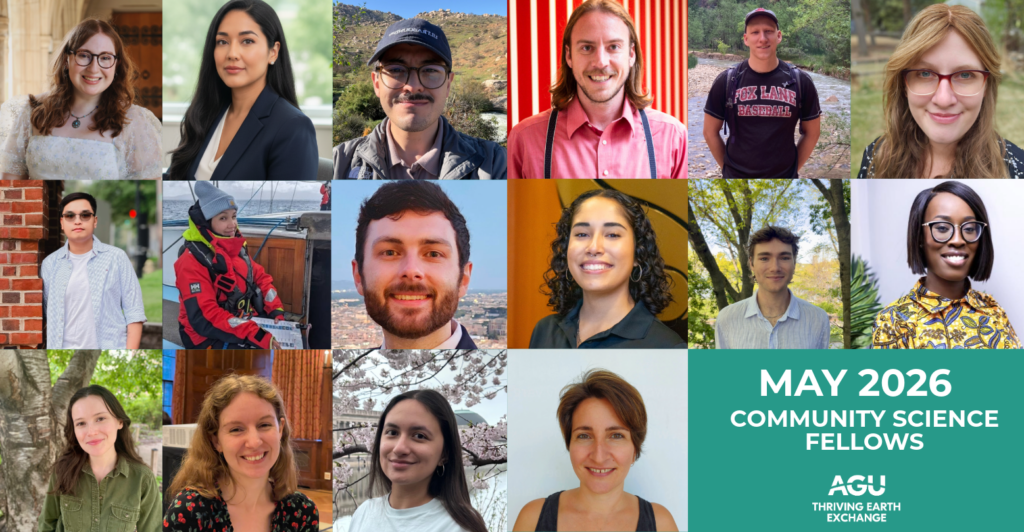
They’ll be working with communities across the United States, Mexico and South America to launch impactful community science projects. The partnership will connect communities with scientists and technical experts and support them as they work together to tackle local challenges related to natural hazards, natural resources and climate change. Stay tuned for more information about the impactful projects to come from this launch and the communities who lead and inspire them!
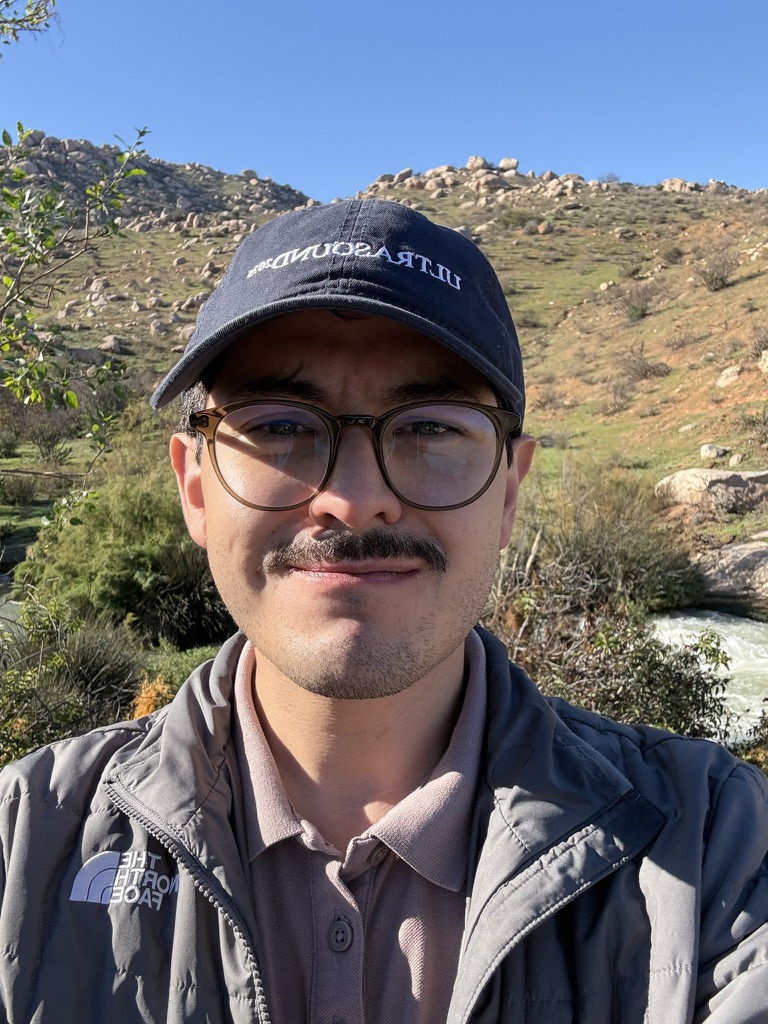
Jose Antonio Avila is an Earth citizen and graduate student in Water Resources, specializing in the groundwater dynamics of the Colorado River Delta. His work focuses on developing advanced modeling approaches—utilizing time-series analysis and simulations—to evaluate groundwater evolution and subsurface responses to environmental flow releases. Antonio’s life philosophy and scientific practice are deeply informed by a lifelong enthusiasm for the Earth’s resilience. Driven by the belief that protecting the planet’s lifeblood (water) requires both technical precision and a creative soul, he integrates his passion for nature to sharpen his comprehension of natural systems. He strives to ensure that the ecological health of water systems is protected through rigorous, science-based decisions.
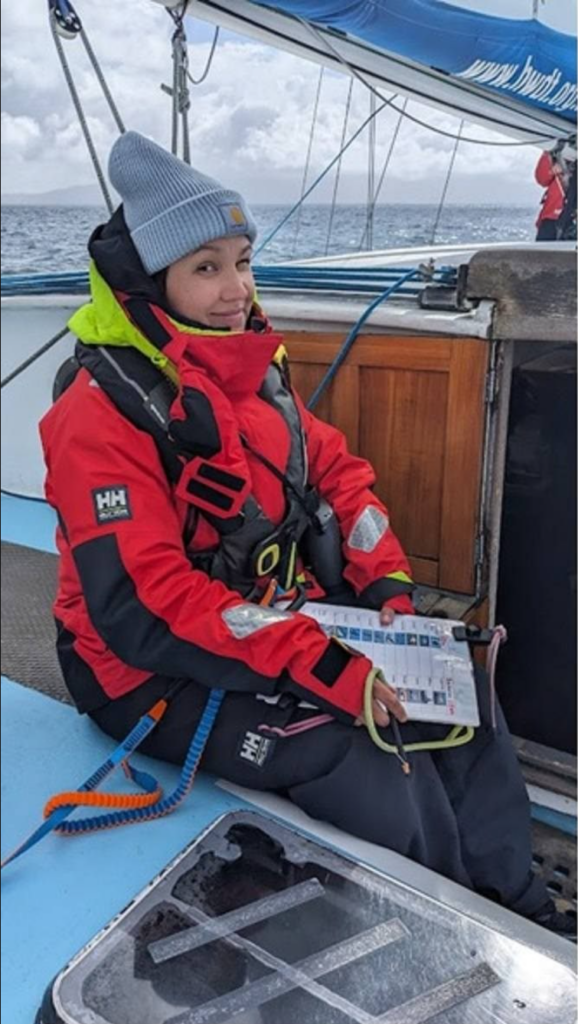
Kristin Bayans (she/her) Kristin’s sense of wonder (and ability to read) was nurtured while nestled next to her mom on a worn, blue-and-flower-patterned couch, poring over the latest National Geographic together. She grew up to be a science communicator, a nonprofit wrangler, and a chronic noticer of small things. Her career has threaded through museums, marine reserves, and professional science networks, building projects alongside communities. She wants to make science accessible to people of all abilities, in ways they can connect to and care about. As her path unfolded, Kristin gravitated toward guiding and contributing to community- and citizen-science projects. She joined the board of a regional ocean conservation
organization and created her ocean-focused blog, Harboring Change. She spends as much time as possible at the edge of the Pacific with her St. Bernard, watching for whales.
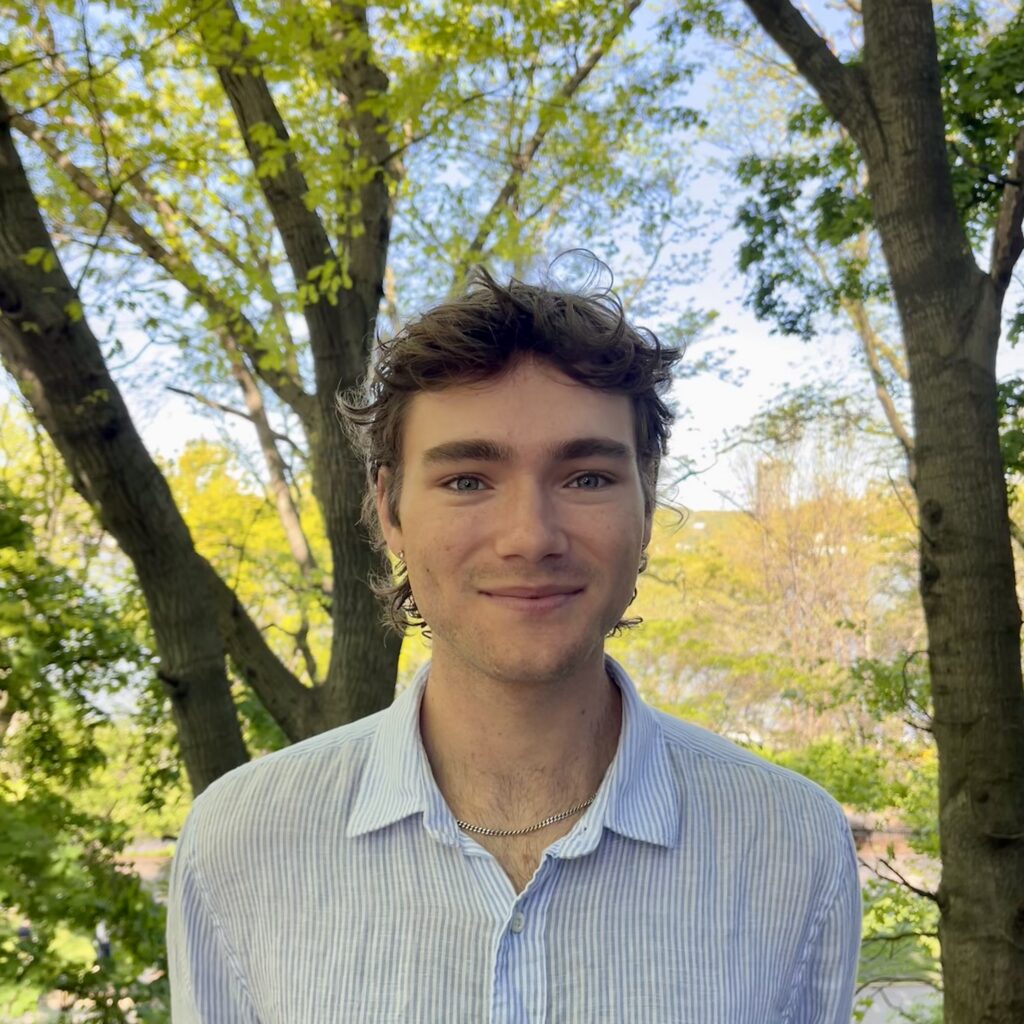
Jasper Beardslee is a science communicator with a background in air quality, remote sensing and legal innovation. As a researcher with NASA DEVELOP (now NASA EARTHRISE), he helped local communities leverage open-source satellite data to advance their advocacy and policy goals. His work mapped and quantified air pollution in California’s San Joaquin Valley and examined who bears the greatest pollution burden. Jasper then continued on with NASA EARTHRISE as a program mentor, supporting new projects that connect Earth observation data with community priorities. In parallel, Jasper works in law and legal innovation to help change how the legal industry operates. He has run more than five successful projects with LawWithoutWalls, exploring new ways to make legal services more efficient, accessible, and impactful. Jasper is passionate about mitigating pollution and improving public health, and brings an interdisciplinary lens to AGU.

Jan Philip Y. de Leon is a Ph.D. student at the University of Delaware studying community engagement, stakeholder awareness, and decision-making for coastal resilience and nature-based solutions. He is a licensed civil engineer in the Philippines and completed his master’s degree in civil engineering at the University of Delaware, experiences that continue to shape his interest in practical and community-centered approaches to resilience. His current work in Lewes, Delaware examines how residents’ perceptions of nuisance flooding and nature-based solutions change through engagement activities, using surveys and agent-based modeling to better understand trust, awareness, and support for local adaptation strategies.
As a Thriving Earth Exchange Community Science Fellow, Philip is excited to support community-centered science that connects technical research with local priorities. He is especially interested in helping communities co-develop resilience solutions that are practical, inclusive, and grounded in lived experience.
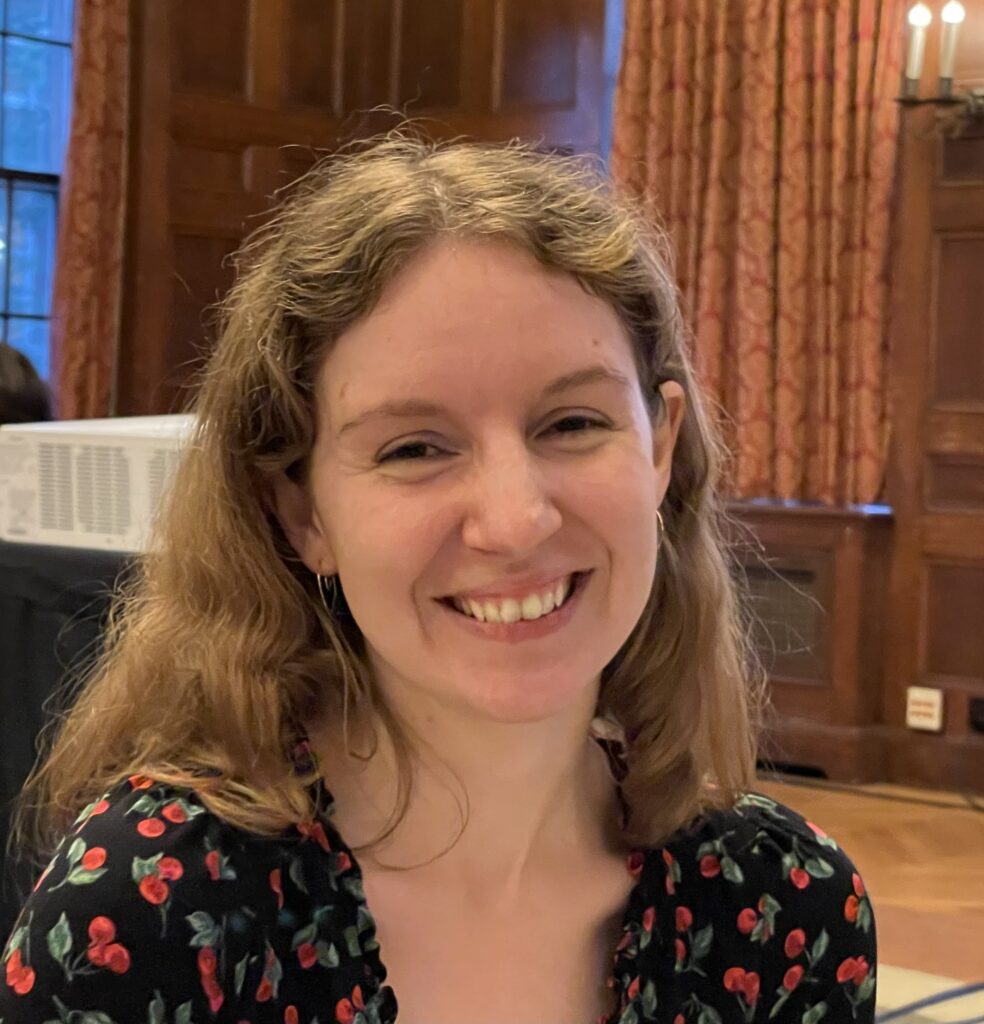
Eleda Fernald (she/her) is an environmental professional living in Portland, OR. She brings experience in horticulture, land stewardship, remote sensing, and solar engineering, as well as a bachelor’s degree in physics from Oberlin College. Passionate about community, research, and climate resilience, Eleda is excited to join one of Thriving Earth Exchange’s community partners in their efforts. In addition to her scientific experience, Eleda has spent time studying percussive traditions around the world as a Thomas J. Watson Fellow.
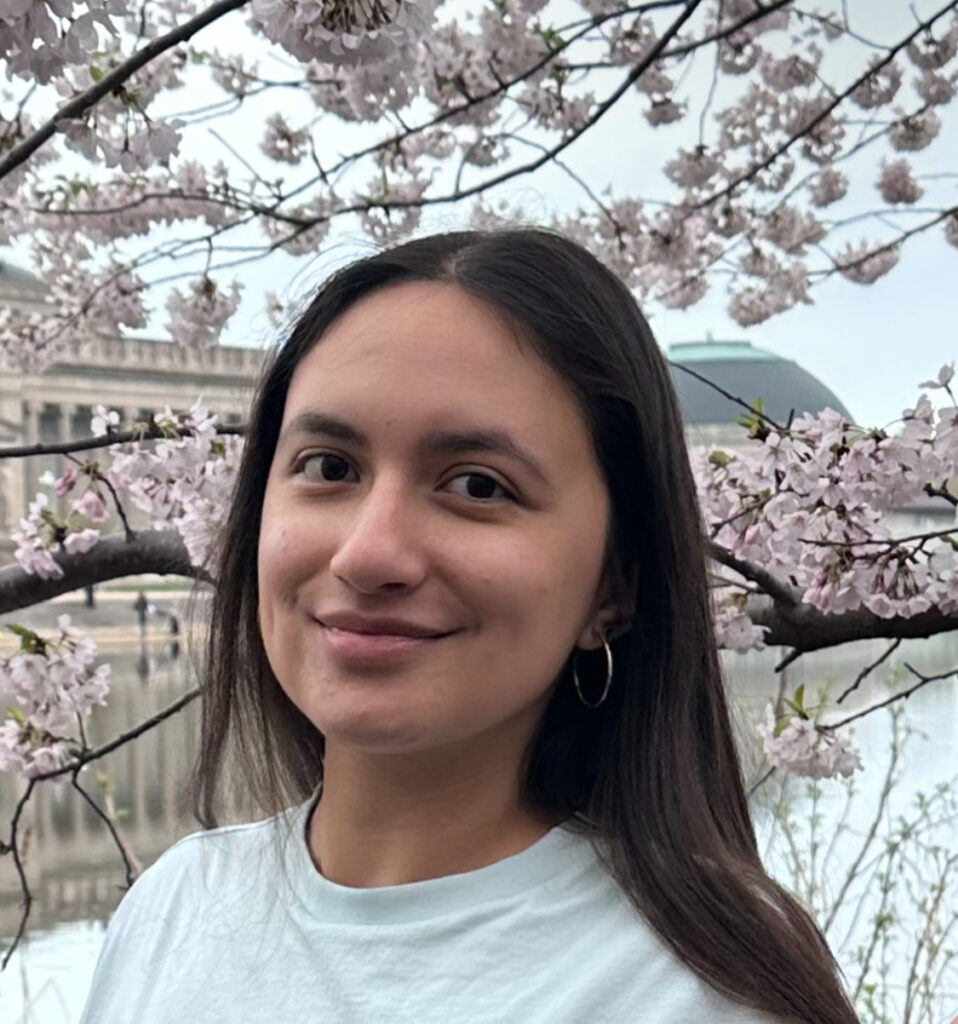
Kaylee Gonzalez (she/her) is a first year student in the Masters of Science in Environmental Science program at the University of Colorado Denver. Since it is the beginning of her graduate school journey, she has tentative plans for concentrating in Policy and Management, and completing a thesis focused on environmental justice. She deeply believes in the importance of scientific communication with the public, as the research scientists do ultimately helps people and this is important to recognize. Kaylee practices community engagement herself through her two jobs at CU Denver as a consultant at the writing center and a teacher’s assistant in the geography and environmental science department. She received her BA in Biological Sciences with a minor in Latina/o Studies from Northwestern University.
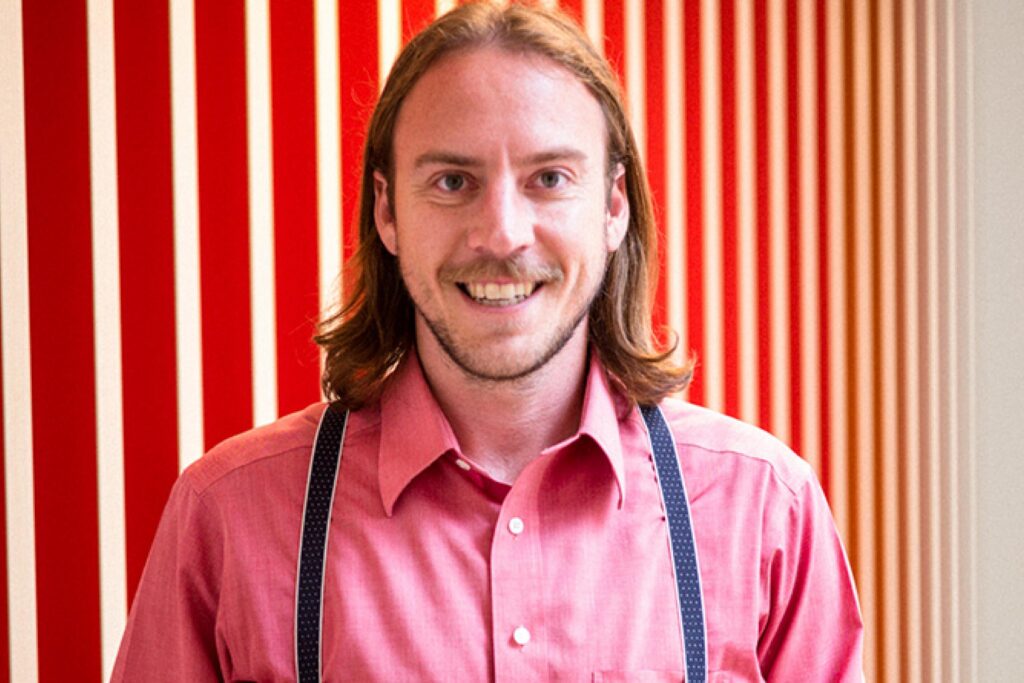
Mitchell Kiefer is currently working at American University as a coordinator for a peer tutoring program and as an adjunct professor in the sociology department. His background is in environmental sociology and the sociology of science, where he has focused on issues of trust between scientific communities and the public, public understandings of science, as well as the politics of knowledge in contexts of community responses to climate change and other environmental problems. While working as a Lecturer at Maastricht University, Mitchell developed and facilitated workshops on citizen and community science and taught on topics such as sustainability and social justice, the history of science, and science communication. In
his current role, he is focused on empowering learners through collaborative and participatory approaches to education, and he continues to teach on topics related to science in society. His goals involve facilitating community science projects in the pursuit of justice in knowledge production processes, and to foster closer, more meaningful relationships between scientific practitioners and the public. Mitchell is an avid rock climber and loves to be in a canoe floating down a river.
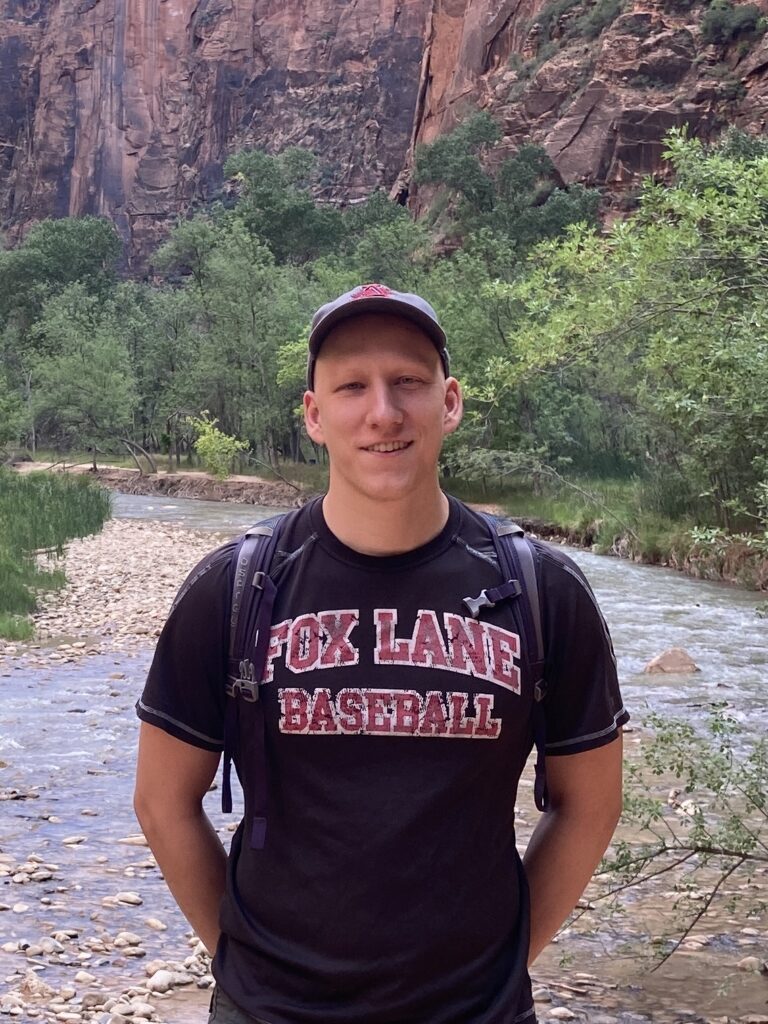
Charlie Kimsal is a geologist with a strong interest in Earth’s natural systems and human interactions with them. He currently lives in Arkansas and works for the U.S. Geological Survey, where he focuses on groundwater modeling and hydrogeologic framework development. He holds an M.S. in Geological Sciences from Arizona State University and a B.S. in Geological Sciences from the University of Delaware. In his free time, Charlie enjoys kayaking, playing guitar, and cooking.

Elvira Lafuente is a scientist (with a Ph.D. in Evolutionary Biology), originally from Spain, who has mastered the art of international relocations after living in more than five different countries and keeping about 30 houseplants alive and thriving along the way. Based in Lisbon and fluent in ‘Portuñol,’ she is also a DIY enthusiast with a creative yet practical approach to life.
Her academic research explores how organisms cope with environmental challenges like changes in temperature or pollution. She mainly focuses on how these factors influence the development of organisms and the evolution of populations. Elvira is passionate about mentoring, fostering inclusivity in academia, and engaging with the public through science. When she is not immersed in research, you will likely find her hiking to the top of a mountain to unwind or listening to the soothing bubbles from her snorkeling tube as she explores underwater worlds.
Edward Millar
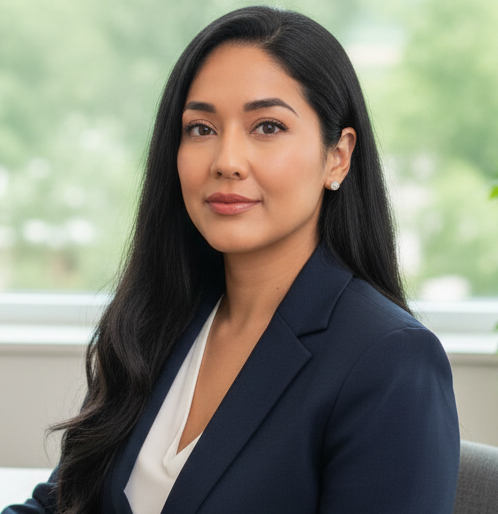
Kelly Peña is a Forest Engineer, linguist, and the Founder and Director of Ecuadendro Tropical Research. She is currently finalizing her Ph.D. in Natural Sciences at Friedrich-Alexander-Universität (FAU), Germany, where she is preparing to defend her doctoral thesis: “Integrative Assessment of Tree Growth and Wood Anatomy under Climatic Forcing across Andean Forest Types: Toward Informed DendroRegulation.” Her research integrates wood anatomy, tree physiology, and dendrochronology with stable isotope analysis and high-level statistical modeling in R to examine the impacts of climate change through paleoclimate proxies. Kelly is recognized for introducing the term “DendroRegulation” to the scientific community, a pioneering framework that bridges the gap between palaeodata proxies and environmental governance. She currently directs three global initiatives: the EcuaDendro Summits, the DendroRegulation Framework, and the DendroCopa Fellowship, an international scientific mentorship program. With Master’s degrees in Applied Statistics and Environmental Management, Kelly is dedicated to institutionalizing dendrochronology in the tropics and ensuring that complex wood science translates into actionable environmental policy and community resilience.
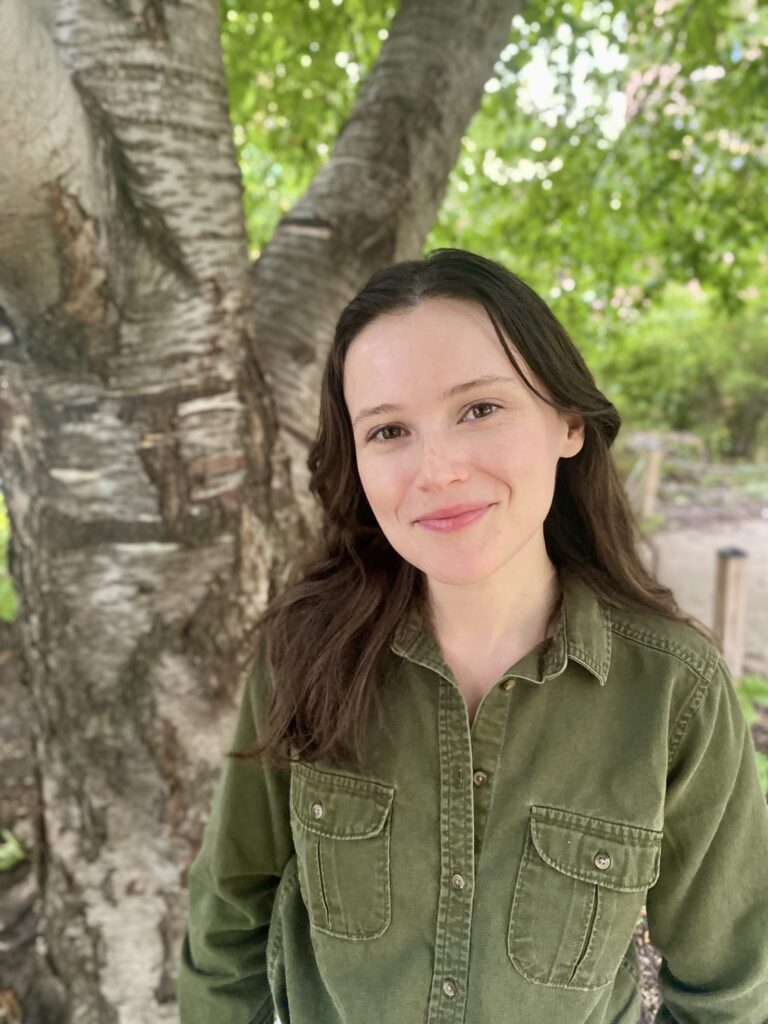
Catherine Principe (she/her), is an environmental conservation professional and passionate outdoor educator with 13 years of experience dedicated to nature. Her work spans environmental restoration, research, outdoor education, and urban agriculture, bringing a wealth of knowledge from her time with organizations like Harvard University, the Massachusetts Audubon Society, the Chicago Zoological Society, and The Nature Conservancy. Most recently, Cat spearheaded the Thrive Outside Chicago initiative at The Nature Conservancy’s Illinois chapter, successfully building a network of 48 local nonprofits to promote equitable access to nature for historically excluded communities, particularly on Chicago’s south and west sides. Cat is passionate about community science, recognizing its importance not only for research but also in empowering individuals who may feel excluded from scientific discourse. She’s actively involved in supporting organizations doing this work, and has served on the planning committee for the City Nature Challenge: Chicagoland since 2024. Off the clock, Cat enjoys kayaking the Chicago and Calumet Rivers, tending her urban garden, birdwatching around the city, and lots of baking. She holds a B.A. in Environmental Analysis and Policy from Boston University
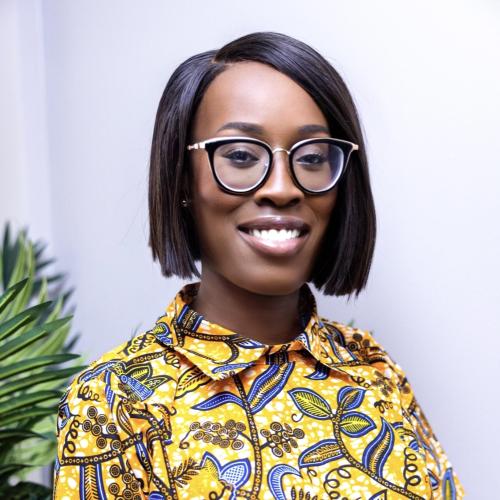
Dr. Amy Yeboah Quarkume is an Associate Professor at Howard University in the Department of Earth, Environment and Equity whose work centers on community-driven environmental justice. She holds a Ph.D. in African American Studies from Temple University, along with master’s degrees in Sociology and African American Studies, and additional training in data analytics from Harvard Extension School and the University of Massachusetts. She leads the CORE Futures Lab, where she partners with residents to co-design air quality and heat monitoring systems that address local environmental challenges. Her approach integrates low-cost sensors, participatory research, and AI tools to ensure communities not only generate data but also own and use it for advocacy. Dr. Quarkume is an Andrew Mellon New Directions Fellow, an NCAR Innovator Fellow, and a White House HBCU All-Star Campus Mentor, reflecting her leadership at the intersection of climate, data science, and equity. Her projects engage youth as community scientists, equipping them to collect, analyze, and communicate environmental data that impacts their neighborhoods. She collaborates with grassroots organizations to document lived experiences alongside environmental measurements, strengthening the connection between data and real-world impact. Through her work, she advances models of research that center equity, access, and community power in addressing climate and health disparities.
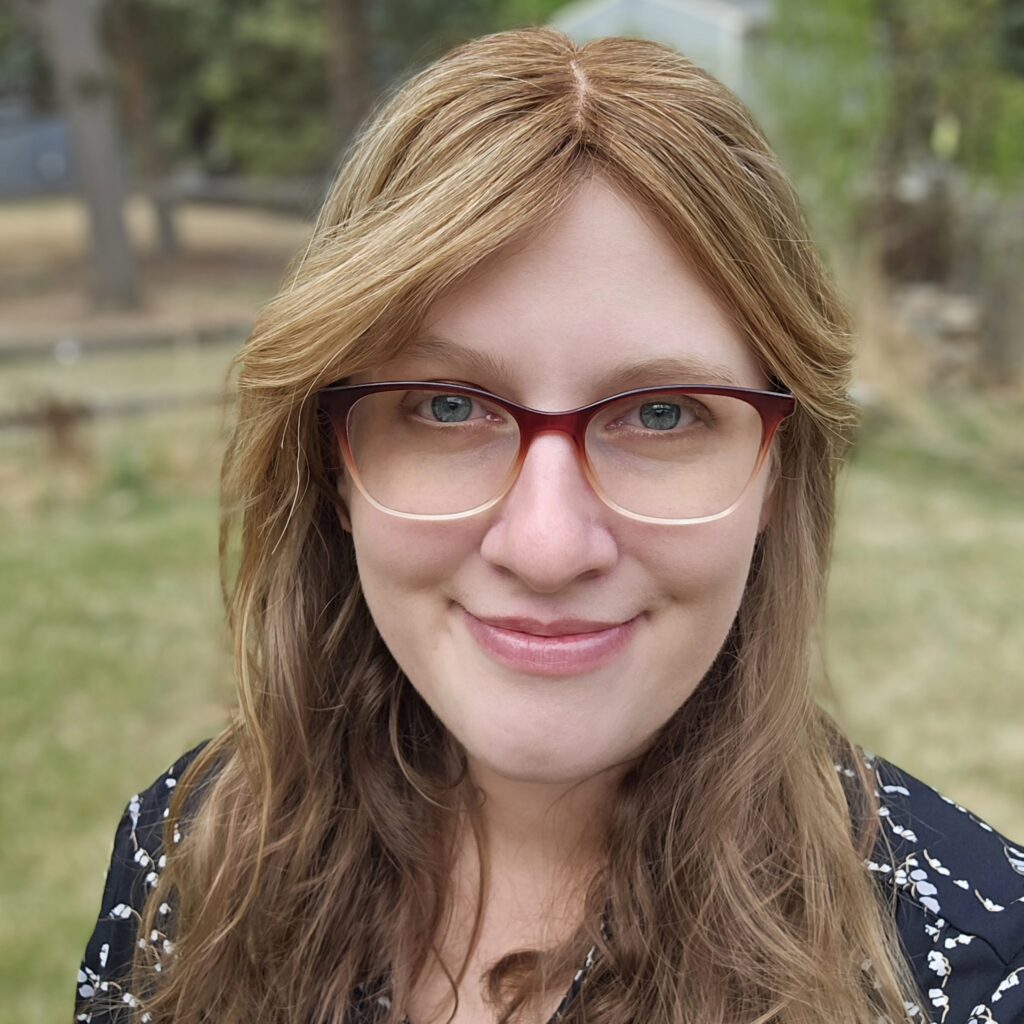
Mj Riches is a postdoctoral fellow at Colorado State University, where she investigates how plants interact with their surroundings. Much of her work has focused on how stressors like wildfire smoke and ozone affect plants and the chemicals they emit. She now brings her experience in chemistry to a group of entomologists, exploring plant-insect interactions. Working with experts from different fields, different sectors and different scales (satellite,
forest, leaf and molecular), she values cross-disciplinary explorations that drive progress. Mj enjoys sharing her appreciation of plants with non-scientists through outreach events, and she leads science art and accessibility workshops to promote inclusive learning.
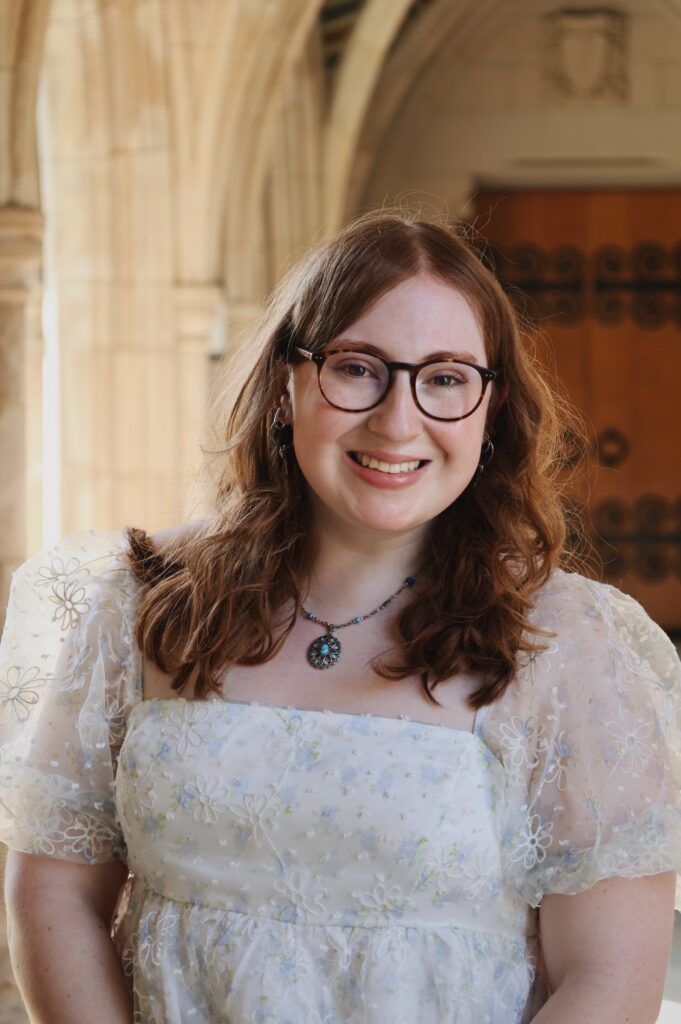
Emily Sandberg (she/her) is a PhD student in Fisheries, Wildlife, and Conservation Biology at North Carolina State University. An interdisciplinary applied ecologist by training, she has worked with a broad range of species and research projects—everything from fruit flies to lemurs! Prior to beginning her PhD, she earned a BS in Psychology and a BA in Evolutionary Anthropology from Duke University, as well as an MA in Higher Education from Columbia University. Her current research focuses on how identity supports participation in citizen science projects, and whether identifying as a citizen scientist contributes to one’s engagement in pro- environmental behaviors. Emily is fascinated by questions that bridge ecology and the people
that make ecological research possible—like citizen scientists! She is deeply committed to teaching and mentoring the next generation of ecologists and is informed by both her background in higher education and her current work as an academic advisor at NC State. Emily is also driven by an appreciation for science communication, which shapes how she approaches every step of the research process and has led her to participate in informal science education and outreach initiatives at both Duke and NCSU. She is excited to engage communities in accessible, meaningful science as a Community Science Fellow!
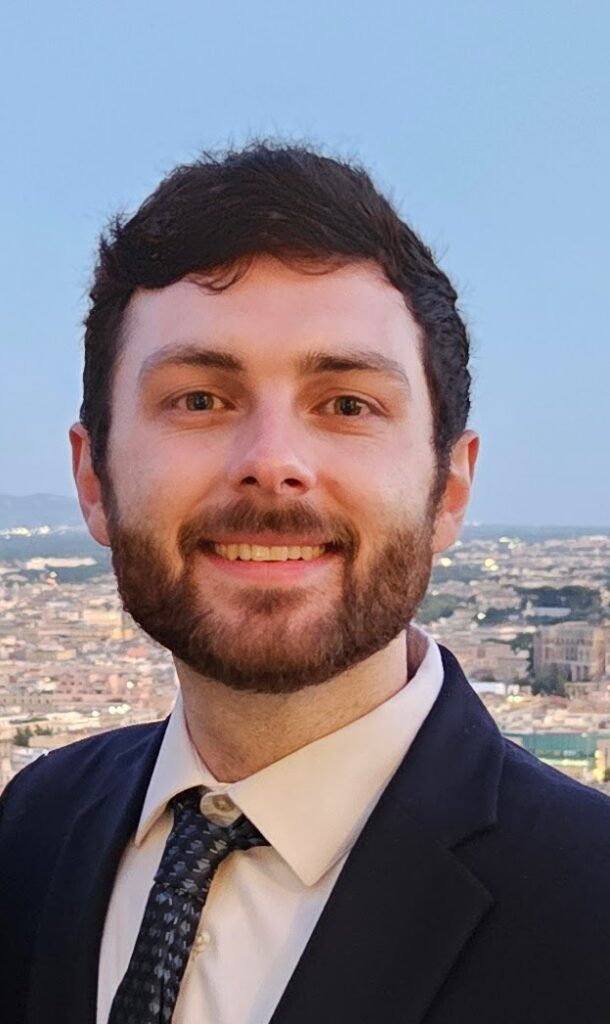
Austin Scheetz is a program manager at the Yale Center for Environmental Law and Policy, where he supports scientific projects and programs that strive to improve environmental decision-making. Previously, Austin worked in Washington DC at the National Academy of Sciences and the U.S. Global Change Research Program, promoting science programs that bridge the divides between social and natural sciences. Austin is passionate about
ensuring that communities and decision-makers at all levels have access to the data and information they need to inform their environmental decision-making. Austin has a background in environmental economics with degrees from Purdue and Yale Universities. Outside of work, Austin is an orchestral trombone player and is currently learning how to play the bansuri (Indian bamboo flute).
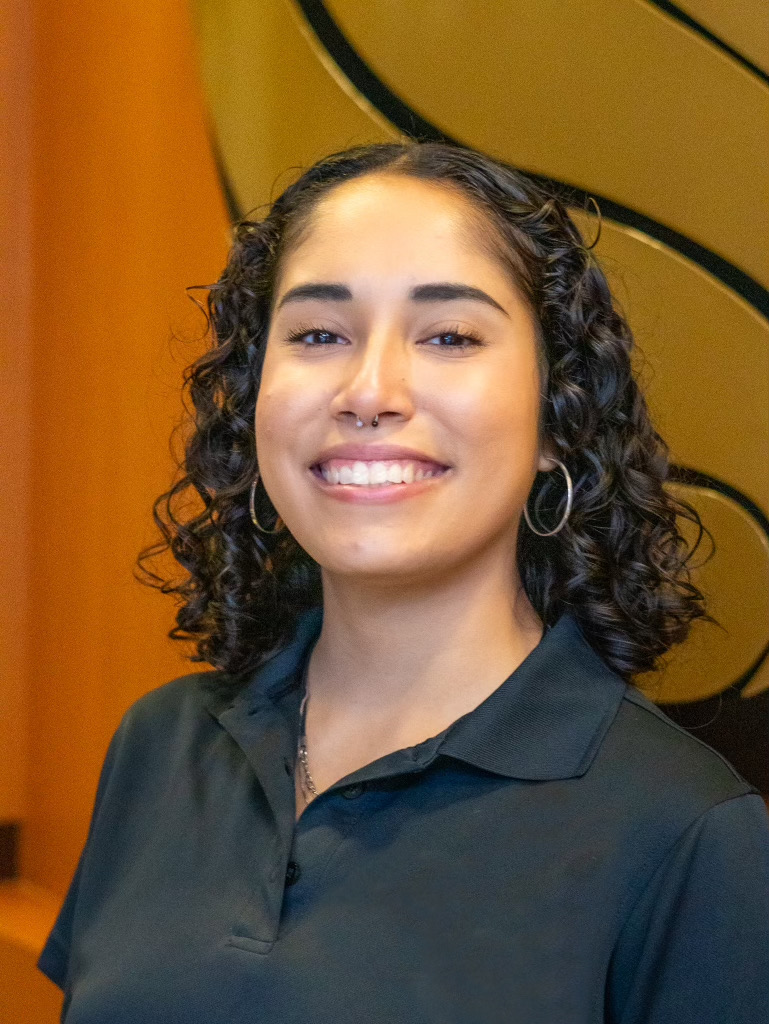
Stefannia Tasayco is currently a Professional Research Assistant for the Institute of Arctic and Alpine Research at the University of Colorado Boulder. She will be an incoming PhD student starting Fall 2026 in the Department of Environmental Studies with an interest in water resource remediation, security, equality, and sovereignty for remote communities in the Global South. She grew up in Colombia with a love for soccer and the country’s deep-rooted ties to Salsa. To Stef, community-based climate science fulfills her hopes of a better future by prioritizing accessibility, resilience, and diverse epistemologies.
Actualmente, Stefannia Tasayco trabaja como Asistente Profesional de Investigaciones para la Universidad de Colorado Boulder. En agosto 2026, ella empezará su doctorado en el Departamento de Ciencias Ambientales estudiando la remediación de recursos hídricos, seguridad, igualdad y soberanía para comunidades remotas del Sur Global. Ella creció en Cali, Colombia con un amor al futbol y la salsa Colmbiana. Para Stefannia, la ciencia climática basada en la comunidad cumple sus esperanzas de un futuro mejor al priorizar la accesibilidad, la resiliencia y las epistemologías diversas.