Beyond the forecast: building community flood resilience with Nurture Nature
Community science is very critical at this moment in time.
Kate Semmens
The Nurture Nature Center is making meaningful strides through its 10 active AGU/Thriving Earth Exchange Community Science Hub projects that span six states. This nonprofit organization works to equip communities with knowledge and tools to better understand and respond to flooding challenges.
The Community Science Hub program is funded by the Gordon and Betty Moore Foundation to build and support regional and topically focused hubs for community science.
“Community science is very critical at this moment in time,” said Kate Semmens, the Center’s science director. “Connecting communities to science and the benefits that science provides is key for avoiding misconceptions and the spread of misinformation. It’s also important to share what we are doing as scientists and to use that to support communities so that they will then support us.”
Local solutions, lasting impact
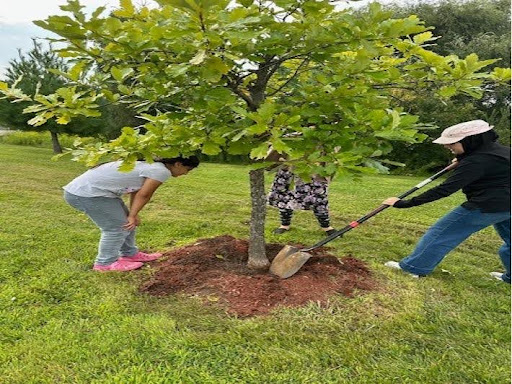
As part of a Community Science Hub project in South Burlington, Vermont, the Islamic Society of Vermont is partnering with the Nurture Nature Center to learn about and implement practical flood prevention and recovery strategies that it can share with its more than 5,000 refugee and immigrant members.
Weather forecasts often aren’t targeted to immigrant and refugee communities, who may not understand the language, local climate or flooding risks. In South Burlington, many live near the river and face repeated flooding, so this project focuses on targeted outreach and education that will help them safeguard their homes, creating a more resilient and informed community. Semmens says that although there have been some setbacks with identifying a scientist, the community remains passionate about moving this work forward.
Another project in Portland Borough, a small, rural community in Northeastern Pennsylvania, is converting a vacant site into a sustainable community garden that can provide local families with fresh, affordable produce while fostering a space for social engagement, education and wellness.

“They came to the scoping phase with a broad idea of finding ways to engage the community around flooding,” said Semmens. “The Thriving Earth Exchange community science process helped them narrow that down and focus on a community garden as a way to bring the community together around a tangible improvement while also providing a place to talk about how to mitigate flood risk.”
Lessons from community collaboration
Semmens says that working with communities on the hub projects has underscored the importance of patience and giving grace to the process, as projects often take longer than expected to get off the ground. Still, she notes that even when timelines stretch, the process — especially the scoping phase — offers significant value by helping communities clarify their goals, challenges and potential solutions.
“Some communities may feel frustrated after going through the intensive scoping phase and developing a project description, only to face delays in finding a scientist match,” said Semmens. “Once a scientist is on board, the project scope may need to shift based on their expertise and availability. It’s important to set these expectations early so community leads don’t become discouraged.”
Another key lesson has been the importance of flexibility in how scientists are identified and engaged. Some projects, like Palmer Township’s remote flood risk assessment and climate modeling project in Pennsylvania, have worked well with remote scientists. However, in other cases — especially when a local connection is important — Thriving Earth Exchange staff, community fellows and community leads have played a key role in identifying local scientists, often through personal networks and outreach.

Broadening support strategies
Being a part of the Community Science Hub program has helped the Nurture Nature Center strengthen its relationships with the communities it serves. “We have worked in flood-risk communities for over a decade, with a primary focus on improving forecast information and how it’s delivered,” she said. “However, these communities face many other challenges. This program has allowed us to offer broader support by providing new types of assistance and resources that go beyond forecasting.”
The Nurture Nature Center remains committed to supporting community science and is proud of the progress the projects in its Hub have made so far. “The dedication that the community leaders have for their communities and the willingness of the volunteer project managers (community fellows) and project scientists to help these communities is really wonderful to see,” said Semmens.
Community Science Hubs
The Nurture Nature Community Science Hub and is supported in part through a generous grant from the Gordon and Betty Moore Foundation.