Meet the October 2025 Cohort of Community Science Fellows!
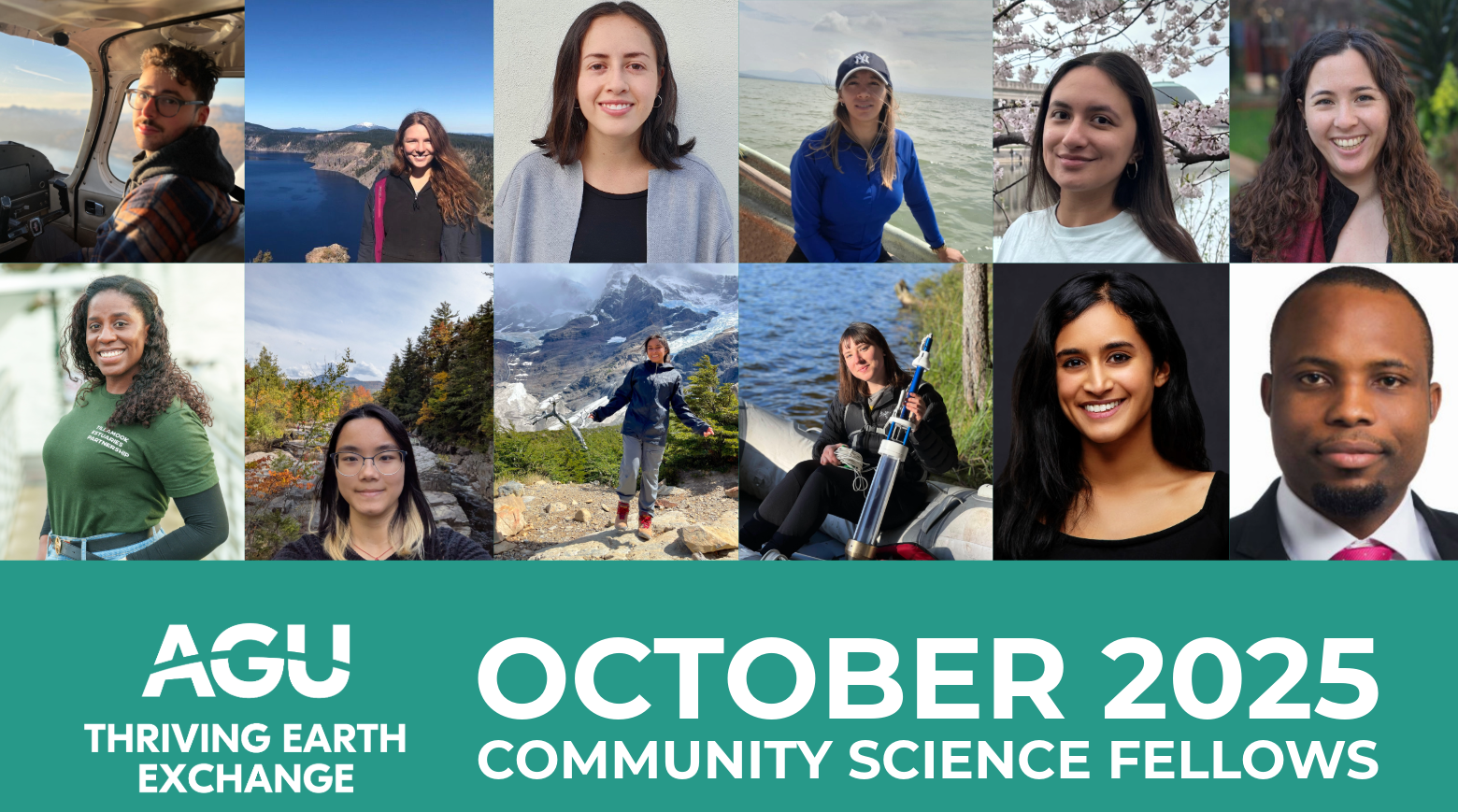
Thriving Earth Exchange is pleased to announce our October 2025 cohort of Community Science Fellows!
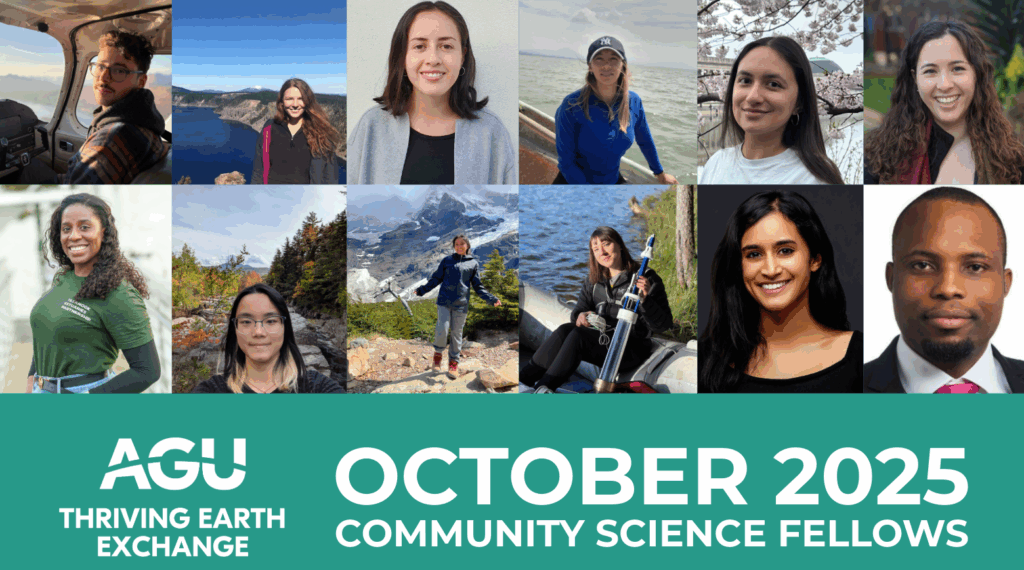
They’ll be working with communities across the United States, Mexico and South America to launch impactful community science projects. The partnership will connect communities with scientists and technical experts and support them as they work together to tackle local challenges related to natural hazards, natural resources and climate change. Stay tuned for more information about the impactful projects to come from this launch and the communities who lead and inspire them!
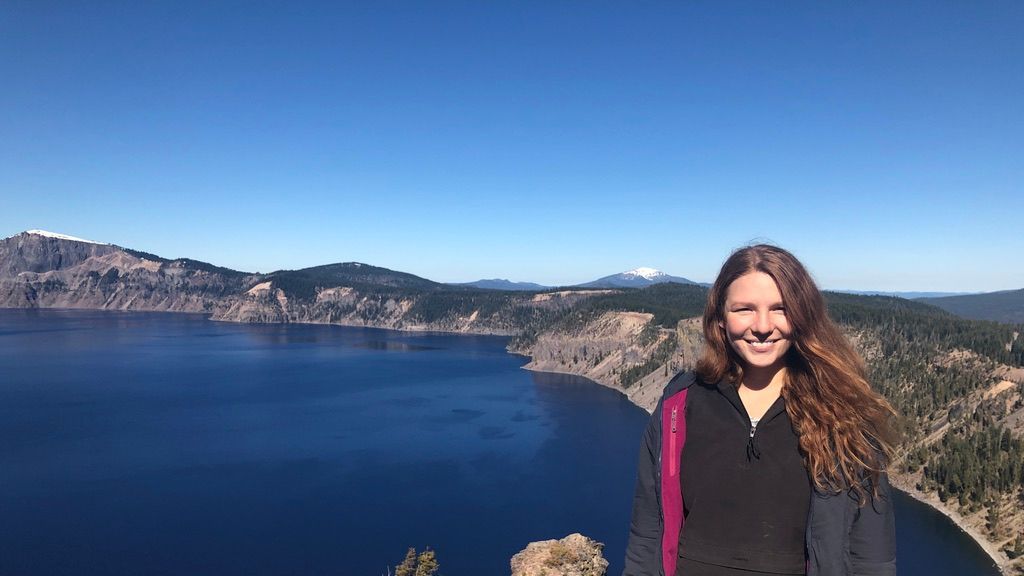
Caroline Cooper (she/her) is a restoration scientist with a background in coastal and riverine morphology. Her professional and academic experiences range from participating in Arctic expeditions that investigated sediment transport regime shifts under warming climates to assessing bioaccumulation of contaminants at Superfund sites with the USGS. She earned her M.S. in Marine Science from the University of North Carolina at Chapel Hill and her B.S. in Marine Biology from the College of Charleston. As an interdisciplinary environmental scientist, she aims to advance applied science in support of communities and their environments.
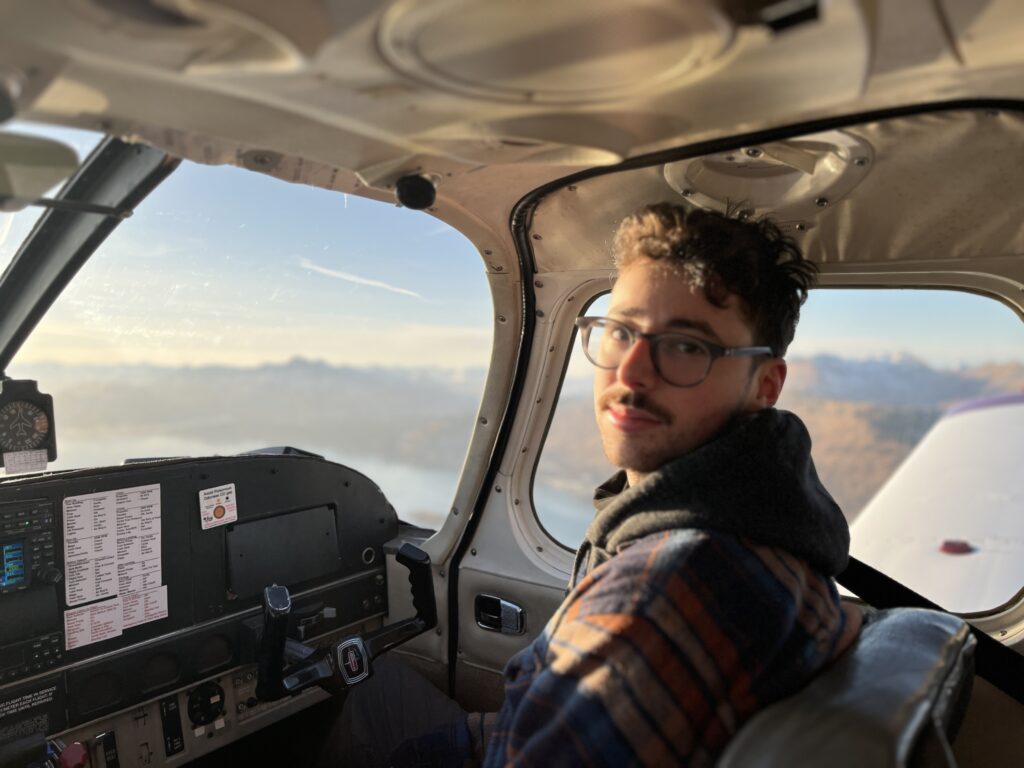
Ben Dahan is a Department of Energy Innovator Fellow at the Alaska Native Tribal Health Consortium, where he travels around rural Alaska to develop Tribally-owned renewable energy projects. Previously, Ben founded the Common Grounds program at Planet Reimagined, a climate advocacy non-profit, and led applied earth science research through NASA DEVELOP. Ben graduated from the Columbia University – Sciences Po Paris Dual BA in Sustainable Development and Political Humanities, and is an even prouder alum of AmeriCorps NCCC.
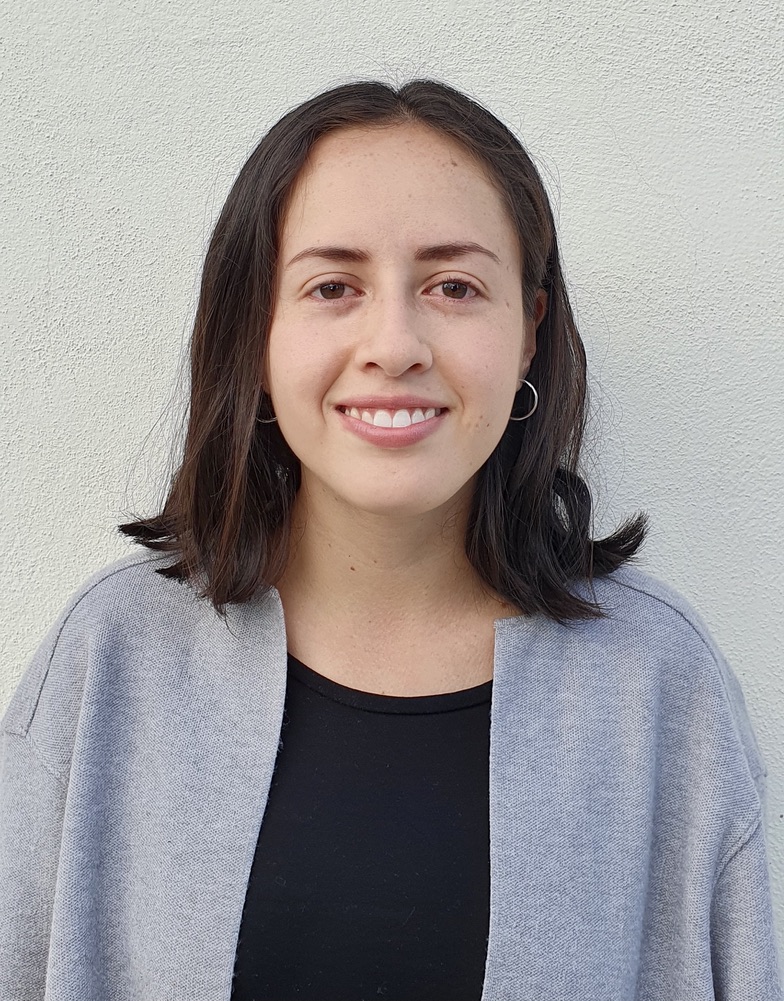
Isabel Jasso Isabel is a PhD student in Biological Sciences at the Universidad Autónoma de Querétaro in Mexico. With academic training in Nutrition and Environmental Sciences, her work bridges health, sustainability, and food systems. She is particularly interested in how science can support the development of healthier and more sustainable communities. Her research explores the implementation of the Planetary Health Diet in rural areas, drawing on interdisciplinary approaches to address both environmental and public health challenges. Isabel is passionate about community-based solutions, sustainable food production, and science communication as tools to promote planetary well-being.
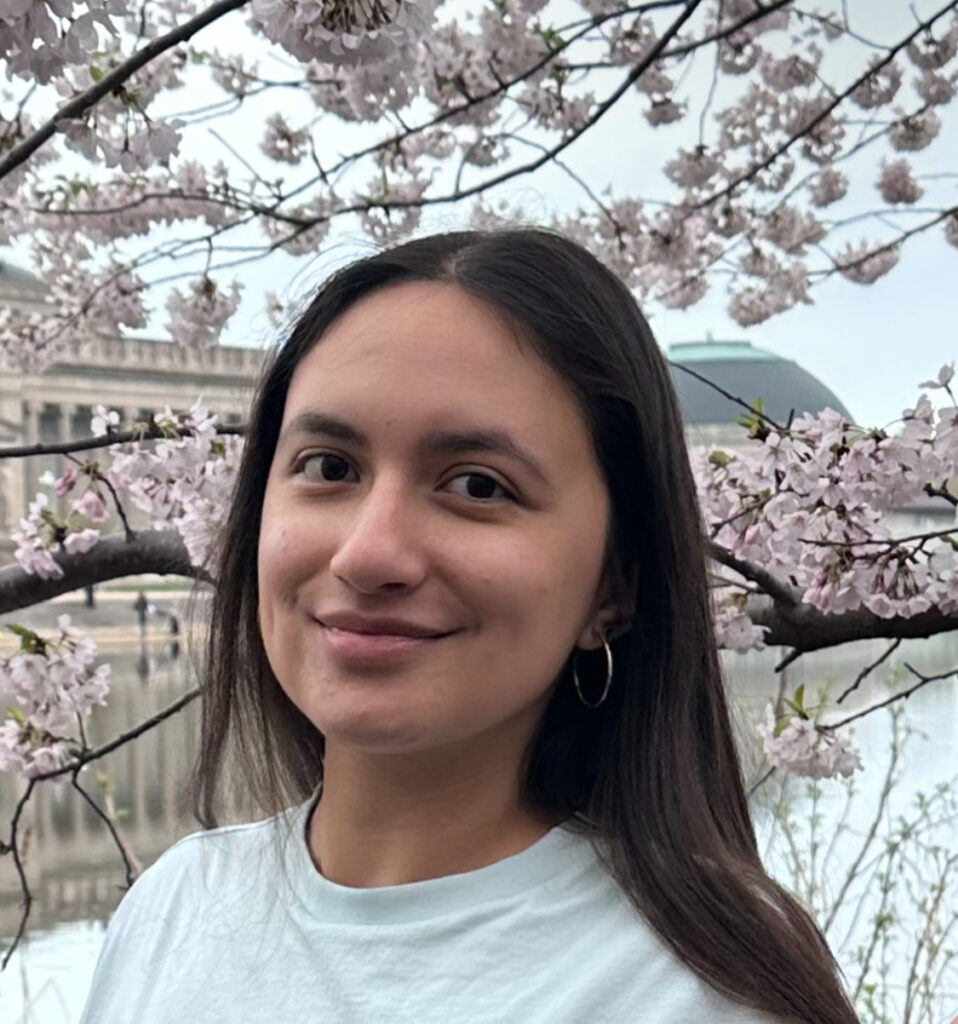
Kaylee Gonzalez (she/her) is a first year student in the Masters of Science in Environmental Science program at the University of Colorado Denver. Since it is the beginning of her graduate school journey, she has tentative plans for concentrating in Policy and Management, and completing a thesis focused on environmental justice. She deeply believes in the importance of scientific communication with the public, as the research scientists do ultimately helps people and this is important to recognize. Kaylee practices community engagement herself through her two jobs at CU Denver as a consultant at the writing center and a teacher’s assistant in the geography and environmental science department. She received her BA in Biological Sciences with a minor in Latina/o Studies from Northwestern University.

Sky Hooler is a PhD candidate in Climate Science at the University at Albany, SUNY. Her research integrates paleolimnology, geochemical analysis, and hydrologic modeling to investigate how human-driven stressors, such as climate warming, acid rain, logging, and pollution, have triggered ecological tipping points and recovery in Adirondack, NY lake ecosystems. Her dissertation reconstructs long-term lake records to analyze resilience and regime shifts in freshwater systems, focusing on both ecological and pollution-driven change. Skylar previously worked on an international collaboration reconstructing a 60,000-year paleoclimate record from India to study monsoon variability through lake sediments. She has also participated in national science-policy training through the American Meteorological Society in Washington, D.C. Dedicated to science communication and inclusion, Skylar has organized community climate events, mentored students, and served as a student ambassador
promoting accessibility in the geosciences. Her work bridges research, policy, and public engagement to advance sustainable water management and climate resilience.

Waverly Lau is an environmental science professional with experience in program coordination, community engagement, and science communication. Their recent work includes developing and
managing mentoring and career development programs serving a virtual community of earth and space scientists. Previously, they managed waste management programs and conducted tidal
marsh research in a collaborative effort with researchers and practitioners. Culminating her scientific work into a short film for non-scientific audiences. She is interested in supporting adapting communities through cross-disciplinary collaboration. With a strong passion in creating accessible and sustainable spaces involving the interconnectedness of people and the environment.
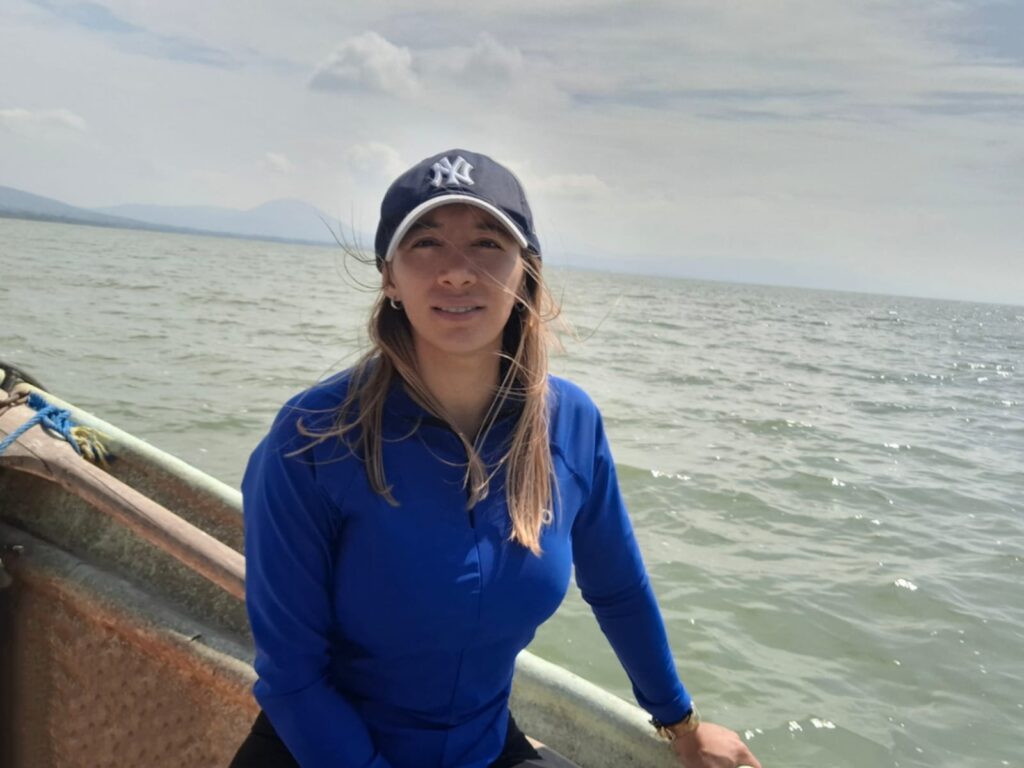
María del Refugio Barba López is a postdoctoral researcher at the University of Guadalajara, Mexico, focused on physical limnology and the interaction between aquatic systems and the atmosphere. She combines fieldwork, data analysis, and numerical modeling to understand environmental processes and promote sustainable ecosystem management. She has worked at the National Meteorological Service, on hydrometeorology consulting projects, and as an academic specialist. Passionate about physics and science communication, in her free time she enjoys exercising, playing soccer, reading, and spending time in nature with her family and friends. María is excited to join the incoming cohort of Community Science Fellows and to show how science can be a powerful tool for the sustainable development of communities!
María del Refugio Barba López es investigadora posdoctoral en la Universidad de Guadalajara, México, enfocada en la limnología física y la interacción entre sistemas acuáticos y la atmósfera. Combina campo, análisis de datos y modelado numérico para entender procesos ambientales y promover la gestión sostenible de los ecosistemas. Ha trabajado en el Servicio Meteorológico Nacional, en consultoría en hidrometeorología y como especialista académica. Apasionada por la física y la divulgación científica, en su tiempo libre disfruta hacer ejercicio, jugar soccer, leer y pasar tiempo en la naturaleza con su familia y amigos. ¡María está emocionada de unirse a la nueva cohorte de Community Science Fellows y de mostrar cómo la ciencia puede ser una herramienta clave para el desarrollo sostenible de las comunidades!
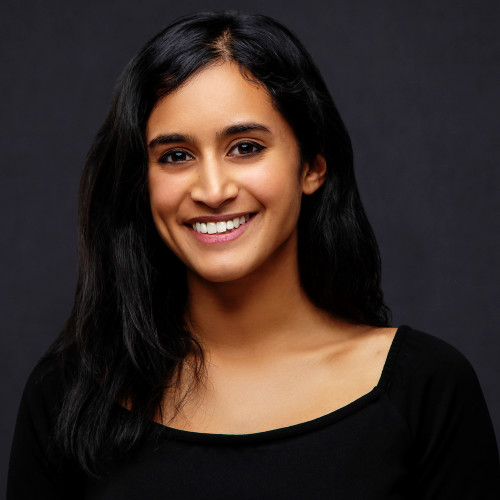
Malini Nambiar is a PhD candidate at Princeton University in Science, Technology, & Environmental Policy. Her research explores strategies for transitioning to net-zero emissions power systems using macro-energy systems models, particularly related to integrating grid-scale renewables and deploying associated transmission infrastructure. Malini contributes to developing open-source datasets and modeling tools for electricity systems research pertaining to India. She holds a master’s degree in public affairs from Princeton University and a B.S. in environmental engineering from Columbia University. In her free time, she enjoys sewing a sustainable wardrobe, reading fiction, and hiking. Malini is passionate about interdisciplinary research and translating science for policy impact.
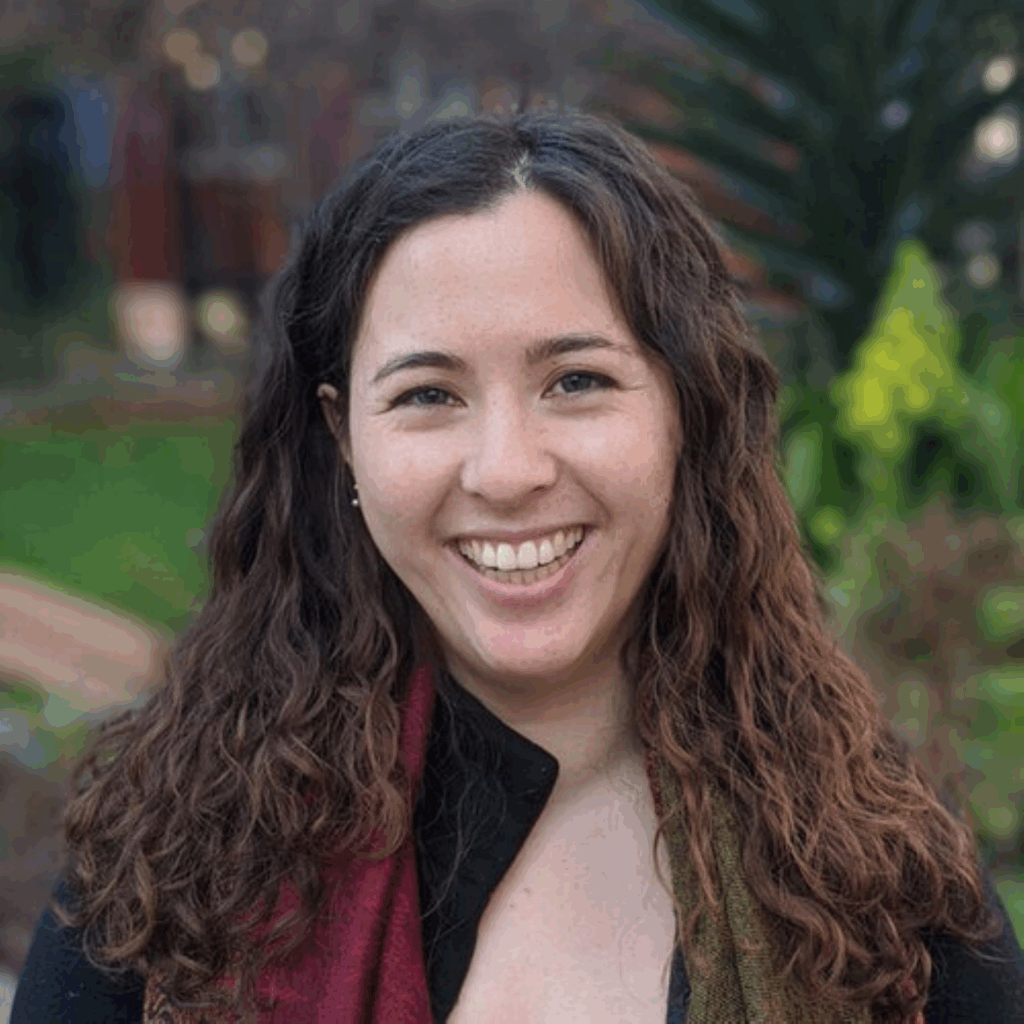
Lisa Nguyen is an Applied Physics PhD student at the University of Michigan, focusing on the impacts of global warming on drought and precipitation extremes, with a particular interest in how these changes affect crops and vulnerable communities. In addition to their research, Lisa is passionate about educational outreach, having taught students through Math Corps (a program started in Detroit’s Wayne State University) and mentored youth through the FATE Give Merit program.
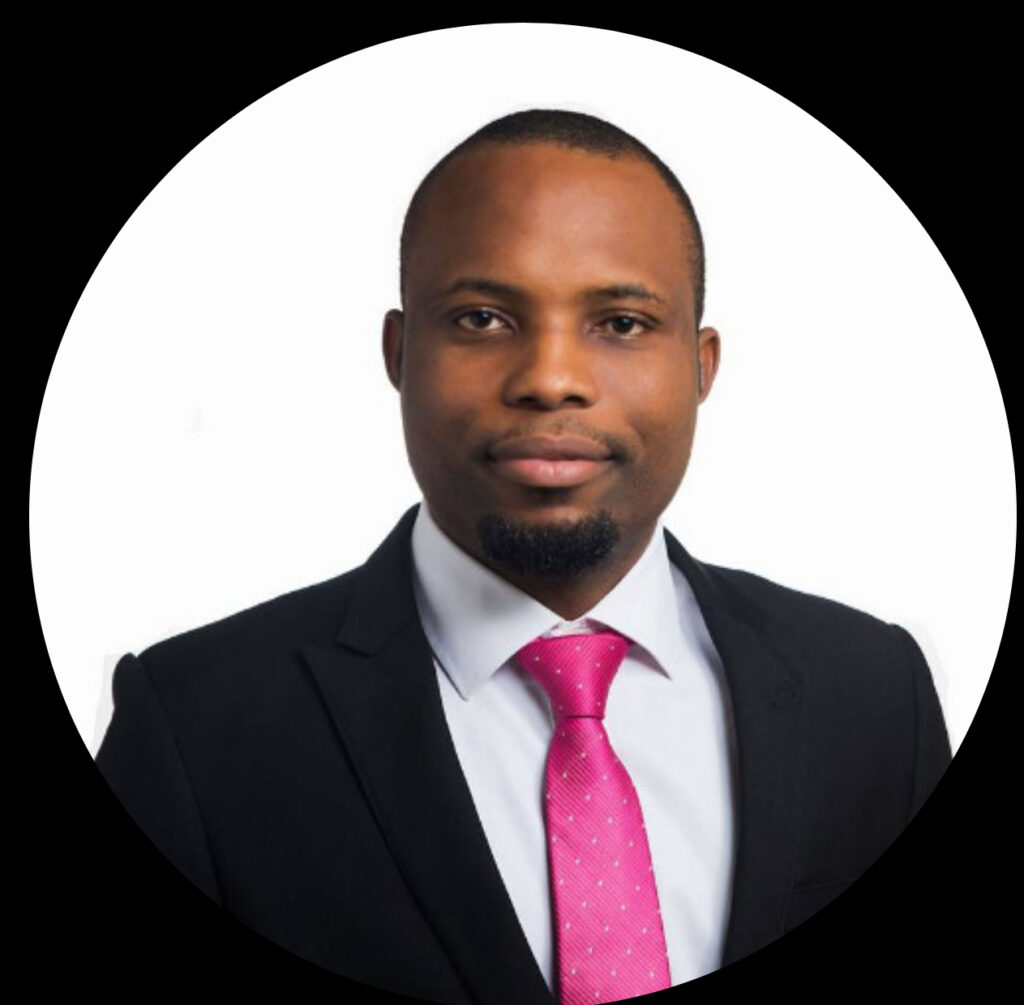
Bright Osuagwu is a registered environmental professional and geoscientist who is passionate about advancing energy/environmental sustainability, science communication, water security, infrastructure, and climate resilience. He currently supports geophysical and geotechnical engineering operations at ANS, Inc. as a Geophysicist in the United States. Prior to his current position, he has had 3 years of experience in the oil and gas industry. He has been giving consulting and teaching sessions on critical fields of the Earth sciences and educational technology (EDtech). He was the pedagogy and quality control team lead at TestMaster Inc. headquartered in TelAviv, Israel. He is zealous about community science and believes that as technical professionals our mode of writing can strongly communicate our science and engineering to policy makers and under-represented communities. Beyond his professional commitments, Bright is passionate about making things happen for people, assisting prospective students navigate their educational journey competently. Recently, he has also taken a liking to fishing after a fishing trip. Bright enjoys playing tennis, travelling, meeting people, and unraveling the living laboratories around us.
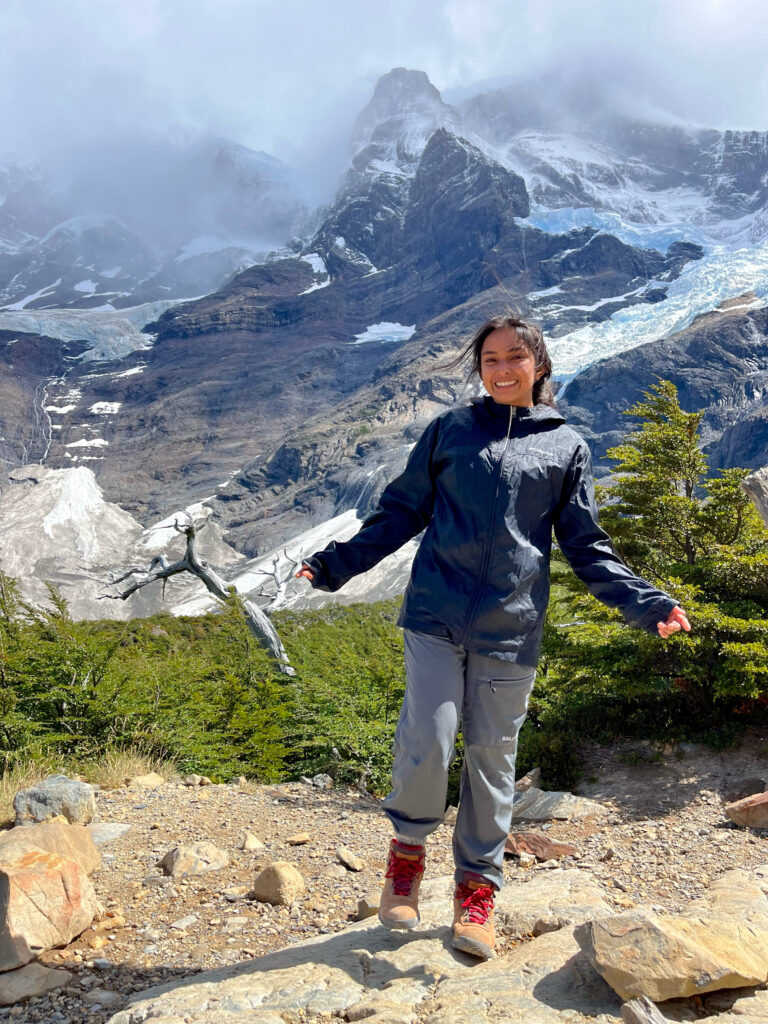
Mariah Ricci (she/her) is completing her PhD in Chemical Oceanography at the University of Georgia’s Skidaway Institute of Oceanography. Her research investigates how tiny ocean particles transport and transform nutrients such as iron and phosphorus—essential for productivity—as well as pollutants in underexplored ocean regions. She is currently serving as an analytical lead and data manager for multi-institutional collaborative campaigns, including the GEOTRACES GP17-OCE transect, where she sailed in the Pacific and Southern Oceans as a super-technician. She’s served as Outreach Chair for her department’s Graduate Student Association, where she collaborated on developing professional networking opportunities for marine science graduate students across Georgia universities, helped organize the flagship community event Skidaway Marine Science Day, and led coastal cleanups. As a Community Science Fellow, Mariah is eager to bridge her technical expertise with applied, community-driven work that supports environmental resilience, sustainability, and equity. Outside of science, she enjoys reading, painting, caring for houseplants, and outdoor activities such as hiking, snowboarding, and surfing.

Monica Zapata Villegas is a passionate environmental scientist and chemical engineer dedicated to advancing clean water access and climate resilience. She earned her M.S. in Environmental Science & Management from Portland State University, where her thesis focused on black carbon deposition and its radiative forcing effects on snowmelt. Currently serving as a fellow with Oregon Sea Grant at Tillamook Estuaries Partnership, she works on rural septic infrastructure projects through data-driven GIS mapping, community engagement, and policy advocacy. Monica brings experience in laboratory testing, environmental sampling, science communication, and applied research, always centering equity and environmental justice. She is also a member of AGU’s Voices for Science program and an OMSI Science Communication Fellow, where she shares her love for science in accessible, bilingual ways. Originally from Colombia, Monica is proud to use her interdisciplinary training to protect water resources and serve communities across the U.S.