Meet the October 2026 Cohort of Community Leaders!
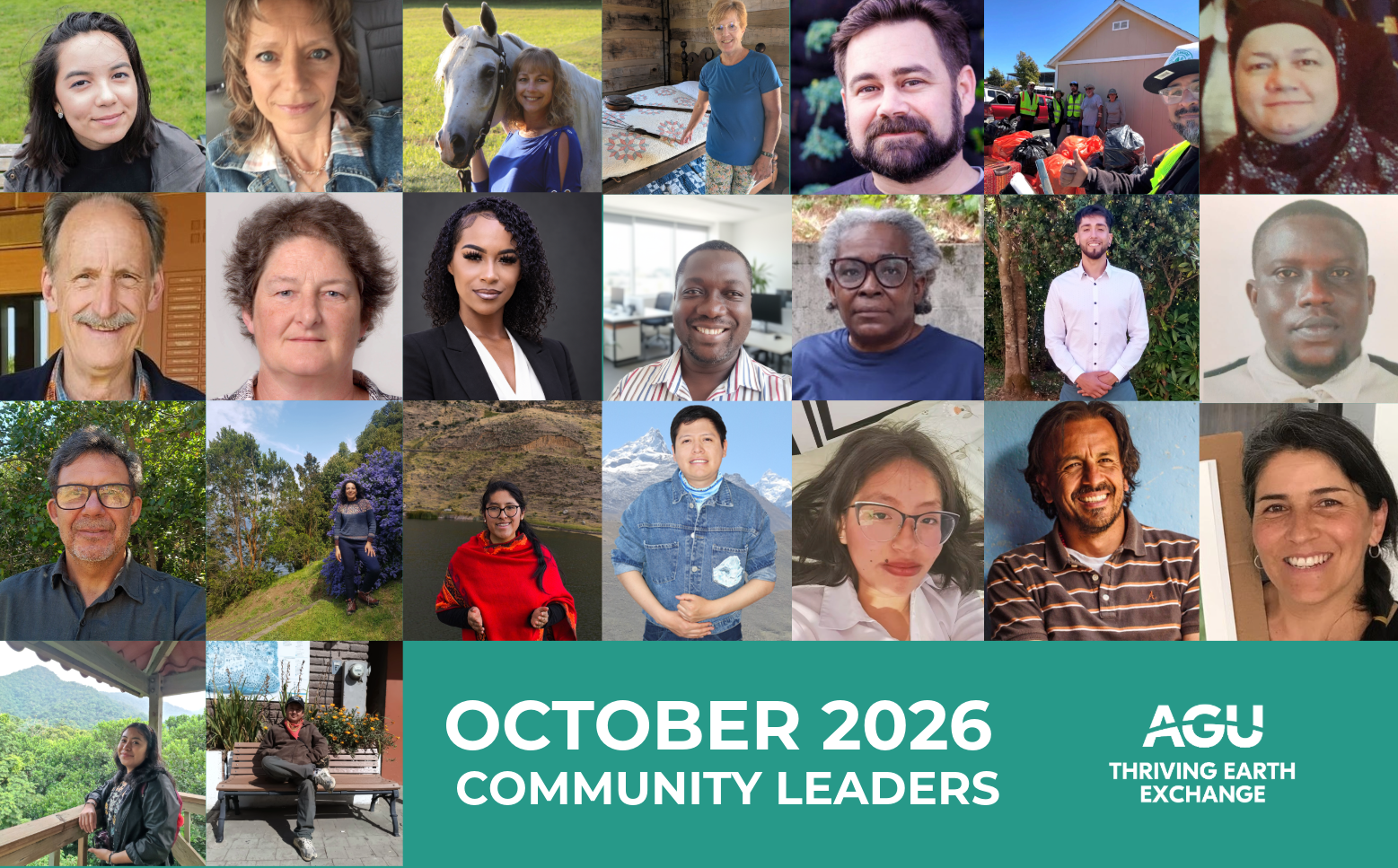
Thriving Earth Exchange is pleased to announce our October 2026 cohort of Community Leaders!
They will work with Community Science Fellows to launch 13 Community Science projects in the United States, Nigeria, Mexico, Peru, Colombia, and Chile. Stay tuned for more information about the inspiring communities involved and the transformative projects to come!
Beaver Dam, WI
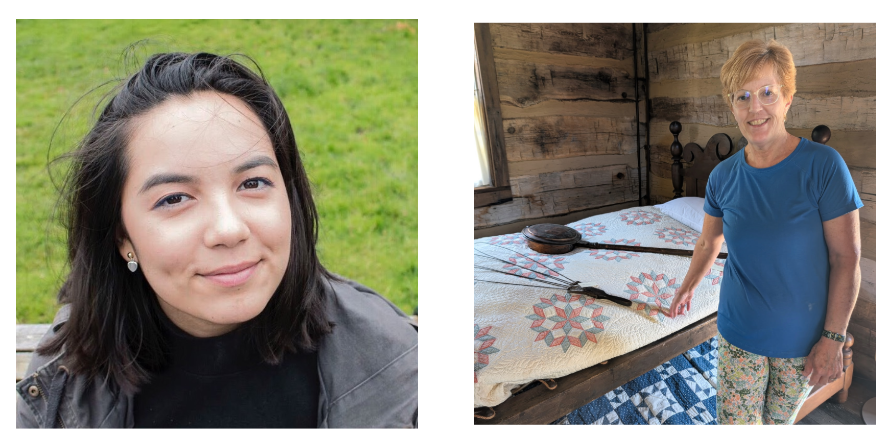
Community Leaders: Emily Luy Tan, and Ann Junkin
Biography:
Emily Luy Tan is an environmental epidemiology researcher who is passionate about planetary health. Her research applies GIS to questions around human exposures to industrial chemicals as well as anthropogenic environmental change. When construction began on a hyper-scale data center near her home, she became concerned about its potential impact on her community. Through her involvement with several local and state-wide advocacy organizations, she strives to protect rural communities’ public health as they navigate rapid infrastructure change.
Ann Junkin is a retired Social Worker (MSW) and former Case Manager. Her background includes working at the County level in CPS, public education support, and working for a non-profit supporting children with special needs. As a fluent Spanish-speaker, much of her work has involved supporting Spanish-speaking parents in navigating community systems. She now works as a part-time school bus driver and she enjoys opportunities for community engagement. She is a member of the local group, Beaver Dam Education on Data Centers. She plays cello in the Beaver Dam Area Orchestra, and also enjoys spending time with her horse and playing pickle ball. She lives with her husband, Dan, and her 6 furry children (2 dogs and 4 cats).
Cleveland, Ohio
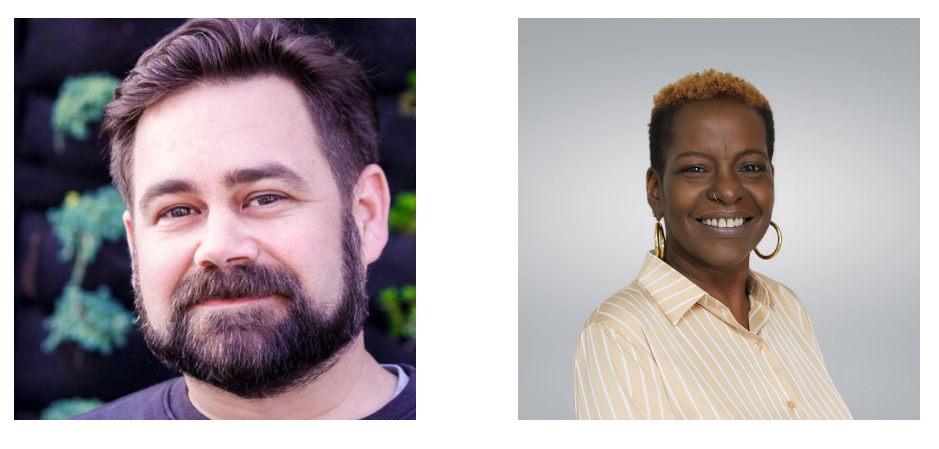
Community Leaders: Christopher Maurer and Robin Brown
Biography:
Christopher Maurer is a Cleveland-based architect, humanitarian designer, researcher, and founder and Principal Architect of redhouse studio architecture. His work advances environmental justice through low-impact material technologies, net-zero design, and mycotecture—the use of fungi to transform waste into sustainable building materials. His innovative work includes serving as a co-investigator on NASA’s Mycotecture Off Planet program and leading the design of MycoHab in Namibia, the world’s first structural mycelium composite building. Through AGU’s Thriving Earth Exchange, Christopher brings architectural innovation and fungi-based remediation expertise to a community-led effort to address soil lead contamination and build healthier, more sustainable neighborhoods.
Robin Brown is the Founder and CEO of Collective Citizens Organized Against Lead (CCOAL), a community translational science organization building the infrastructure to prevent lead exposure and address public health challenges. An Ohio Board of Nursing–certified community health worker with 27 years of community leadership, she brings lived experience, residents’ knowledge, scientific partnership, and systems thinking together to turn research into community action. Through AGU’s Thriving Earth Exchange, Robin serves as community lead for a project co-creating an approach for communities to test and remediate neighbors’ soil for lead contamination. Her work centers community leadership, environmental justice, family support, and lasting systems change.
San Pablo, CA
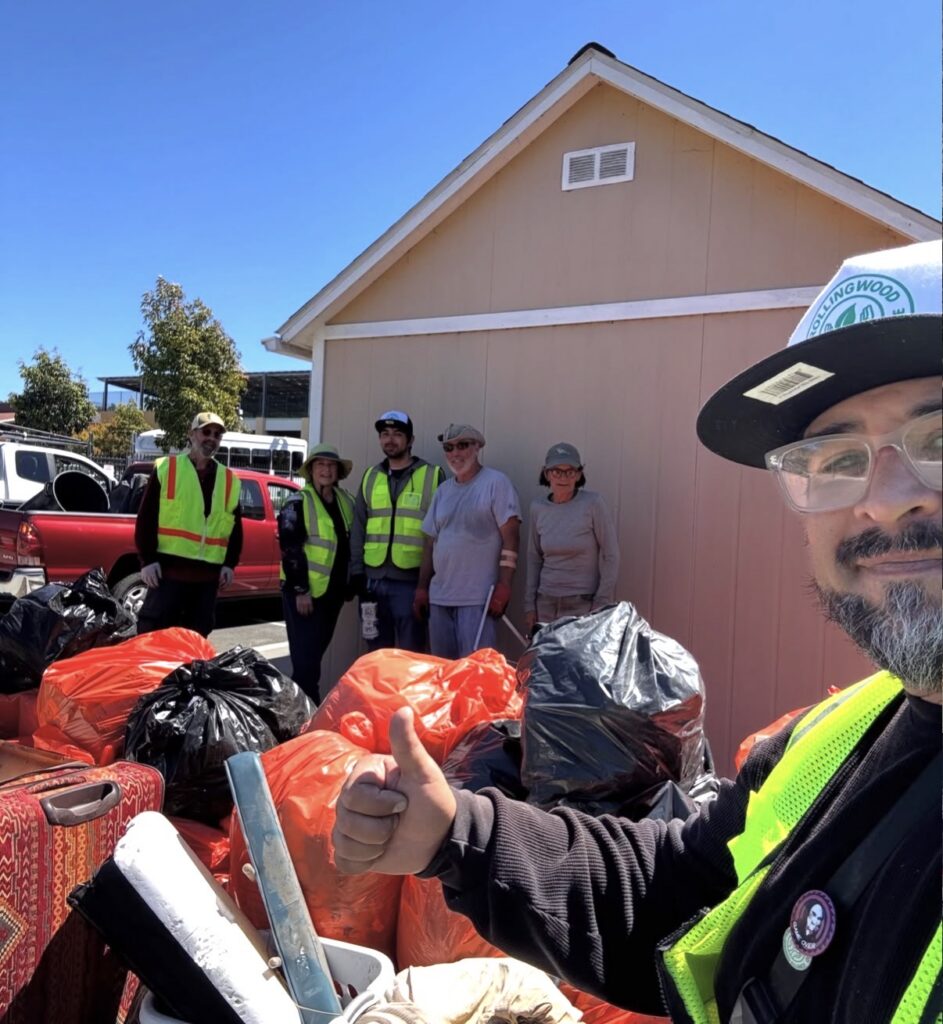
Community Leader: Salvador Valle
Salvador Valle has lived Rollingwood for more than 25 years. Salvador does what he does for the betterment of himself and his community. He wanted to be part of the RNA and started the Creek Keeper Project to be the change that everyone all wants to be. Cleaner and safer communities, communication and connection with fellow neighbors.
West Fulton, NY
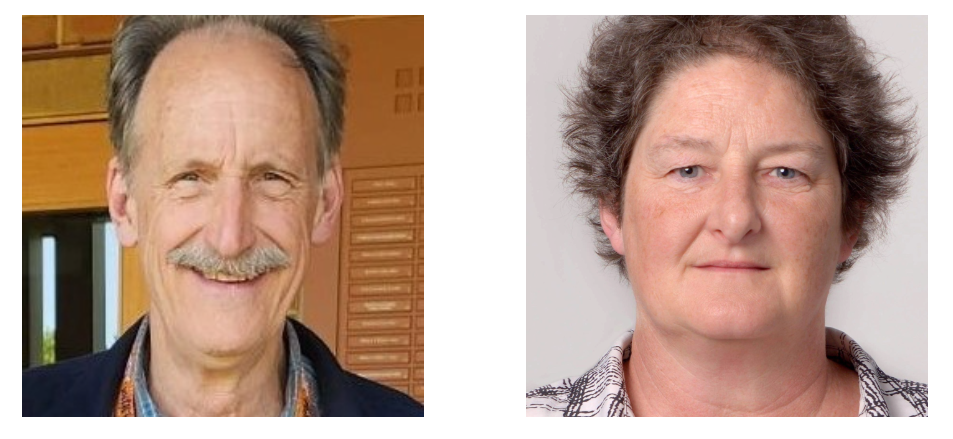
Community Leaders: David Cox and Janet Hawkes
David Cox brings extensive experience in agricultural education, sustainable farming, and community development. He spent 18 years with Cornell Cooperative Extension in New York, supporting agricultural producers through education in value-added production, direct marketing, and agritourism. His background also includes farm management, landscape design, and environmental initiatives. He currently chairs Schoharie Area Longterm Development (SALT), an organization focused on flood recovery and community resilience.
Janet Hawkes, PhD, brings decades of experience in land restoration, agroecology, regenerative agriculture, agroforestry, and environmental education. She previously directed an agricultural and environmental education institute at Cornell University and has held leadership and advisory roles with USAID, USDA, international environmental organizations, and initiatives focused on sustainable agriculture and conservation.
South Burlington, VT
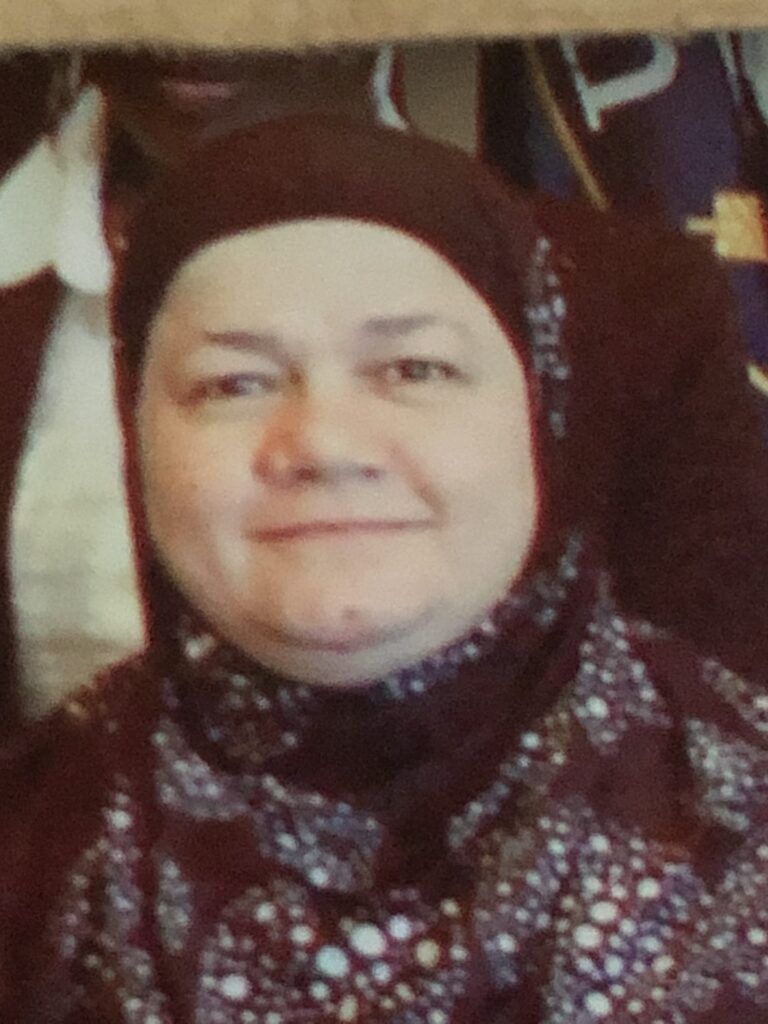
Mona Tolba, PhD, is originally from Egypt and holds doctoral degrees in Veterinary Medicine from Cairo University and Food Science from the University of Guelph in Canada. She currently works at the Vermont Department of Health and is passionate about community advocacy, connecting people with resources, and supporting community well-being. She is fluent in Arabic and English.
Birmingham, AL
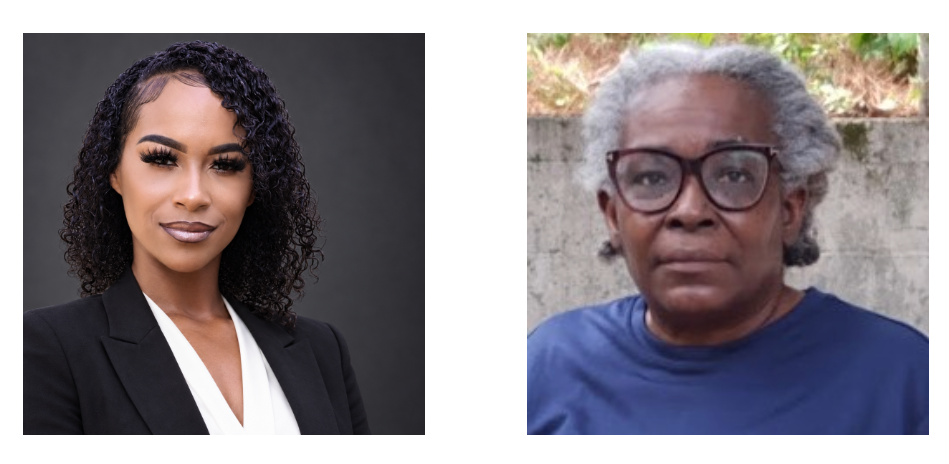
Community Leaders: Jonice Watts and Wilhelmina Thomas
Jonice Watts is a land steward, educator, and community advocate with experience in sustainable and regenerative agriculture, farmer outreach, and community engagement. A two-time graduate of Tuskegee University, she has worked alongside beginning and experienced Black farmers across the Southeast since 2017. Her work focuses on connecting communities with resources, ancestral knowledge, and opportunities that strengthen land stewardship, food sovereignty, and cultural preservation. Through Thriving Earth Exchange, she supports community-led solutions grounded in local knowledge and priorities.
Wilhelmina Thomas is a dedicated community leader and historical researcher deeply committed to preserving the rich, unwritten histories of Jefferson County through The Masonton Arkiva: Mapping Memory, Industry, and Resilience. As the co-lead of this initiative, she bridges archival research, ancestral recovery, and modern geospatial mapping to combat historical erasure and honor early Black labor, landownership, and kin networks. Her work transforms local heritage into an active, living tool for spatial justice, neighborhood preservation, and community empowerment.
Bariga, Lagos

Community Leaders: Dr. Allo Olawale Johnson and Oluwafemi Okunowo
Allo Olawale Johnson, PhD, is a lecturer and researcher in the Department of Geosciences at the University of Lagos, Nigeria, with over a decade of experience in teaching and research. His expertise includes applied geophysics, seismic methods, groundwater exploration, and environmental and engineering geophysics. He is passionate about geoscience education and applying scientific research to develop practical solutions for real-world environmental and geological challenges.
Okunowo Oluwafemi Olutayo is a PhD candidate in Geophysics at the University of Lagos, Nigeria, where his research focuses on lithium mineral exploration using integrated geophysical methods and machine learning. He holds degrees in Geology and Geophysics and has experience in mineral exploration, groundwater investigations, and environmental geophysics. His interests include applying emerging technologies to subsurface exploration, advancing geoscience research, and promoting science communication and practical solutions to environmental challenges.
María Pinto, Chile
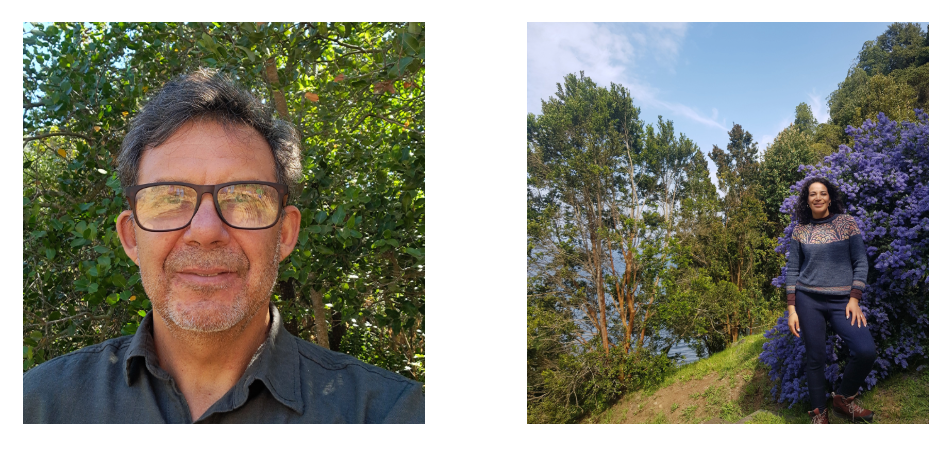
Community Leaders: Patricio Valencia Silva and Leslie Arce Pradenas
Patricio Valencia Silva is a Chilean educator with experience in environmental education, permaculture, and community engagement. He has lived in the rural community of María Pinto, Chile, for 20 years and studied History and Geography Education at the University of Santiago, Chile (USACH). He currently serves as President of the María Pinto Municipal Environmental Committee, where he promotes community participation, protection of the Puangue River watershed, and stronger connections between communities and their natural environment.
Patricio Valencia Silva es un educador chileno con experiencia en educación socioambiental, permacultura y trabajo comunitario. Reside desde hace 20 años en la comuna rural de María Pinto, Chile, y estudió Pedagogía en Historia y Geografía en la Universidad de Santiago de Chile (USACH). Actualmente, preside el Comité Ambiental Comunal de María Pinto, donde promueve la participación ciudadana, la protección de la cuenca del Puangue y la conexión de las comunidades con su entorno natural.
Leslie Arce Pradenas is a Chilean educator and community advocate with experience in environmental education, school gardens, and sustainable agriculture. A graduate of the University of Santiago, Chile, she has led environmental education initiatives for children and families. She is also a beekeeper and maintains a native forest of more than 600 trees on her property in María Pinto. As Secretary of the María Pinto Municipal Environmental Committee, she promotes biodiversity conservation, ecosystem restoration, and community participation in environmental stewardship.
Leslie Arce Pradenas es profesora de Castellano de la Universidad de Santiago de Chile, con experiencia en educación ambiental, huertos escolares y agricultura sustentable. Ha impulsado iniciativas de educación ambiental dirigidas a niños, niñas y familias. También es apicultora y se dedica al cuidado y restauración de un bosque nativo de más de 600 árboles en su terreno en María Pinto. Actualmente, es secretaria del Comité Ambiental Comunal de María Pinto, donde promueve la conservación de la biodiversidad, la restauración de los ecosistemas y la participación comunitaria en el cuidado del medioambiente.
Collón, Peru
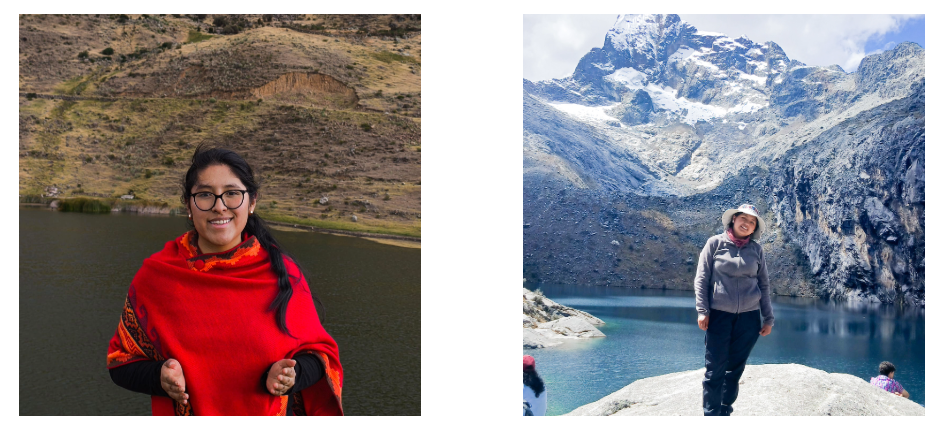
Community Leaders: Lizet Maylí Mejía Penadillo and Noemi Cristina Guerrero Huaney
Lizet Mejía is an environmental engineer, climate activist, and ecosystem restoration specialist from Áncash, Peru, with over eight years of experience in community-led conservation. A graduate of the National University Santiago Antúnez de Mayolo (UNASAM), her work focuses on restoring high-Andean ecosystems, environmental education, citizen science, and engaging women and youth in conservation. She integrates local and ancestral knowledge into restoration initiatives, particularly in Polylepis forests and high-Andean wetlands. She has been recognized as a FAO Young Forest Champion and a Global Landscapes Forum (GLF) Restoration Steward.
Lizet Mejía es ingeniera ambiental de la Universidad Nacional Santiago Antúnez de Mayolo (UNASAM), activista climática y especialista en restauración de ecosistemas de Áncash, Perú, con más de ocho años de experiencia en conservación comunitaria. Su trabajo se centra en la restauración de ecosistemas altoandinos, la educación ambiental, la ciencia ciudadana y la participación de mujeres y jóvenes en la conservación. Integra los conocimientos locales y ancestrales en iniciativas de restauración, especialmente en bosques de Polylepis y humedales altoandinos. Ha sido reconocida como Joven Campeona de los Bosques por la FAO y como Restoration Steward del Global Landscapes Forum (GLF).
Noemí Guerrero Huaney is from Áncash, Peru, and is passionate about conserving high-Andean ecosystems, protecting water resources, and addressing climate change through community-led approaches. She is particularly interested in connecting scientific knowledge with local knowledge and community experiences to support environmental conservation.
Noemí Guerrero Huaney es de Áncash, Perú, y tiene un gran interés en la conservación de los ecosistemas altoandinos, la protección de los recursos hídricos y las soluciones comunitarias frente al cambio climático. Busca conectar el conocimiento científico con los saberes y experiencias de las comunidades locales para contribuir a la conservación ambiental.
Áncash, Peru
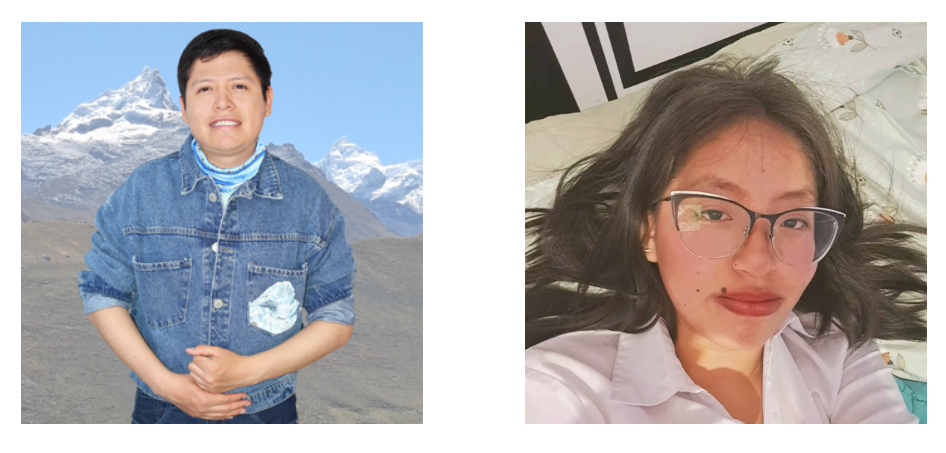
Community Leaders: Junior Adrián Figueroa Miranda and Evelis Milena Cruz Sanchez
Junior Figueroa Miranda is an environmental engineer from the Universidad Nacional Santiago Antúnez de Mayolo (UNASAM) in Áncash, Peru, and an early-career researcher focused on tropical glaciers, mountain ecosystems, and climate change.
Junior Figueroa Miranda es ingeniero ambiental de la Universidad Nacional Santiago Antúnez de Mayolo (UNASAM), en Áncash, Perú, e investigador en etapa inicial de su carrera, enfocado en el estudio de los glaciares tropicales, los ecosistemas de montaña y el cambio climático.
Evelis Milena Cruz Sanchez is an Environmental Engineering student from Áncash, Peru, she is passionate about climate action, environmental education, and community engagement. Through her experience in volunteering, research, and leadership, she has developed skills in communication, teamwork, and project management. She is particularly interested in connecting science with local communities, developing sustainable solutions, and empowering young people to address environmental challenges.
Evelis Milena Cruz Sanchez es estudiante de Ingeniería Ambiental de Áncash, Perú, con un gran interés en la acción climática, la educación ambiental y la participación comunitaria. A través de experiencias de voluntariado, investigación y liderazgo, ha desarrollado habilidades en comunicación, trabajo en equipo y gestión de proyectos. Le interesa conectar la ciencia con las comunidades locales, impulsar soluciones sostenibles y fomentar la participación de jóvenes frente a los desafíos ambientales.
Tota, Boyacá, Colombia
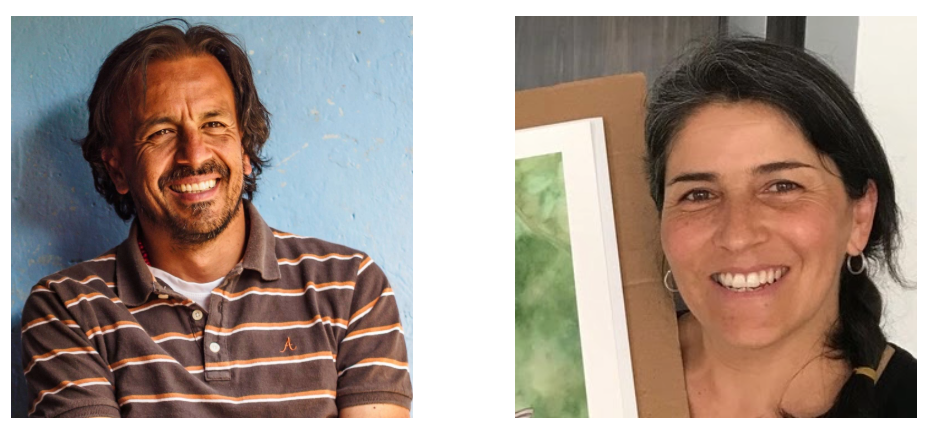
Community Leaders: Felipe Velasco and Juanita Arango
Felipe Velasco is a civil engineer and director of Fundación Montecito, which he co-founded in 2010. He introduces himself as an “apprentice of a good citizen”. His work focuses especially on the conservation of Lake Tota, promoting environmental governance, sustainability recognitions, and championing the lake’s designation as a Ramsar site. Blog: https://felipe.fundacionmontecito.org
Felipe Velasco es ingeniero civil y director de la Fundación Montecito, la cual cofundó en 2010. Se presenta como aprendiz de buen ciudadano. Su labor se enfoca especialmente en la conservación del Lago de Tota, impulsa la gobernanza ambiental, reconocimientos de sostenibilidad y la postulación del lago como sitio Ramsar. Blog: https://felipe.fundacionmontecito.org
Juanita Arango is a graduate in Art Restoration and deputy director of Fundación Montecito, which she co-founded in 2010. She integrates art and environmental education through bird illustration and creative tools from the Xieti Studio located in the Xieti Nature Reserve, first designated OECM area next to Lake Tota. Portfolio: https://juanita.abctota.org/
Juanita Arango es graduada en Restauración de Arte y subdirectora de la Fundación Montecito, la cual cofundó en 2010. Integra arte y educación ambiental mediante la ilustración de aves y herramientas creativas desde el Taller Xieti ubicado en la Reserva Natural Xieti, primera área designada OMEC junto al Lago de Tota. Portafolio: https://juanita.abctota.org/
Mashue, Chile
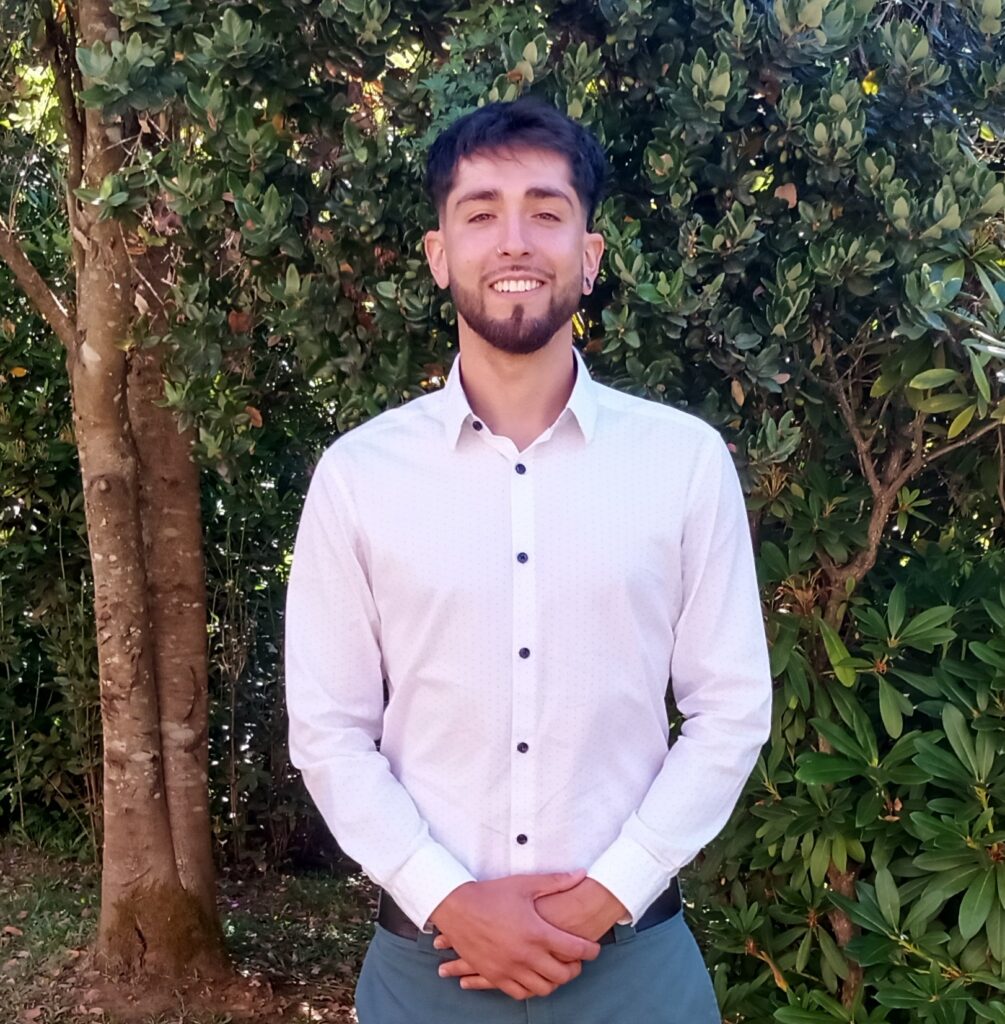
Community Leaders: Nicolás Gálvez Soto and José Luis Buitano
Nicolás Gálvez Soto is a Natural Resources Conservation Engineer, he specializes in socio-ecological restoration and community-based monitoring. His work focuses on integrating scientific knowledge with local expertise to strengthen ecosystem conservation and community-led land management. In Mashue, Chile, he has supported restoration and monitoring initiatives, developing tools that help communities track environmental changes and make informed decisions about their territories.
Nicolás Gálvez Soto es ingeniero en Conservación de Recursos Naturales, especializado en restauración socioecológica y monitoreo comunitario. Su trabajo se centra en integrar el conocimiento científico con los saberes locales para fortalecer la conservación de los ecosistemas y la gestión comunitaria del territorio. En Mashue, Chile, ha apoyado iniciativas de restauración y monitoreo, desarrollando herramientas que permiten a las comunidades identificar cambios ambientales y tomar decisiones informadas sobre sus territorios.
José Luis Buitano leads the Degraded Private Micro-Watershed Restoration Program at the Mashue Rural Drinking Water Committee (CAPR Mashue) in Chile. He currently oversees an initiative to restore 370 hectares of degraded forest to help address seasonal water scarcity in the community. His work focuses on forest ecosystem restoration, watershed protection, biodiversity conservation, and restoring essential ecological functions that support local communities.
José Luis Buitano está a cargo del Programa de Recuperación de Microcuencas Privadas Degradadas del Comité de Agua Potable Rural de Mashue (CAPR Mashue), en Chile. Actualmente, lidera una iniciativa para restaurar 370 hectáreas de bosque degradado y contribuir a enfrentar la escasez de agua durante el verano. Su trabajo se centra en la restauración de ecosistemas forestales, la protección de las cuencas hidrográficas, la conservación de la biodiversidad y la recuperación de funciones ecológicas esenciales para la comunidad.
Oaxaca, Mexico
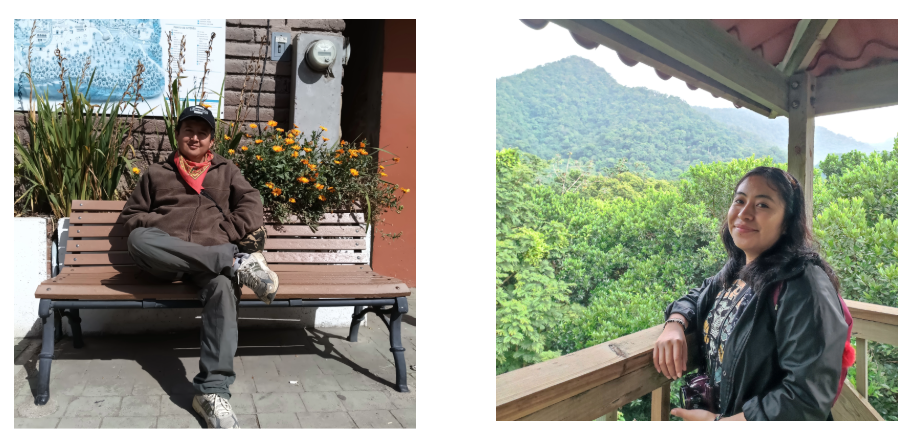
Community Leaders: Santiago E. Ramirez Salinas and Magaly Anastacio Hernández
Santiago E. Ramirez Salinas is an environmental scientist from San Miguel Suchixtepec, Oaxaca, with a strong interest in biodiversity conservation and community engagement. Together with his family, partner, and other community members, he conducts birdwatching activities and documents local flora and fauna, recording more than 75 bird species and over 200 plant records. As the leader of this project, he seeks to create opportunities for conservation and local development through birdwatching tourism.
Santiago E. Ramirez Salinas es ambientólogo originario de San Miguel Suchixtepec, Oaxaca, con un especial interés en la conservación de la biodiversidad y el trabajo comunitario. Junto con su familia, pareja y miembros de la comunidad, realiza actividades de observación de aves y registro de la flora y fauna local, documentando más de 75 especies de aves y más de 200 registros de flora. Como líder de este proyecto, busca generar oportunidades para la conservación y el desarrollo local a través del turismo de observación de aves.
Magaly Anastacio Hernández is a biologist from San Juan de los Cúes, Oaxaca, Mexico, currently pursuing a Master of Science degree specializing in Wildlife Management. Her experience includes wildlife conservation, ecosystem monitoring, and environmental education for children and adults. She has worked with community organizations and academic institutions on conservation initiatives and has training in bird monitoring, wildlife identification, and field research techniques. She is passionate about protecting biodiversity and promoting healthier ecosystems for local communities.
Magaly Anastacio Hernández es bióloga originaria de San Juan de los Cúes, Oaxaca, México, y actualmente cursa una maestría en Ciencias con especialidad en Manejo de Vida Silvestre. Cuenta con experiencia en conservación de fauna silvestre, monitoreo de ecosistemas y educación ambiental dirigida a niños y adultos. Ha colaborado con organizaciones de la sociedad civil e instituciones académicas en iniciativas de conservación y tiene formación en monitoreo de aves, identificación de fauna silvestre y técnicas de investigación de campo. Le apasiona proteger la biodiversidad y contribuir a la conservación de los ecosistemas para el bienestar de las comunidades locales.