Meet the October 2026 Cohort of Community Science Fellows!
Thriving Earth Exchange is pleased to announce our October 2026 cohort of Community Science Fellows!
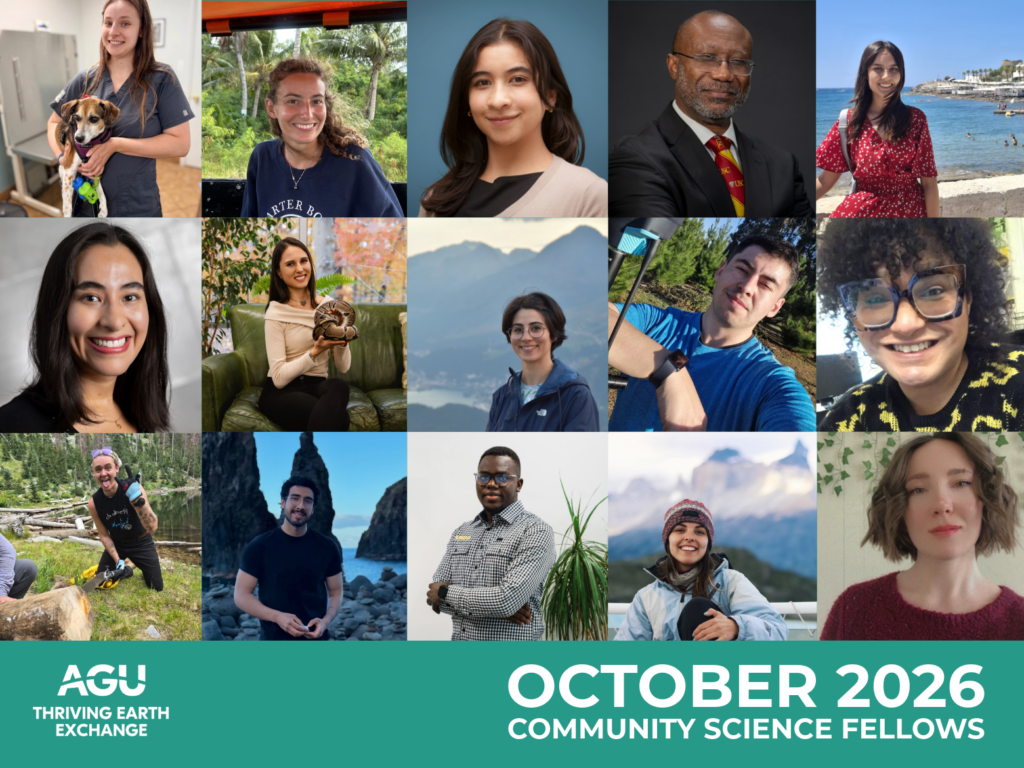
They’ll be working with communities across the United States, Mexico and South America to launch impactful community science projects. The partnership will connect communities with scientists and technical experts and support them as they work together to tackle local challenges related to natural hazards, natural resources and climate change. Stay tuned for more information about the impactful projects to come from this launch and the communities who lead and inspire them!
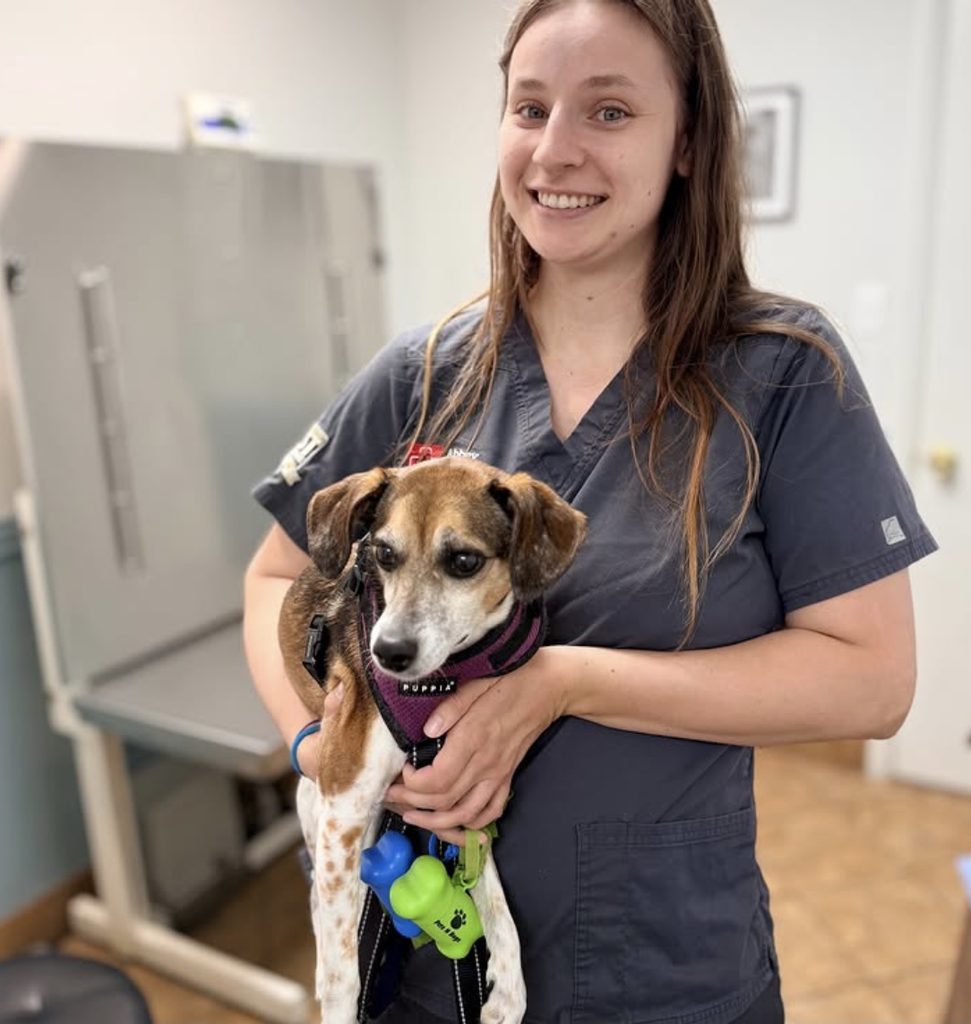
Kerry Burns was in her senior year of high school and reading the book “Your Inner Fish” (the story of Tiktaalik, the fossil of the organism representing the geologic instant where aquatic animal life ventured onto land) which cemented her desire to pursue research. She is interested in ecological theory and also especially motivated to discover solutions to the problems caused by the rapid modification of Earth systems on which humans and our cohabitants rely, such as biogeochemical cycles, climate, and the composition of the atmosphere, ocean, and soils. Kerry’s goal is to improve our understanding of ecosystems, contribute to environmental stewardship and conservation efforts, support community education including community science and outreach, and improve understanding of humanity’s place and value in Nature.
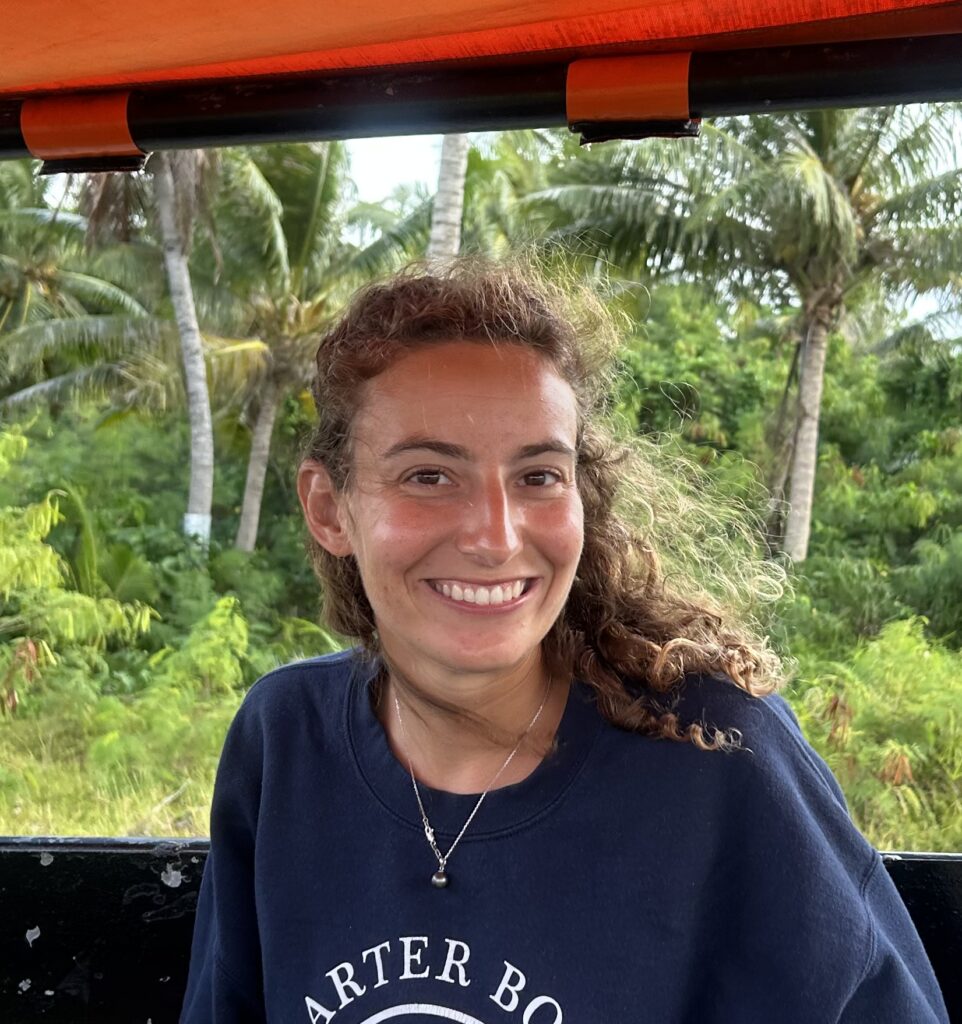
Emilia Dell’Antonio was raised near the coast in Rhode Island, and she has always felt drawn to the outdoors (especially to salt water). Naturally, this passion developed into a career in marine sciences, which has led Emilia through positions in sailing education, coral reef restoration, and marine ecology research. Emilia holds a Master of Science in Biology and her graduate work has focused on the impacts of environmental disturbances on invertebrate diversity in tropical coral reefs around the world. As scientific rigor and community engagement have molded her experiences, Emilia firmly believes that environmental challenges are best addressed when communities and scientists come together to share knowledge, collaborate, and co-design solutions. She is excited to support community-driven projects that balance local priorities, science-backed decisions, and socio-ecological health as a Community Science Fellow.
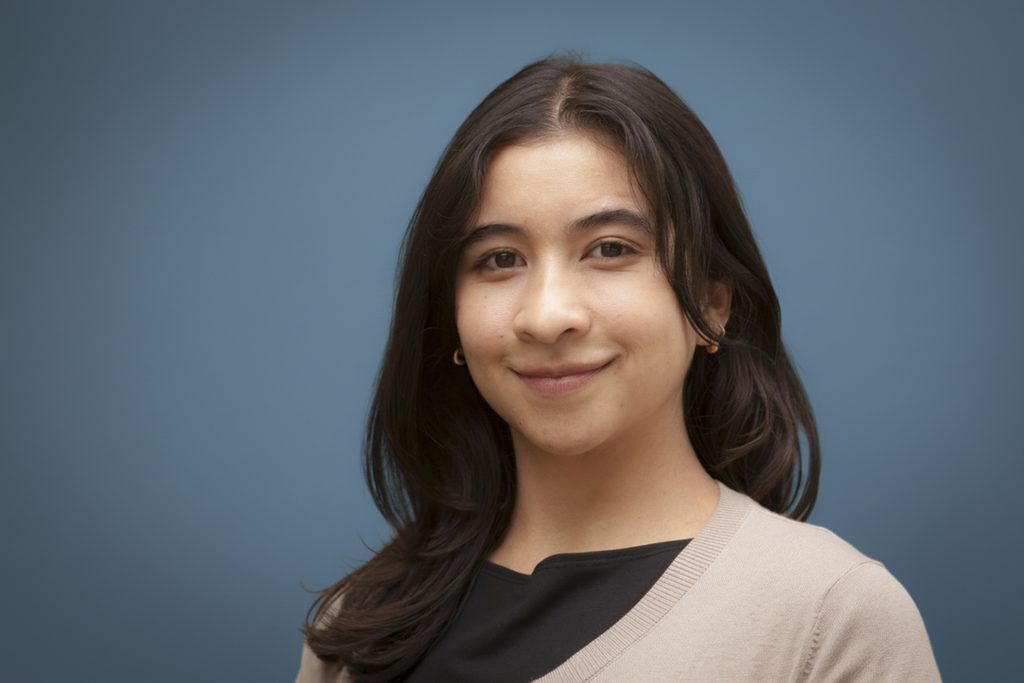
Ann Gobei-Bacaylan is a graduate student at the University of California, Santa Cruz’s Coastal Science and Policy program where she is addressing the environmental and social impacts of the 2025 Moss Landing battery storage facility fire. Prior to her graduate work, she was a biologist for the U.S.
Department of Agriculture’s Biotechnology Regulatory Program where she worked with a diverse group of stakeholders and tracked agricultural biotechnology trials across the nation. Ann’s background is in ecology and marine sciences. She earned a degree in Ecology and Evolutionary Biology from U.C. Santa Cruz and performed field research and data collection/analysis in various marine labs throughout the Monterey Bay area (including the
Monterey Bay Aquarium and Stanford University). She attributes her career in ecology and coastal sciences to her participation in a community science project during her undergraduate studies. She is passionate about improving knowledge flows and increasing accessibility to science through community-lead efforts.
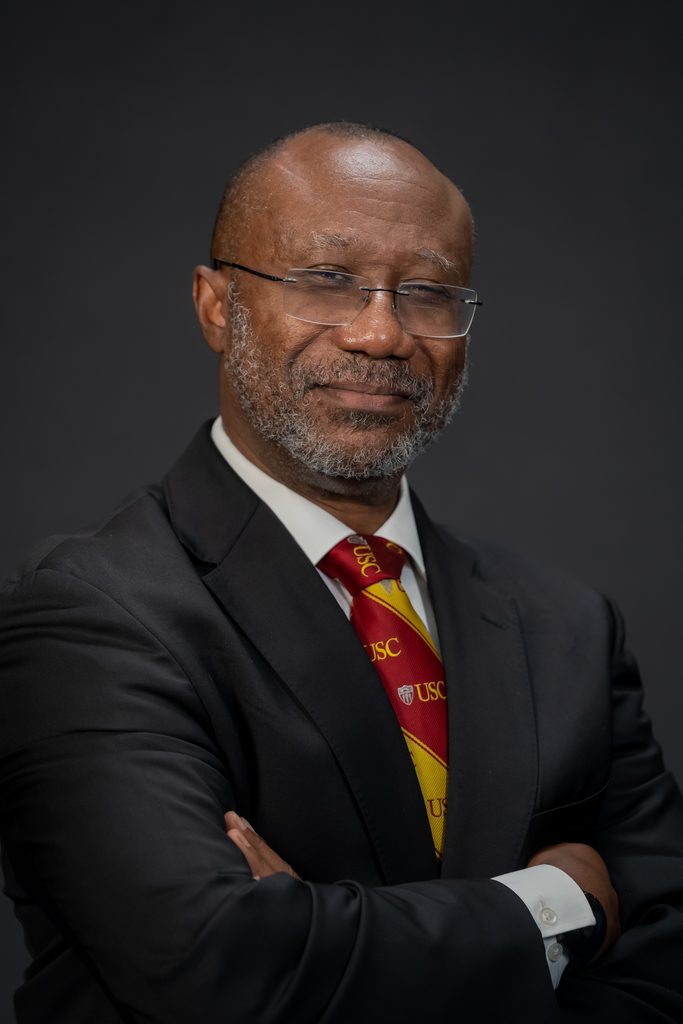
Dr. Darin Gray has earned a Bachelor’s degree in Biomedical and Electrical Engineering from USC Viterbi School of Engineering, a Bachelor’s degree in Mathematics from USC Dornsife College of Letters, Arts and Sciences, a Master’s degree in teaching with an emphasis in mathematics from USC Rossier School of Education, a Master’s degree in Cybersecurity from Cal State San Marcos and a Doctorate in Education Technology from Boise State University. He also holds California teaching credentials in math and science.
Dr. Gray is the Director of the USC Viterbi K-12 STEM Center where he oversees Center logistics and operations, and STEM outreach to K-12 students. He teaches an introduction to engineering course and a cybersecurity seminar at USC. In addition, Dr. Gray is a SciStater Citizen Science Ambassador who provides volunteers with the tools essential for cultivating and supporting citizen science initiatives within their communities. Dr. Gray serves on several advisory councils and boards of directors.
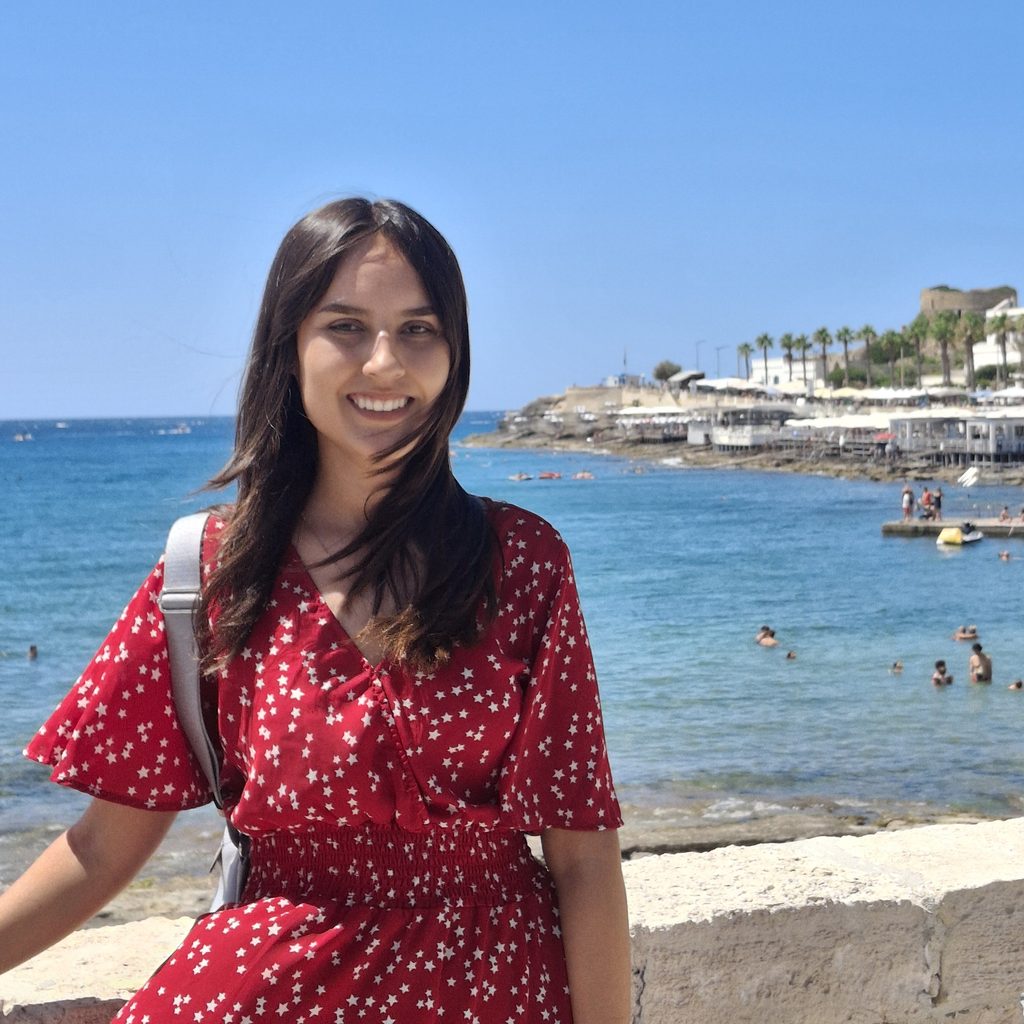
María Fernanda Pérez Hernandez has a Major in Physics from the University of Guadalajara, where she is currently studying a MSc in Hydrometeorology. Driven by a strong interest in ocean dynamics and physical processes, her current Master’s research focuses on modeling the dynamics of Barra de Navidad, a coastal lagoon located in Jalisco, Mexico, to understand its seasonal changes and their impact on the region.
Her work combines fieldwork, data analysis and numerical modeling to address environmental challenges. Throughout her academic journey, she has worked on environmental monitoring and transport processes in water bodies such as Lake Chapala. She has also expanded her specialized training through international research stays, including at the Euro-Mediterranean Center on Climate Change (CMCC), focusing on advanced numerical models for coastal applications. Beyond her research, María is deeply enthusiastic about science communication and leading interactive workshops for children. In her free time, she also enjoys cycling and dancing Latin rhythms.
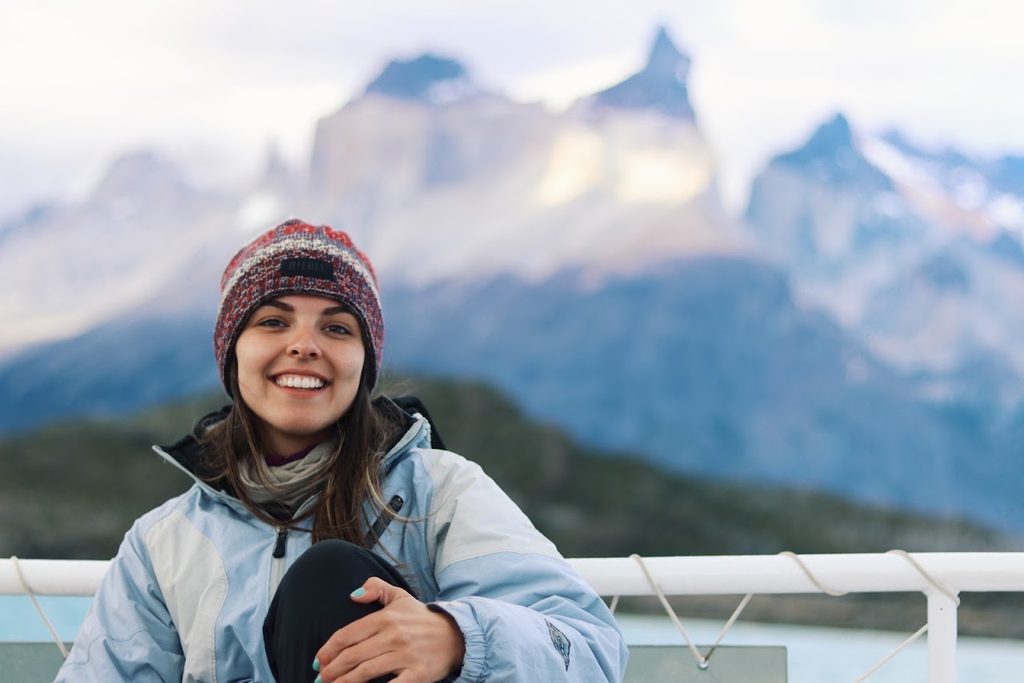
Nicole Hucke (she/her) is a PhD graduate and postdoctoral fellow at the University of Idaho in Boise. She holds a BS in Civil Engineering from Universidad de la Frontera in Temuco, Chile. Her research explores when and how sediment moves through rivers under changing flow conditions, with a current focus on suspended sediment dynamics in watersheds affected by wildfire and debris flows in Idaho. Nicole is passionate about making science approachable and meaningful to diverse communities. She enjoys sharing the importance of river systems, water quality and sediment transport through community outreach, as well as mentoring early-career scientists in Python coding and science communication. She is excited to bring her experience to Thriving Earth Exchange, learn from communities, and contribute to their efforts.
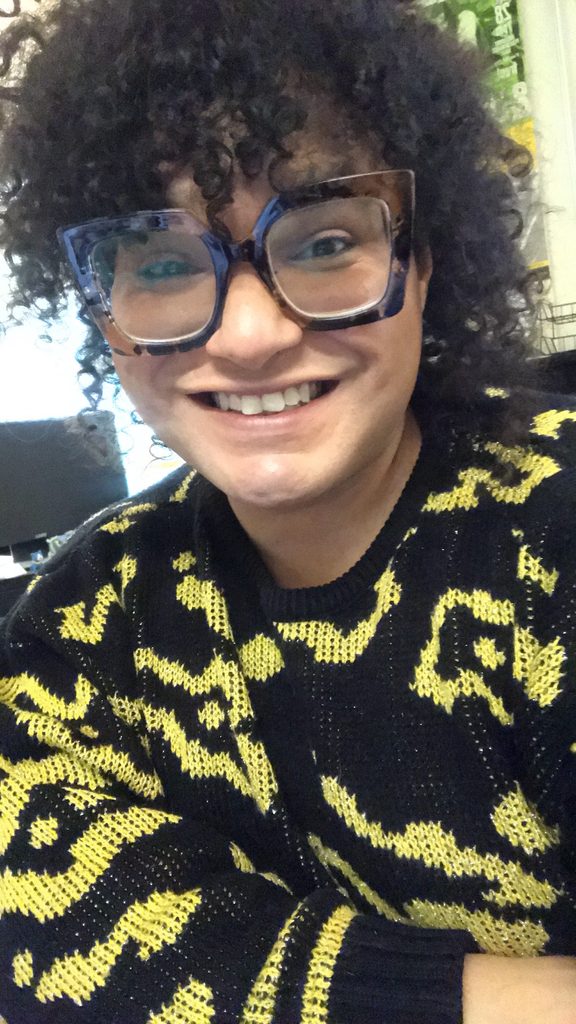
Alayna Sofia Jasso is a graduate student and emerging environmental health professional based in Seattle, Washington. Alayna holds as Master of Library and Information Science from the Catholic University of America and is in the final year of an Executive Master of Public Health at Yale University’s School of Public Health. Her work focuses are the connections between environmental health, human wellbeing, and wildlife health. Through academic knowledge gathering, GIS projects and community-centered work, she is exploring how interdisciplinary knowledge can support healthier ecosystems and communities. Alayna was drawn to the AGU’s Thriving Earth Exchange Community Science Fellowship for the opportunity to contribute to community-led initiative, build collaborative relationships, and support evidence-based decisions that are grounded in local priorities and knowledge.
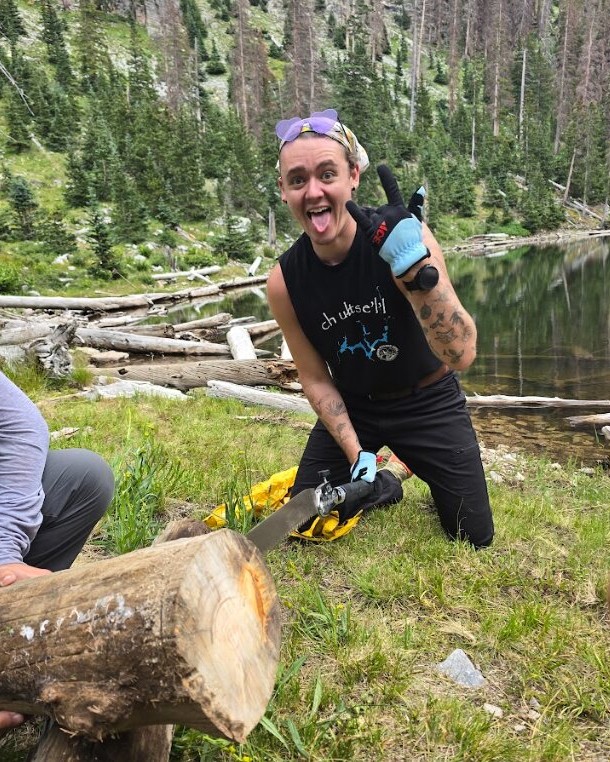
Nick Koenig is currently a Post-Doc at the University of Cincinnati, the organizer and facilitator of the Place Based Justice (PB&J) Lab in the School of Environment and Sustainability, and affiliate faculty in the Women’s, Gender, and Sexuality Studies Department. Nick’s research and teaching uses mixed methods and creative-based approaches to investigate geographic questions around environmental justice, abolition, and the climate crisis.
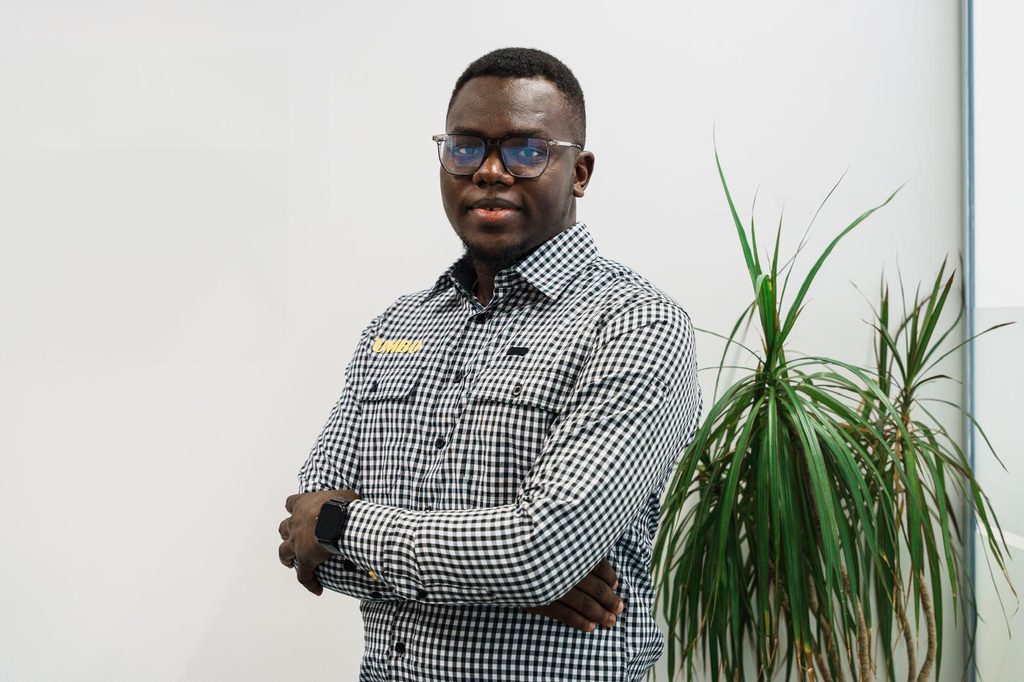
Manuwa John (he/him) is a Community and Environment Fellow at the Smithsonian Environmental Research Center, where he researches sustainable water management and water governance in the Lake Chad Basin. He is originally from Borno, Nigeria. His research focuses on how communities respond to water scarcity and environmental change, and how their knowledge can inform water management decisions. He is particularly interested in making community participation more meaningful and connecting local priorities with scientific research and environmental policy. Manuwa is also co-director of Climeactions Limited, a climate technology startup registered in Nigeria, and an independent sustainability consultant supporting corporate
strategy and governance. His background in law, sustainability, and digital innovation brings an interdisciplinary perspective to his work. He aims to make research useful to communities and support more equitable environmental decision-making.
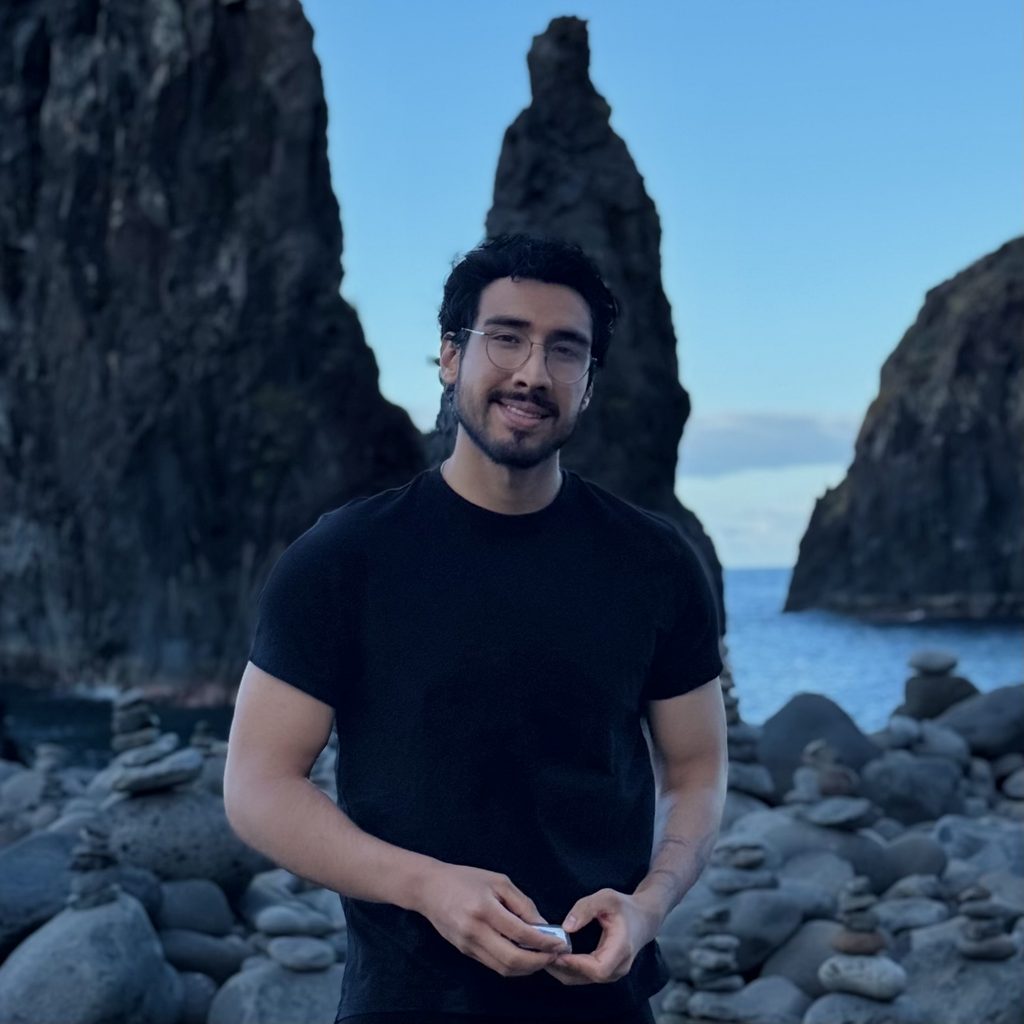
Marcos Morán is an environmental engineer and atmospheric scientist with experience in Peru, Portugal and Germany. Early in his career in Peru, he mapped El Niño Costero damage and helped create an early warning system in Trujillo with GIZ, and led environmental awareness campaigns for the Ministry of the Environment. At Knight Piésold, he spent four years as a project coordinator developing Environmental Impact Assessments for large mining and infrastructure projects in Peru, Argentina, Bolivia and the Dominican Republic, working closely with clients, authorities and communities. He then joined the Centre for Environmental and Marine Studies (CESAM) in Portugal, where he modelled the air quality impacts of agricultural burning and extreme temperatures. He is currently a doctoral researcher and Marie Skłodowska-Curie fellow in the Atmospheric Aerosol group at TU Darmstadt’s Institute of Applied Geosciences, within the Dust Doctoral Network. His research combines electron microscopy and atmospheric modelling to study mineral dust deposition from Mediterranean and West African dust events, in collaboration with the Barcelona Supercomputing Center and the Cyprus Institute.
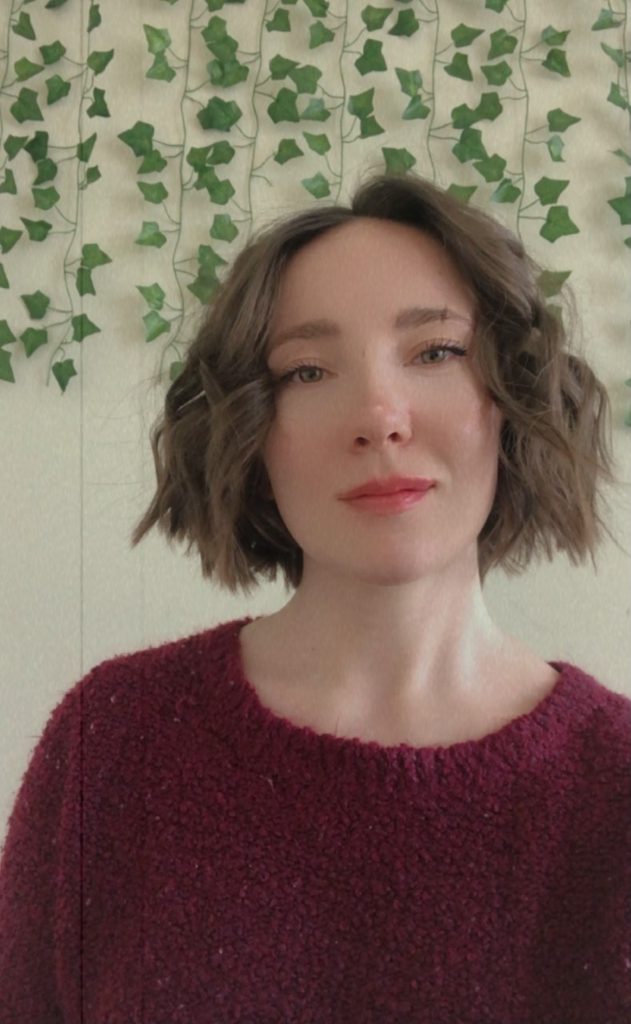
Michelle Otto is a master’s student studying Biological Data Science at Arizona State University. She also holds a M.Sc. in Ecology and a B.A. in Political Science with a focus in Environmental Studies. Her research has focused on freshwater ecology in Costa Rica and ecological modeling on the Antarctic peninsula. In addition to research, she has done environmental policy-related work and animal care at her local wildlife refuge. Michelle is passionate about sharing conservation knowledge and experiences with people outside of academia. When she’s not doing research, she’s usually cooking, baking, and hiking while hyper-analyzing every little stream she comes across.
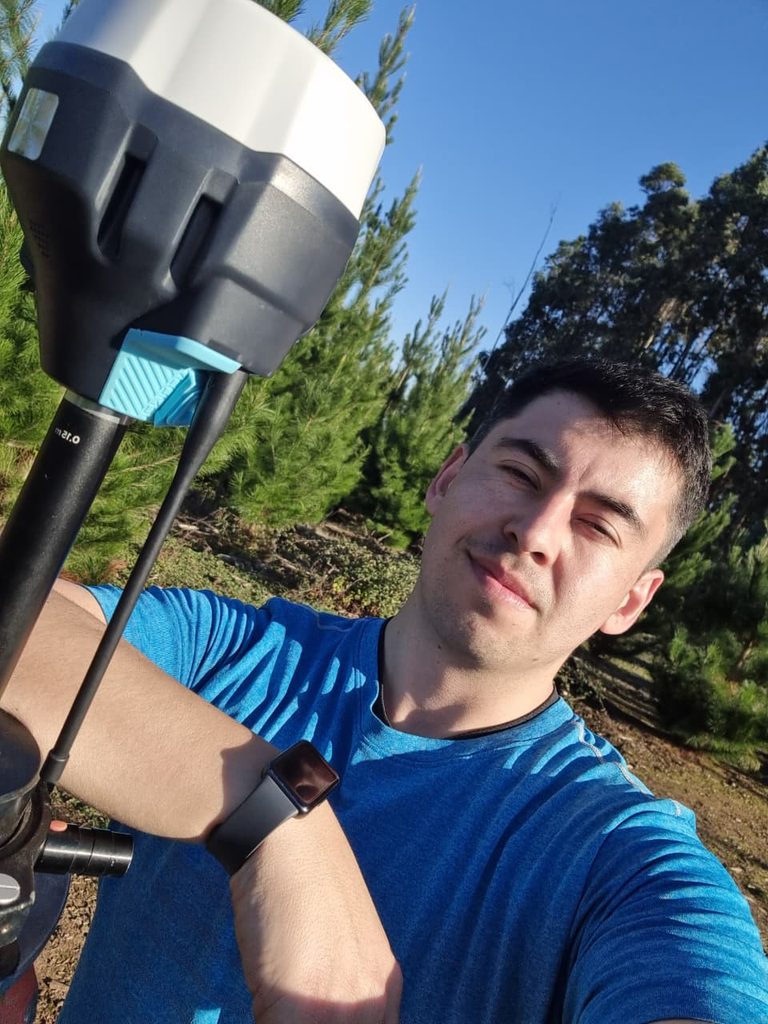
Daniel Sanhueza is a geographer from Universidad Austral de Chile with a PhD from the University of Padova, Italy, in the Land, Environment, Resources, and Health program. His research focuses on how sediment transport responds to hydrological changes driven by the combined effects of climate change and human activities in south-central Chile, a region facing a prolonged drought and growing environmental pressures. He is interested in how science can become more accessible and meaningful to people. Through science outreach with local communities and schools in Chile, he has seen the importance of explaining environmental processes in ways that connect with people’s everyday experiences. He believes science should not be confined to academic publications, but should help communities understand challenges, share their knowledge, and develop practical solutions. As a Community Science Fellow with AGU’s Thriving Earth Exchange, he hopes to learn from communities and build bridges between scientific knowledge and local priorities.
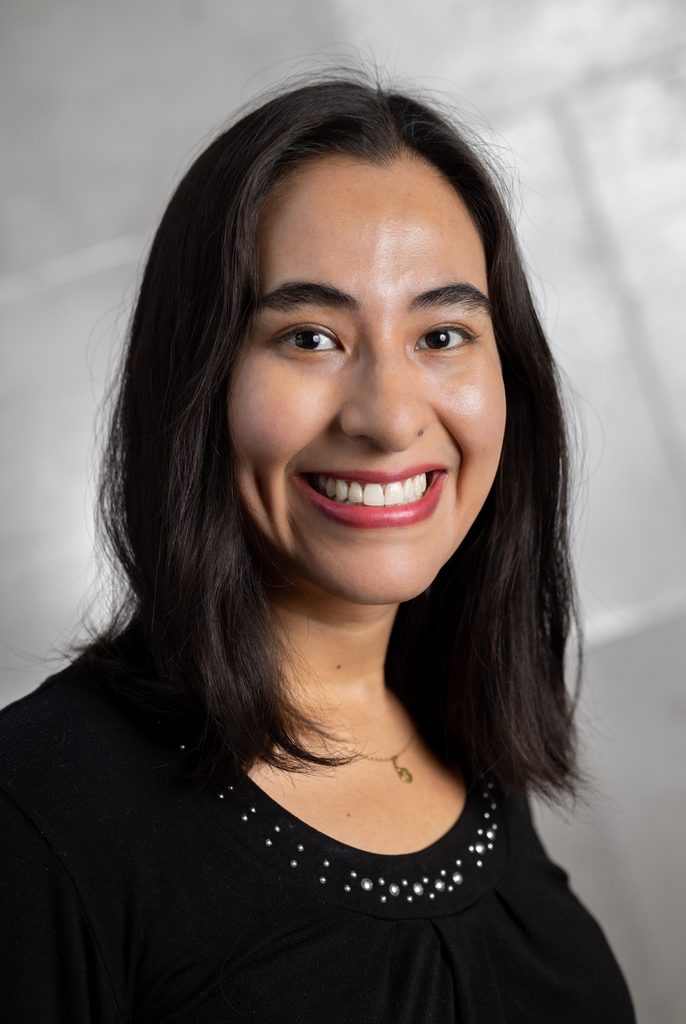
Paulina Vergara Buitrago is a natural resources and environmental researcher specializing in sustainable development, spatial analysis, and community-based environmental management. She holds a Ph.D. in Natural Resources Science and Management and a Master’s in Geographic Information Science from the University of Minnesota, as well as a Master’s in Geography and a Bachelor’s in Environmental Engineering from the Universidad Pedagógica y Tecnológica de Colombia. Her interdisciplinary research integrates GIS, environmental data, qualitative and quantitative
methods, and participatory approaches to examine complex social and environmental challenges. Her work has focused particularly on páramo ecosystems, rural livelihoods, biodiversity conservation, land-use change, and climate resilience in Colombia and Latin America.
Throughout her professional and academic career, Paulina has worked with universities, government institutions, research organizations, and rural communities on environmental planning and sustainable development initiatives. Her experience includes research on the Rabanal páramo, rural development strategies, ecosystem restoration, climate change reporting, community resilience, food systems, and territorial planning. She has
also contributed to international research and climate initiatives, including participation as a University of Minnesota delegate at COP30. Through her research, technical work, and community engagement, she seeks to connect spatial and environmental evidence with local knowledge and practical approaches that support sustainable resource management, resilient communities, and informed decision-making.
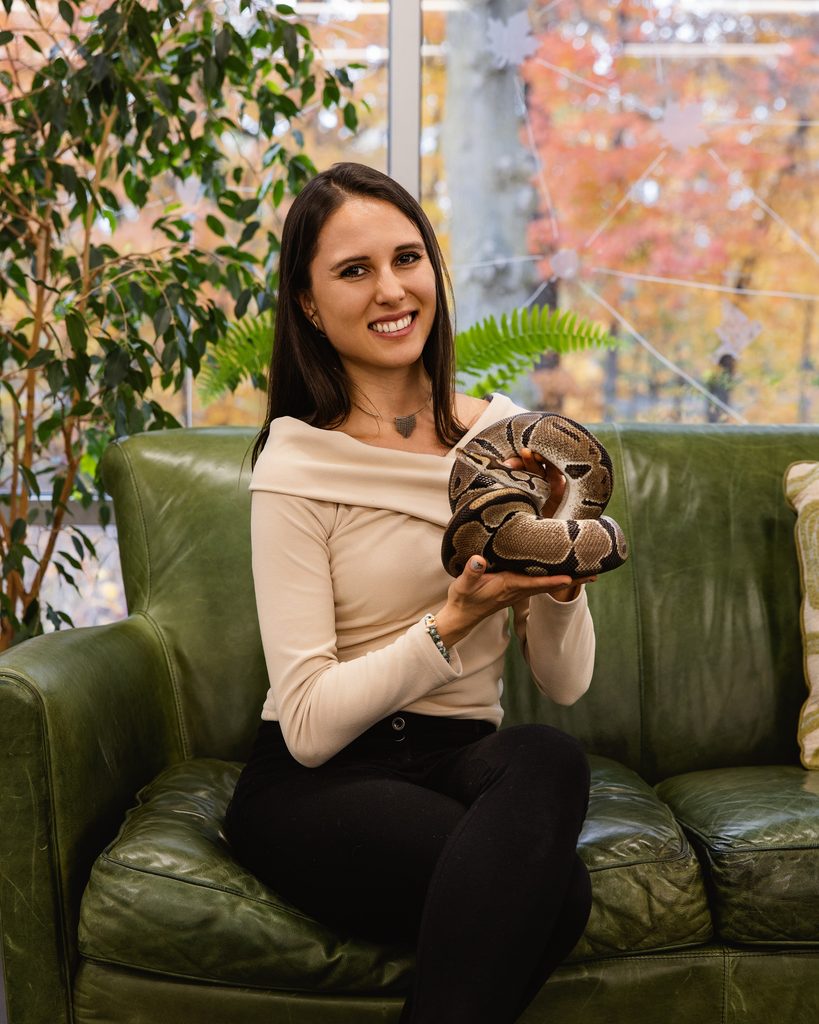
Andrea Catalina Vigoya Ruiz is a Colombian conservation biologist who earned her Bachelor’s degree in Biology from Universidad Pedagógica Nacional in Colombia and her Master of Science in Biology from Purdue University Fort Wayne, USA. Her research interests focus on conservation biology, behavioral ecology, and understanding how environmental conditions influence animal behavior, with a particular passion for protecting imperiled reptiles.
Currently, Catalina is pursuing a Ph.D. in Biological Sciences at Mississippi State University, where her research focuses on social behavior, individual variation, and epigenetic regulation in the Sister Islands rock iguana (Cyclura nubila caymanensis). Through her work, she aims to integrate behavioral ecology and molecular approaches to inform conservation strategies and contribute to the long-term protection of threatened species.
Andrea Catalina Vigoya Ruiz es una bióloga colombiana dedicada a la conservación, egresada de la Licenciatura en Biología de la Universidad Pedagógica Nacional en Colombia y magíster en Biología de Purdue University Fort Wayne, Estados Unidos. Sus intereses de investigación se
centran en la biología de la conservación, la ecología del comportamiento y la comprensión de cómo las condiciones ambientales influyen en el comportamiento animal, con especial interés en la protección de reptiles amenazados.
Actualmente, Catalina cursa un doctorado en Ciencias Biológicas en Mississippi State University, donde investiga el comportamiento social, la variación individual y la regulación epigenética de la iguana de roca de las Islas Hermanas (Cyclura nubila caymanensis). A través de su trabajo, busca integrar la ecología del comportamiento y las herramientas moleculares para orientar estrategias de conservación y contribuir a la protección a largo plazo de especies amenazadas.
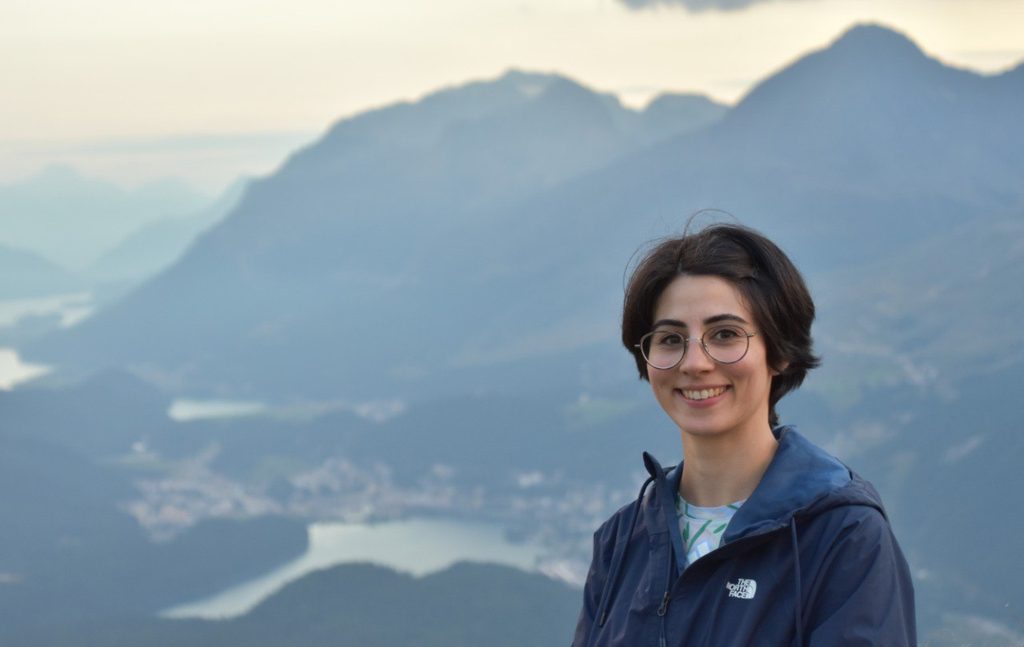
Deniz Vural is a PhD researcher at the Alfred Wegener Institute Helmholtz Centre for Polar and Marine Research (AWI) and the University of Potsdam, working at the intersection of Arctic geoscience, coastal change, and community-engaged research. Her doctoral research focuses on changing nearshore and coastal dynamics along permafrost coasts in the Western Canadian Arctic, particularly the Yukon coast and Herschel Island–Qikiqtaruk, using bathymetric mapping, geospatial analysis, and Earth observation.
Beyond her research, Deniz is actively involved in initiatives that connect science with communities, education, and decision-making. She has contributed to international polar and ocean networks including the Association of Polar Early Career Scientists (APECS), Polar Educators International (PEI), and youth-led Arctic initiatives, with experience in science communication, mentorship, capacity building, and participatory approaches to environmental research.