Project Highlight: The Wisconsin Green Muslims community in Madison and Milwaukee
This month’s Project Highlight celebrates an inspiring collaboration between community, culture, and science through the Wisconsin Green Muslims’ initiative in Madison and Milwaukee. This Thriving Earth Exchange project brings together faith and environmental stewardship by empowering community members to learn about and identify culturally significant plants found in the Qur’an and Hadith. Through interactive workshops and an iNaturalist-powered platform for tracking plant observations, the project strengthens spiritual connections to the natural world while deepening community engagement in environmental care. From hands-on learning in gardens to discussions that link tradition with nature, it offers a unique model for blending cultural heritage with community science. In the reflections that follow, the project team share their experience leading this project and exploring how faith-rooted environmental stewardship can inspire meaningful, collective action.
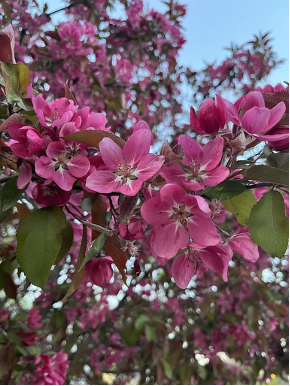
Our Thriving Earth project seeks to deepen connections between Muslims in Michigan and Wisconsin and the natural world by expanding their ability to recognize and identify culturally important plants. To do this, our project involves an online platform through iNaturalist that allows people to learn about and participate in sharing observations about plants. To support this online project, we are also hosting in-person workshops to help people connect with plants mentioned in the Qur’an (the holy books for Muslims) of and Hadith (reports on the sayings and traditions of Prophet Muhammad) and learn how to identify them.
Ultimately our goal is to inspire more people to become involved in Michigan and Wisconsin Green Muslims and our project to build an Islamic-style garden at Allen Centennial Garden featuring some of these plants. By increasing knowledge and awareness of plants, these projects will deepen emotional and spiritual connections to the local plant community, inspiring care and protection for the local environment.
Our project team includes:
- Huda Alkaff – Community Lead from Michigan Green Muslims and Wisconsin Green Muslims
- Isaac Zaman – Project Scientist
- Reba Luiken – Community Lead from Allen Centennial Garden
- Yixin Sun – Community Science Fellow
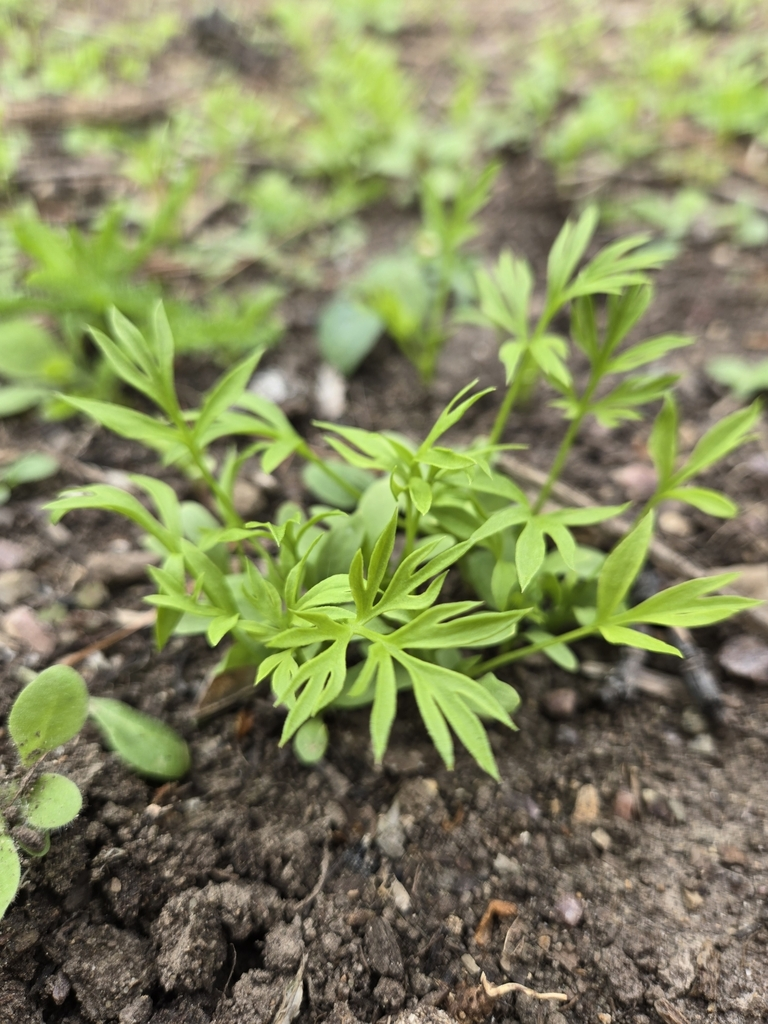
This summer and fall, we have been able to implement our online community science part of the project through iNaturalist. The project is set up to allow anyone in the upper midwest (Michigan, Wisconsin, and Minnesota) to contribute plants to the project as they find them in gardens and wild places near them. The project is set up to only include submissions of plants that are on a list of plants included in the Qur’an and Hadith. This also makes it a useful teaching tool for people who are interested in learning what these plants look like because they can visit the site without contributing as well. Our project is called Plants in Islam and can be found here.
In addition to launching the online project, we have also hosted a number of educational workshops and events in Michigan and Wisconsin to promote the project. In September, the Islamic Science, Technology, Engineering, and Math (iSTEM) Student Group at the University of Wisconsin-Madison hosted an event at Allen Centennial Garden in collaboration with Wisconsin Green Muslims. The event included an activity to learn about plants in the Qur’an and Hadith, a tour of those plants in the Garden, a visit to a garden designed using traditional Islamic geometric principles and plants, and an introduction to our iNaturalist project.
In October, the Saturday School at the Islamic Center in Madison hosted speakers from Wisconsin Green Muslims and the Allen Centennial Garden to teach students about the importance of sustainability and nature in Islam. Huda Alkaff, the founder and director of Wisconsin Green Muslims, and Maryam Islam, a student at UW-Madison, began the workshop by having students stand and stretch their arms out like branches. How can we, as people, be like a tree? Can we be less wasteful and use our resources wisely, like trees do? After tree pose, students split their time between a garden activity outside with Maryam and learning about sustainability inside with Huda. Outside, students explored the garden, drew their favorite plants, and learned about gardening. Inside, they were taught the importance of nature and plants in Islam and how to take care of them. The workshop wrapped up with students sharing their favorite plants, and the importance of plants in their cultures and religion.
These workshops show that science and faith are complements, each offering helpful ways to understand and care for the natural world. When community and faith leaders take part in community science, they help connect scientific ideas to everyday life and bring community values back to scientists. As this project grows, this partnership between science and faith will continue to guide our efforts to inspire care and stewardship for the local environment.
Learn more about this Thriving Earth Exchange project here.