
List of Cities/Organizations Seeking Scientists Pittsburgh, PA: Pittsburgh is looking for help to develop a more robust carbon inventory and new carbon dashboard
Author: raj pandya
Denver, Colorado
Community Project Summary TEX’s role Local Impact Broader Impact Denver, CO Testing low-cost approach to measuring PCE while helping one Denver neighborhood protect itself from pollutants that enter homes though basements (e.g. PCE and Radon)…
Washington, District of Columbia
Photo Courtesy of: Kate Johnson, District Department of the Environment The Challenge As the capital of the United States, the District of Columbia grapples with human-induced and natural threats ranging from counter-terrorism to hurricanes. The…
Animas River, Colorado
Photo Courtesy of: Riverhugger The Challenge On August 12, 2015, the US experienced one of its worst hardrock-mining disasters when 3 million gallons of toxic mining waste spilled into the Animas River in Colorado. The…

What can solutions-oriented science learn from the Supreme Court?
The Supreme Court does not “do” theory: to have a case heard by the court you need to demonstrate you have been injured by the application of a law, as in the case when Massachusetts sued…

Why is the American Geophysical Union (AGU) powering TEX? And what does ‘powering’ mean?
The American Geophysical Union (AGU) is an international professional society of over 61,000 Earth and space scientists who study everything from the deep interior of the Earth to the surface of the sun –…
Tales of Community Science by Parvathy Prem
What does community science mean to you? In the Pamir Mountains of Central Asia, community science is adapting traditional ecological calendars to a changing climate. In five Colorado neighborhoods, community science is initiating a…

How participatory is enough?
Two years ago, after a seminar on community-based participatory research, a colleague raised her hand. She was troubled, because she felt like whenever she tried to introduce small participatory elements into her research,…

Why are we so into community science?
We think community science is cool for a lot of reasons. Here are the 10 things we love about #commsci: Science is more usable when it co-designed, from the ground up, to address a community priority….
Visionary Talk Interviews Chris McEntee
The American Geophysical Union (AGU) is an international professional society of over 61,000 Earth and space scientists who study everything from the deep interior of the Earth to the surface of the sun –…

What do starfish have to do with TEX?
Ori Brafman’s book, “The Starfish and Spider” contrasts centralized and decentralized organizations. As a simple way to show the difference, Brafman considers Encyclopedia Britannica, a centralized, spider organization, where editors invite experts to contribute…

Why this blog?
While we have a good idea of what TEX is, we are doing a lot of experimenting to figure out how to get there. This means our thinking about TEX and what TEX looks…

What are the TEX tools?
We have identified four steps to successful community science projects, and collected tools and resources to support each of these steps. The steps are: Match: Before any community science can happen, communities and scientists…
Community Challenges
Thank you for showing an interest in our community challenges! As part of our partnership with Rockefeller’s 100 Resilient Cities, each community is seeking a scientist to work with on identified areas of concern…
Theory and Background
Learn some of the theoretical foundations behind ‘Community Science’ Models of Community Science – Lessons from the Field Learn more on community science as an advancement to ‘citizen science’. The short paper includes key…
How to Start a Discussion
We have selected some tools that will help you work with communities to design projects Human Centered Design Toolkit Human-Centered Design is the concept of working with the people that solutions are often…

What is TEX?
The Thriving Earth Exchange (TEX) will be this: It will be 100s or 1000s of community projects that use Earth and space science to make life better for people and the planet. To us,…
Pine Ridge Reservation: Solving Critical Water Issues
The population of the Pine Ridge Reservation in South Dakota possesses one the highest cancer clusters among Native Americans and the United States at large. Metal contamination from well water is suspected to be a…
Pamir Mountains Challenge – Hosted by ClimateCoLab
[tabgroup tabs_title=”Overview”] [tabs tabs_title=”Overview” wrap=”yes” tabs_text=’ Who We Are The Pamir Mountains challenge seeks to generate ideas about how Earth science research and observations can help recalibrate traditional ecological calendars for a changing climate. On…
Register
Let us help you find a project! Register with the Thriving Earth Exchange and contribute to community science in a meaningful way!
Completed: Do you Have Long Term Goals for Energy Efficiency?
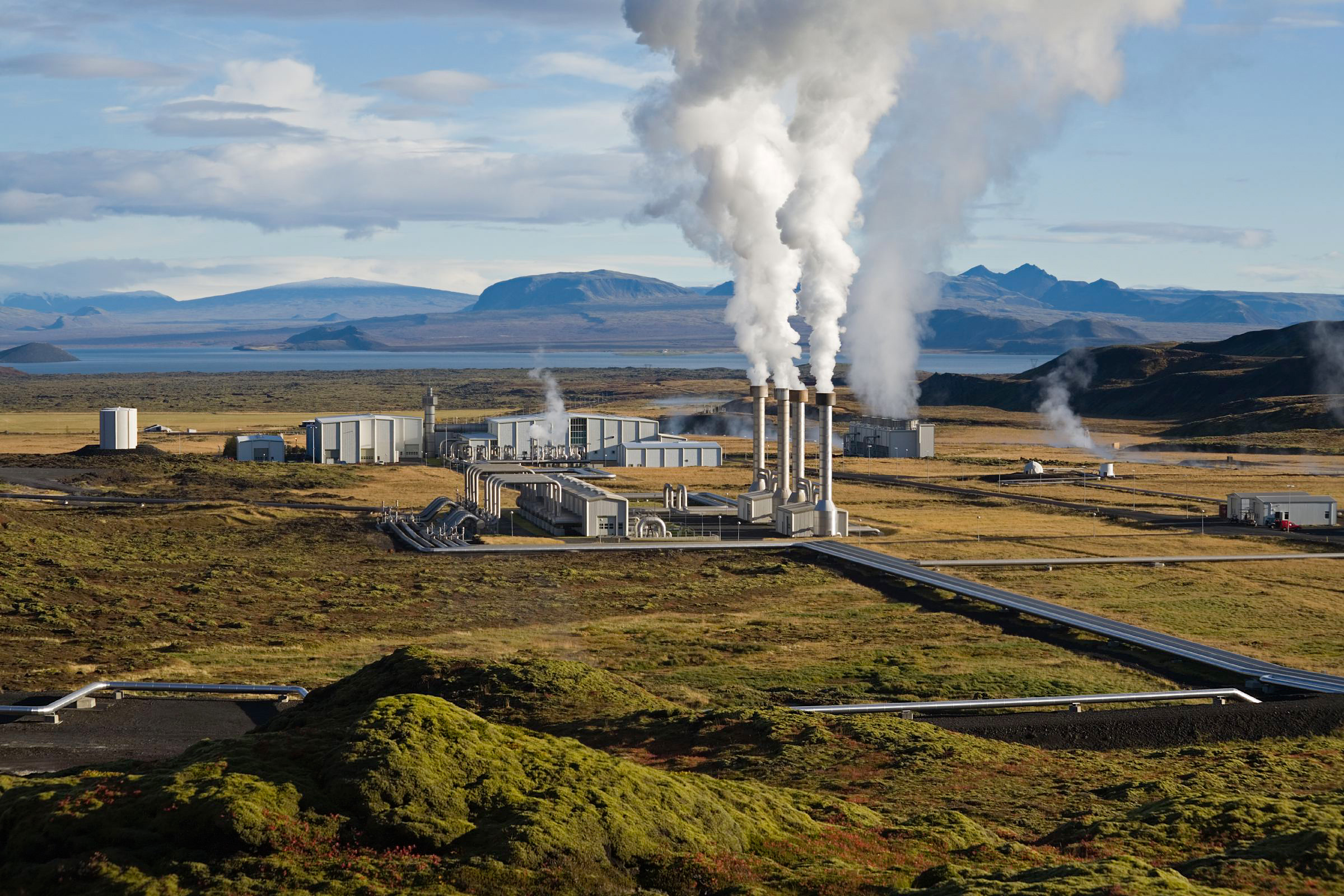
Who We Are The Georgetown University Energy Prize is a long-term, goal- oriented initiative that calls for communities to come together and propose plans of action for continued energy saving. Community members with ideas relating…

A Chapter on Community Science
Written by the Raj Pandya, the Thriving Earth Exchange Program Director, this chapter out of Future Earth: Advancing Civic Understanding of the Anthropocene takes a closer look at what community science really is all about….
Research for Organizing Toolkit
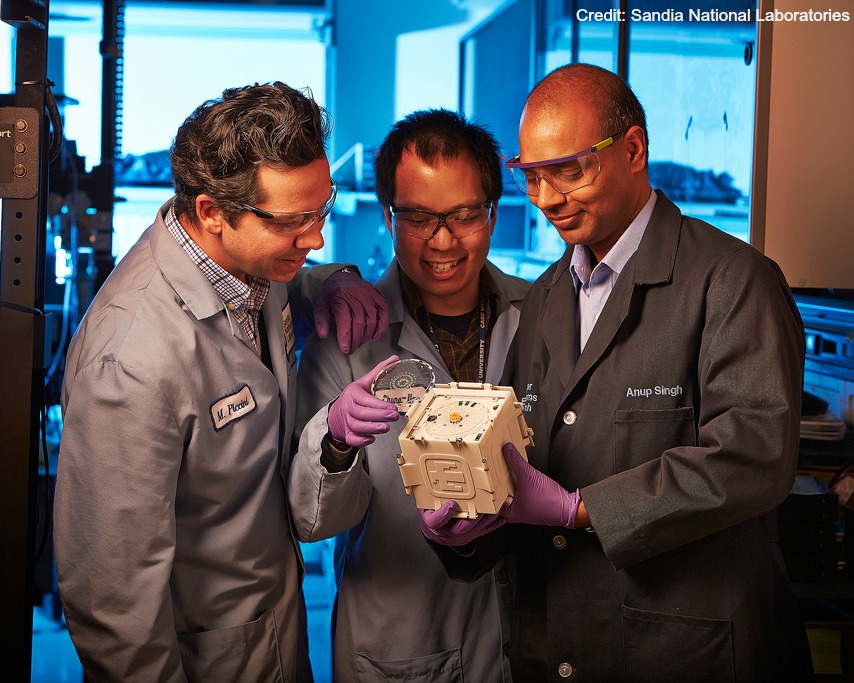
A new way to look at conducting community science! Research For Organizing
Giving Local Experts New Tools
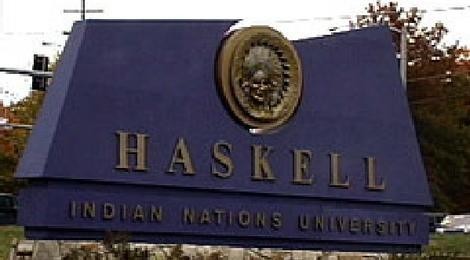
Dr. Dan Wildcat (of Haskell University) and Bull Bennett (of Kiksapa consulting) have been building their relationship with tribal colleges for years. Having worked on environmental issues for the past 20 years Dan Wildcat has…
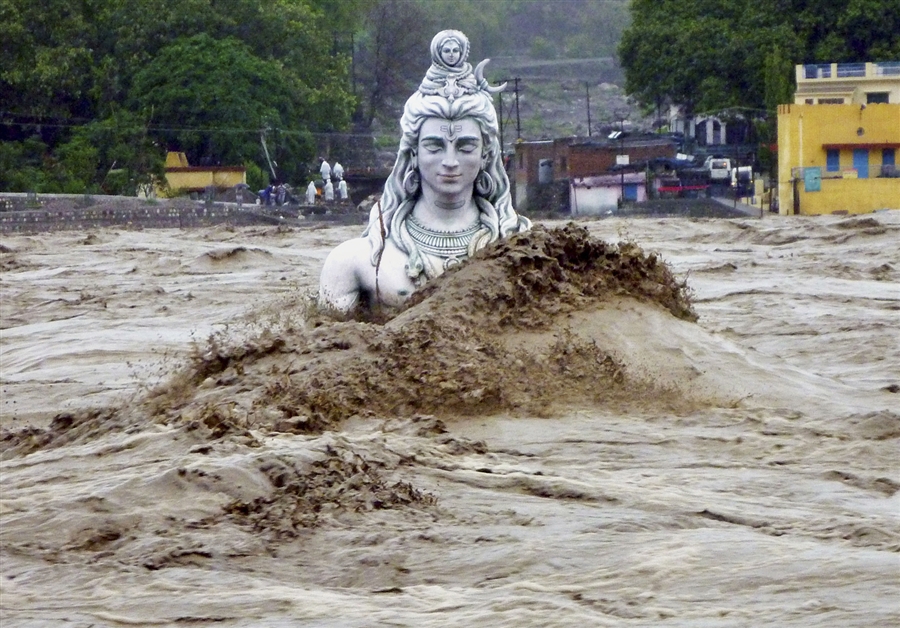
Weather Forecasting in India and Bangladesh
How you say ‘1.5 inches’ can save a life. It can save packages of seeds and herds of cattle. The language used to deliver a forecast is important. The timing of when these forecasts are…
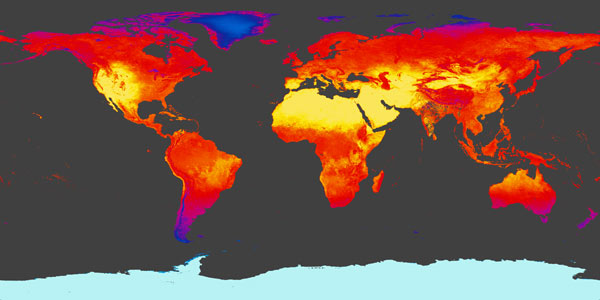
Completed: How Many Ways Can Climate Science Data be Used?
[tabgroup tabs_title=”Overview”][tabs tabs_title=”Overview” wrap=”yes” tabs_text=’ Who We Are The OpenNEX challenge invites the public to propose new ideas on how to use climate data from NASA satellites. Scientists with backgrounds in global land surface imaging,…
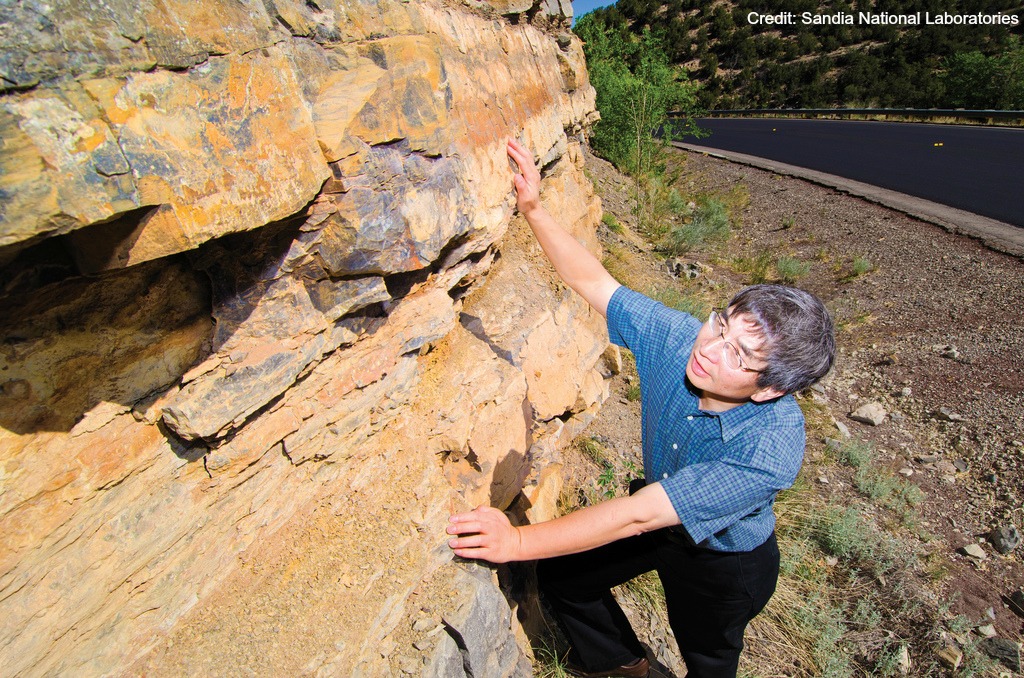
Completed: Looking for Soil Scientists
[tabgroup tabs_title=”Overview”][tabs tabs_title=”Overview” wrap=”yes” tabs_text=’ Who We Are Taking Neighborhood Health to Heart (TNH2H) is a community-based participatory research initiative that started in 2006 and involves five diverse, urban Denver neighborhoods (Park Hill, Northeast Park…
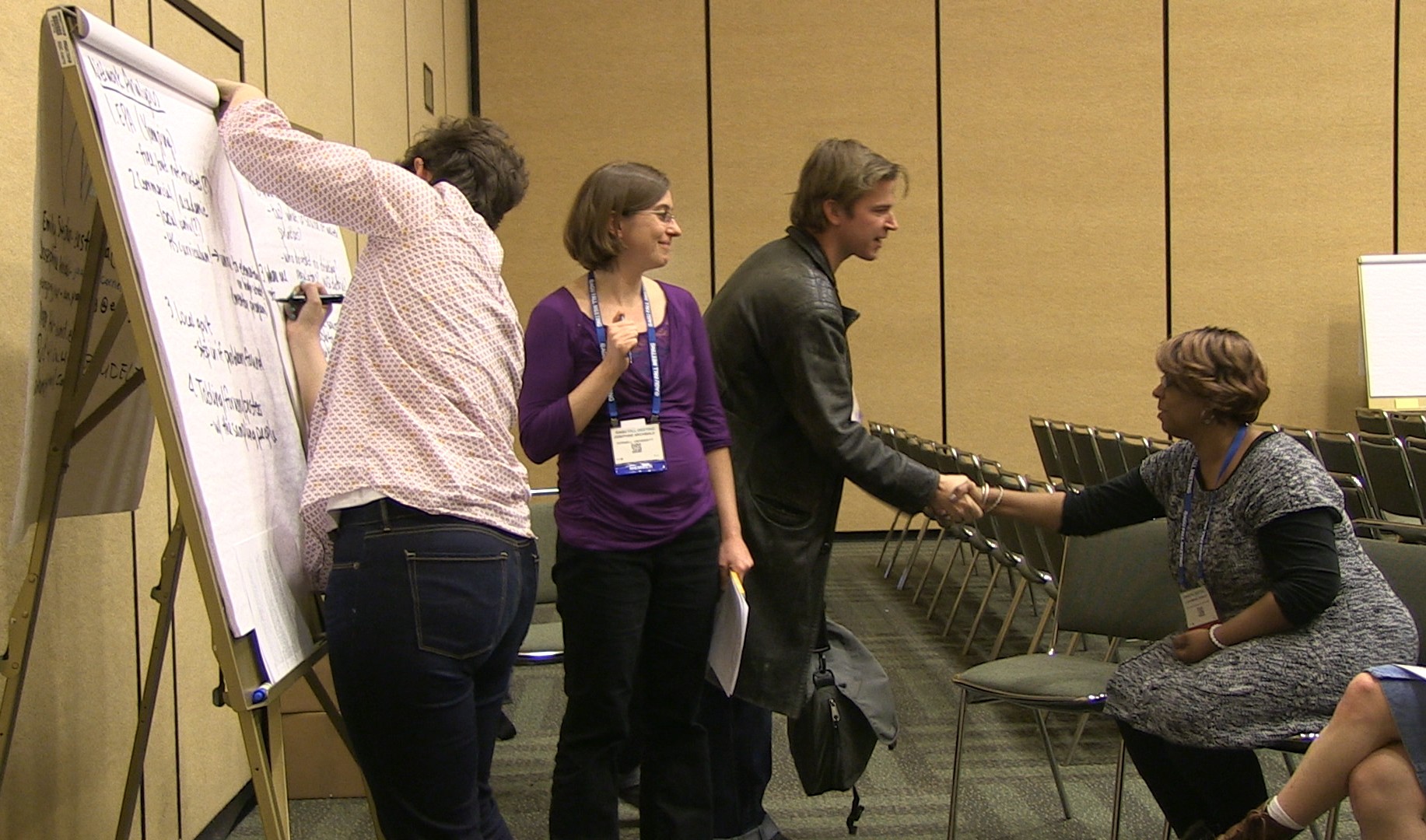
Taking Neighborhood Health to Heart
[tabgroup tabs_title=”Overview”] [tabs tabs_title=”Overview” wrap=”yes” tabs_text=’ Who We Are Taking Neighborhood Health to Heart (TNH2H) is a community-based participatory research project which began in 2006 and involves: five diverse urban Denver neighborhoods: Park Hill, Northeast Park…
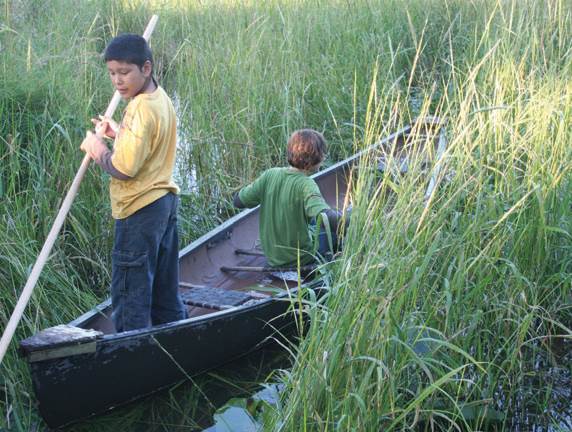
White Earth Nation: Water Quality
[tabgroup tabs_title=”Overview”][tabs tabs_title=”Overview” wrap=”yes” tabs_text=’ Who We Are The White Earth Reservation sits in northwestern Minnesota and contains numerous lakes. Tribal officials routinely monitor the water quality in the largest and most-used lakes, although many of…
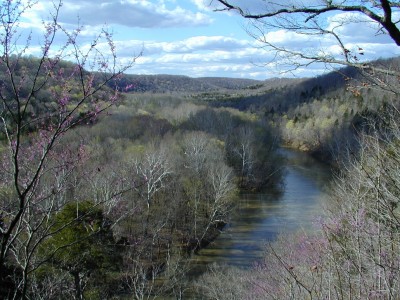
Drought Identification on a Meso-scale
Who We Are The Barren River Area Development District (BRADD) focuses on the Barren River and Green River, which drain the area into to large flood control/recreation lakes in the region: the Barren River…