Community of Cancún, México
The article below is in both English and Spanish
Memory game puts cenote science into the hands of Mexico’s local communities
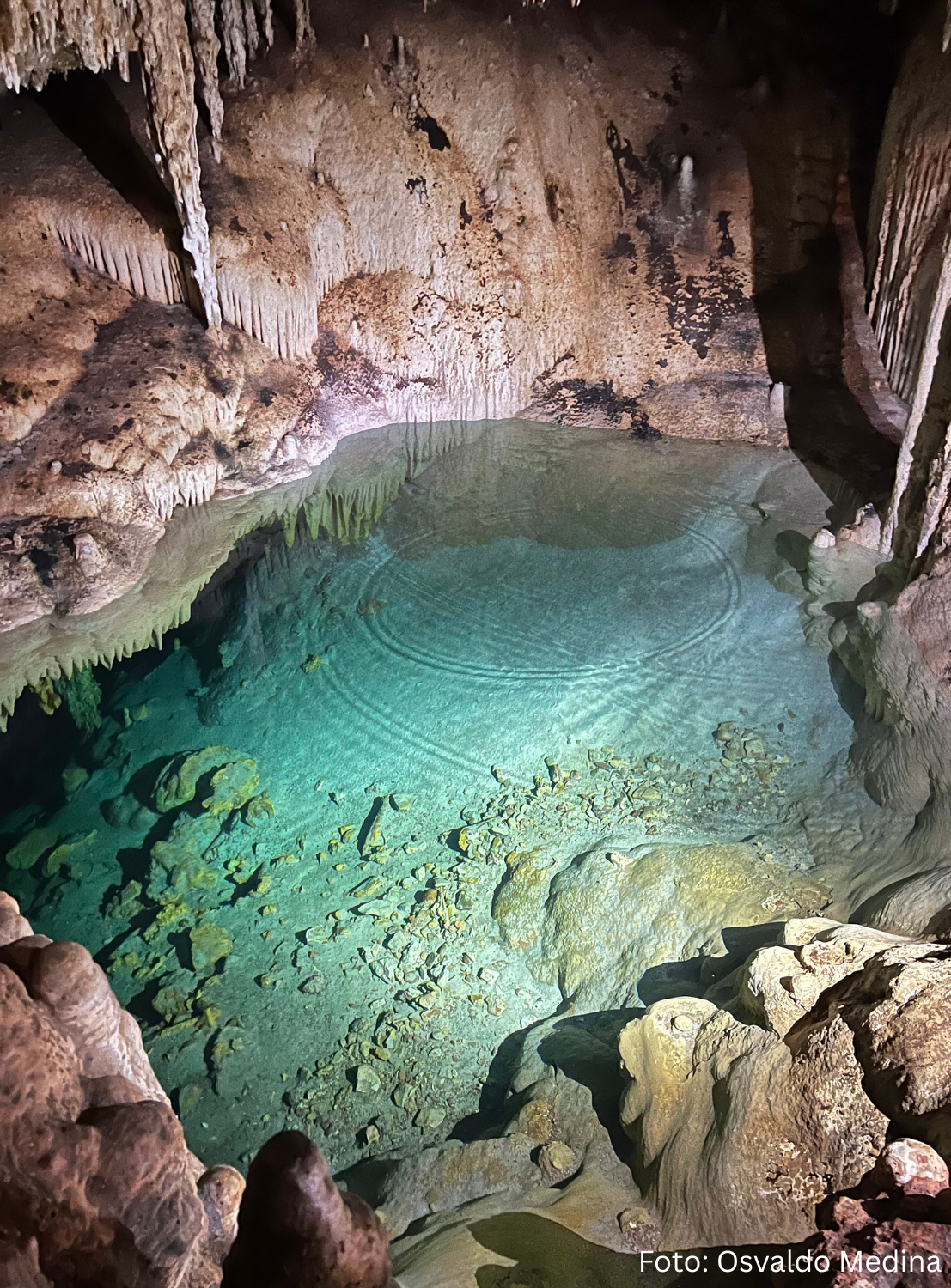
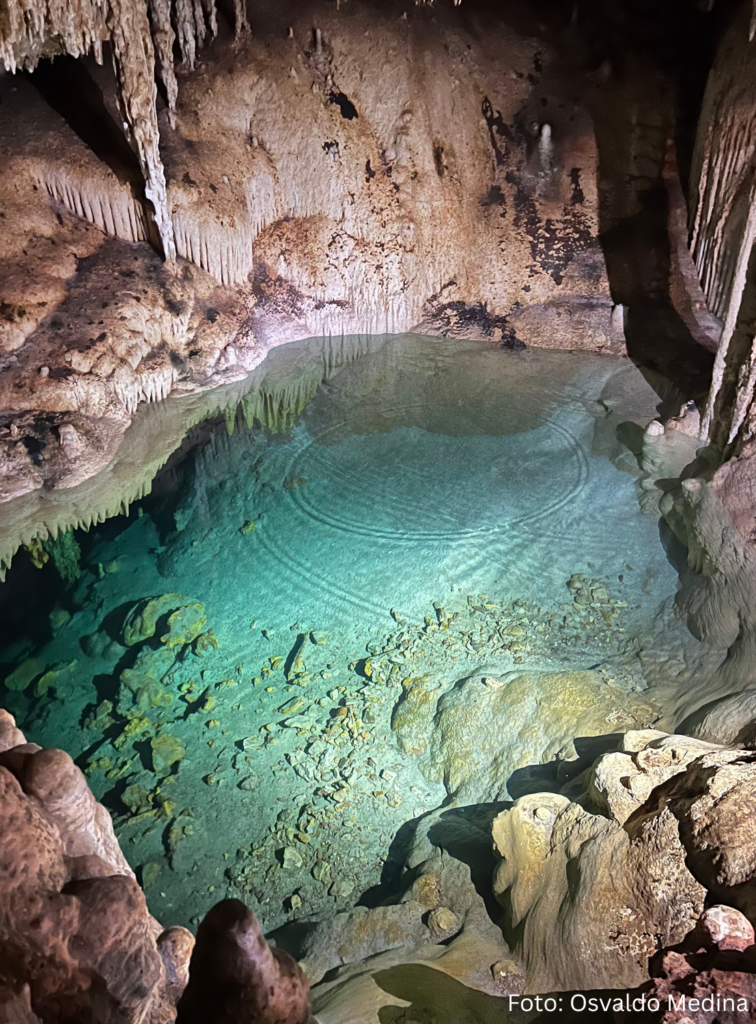
Mexico’s Yucatán Peninsula is home to a vast network of semi-submerged caves and more than 6,000 cenotes. Often filled with crystal-clear freshwater, these natural features have long held cultural significance, including as sacred places for the Maya people.
Today, cenotes have become popular for recreation and important sources of income for the families who own and manage them. But as tourism has grown, so have concerns about how increased visitation could affect these fragile ecosystems.
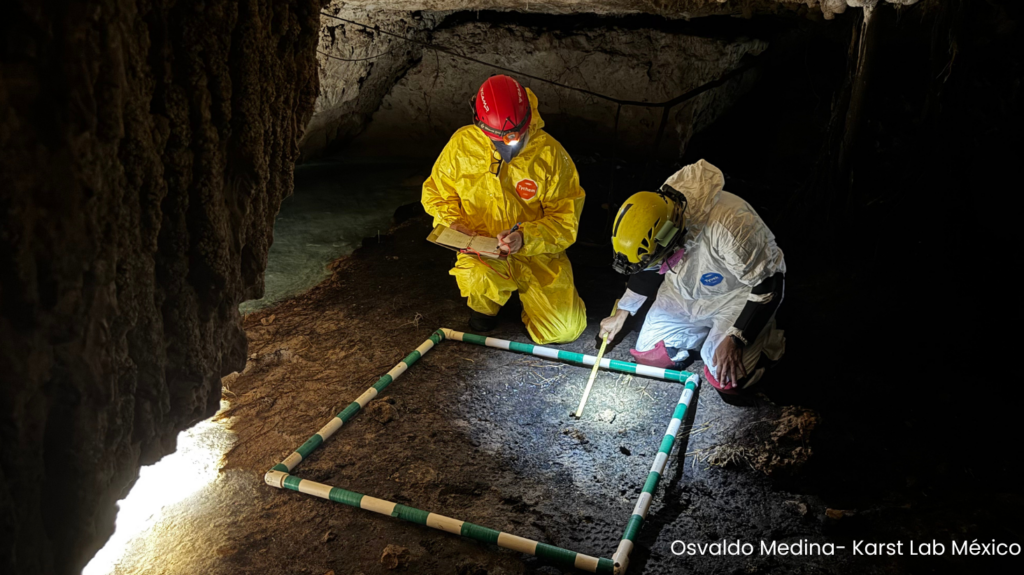
Seeing a need to balance tourism with conservation, Ana K. Celis, an archaeologist and coastal oceanographer, founded Karst Lab Mexico. The organization works to facilitate dialogue among local cave managers and promote more informed stewardship of the area’s caves and cenotes.
“The owners play a very important role in how the area is managed and the impacts of the activities taking place in the cenotes, especially as tourism grows,” said Celis. “Most conservation programs have not focused enough on the role of the community landowners in protecting and managing the cenotes, so it’s really important to include them in the process.”
Los cenotes de Yucatán: aprender, compartir y conservar
La península de Yucatán, en México, cuenta con una extensa red de cuevas parcialmente sumergidas y más de 6.000 cenotes. Muchos de ellos están llenos de agua dulce y cristalina y, desde hace siglos, tienen una gran importancia cultural, especialmente para el pueblo maya, que los considera lugares sagrados.
Actualmente, los cenotes son lugares muy populares para actividades recreativas y una importante fuente de ingresos para las familias que los administran. Sin embargo, a medida que ha aumentado el turismo, también ha crecido la preocupación por el impacto que puede tener en estos ecosistemas frágiles.
Consciente de la necesidad de encontrar un equilibrio entre el turismo y la conservación, Ana K. Celis, arqueóloga y oceanógrafa costera, fundó Karst Lab Mexico. La organización busca generar espacios de diálogo entre quienes gestionan las cuevas y los cenotes de la región, y brindarles información y herramientas que contribuyan a su conservación.
“Los propietarios tienen un papel muy importante en la manera en que se gestiona la zona y en el impacto de las actividades que se realizan en los cenotes, especialmente ante el crecimiento del turismo”, explicó Celis. “Muchos programas de conservación no han prestado suficiente atención al papel de los propietarios de las tierras en la protección y el manejo de los cenotes. Por eso es tan importante incluirlos en el proceso”.
Courtesy of Osvaldo Medina
A different approach to conservation
With Thriving Earth Exchange support, the group was able to step outside the usual academic model of collecting data and spend time truly listening to owners and working to understand their questions and concerns.
“We wanted to have the time to listen to them and let the conversation move in a direction that was important not only for us, but also for them,” said Celis, community lead for the project. “The Thriving Earth Exchange funding allowed us to create this kind of environment.”
Myrna Lilí López Monzalvo is also a community lead for the project. She brings a tourism perspective to the project as a water scientist and professor in the Tourism Division at Universidad Tecnológica de Cancún.
Thriving Earth connected the group with Camila Garcia, the community science fellow for the project. Together, they spent around two months discussing which ideas and objectives would best help solve the problems identified in the community.
“With the Thriving Earth project, we were able to think deeply about the objectives, whereas with most other types of funding the objectives must be established before applying,” said Garcia. “This can be problematic if it later becomes apparent that the original objectives were not the best way to tackle the problem.”
Una forma diferente de abordar la conservación
Con el apoyo de Thriving Earth Exchange, el grupo tuvo la oportunidad de dejar a un lado el modelo académico tradicional, centrado principalmente en la recopilación de datos, para dedicar tiempo a escuchar a los propietarios de los cenotes y conocer mejor sus preguntas, inquietudes y necesidades.
“Queríamos tener tiempo para escucharlos y dejar que la conversación avanzara hacia temas que fueran importantes no solo para nosotros, sino también para ellos”, señaló Celis, líder comunitaria del proyecto. “El financiamiento de Thriving Earth Exchange nos permitió crear ese espacio”.
Myrna Lilí López Monzalvo también participa como líder comunitaria del proyecto. Científica especializada en temas relacionados con el agua y profesora de la División de Turismo de la Universidad Tecnológica de Cancún, López Monzalvo aporta una perspectiva que vincula la ciencia con el sector turístico.
Thriving Earth Exchange conectó al grupo con Camila Garcia, voluntaria y gerente de proyecto de ciencia comunitaria del proyecto. Durante aproximadamente dos meses, trabajaron juntos para definir las ideas y los objetivos que mejor respondieran a los problemas identificados por la comunidad.
“Con el proyecto de Thriving Earth Exchange pudimos dedicar tiempo a pensar a fondo en los objetivos. En cambio, con muchos otros tipos de financiamiento, los objetivos tienen que estar definidos antes de presentar la solicitud”, explicó Garcia. “Esto puede convertirse en un problema si después nos damos cuenta de que los objetivos iniciales no eran la mejor manera de abordar la situación”.
A game with a purpose
When speaking with the landowners, it became evident that much of the scientific information about the cenotes is in English. The Spanish information that is available tends to be very technical, making it difficult for landowners to understand whether it relates to their particular cenote.
The team saw an opportunity to make that information more accessible and engaging by developing an educational memory game (Memorama). They assembled a cross-disciplinary team of specialists in geology, ecology, tourism, archaeology and history to work with cenote owners to develop cards for the game, which included information on cenote flora and fauna, geology, archaeology, and tourism – all in Spanish.
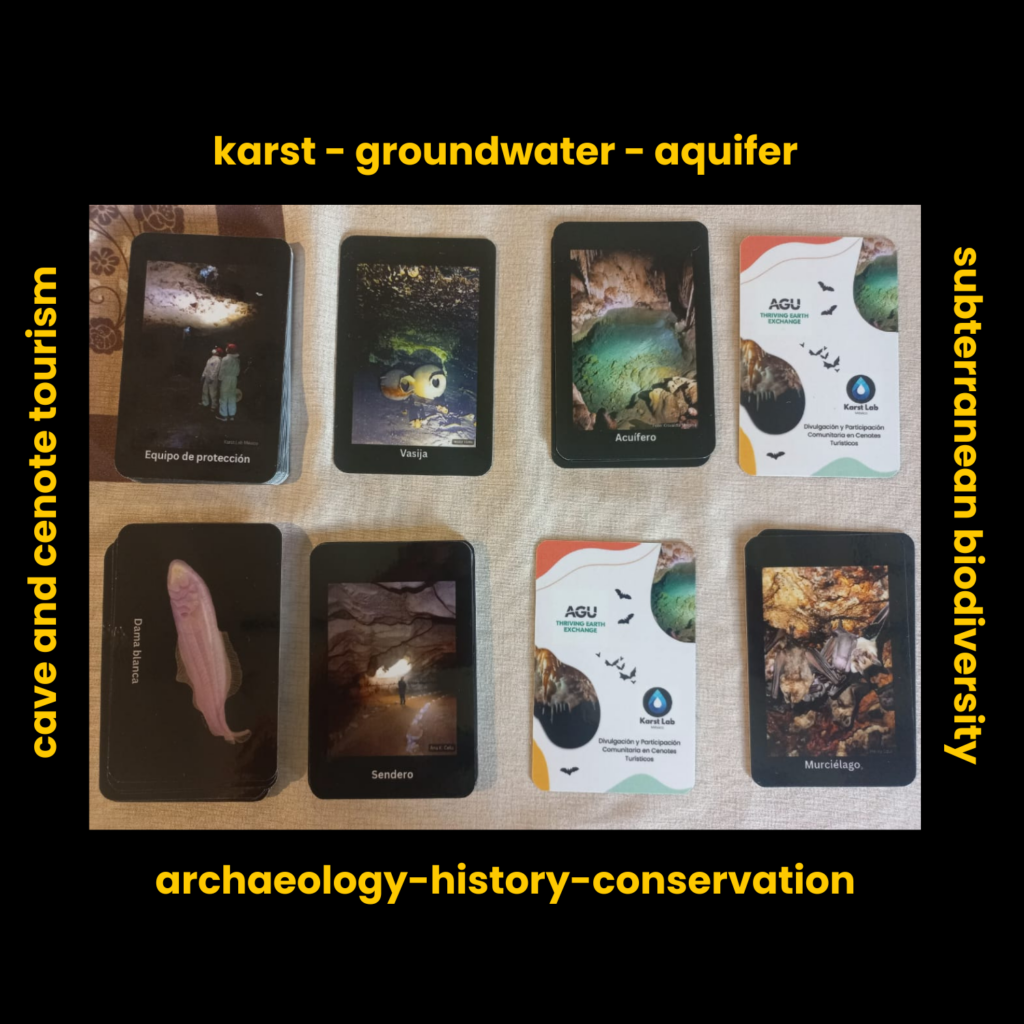
The game is not only educational but also serves as a conversation starter that leads to more engagement about the cenotes. “We asked the owners whether visitors would play the memory game while relaxing at the tables after swimming, and they said yes,” said Celis. “They told us that visitors often ask about the history of the place and want to hear local stories.”
In response to this feedback, the team incorporated information, photographs and images of local cenotes into the cards. “The first thing we noticed when showing them the cards was that the cenote owners were proud to have pictures of their own cenotes in the material,” said Celis.
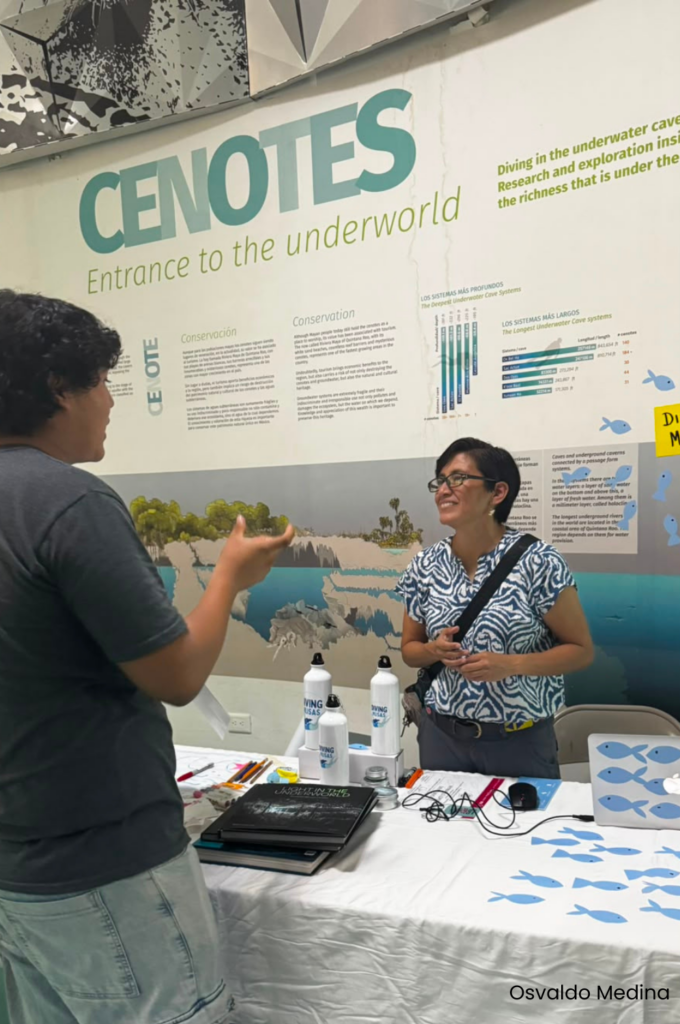
Although the game was designed with landowners in mind, its simple, interactive format has made it useful for people of all ages and levels of scientific knowledge. The team has brought it to educational fairs, where children learn about cenotes through play, and López Monzalvo uses the cards with her college students to explore the same concepts in the classroom.
“It’s very beautiful when the students tell me they want to learn more about the aquifer or make their own research projects about it,” said López Monzalvo. “It’s meaningful to put this seed in them because they become interested in local issues and can propose innovative ways of doing tourism that aren’t harmful to the natural area.”
Hacer la ciencia más accessible
A través de las conversaciones con los propietarios, el equipo identificó una dificultad importante: gran parte de la información científica sobre los cenotes está disponible en inglés. Y aunque existen recursos en español, suelen utilizar un lenguaje muy técnico, lo que dificulta que los propietarios puedan determinar si esa información es relevante para su propio cenote.
El equipo vio entonces una oportunidad para presentar estos conocimientos de una manera más accesible y atractiva: crear un juego educativo de tarjetas basado en la memoria. Para desarrollarlo, reunió a especialistas de distintas disciplinas —entre ellas geología, ecología, turismo, arqueología e historia— que trabajaron junto con los propietarios de los cenotes en la creación de las tarjetas. Todo el contenido está en español e incluye información sobre la flora y fauna de los cenotes, además de su geología, arqueología e importancia para el turismo.
Más allá de su función educativa, el juego también se ha convertido en una manera de iniciar conversaciones y despertar la curiosidad por los cenotes. “Les preguntamos a los propietarios si creían que los visitantes jugarían mientras descansaban en las mesas después de nadar, y nos dijeron que sí”, contó Celis. “Nos explicaron que los visitantes suelen preguntar por la historia del lugar y quieren conocer las historias locales”.
A partir de esos comentarios, el equipo decidió incorporar a las tarjetas información, fotografías e imágenes de cenotes de la zona. La respuesta de los propietarios fue inmediata.
“Lo primero que notamos cuando les mostramos las tarjetas fue el orgullo que sentían al ver fotografías de sus propios cenotes en el material”, recordó Celis.
Aunque el juego fue creado pensando principalmente en los propietarios de los cenotes, su formato sencillo e interactivo ha permitido utilizarlo con personas de distintas edades y niveles de conocimiento científico. El equipo lo ha presentado en ferias educativas, donde los niños pueden aprender sobre los cenotes mientras juegan. López Monzalvo también utiliza las tarjetas con sus estudiantes universitarios para abordar estos mismos temas en el aula.
“Es muy bonito cuando los estudiantes me dicen que quieren aprender más sobre el acuífero o desarrollar sus propios proyectos de investigación”, señaló López Monzalvo. “Es importante sembrar esa semilla, porque comienzan a interesarse por los problemas de su entorno y pueden proponer formas innovadoras de hacer turismo sin dañar el área natural”.
Expanding cenote education
The team has submitted a proposal for follow-up funding from the Rita Allen Foundation. If funded, they plan to use the support to develop a final version of the cenote memory game, incorporating feedback from cenote owners on details such as card size, language and the amount of information included.
They also want to produce enough copies to distribute to cenote owners, rather than continuing to share a limited number of existing versions among the project team. The owners have also expressed interest in having customized materials that tell the story of their individual cenotes, and the project team is exploring ways to help the owners develop their own educational materials.
Ampliar la educación sobre los cenotes
El equipo presentó una propuesta a la Fundación Rita Allen para obtener financiamiento adicional y dar continuidad al proyecto. Si recibe los fondos, podrá desarrollar una versión final del juego incorporando las recomendaciones de los propietarios de los cenotes sobre aspectos como el tamaño de las tarjetas, el lenguaje utilizado y la cantidad de información que contienen.
El equipo también espera producir suficientes ejemplares para distribuirlos entre los propietarios de los cenotes. Hasta ahora, los integrantes del proyecto han tenido que compartir entre ellos el número limitado de versiones disponibles.
Además, algunos propietarios han expresado interés en contar con materiales personalizados que narren la historia y las características particulares de sus propios cenotes. El equipo está explorando distintas maneras de apoyarlos para que puedan desarrollar sus propios recursos educativos.