Research for Organizing Toolkit
A new way to look at conducting community science! Research For Organizing

A new way to look at conducting community science! Research For Organizing

This is a comprehensive collection of toolkits and webpages with content related to community science, partnership building and collaborative research. From learning how to build relationships within a community to developing strategies and plans for…
William Foote Whyte (editor)[icon image=”book” align=”right”] Sage Publications Inc., 1991 This book aims to make a case for participatory action research (PAR) as a powerful strategy to advance both science and practice. PAR involves practitioners…

Disaster Mitigation: A Community Based Approach (PDF, 100 pages) Andrew Maskrey[icon image=”book” align=”right”]
Community science is the collaboration of researchers and community members to propose solutions to problems usually pertaining to public health. The relationship between these two parties can be difficult to build within the time limits…
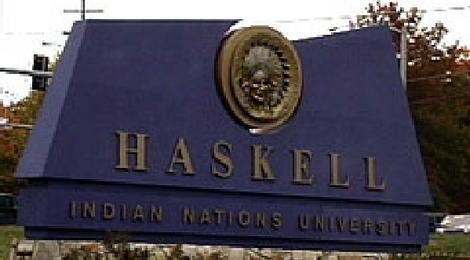
Dr. Dan Wildcat (of Haskell University) and Bull Bennett (of Kiksapa consulting) have been building their relationship with tribal colleges for years. Having worked on environmental issues for the past 20 years Dan Wildcat has…

Who are your role models? Why? Take a second to think of what makes a good role model in the scientific community. The first things I think of are patience and a commitment to learning,…
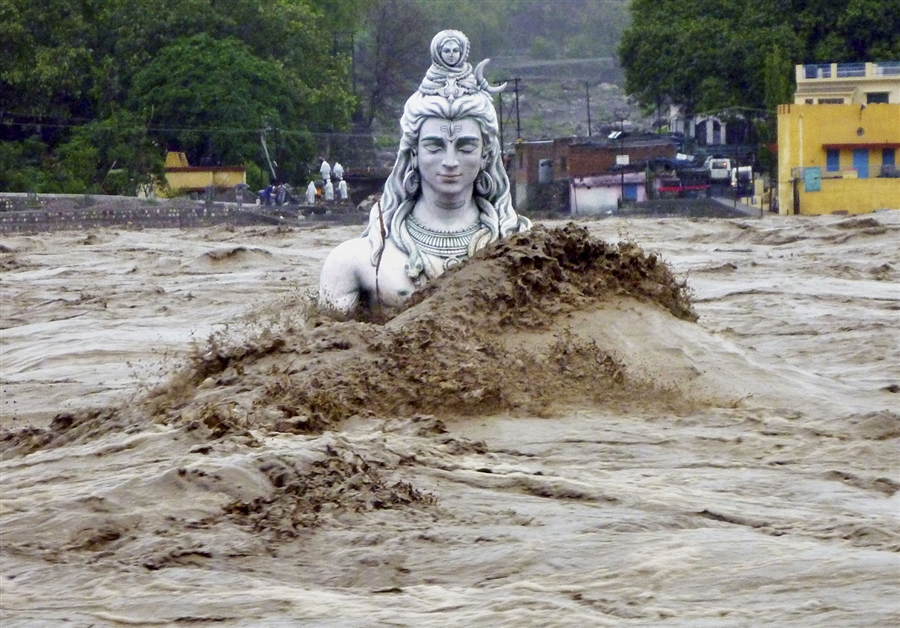
How you say ‘1.5 inches’ can save a life. It can save packages of seeds and herds of cattle. The language used to deliver a forecast is important. The timing of when these forecasts are…
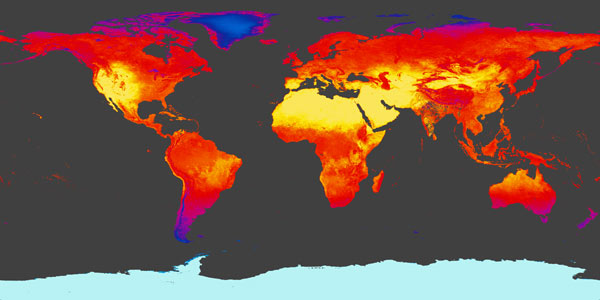
[tabgroup tabs_title=”Overview”][tabs tabs_title=”Overview” wrap=”yes” tabs_text=’ Who We Are The OpenNEX challenge invites the public to propose new ideas on how to use climate data from NASA satellites. Scientists with backgrounds in global land surface imaging,…
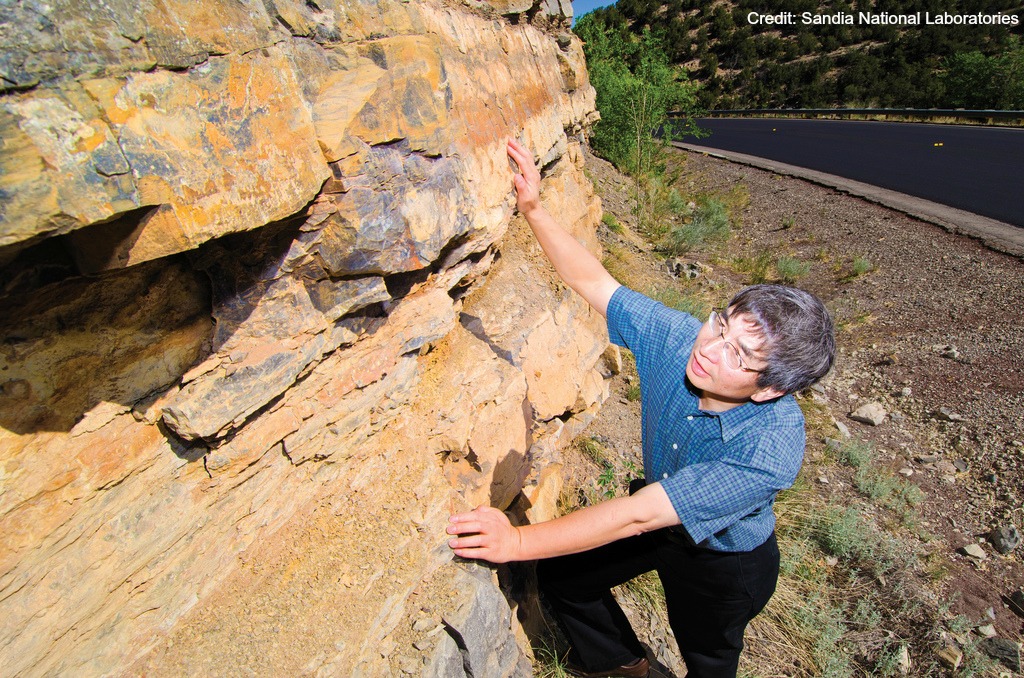
[tabgroup tabs_title=”Overview”][tabs tabs_title=”Overview” wrap=”yes” tabs_text=’ Who We Are Taking Neighborhood Health to Heart (TNH2H) is a community-based participatory research initiative that started in 2006 and involves five diverse, urban Denver neighborhoods (Park Hill, Northeast Park…

Read over the entries that have been submitted here, and vote for your favorite solution (requires a Facebook account). Some examples include converting manure to a bio-adhesive that can be used in construction, mobile apps…

A great opportunity to work on innovative partnerships with the federal government. The Presidential Innovation Fellows program creates teams of fellows and civil servants to work on big issues. The three focus areas right now…

Have you heard? You can join in the hunt for asteroids with NASA. And you might even win $35,000. Check out the opportunity here.
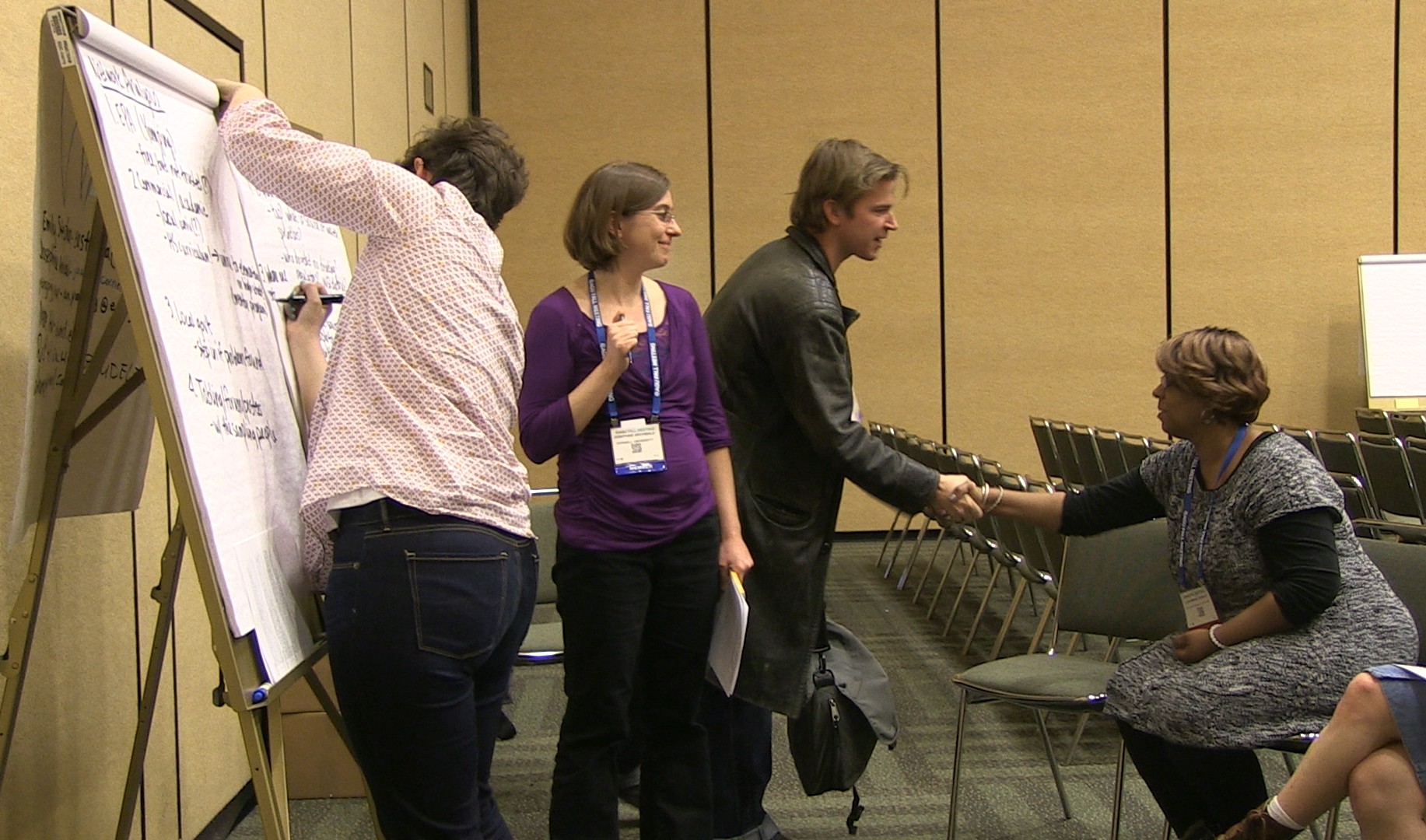
The Thriving Earth Exchange is dedicated to “Doing good with science”. We are working to develop new and innovative avenues for communities (a community is any group that might be able to use science to…
[tabgroup tabs_title=”Overview”] [tabs tabs_title=”Overview” wrap=”yes” tabs_text=’ Who We Are Taking Neighborhood Health to Heart (TNH2H) is a community-based participatory research project which began in 2006 and involves: five diverse urban Denver neighborhoods: Park Hill, Northeast Park…

Did you get a chance to join us for our Thriving Earth Exchange LIVE! event at the American Geophysical Union? We’d love your feedback on the event and your thoughts about the Thriving Earth Exchange….
Raj and Julia, our dedicated Exchange team members, and some of our amazing Advisory Board members will be in San Francisco for the American Geophysical Union’s annual Fall Meeting, 9-13 December 2013. We’ll be mingling, meeting up…
Stay up to date on Thriving Earth Exchange updates! Let us tell you what we’ve been up to recently. Eos article We are officially published in AGU’s weekly newspaper Eos. Read our article “AGU’s Thriving Earth…
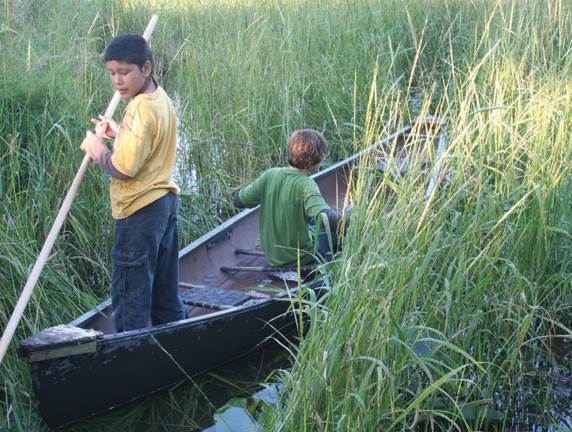
[tabgroup tabs_title=”Overview”][tabs tabs_title=”Overview” wrap=”yes” tabs_text=’ Who We Are The White Earth Reservation sits in northwestern Minnesota and contains numerous lakes. Tribal officials routinely monitor the water quality in the largest and most-used lakes, although many of…
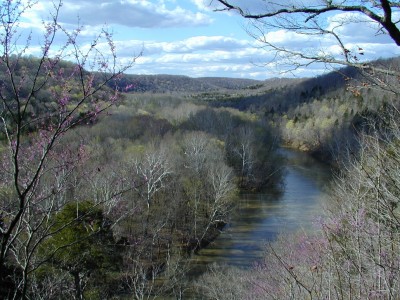
Who We Are The Barren River Area Development District (BRADD) focuses on the Barren River and Green River, which drain the area into to large flood control/recreation lakes in the region: the Barren River…
The American Geophysical Union is proud to announce the Thriving Earth Exchange! The Thriving Earth Exchange will operate as a platform to connect communities and organizations with scientists to address specific, real-world science issues…
[tabgroup tabs_title=”Overview”] [tabs tabs_title=”Overview” wrap=”yes” tabs_text=’ Who We Are The Public Lab community is partnering with the following organizations: What We Aim to Achieve The project hopes to develop: –…
Subscribe to receive the latest new and opportunities from the Thriving Earth Exchange.