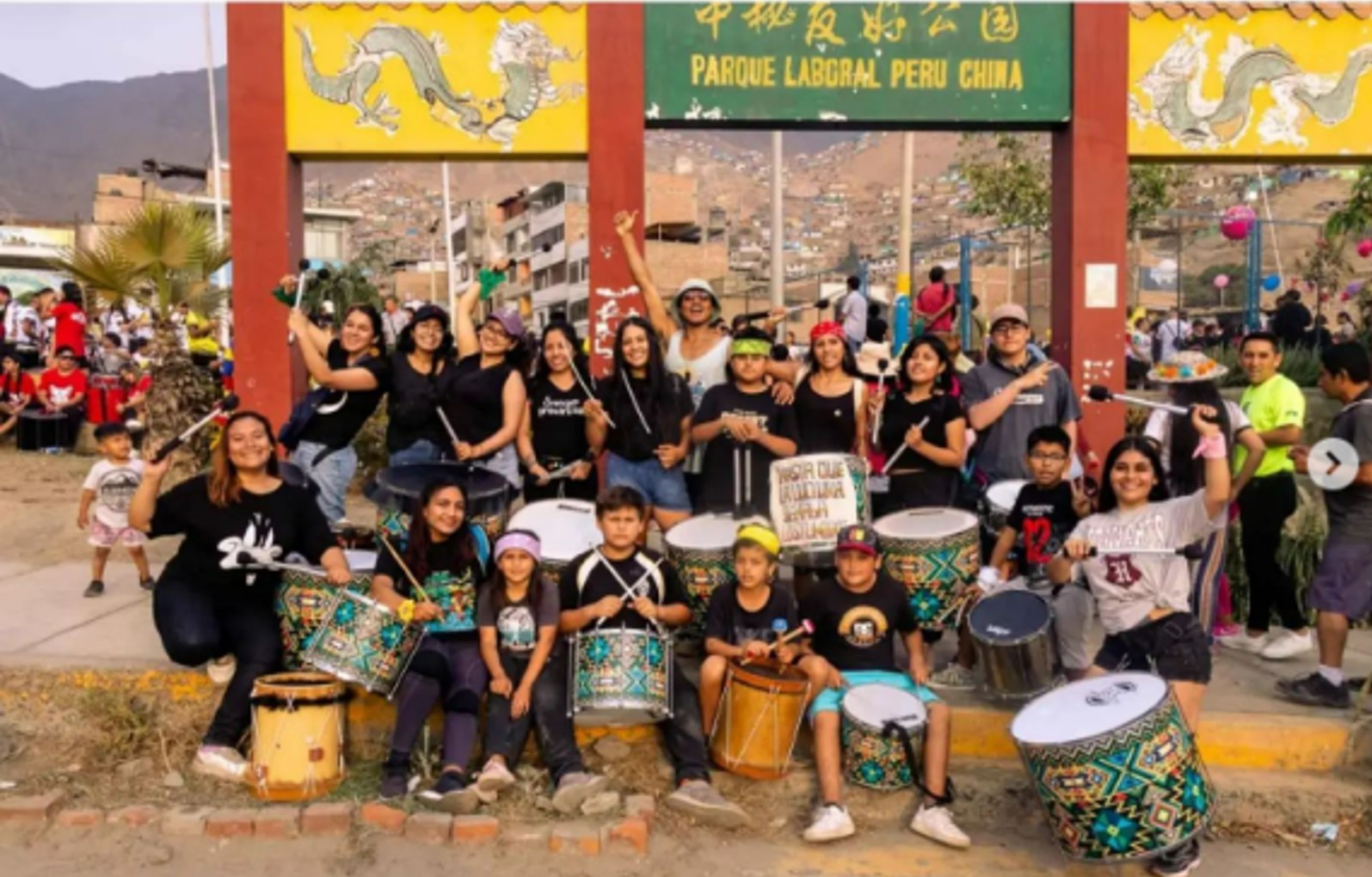
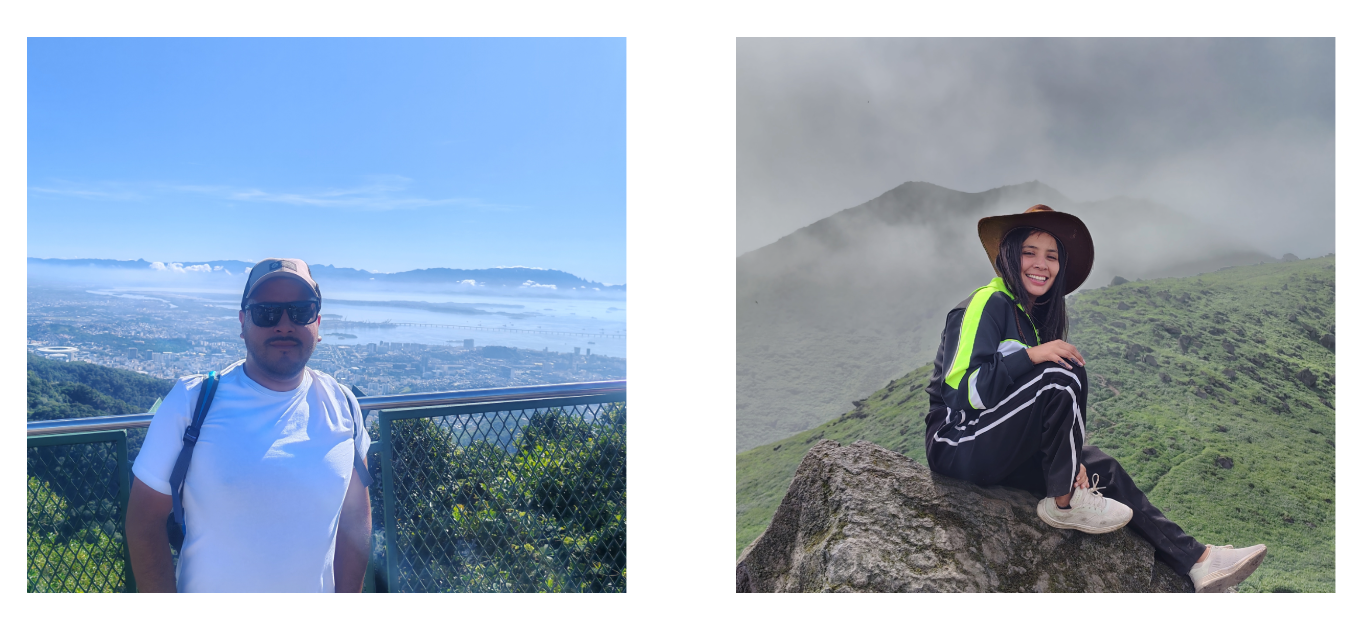
Community Leader Highlight: Renzo Gabriel Valle Estremadoyro and Elizabeth Corzo Jara
This article is written in both English and Spanish.
Tell us about your Thriving Earth Exchange project. Cuéntanos sobre su proyecto de Thriving Earth Exchange.
The project titled “Community-Based Analysis and Monitoring of Water Quality in the Rímac and Chillón Rivers, Lima, Peru” seeks to address the lack of clear and accessible information about water quality in areas near the Rímac and Chillón rivers in the city of Lima, Peru. These rivers run through densely populated neighborhoods where their waters are even used for urban agriculture and the maintenance of green areas. Given the scarcity of official monitoring efforts that are understandable to the community, the project proposes conducting community-based water monitoring, creating a map of critical points such as waste accumulation and high-risk areas during the rainy season, and actively involving local residents so they can learn to interpret and use the data. It also aims to develop sustainable methodologies for the future so that, with verified information, the community can make safer decisions, protect their health, demand better environmental management from authorities, and replicate this citizen science model in other localities across Peru.
El proyecto titulado, “Análisis y monitoreo comunitario de la calidad del agua del río Rímac y Chillón, Lima, Perú,” busca enfrentar la falta de información clara y accesible sobre la calidad del agua en zonas cercanas a los ríos Rímac y Chillón en la ciudad de Lima-Perú. Ríos que atraviesan barrios densamente poblados donde sus aguas incluso se utilizan para agricultura urbana y mantenimiento de áreas verdes; ante la escasez de monitoreos oficiales y comprensibles para la comunidad, se propone realizar un monitoreo comunitario del agua, elaborar un mapa de puntos críticos como acumulación de residuos y zonas de riesgo en época de lluvias, e involucrar activamente a vecinos y vecinas para que aprendan a interpretar y usar los datos, desarrollando además metodologías sostenibles para el futuro, de modo que, con información verificable, la comunidad pueda tomar decisiones más seguras, proteger su salud, exigir una mejor gestión ambiental a las autoridades y replicar este modelo de ciencia ciudadana en otras localidades del Perú.
What inspired you to get involved in community science?
¿Qué les inspiró a involucrarse en la ciencia comunitaria?
As an organization, Accionando por el Clima has spent more than five years promoting sustainability, environmental protection, and climate and environmental justice in urban areas of the city of Lima, Perú, particularly in the North. Based on the work carried out during this time, we identified the need for the population to have clear and accessible information about the resources they obtain from the rivers near their communities. Community science not only makes it possible to generate systematized information about the environment, but also to strengthen people’s connection to their territory and, in doing so, their capacity to sustain collective actions that promote sustainable coexistence with the surrounding ecosystems.
Como organización, Accionando por el Clima lleva más de cinco años promoviendo la sostenibilidad, el cuidado del medio ambiente y la justicia climática y ambiental en zonas periurbanas de la ciudad de Lima, Perú, especialmente en Lima Norte. A partir del trabajo desarrollado durante este tiempo, identificamos la necesidad de que la población cuente con información clara y accesible sobre los recursos que obtiene de los ríos cercanos a sus comunidades. La ciencia comunitaria no solo permite generar información sistematizada sobre el entorno, sino también fortalecer la identidad con el territorio y, con ello, la capacidad de sostener acciones colectivas que promuevan una convivencia sostenible con los ecosistemas que lo rodean.
Can you share a memorable experience from your community science project with Thriving Earth Exchange?
¿Puede compartir una experiencia memorable de su proyecto de ciencia comunitaria con Thriving Earth Exchange?
The meetings we held with neighborhood associations from both rivers revealed that, at a structural level, both communities face similar challenges. In both cases, there is a perceived lack of interest from local and national authorities, as well as the presence of large companies whose infrastructure increases environmental risks in the area. However, it is noteworthy that, despite these structural challenges—difficult to resolve in the short term—the communities organize themselves to improve their surroundings with the limited resources available to them. They expand green areas, carry out reforestation campaigns, reclaim public spaces, and practice self-management, among other actions that demonstrate their resilience and commitment in the face of the difficulties they confront.
Las reuniones que sostuvimos con las juntas vecinales de ambos ríos revelaron que, a nivel estructural, ambas comunidades enfrentan problemas similares. En los dos casos se percibe desinterés por parte de las autoridades locales y nacionales, así como la presencia de grandes empresas cuya infraestructura incrementa los riesgos ambientales en la zona. No obstante, resulta destacable que, pese a estos desafíos estructurales de difícil solución en el corto plazo, las comunidades se organizan para mejorar su entorno con los recursos limitados de los que disponen: amplían áreas verdes, realizan jornadas de reforestación, recuperan espacios públicos y ejercen la autogestión, entre otras acciones que evidencian su resiliencia y compromiso frente a las dificultades que enfrentan.
How do you think community science can make a positive impact in our society?
¿Cómo crees que la ciencia comunitaria puede tener un impacto positivo en nuestra sociedad?
Science is often perceived as a field that is difficult for much of the population to access and understand. It is frequently seen as an exclusive space reserved for certain groups, which has created a sense of distance that, in recent years, has fueled skepticism and distrust toward its findings—even on widely studied issues such as climate change and the role of human beings in this process. In this context, by actively involving communities in the production of scientific knowledge, citizen science encourages greater participation in data collection and analysis processes, strengthens trust and understanding of how science works, helps prevent the spread of misinformation, and promotes a sense of belonging and closeness between the scientific community and society.
Las ciencias suelen percibirse como disciplinas de difícil acceso y comprensión para gran parte de la población. Con frecuencia se consideran espacios exclusivos para ciertos grupos, lo que ha generado un distanciamiento que, en los últimos años, ha alimentado el cuestionamiento y la desconfianza hacia sus resultados, incluso en temas ampliamente estudiados como el cambio climático y el papel del ser humano en este proceso. En este contexto, la ciencia ciudadana, al involucrar activamente a las comunidades en la producción científica, fomenta una mayor participación en los procesos de recolección y análisis de información, fortalece la confianza y la comprensión sobre cómo funciona la ciencia, contribuye a prevenir la difusión de noticias falsas y promueve un sentido de pertenencia y cercanía entre la comunidad científica y la sociedad.
Thriving Earth Exchange recognizes that language barriers are often present in community science projects and seeks to bridge them by creating more inclusive spaces for communication. How has this focus on language inclusion shaped your experience in the program? Thriving Earth Exchange reconoce que en los proyectos de ciencia comunitaria a menudo existen barreras de idioma y busca superarlas creando espacios de comunicación más inclusivos. ¿Cómo ha influido este enfoque en la inclusión lingüística en tu experiencia dentro del programa?
We deeply appreciate that the Thriving Earth Exchange program offers content in Spanish and maintains a focus on supporting Spanish-speaking communities. The transfer of knowledge and technology to members of the Global South—where obtaining science research and information often faces greater limitations—represents a significant contribution to the development of our communities. Having access to information and guidelines in our own language enables a more accurate understanding of the program and allows for the implementation of clearer, more strategic, and higher-impact actions in our communities.
Agradecemos profundamente que el programa Thriving Earth Exchange ofrezca contenidos en español y mantenga un enfoque de apoyo a comunidades hispanohablantes. La transferencia de conocimientos y tecnología hacia miembros del Sur Global, donde la producción científica suele enfrentar mayores limitaciones, representa un aporte significativo para el desarrollo de nuestros pueblos. Contar con información y lineamientos en nuestro propio idioma facilita una comprensión más precisa del programa y permite implementar acciones más claras, estratégicas y de mayor impacto en nuestras comunidades.