Showcasing Community Science at the Annual Meeting of the Mexican Geophysical Union
Sharing successes and strategies, Thriving Earth Exchange staff and project teams strengthen regional science engagement across Latin America
It is remarkable how much cross-cultural collaboration and international exchange can be accomplished remotely. Nevertheless, nothing quite matches in-person interaction when it comes to building new relationships and forging partnerships that endure.
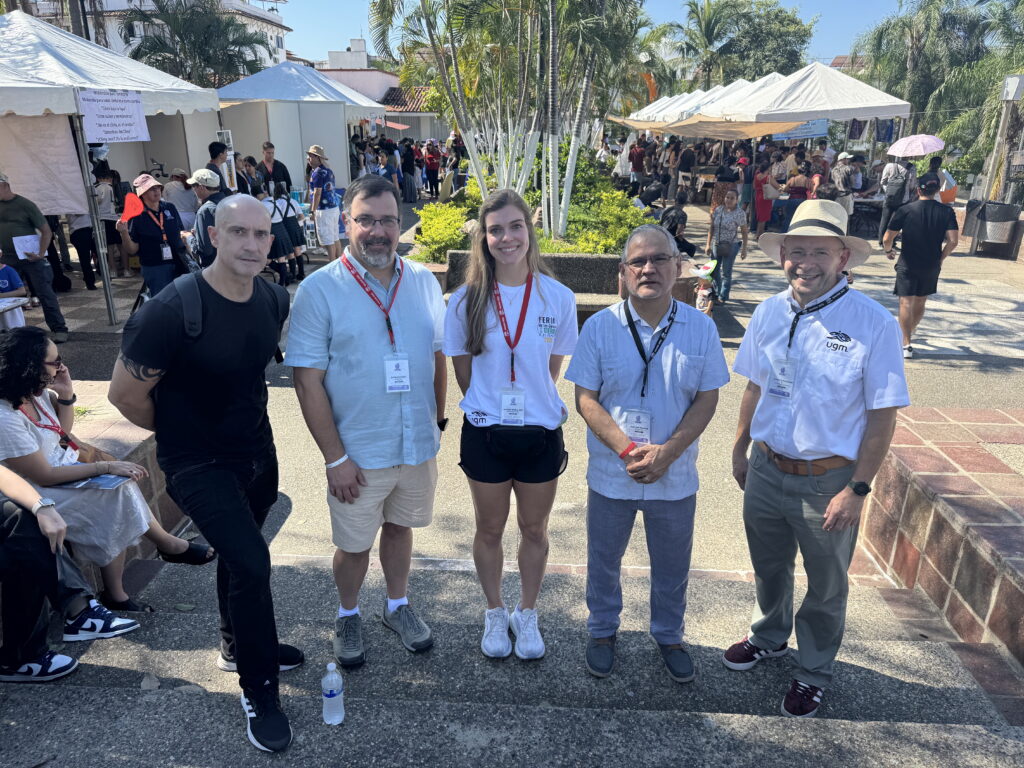
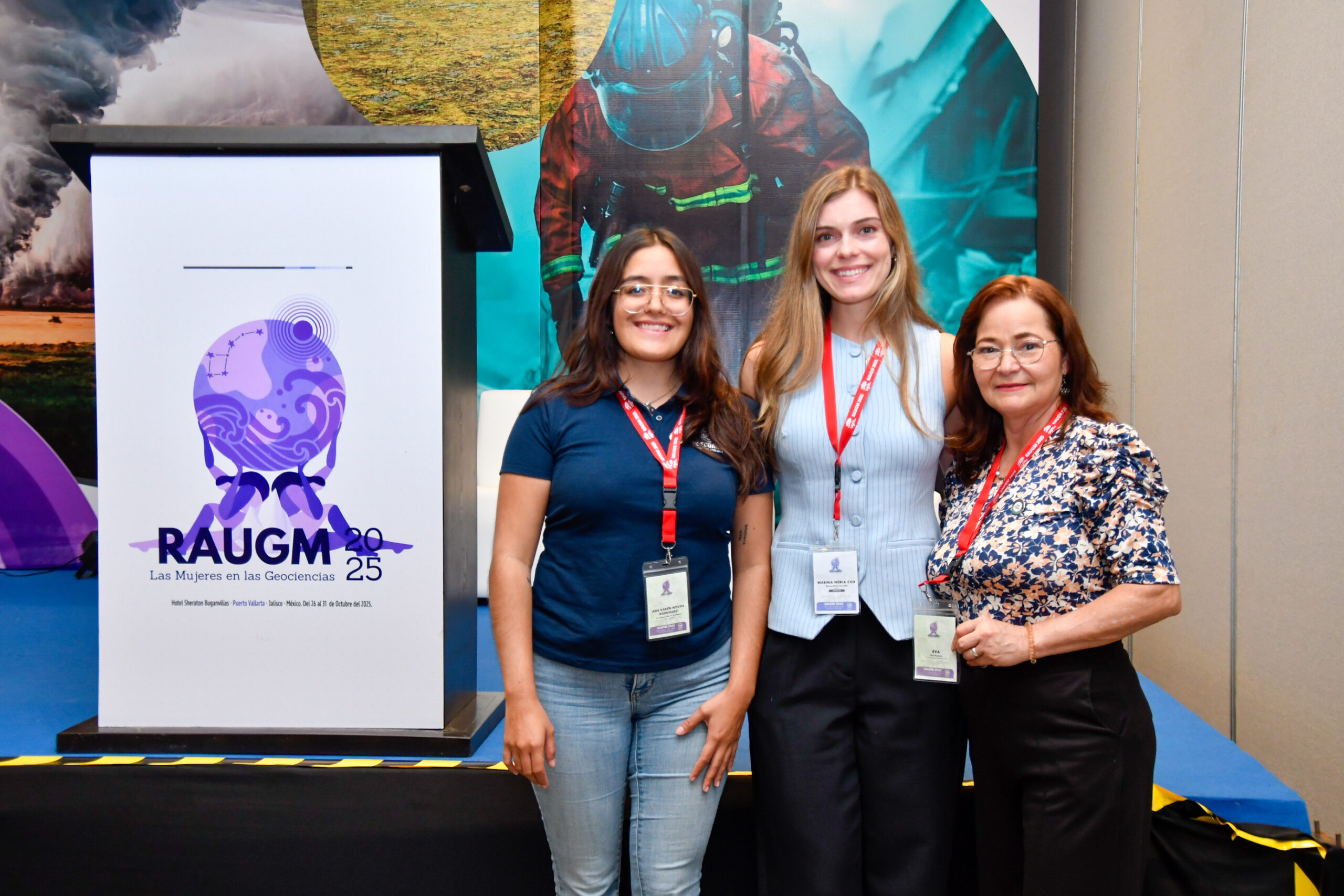
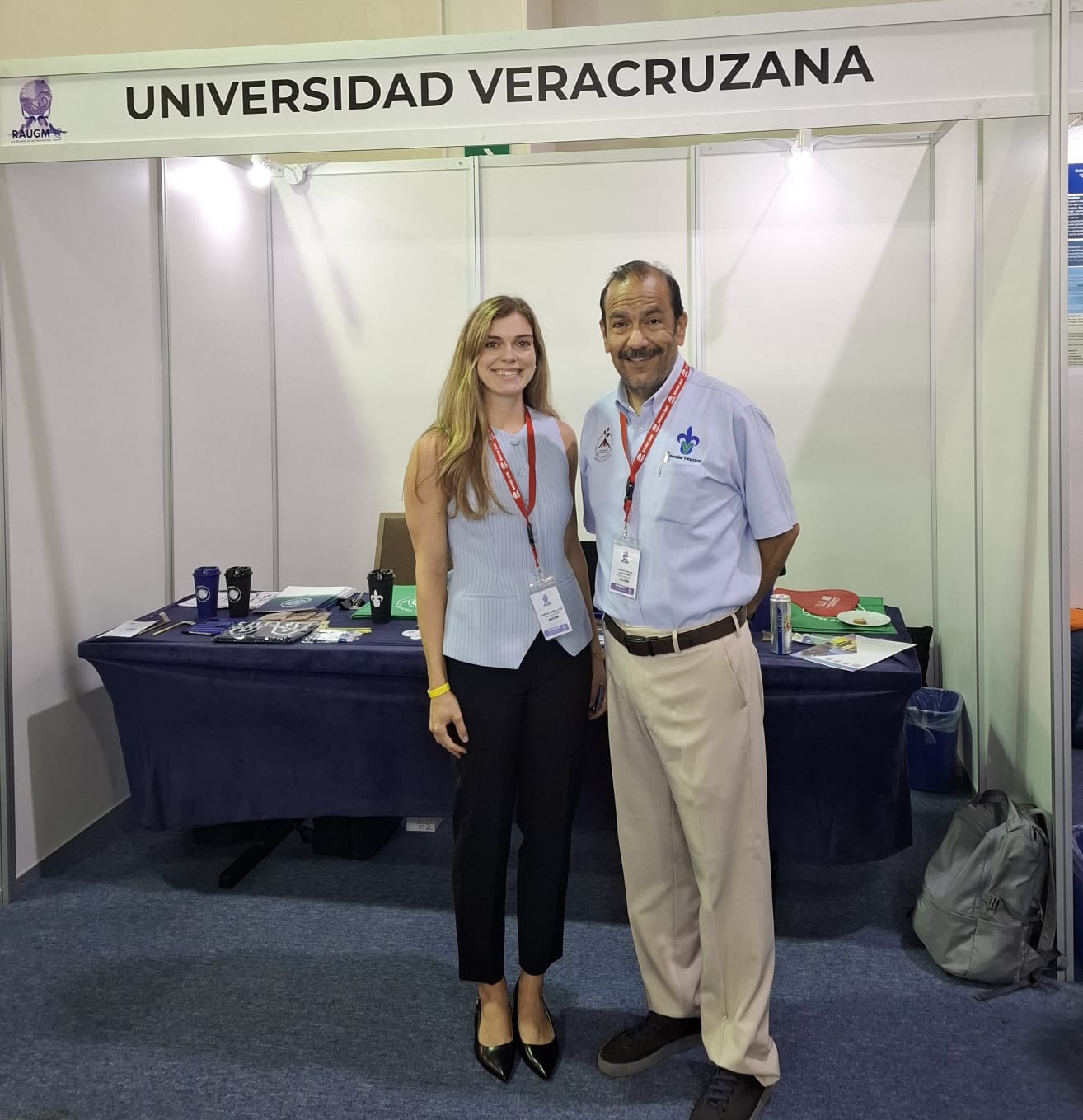
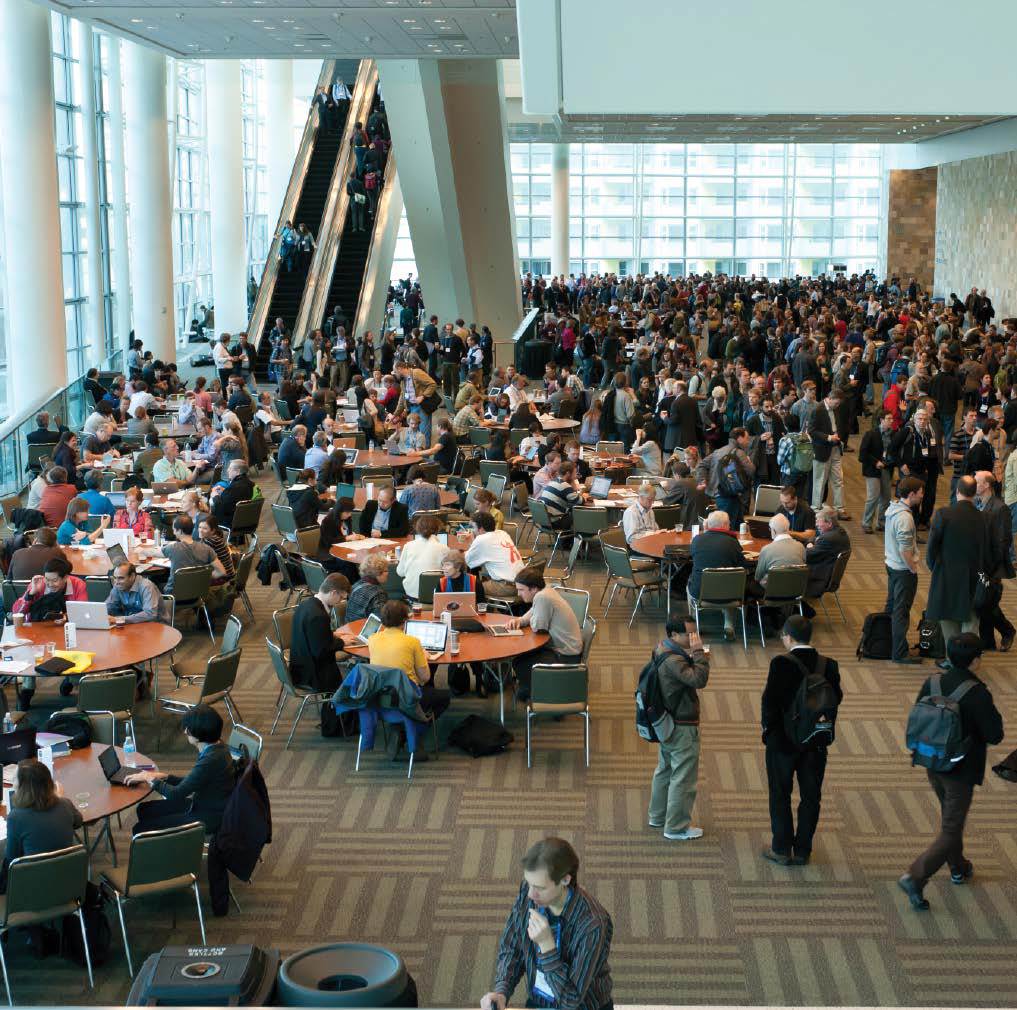
During a recent trip to Puerta Vallarta, Mexico, Marina Cox, project coordinator for Spanish-language projects at Thriving Earth Exchange, took full advantage of the creative energy generated through hundreds of in-person interactions at the Reunión Annual de la Unión Geofísica Mexicana (RAUGM) or Annual Meeting of the Mexican Geophysical Union, held on 26-31 October. Her participation in the conference and a local science fair—alongside team members from four Thriving Earth projects across Latin America—sparked new opportunities to expand community science engagement through regionally-tailored strategies and partnerships.
To date, Cox and the Thriving Earth team have successfully launched community science projects to address local priorities in 24 Spanish-speaking communities in the U.S., Mexico, Peru, Colombia, Chile, and Costa Rica. Activities and interactions at the conference built upon this strong track record in language inclusion and brought new chances to partner with local scientific societies.
“Participating in this meeting was a clear example of how regionally tailored strategies, our efforts in language inclusion, and partnerships with local scientific societies can expand AGU’s relevance and impact,” said Cox. “It showed that when we meet communities where they are—linguistically, culturally, and scientifically—we strengthen both local resilience and AGU’s global vision.”
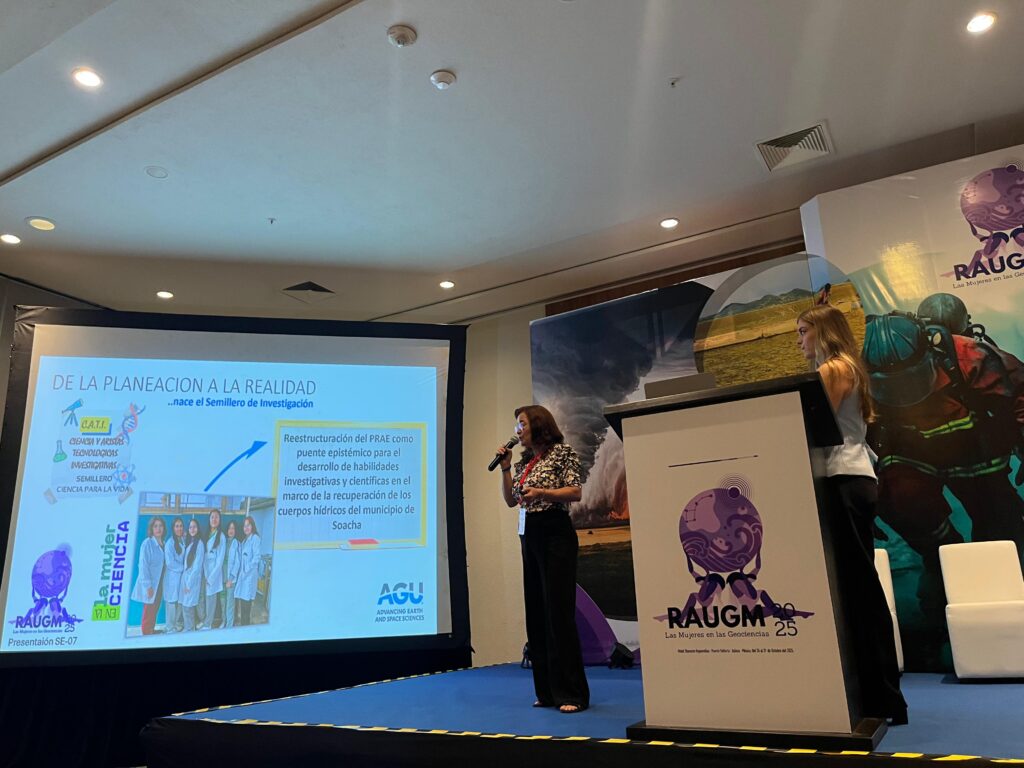
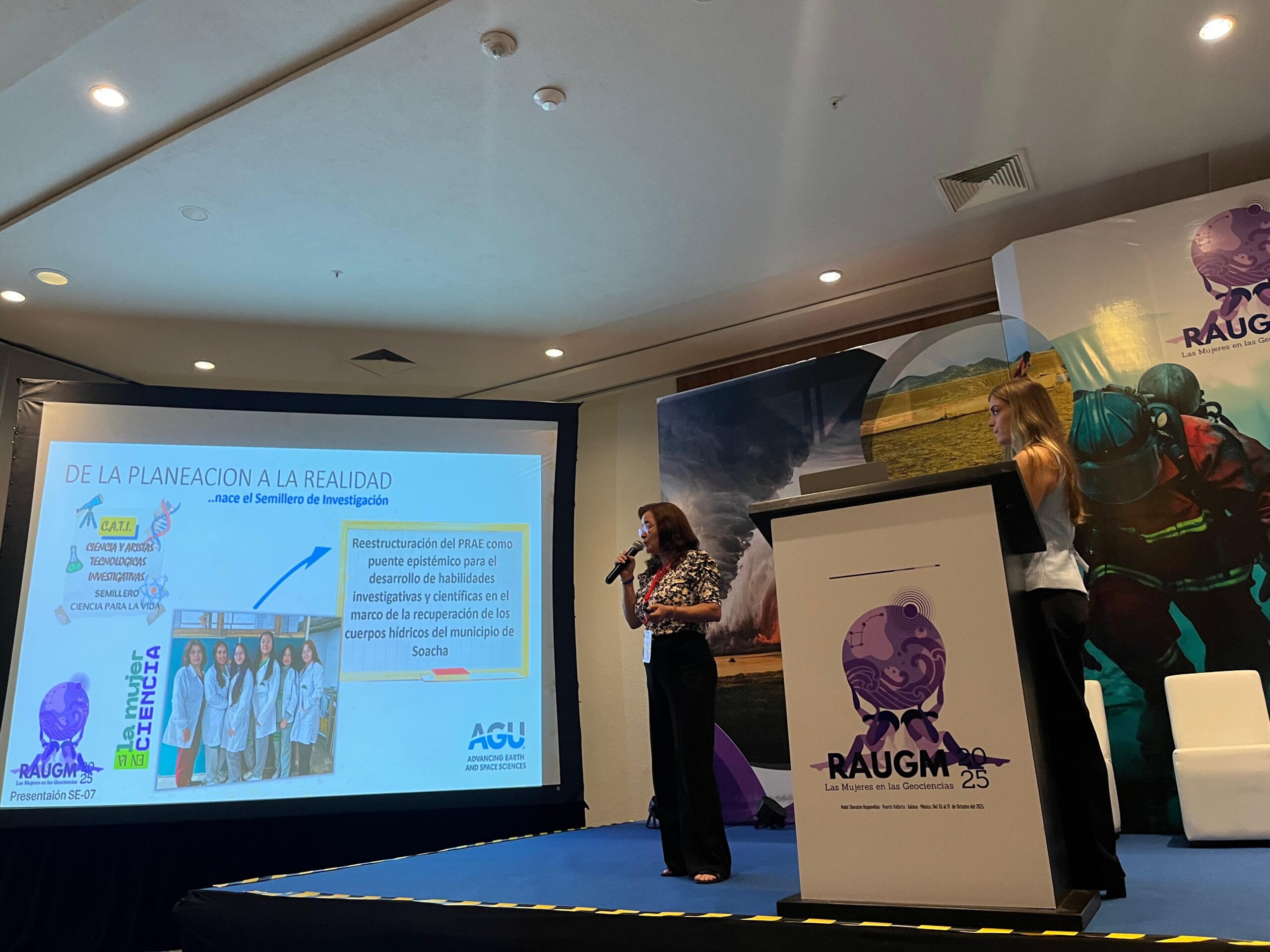
At the conference, Cox served as a moderator for the session, “Geoscience with and for communities: collaboration, reciprocity, and reflexivity in Earth system research with AGU’s Thriving Earth Exchange program,” which provided teams from 10 community science projects an opportunity to share their work and experience. Four of the 10 featured projects were facilitated by Thriving Earth Exchange. Two Community Leaders—Ana Laura Novoa Rodríguez from Veracruz, Mexico, and Eva Guzmán from Soacha, Colombia—received travel support from AGU to present in person. An additional two project teams—led by Lourdes Becerra Zavala from Chiltoyac, Mexico, and Lisbett Susana Materano from Coahuila, Mexico—participated virtually.
“The session demonstrated the growing interest in AGU’s community science approach and highlighted the tangible impacts of Thriving Earth Exchange projects across Mexico and Latin America,” said Cox. The session sparked robust discussions and enthusiasm for the community science model, with several attendees expressing interest in learning more and expanding collaborations between AGU and the Mexican Geophysical Union to advance globally-inclusive community-driven research.
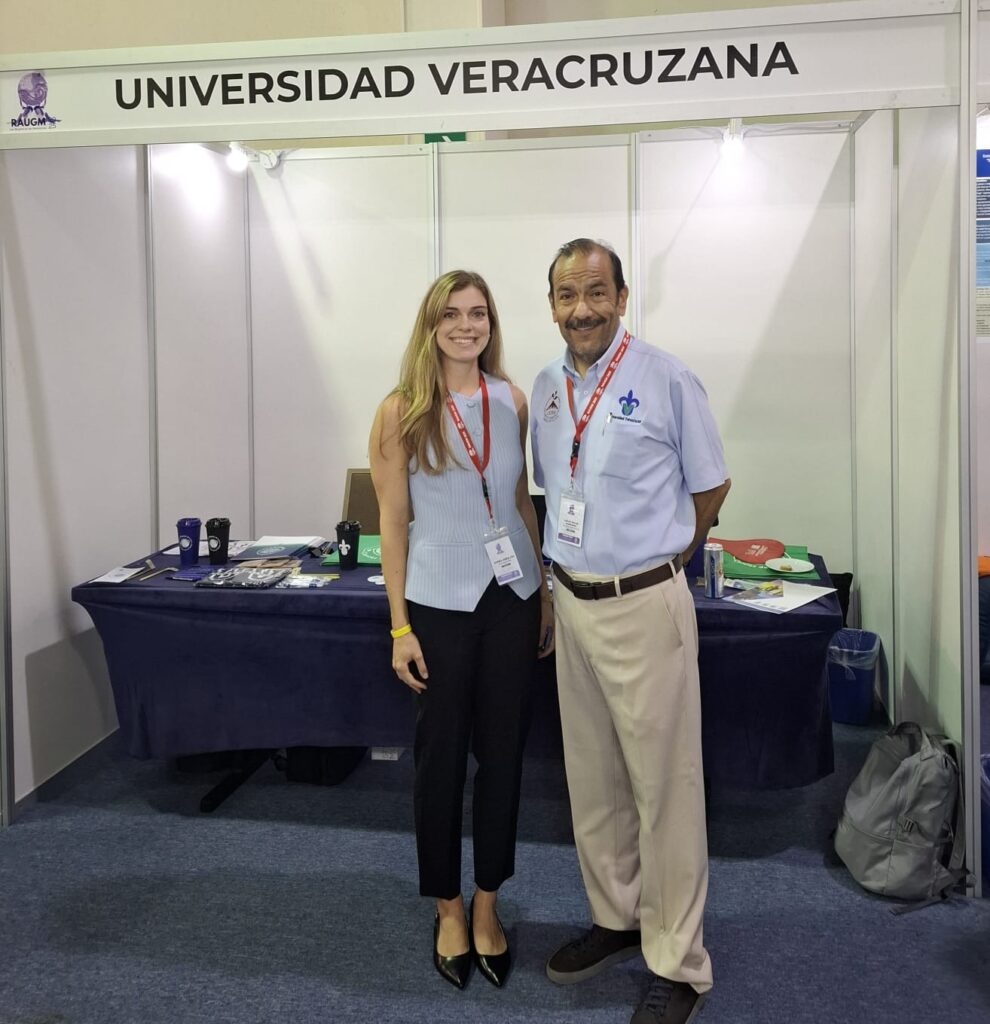
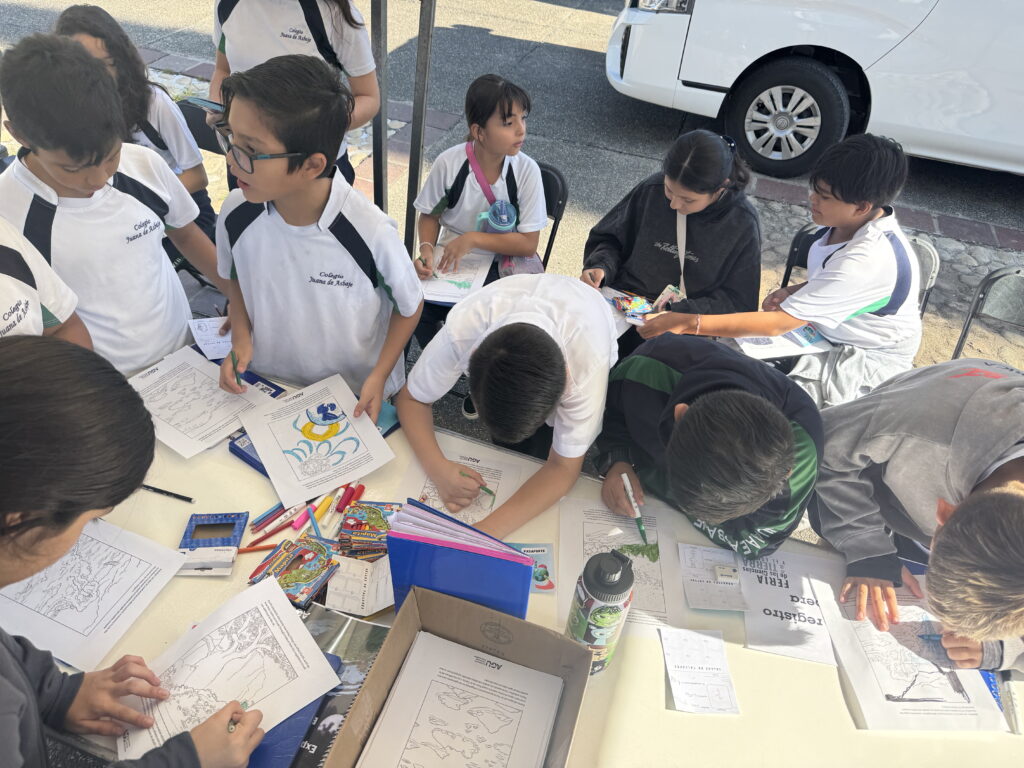
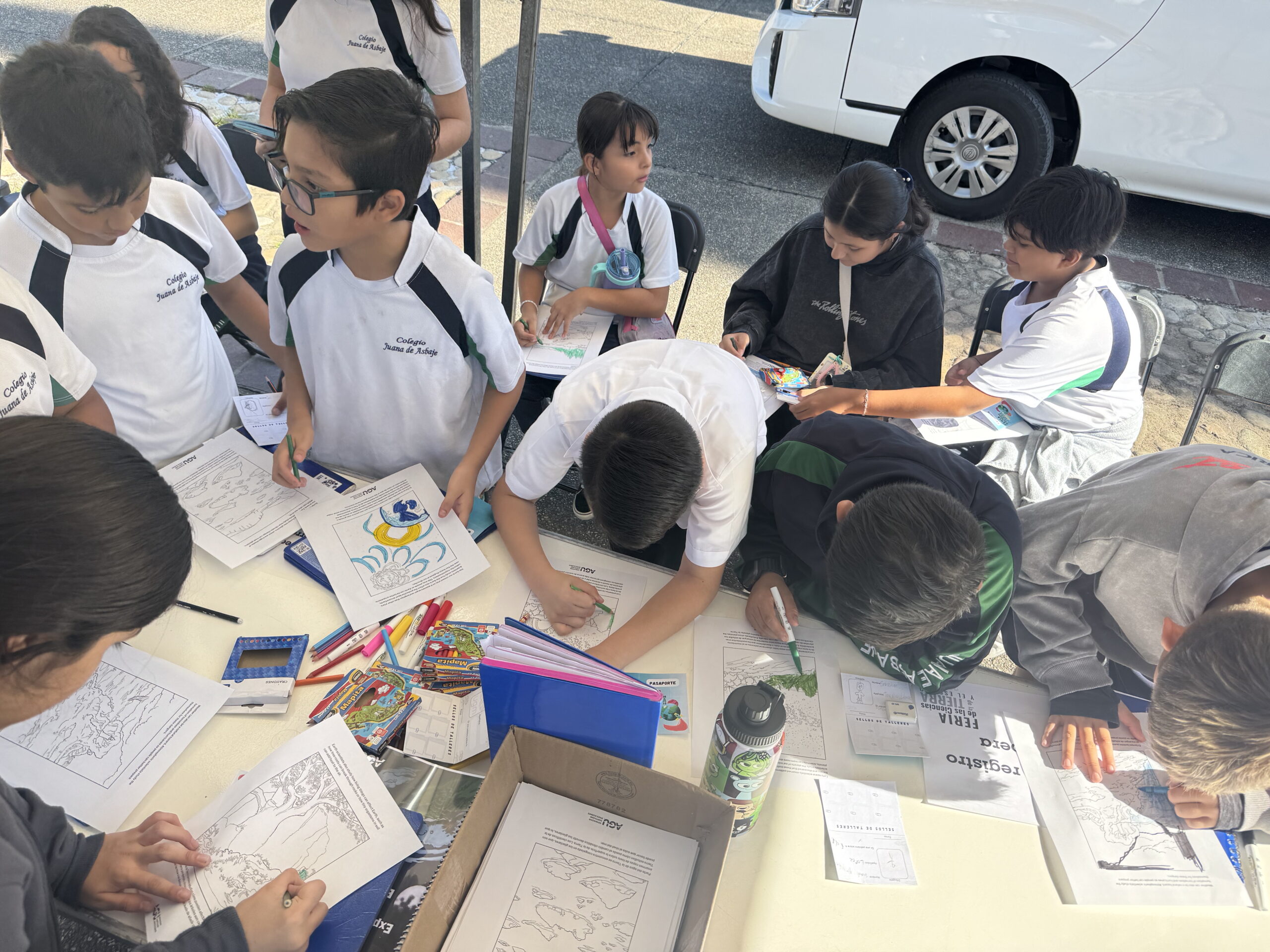
During the conference, Cox also represented AGU and Thriving Earth Exchange at an Earth and Space Science Fair, where approximately 500 students and teachers visited her table to learn about Earth and space sciences through hands-on activities in a bilingual coloring book. The conference’s scientific sessions, exhibit hall, and informal gatherings also proved to be a fruitful setting for informal discussions of community science, cross-cultural engagement, and strengthening relationships with regional universities, educators, researchers, and students.
“The meeting’s theme, Women in Geosciences, aligned strongly with AGU’s priorities for equity and inclusion, creating meaningful opportunities to connect with diverse scientists, students, and partners,” said Cox. “The enthusiastic response from attendees—including the active participation of community leaders and the support expressed by RAUGM current Vice President and 2026 President Elect Dr. Juan Américo González—underscored the importance of AGU’s continued involvement in the region.”